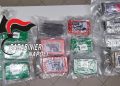
The Italian authorities have uncovered a new, disturbing form of theft known as "Pickpocketing 2.0". Following the arrest of a 36-year-old woman in Sorrento, the carabinieri found a hidden, active POS terminal in her handbag. The woman is suspected of using the device to debit microtransactions from the bank accounts of unsuspecting passers-by without being noticed.
What happened?
The incident took place in Sorrento, where the woman was initially arrested for a classic theft in a bar. The real surprise, however, was the subsequent search of her handbag. In it, the officers found a portable, fully functional card reader of the type used by merchants for contactless payments. Instead of using the contactless payment function, the thief used the device as a tool to steal money.
Investigations indicate that the thief used the mobile POS terminal in busy areas, especially in tourist centers such as Rome, to withdraw money from her victims' bank cards inconspicuously. The scam works as follows: The terminal is activated in advance with a small amount of money, around 9.90 euros. The perpetrator then approaches her victim, for example on a crowded bus, at the train station or at a market, and briefly touches their bag or rucksack. The short distance of just a few centimeters required for NFC communication is enough to trigger the transaction. The entire process only takes a few seconds and usually remains hidden from the victim, as no PIN entry is required and the device's signal tone is often drowned out by ambient noise.
Why is this method so dangerous?
The danger lies in the invisibility of the crime. The thieves deliberately target small amounts that are below the limit for PIN entry and are easily overlooked in the monthly account statements. These "drop withdrawals" over a longer period of time add up and are rarely noticed immediately or reported to the bank.
Despite the apparent simplicity, there are technical hurdles. For example, the range of NFC technology is limited to one to two centimeters. The presence of several cards in the wallet or a thick leather wallet can also interrupt communication and prevent the transaction. However, each terminal is linked to a specific account, making it theoretically possible for law enforcement authorities to trace the transactions. The perpetrators usually use accounts that run on straw men so that they are not directly identifiable.
How can you protect yourself?
The most important measure is prevention. Experts recommend using a shielded wallet with an RFID blocker, as this effectively blocks the NFC signal. Alternatively, bank cards should be kept in inside pockets to make access from the outside more difficult. It is also advisable to deactivate the contactless function of your bank card or to lower the payment limit.
If you suspect theft, you should check your account statements immediately and report any suspicious debits to your bank straight away. In some cases, banks offer an automatic refund if the fraud is reported within a certain period of time.
The discovery of this scam in Italy should be a wake-up call for banks and customers alike: The security vulnerabilities of modern payment technology should not be underestimated, but there is also no need to panic. Awareness and caution when dealing with contactless payment are the best protective measures.