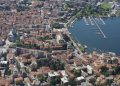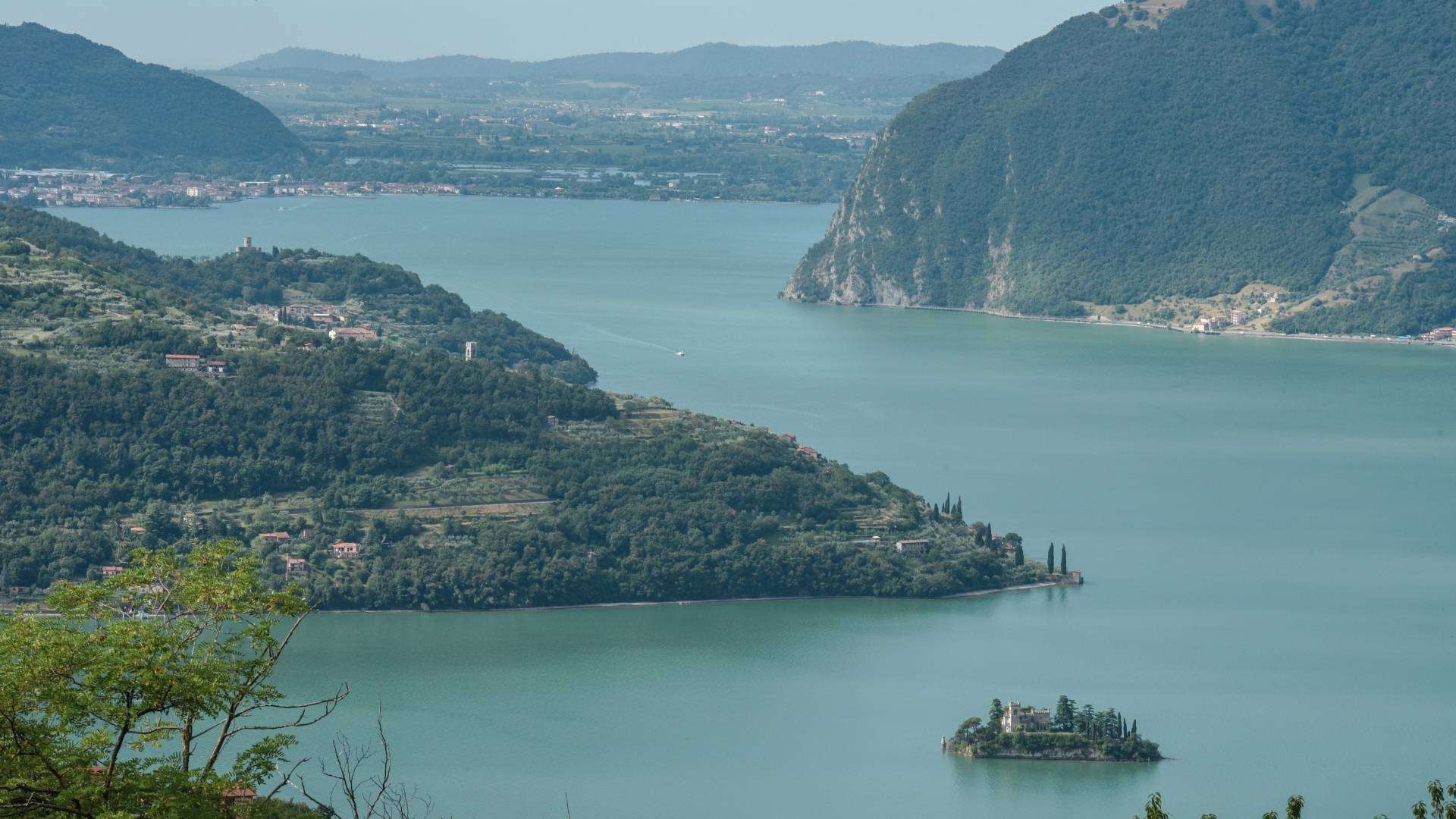

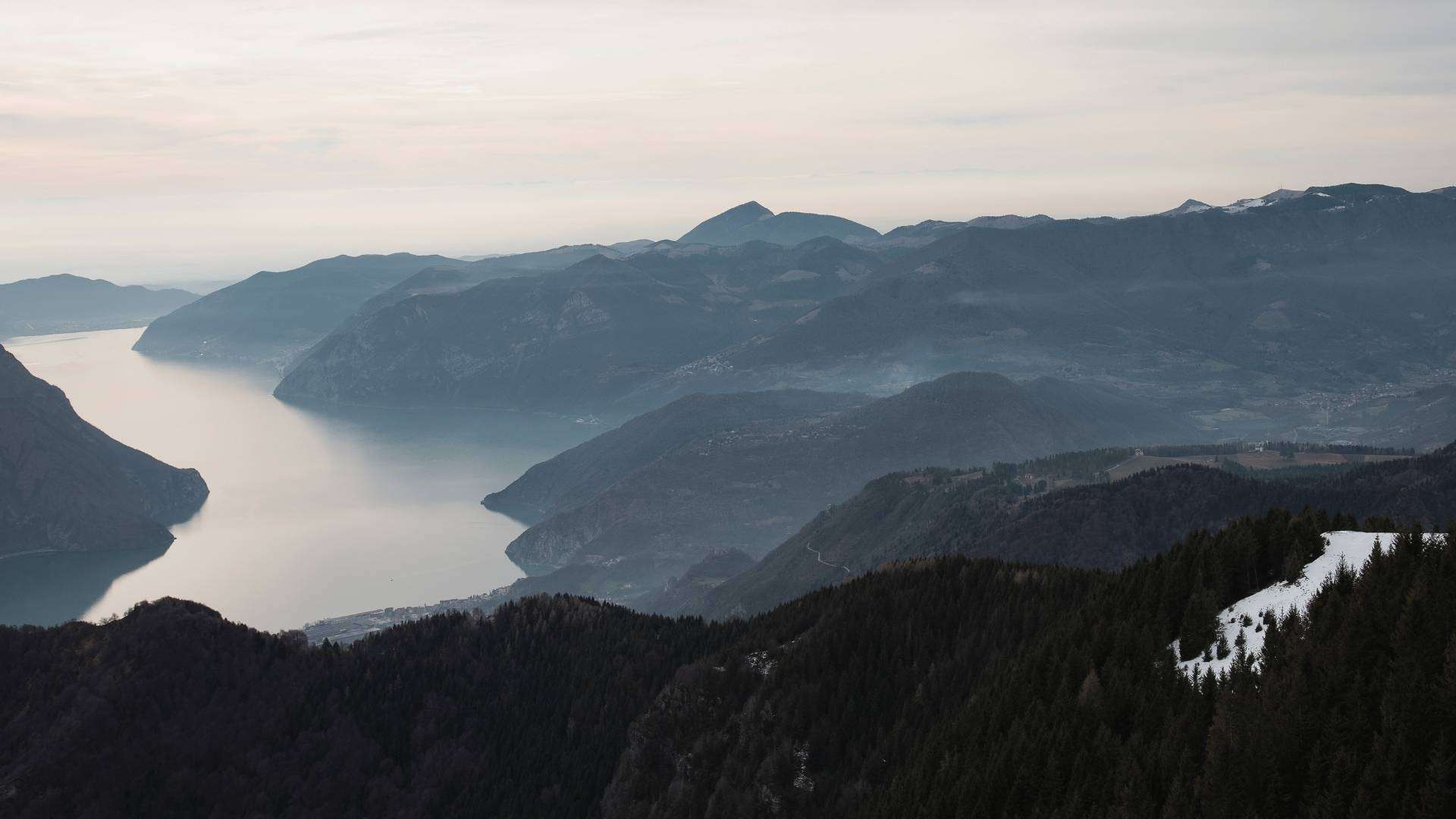
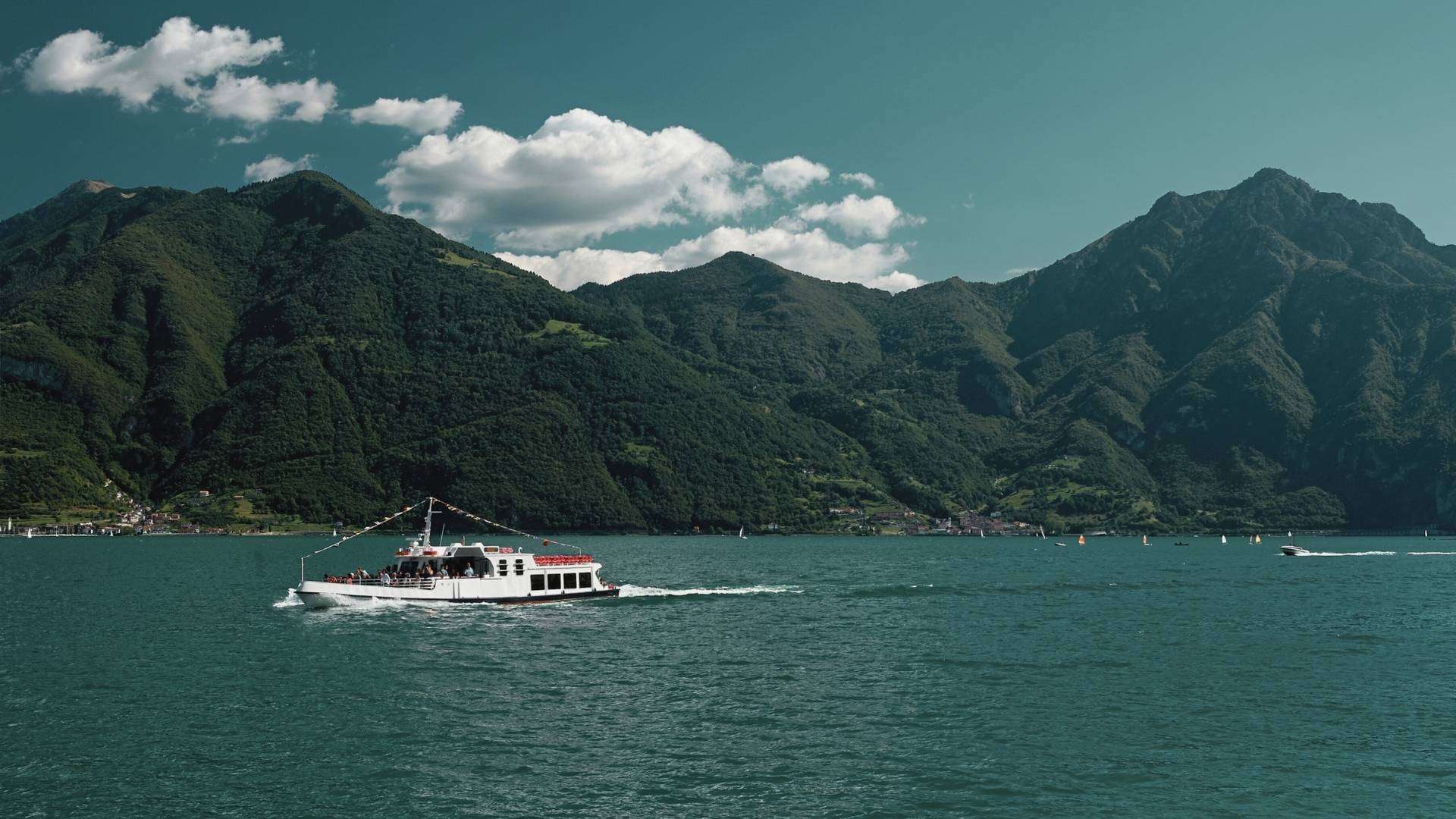
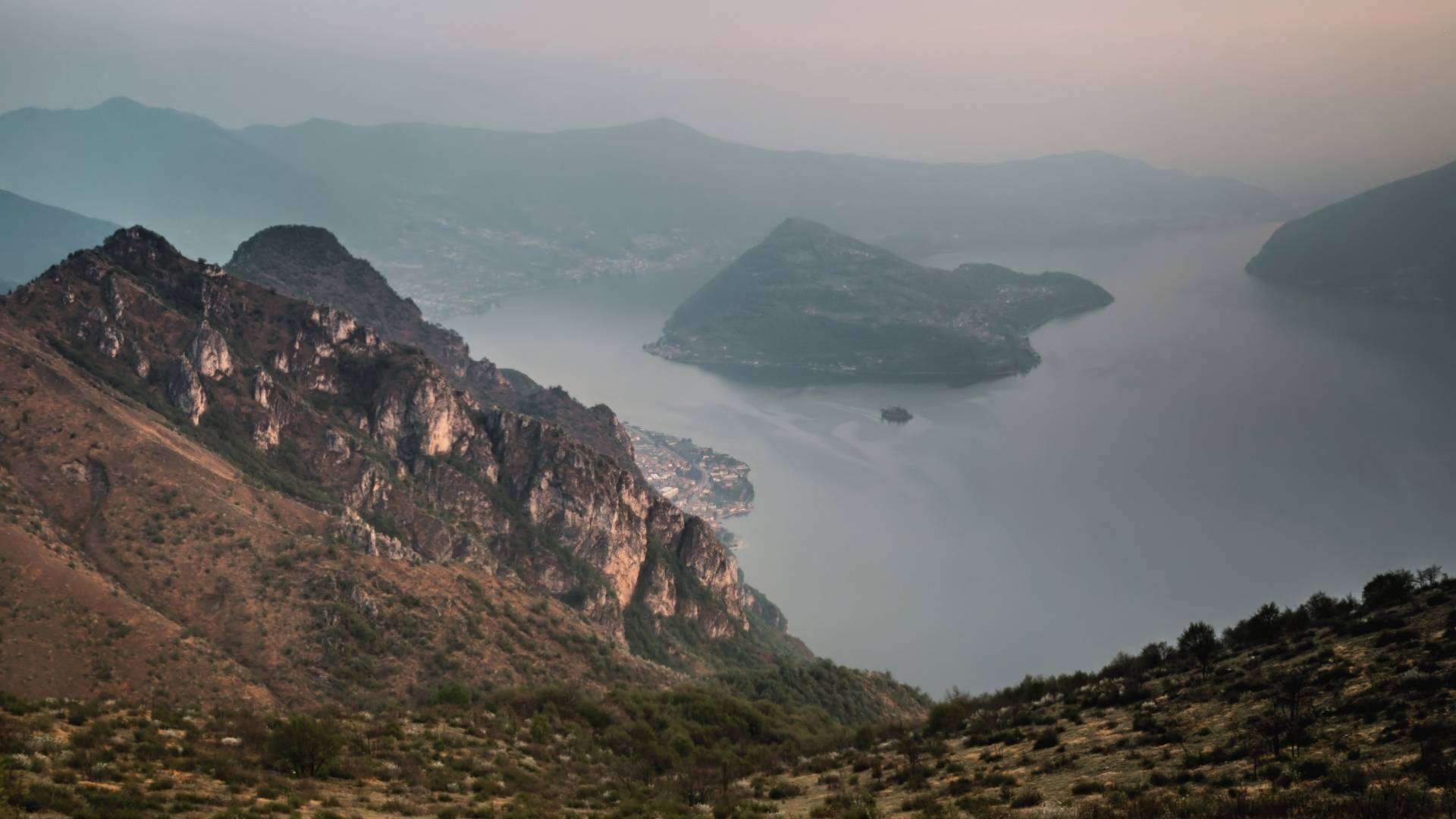
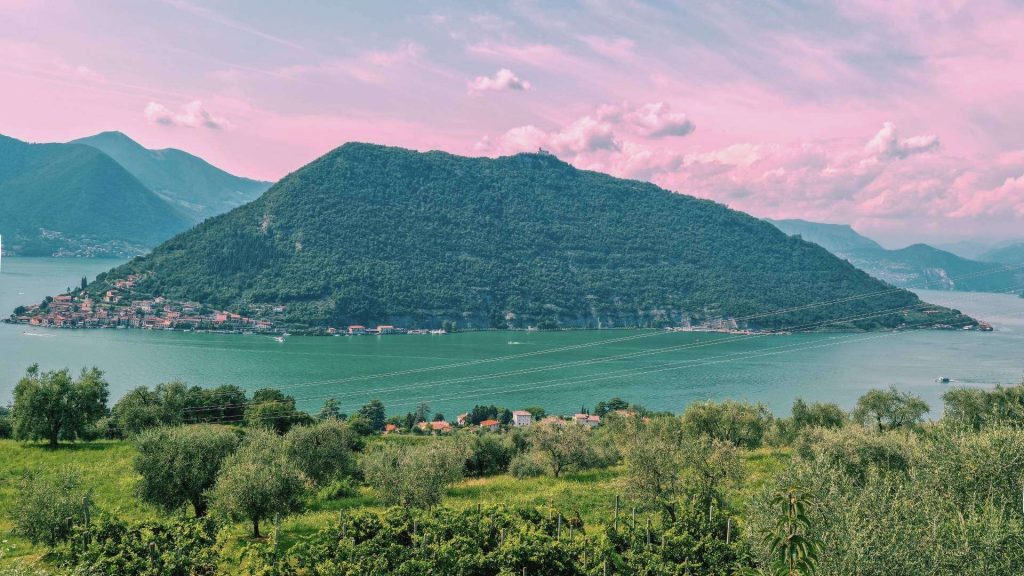
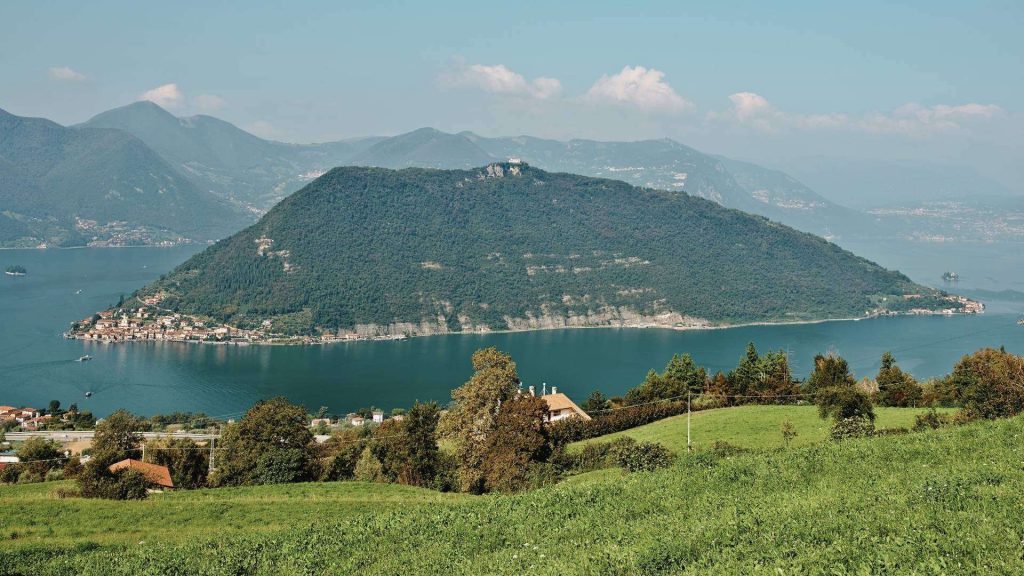
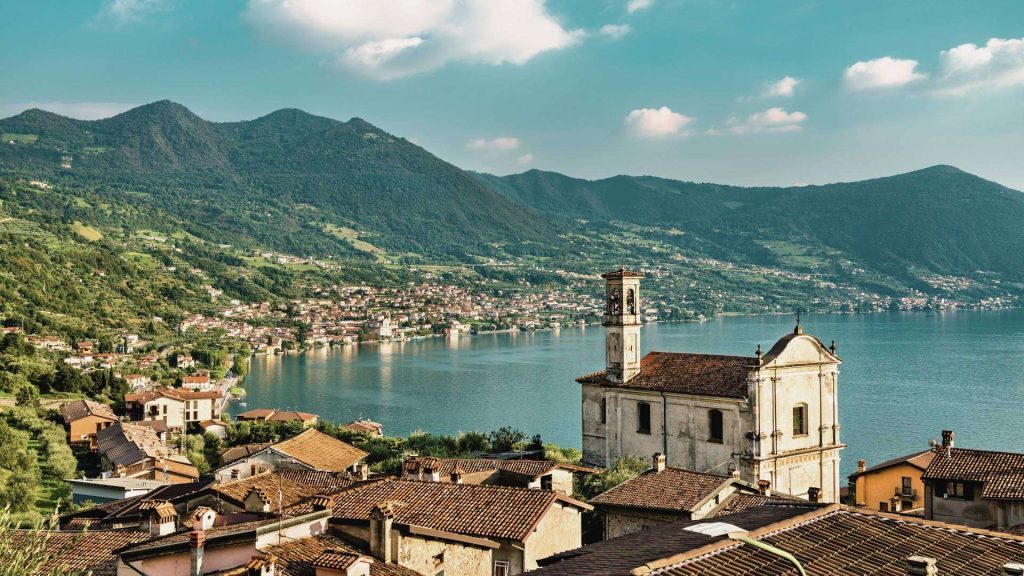
Iseo – When the first boat sets out in the morning, a haze still hangs over the lake, and the island in its center is visible only as a dark silhouette. Lake Iseo, in Italian Lake Iseo or Sebino, is located in Lombardy between the provinces of Brescia and Bergamo. Rising up in its center is Monte Isola, an inhabited island that you can reach in five minutes by shuttle boat from Sulzano on the eastern shore, 24 hours a day.
Scattered along the shore are places worth making a detour for: Iseo with its historic downtown by the water, the art museum in Lovere featuring works by Antonio Canova, a church in Pisogne filled with Renaissance frescoes, a marsh teeming with migratory birds, and earthen pyramids high above the eastern shore. Here you’ll find out which eight places on Lake Iseo you should visit, how much boat rides and admission fees cost, where you can swim and hike, and how to get around without a car.
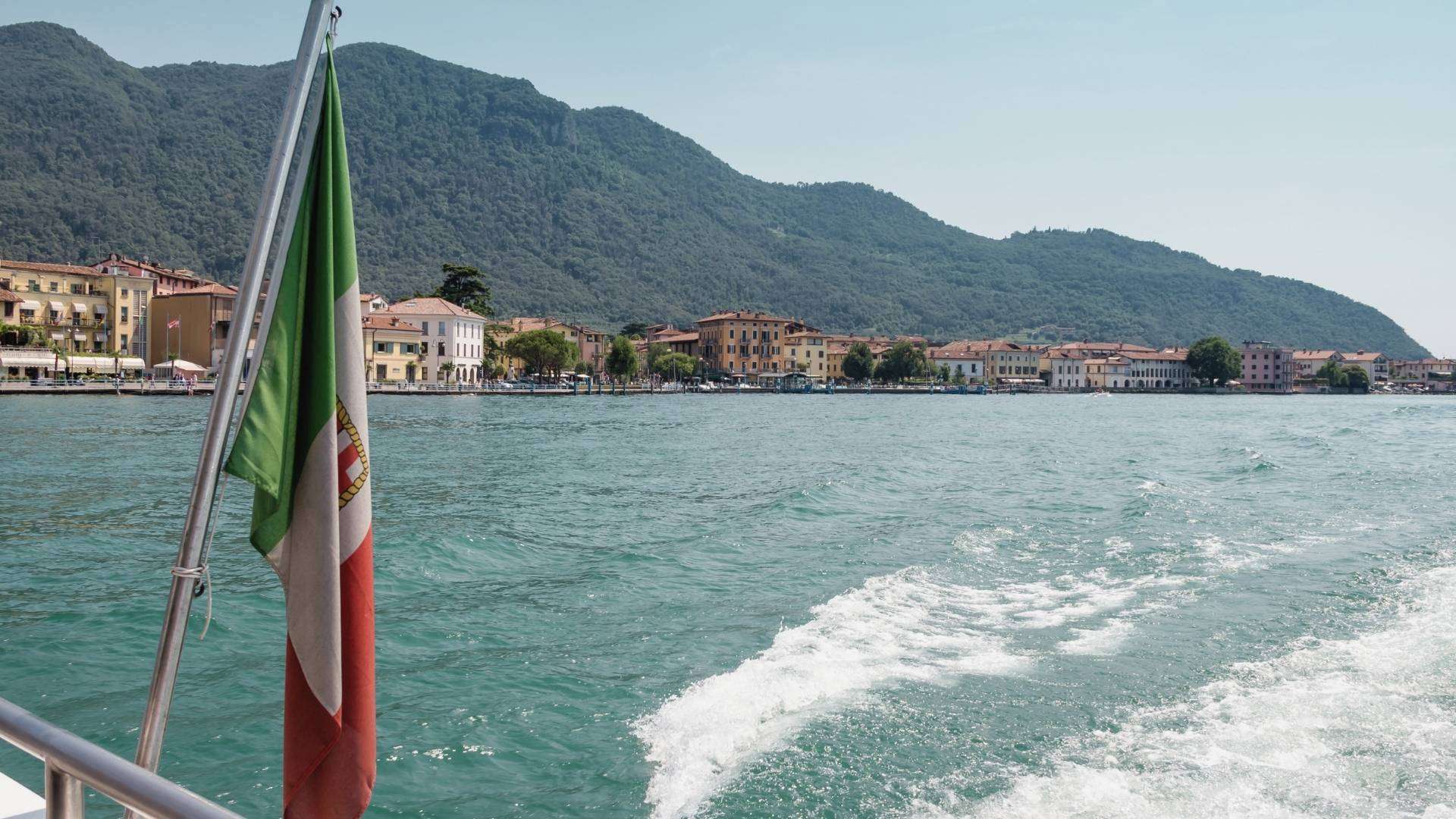
The ships on the lake are operated by the Navigation on Lake Iseo, the public ferry company on Lake Iseo, operates a system based on five fare zones. A one-way trip within a single zone costs €2.60, and a day pass for all zones costs €16.50. Anyone disembarking on Monte Isola pays an additional landing fee of €1.50 per day. A shuttle runs between Sulzano on the eastern shore and the island 24 hours a day, 365 days a year; the crossing takes five minutes.
In the Tadini Academy Gallery, the art museum of Count Luigi Tadini in Lovere, where admission is €14. Beyond Iseo lies the Torbiere del Sebino Nature Reserve, a 360-hectare wetland consisting of peat pits, reeds, and meadows that has been protected since 1984. Towering over the eastern shore are the Pyramids of Zone earth pyramids up to 30 meters high. Lovere and Monte Isola are among the Borghi più belli d'Italia, the Association of Italy's Most Beautiful Villages.
Lake Iseo by the Numbers
A lake between two provinces, an island in the middle, and boats connecting almost all the shores. The key figures for your planning are listed here; the details follow in the sections below.
As of October 2026 · Information provided by Navigazione Lago d’Iseo, Galleria dell’Accademia Tadini, Riserva Naturale Torbiere del Sebino, the Municipality of Zone, I Borghi più belli d’Italia, and the Lombardy Region.
- Travelers without a car who combine train and boat travel
- Art lovers with a passion for Canova and the Renaissance
- Hikers who want to see the lake from above
- Foodies who want to try seafood and sparkling wine from Franciacorta
- Beachgoers who expect to see a Blue Flag
- Travelers who want to drive through Monte Isola
- Museum visits on weekdays during the winter months
Where is Lake Iseo located?
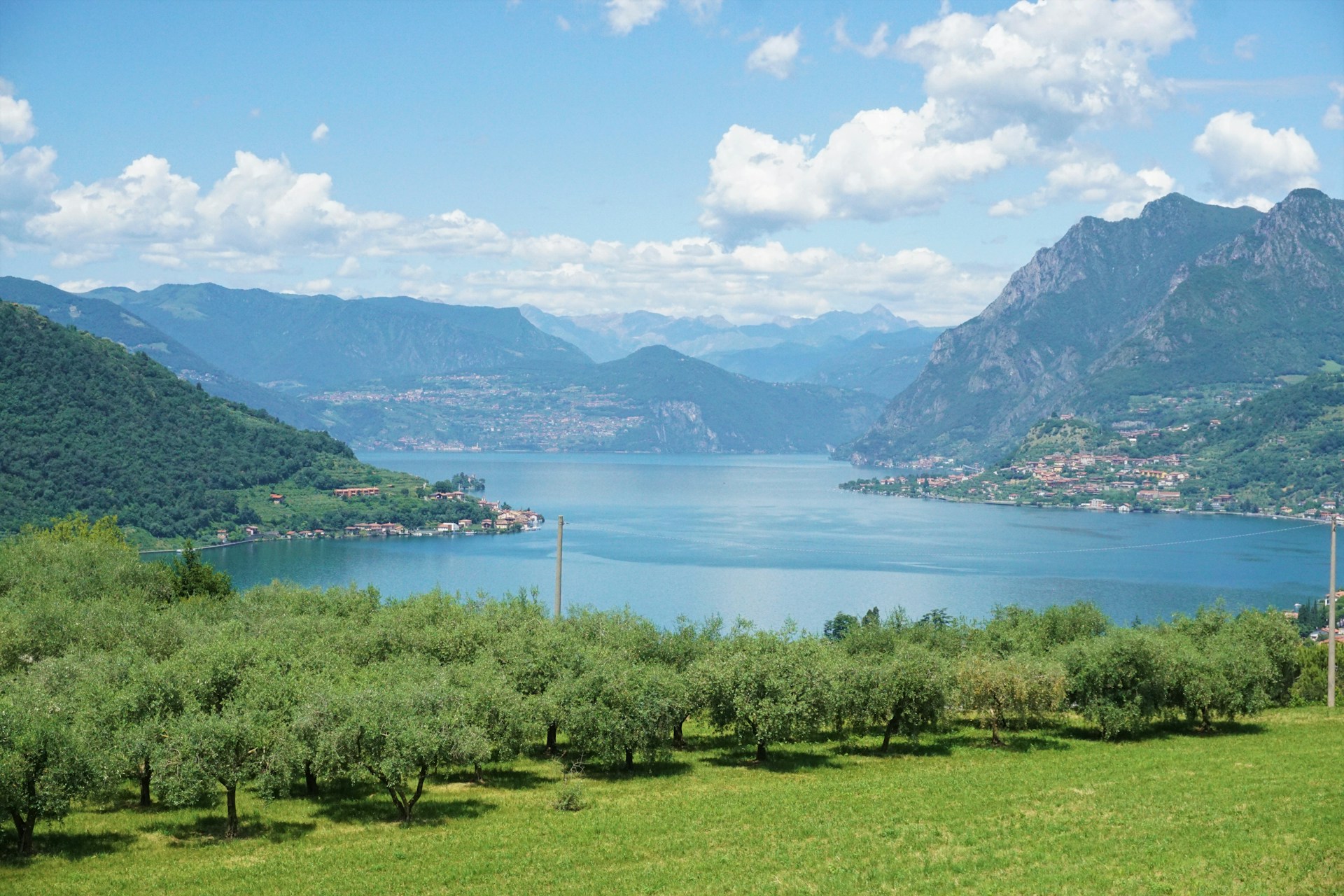
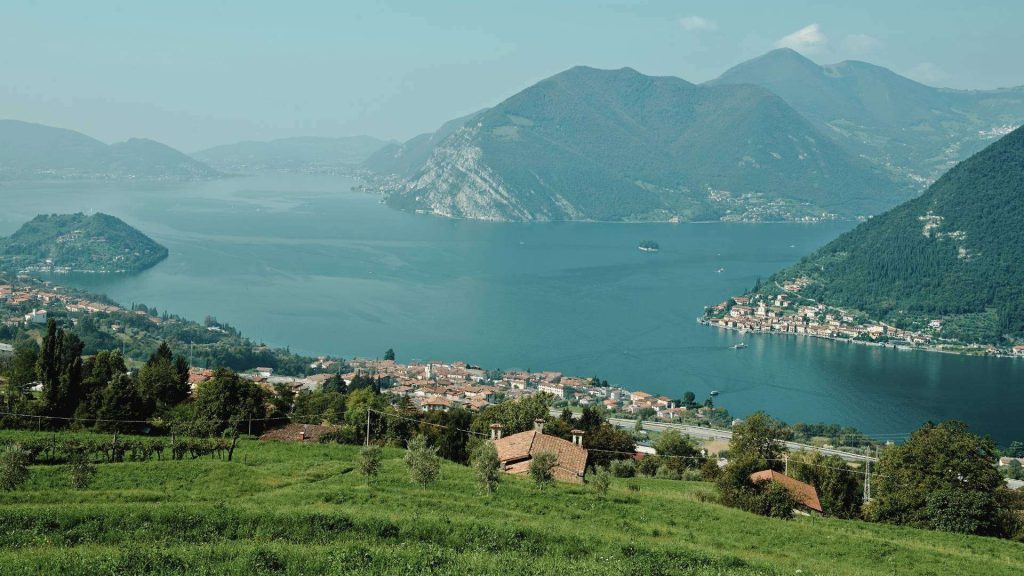
Lake Iseo is located in eastern Lombardy, between Lake Como to the west and Lake Garda to the east. The eastern shore, including Iseo, Sulzano, Sale Marasino, Marone, and Pisogne, belongs to the province of Brescia, while the western shore, including Sarnico, Predore, Tavernola Bergamasca, Riva di Solto, Castro, and Lovere, belongs to the province of Bergamo. The distance from Iseo to Brescia is about 25 kilometers, and from Sarnico to Bergamo, about 30 kilometers.
The basin was formed by a glacier from the Valle Camonica, the long alpine valley north of the lake. According to the municipality of Zone, during the Riss Glacial Period, ice filled the present-day lake basin to a depth of over 600 meters. To the south, the Franciacorta ...the hilly region with vineyards between the lake and Brescia; to the north, the Valle Camonica begins at Pisogne and Lovere.
Monte Isola lies in the middle of the lake. Next to it are two small private islands: the San Paolo Island off the southern coast of the large island and the Isola di Loreto in front of their northern end. You can't go on either of them, but you can see them up close from the ship.
Which 8 places on Lake Iseo are must-sees?
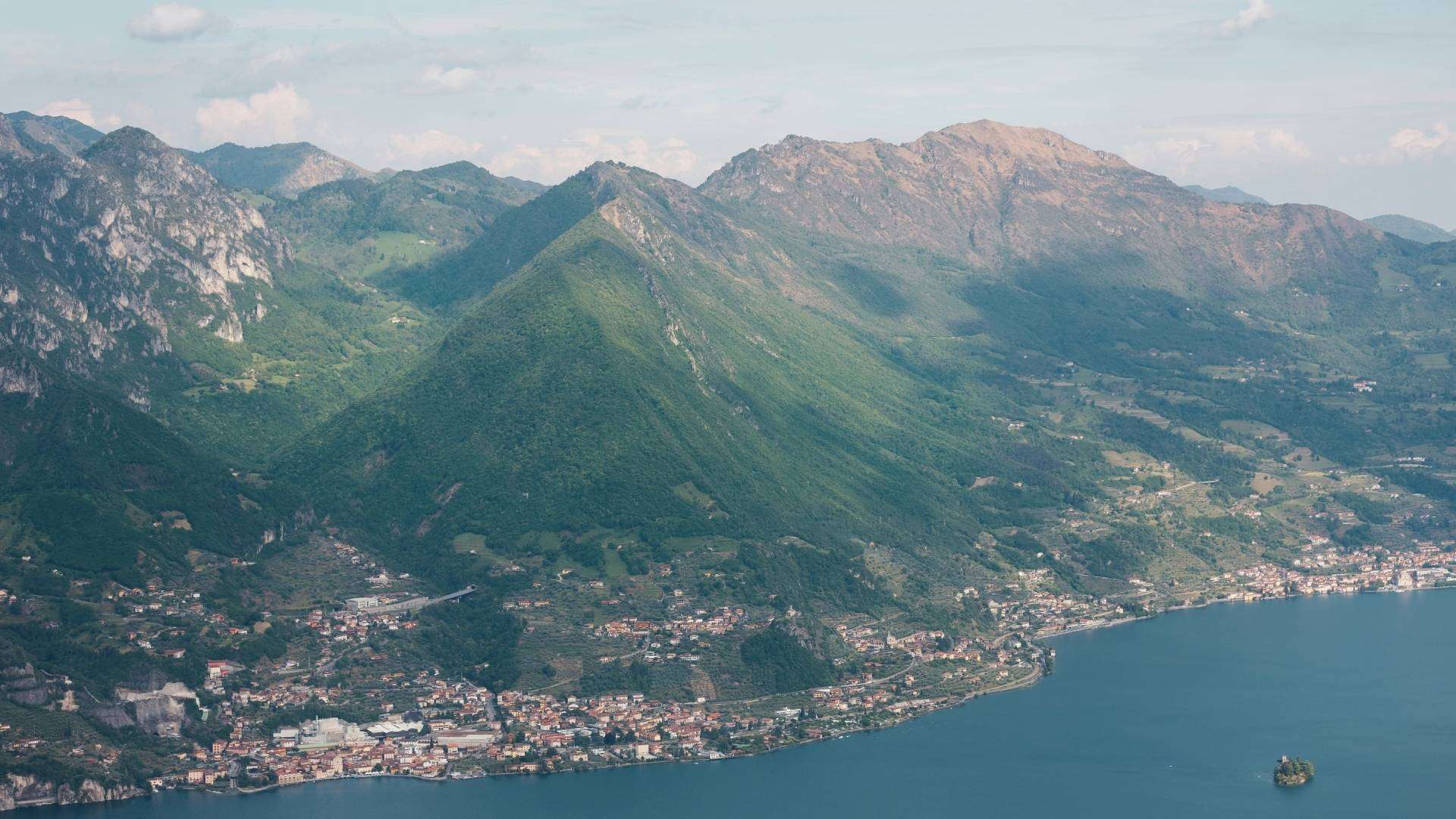
The eight destinations are scattered around the lake. The order follows the shoreline clockwise: from Iseo, through the marsh behind the town, and up the western shore to Lovere; then via Pisogne and the earth pyramids back south to the island in the middle. The table shows you what to expect at each location.
| Location | Here's what you can expect | Goes well with |
|---|---|---|
| Iseo | Old Town by the Water, a Hub for Rail and Water Transportation | Travelers without a car |
| Lakes of Sebino | 360 hectares of marshland and reeds | Nature lovers |
| Clusane | Baked tench and a castle | Connoisseurs |
| Sarnico | Italian Art Nouveau Villas | Architecture enthusiasts |
| Lovere | Art museum featuring works by Canova | Art lovers |
| Pisogne | Church with Renaissance frescoes | Art lovers |
| Pyramids of Zone | Earth pyramids up to 30 meters high | Families and Hikers |
| Monte Isola | An island without cars, with a shuttle running around the clock | all |
1. Iseo, the town on the south shore
Iseo is the main town on the southeastern shore and a hub for rail and water transportation. Trains from Brescia stop at the station, and boats bound for Monte Isola and the western shore depart from the waterfront promenade. The old town begins right behind the waterfront.
It includes the Pieve di Sant’Andrea, the town's parish church, which is over a thousand years old. The Castello Oldofredi, the castle of Iseo, with its cloister and civic hall, is now a venue used by the city. A few hundred meters from the center lies the Sporting Lido Sassabanek, the large outdoor pool by the lake; more on that below in the section on swimming.
2. Torbiere del Sebino Nature Reserve, the marsh behind Iseo
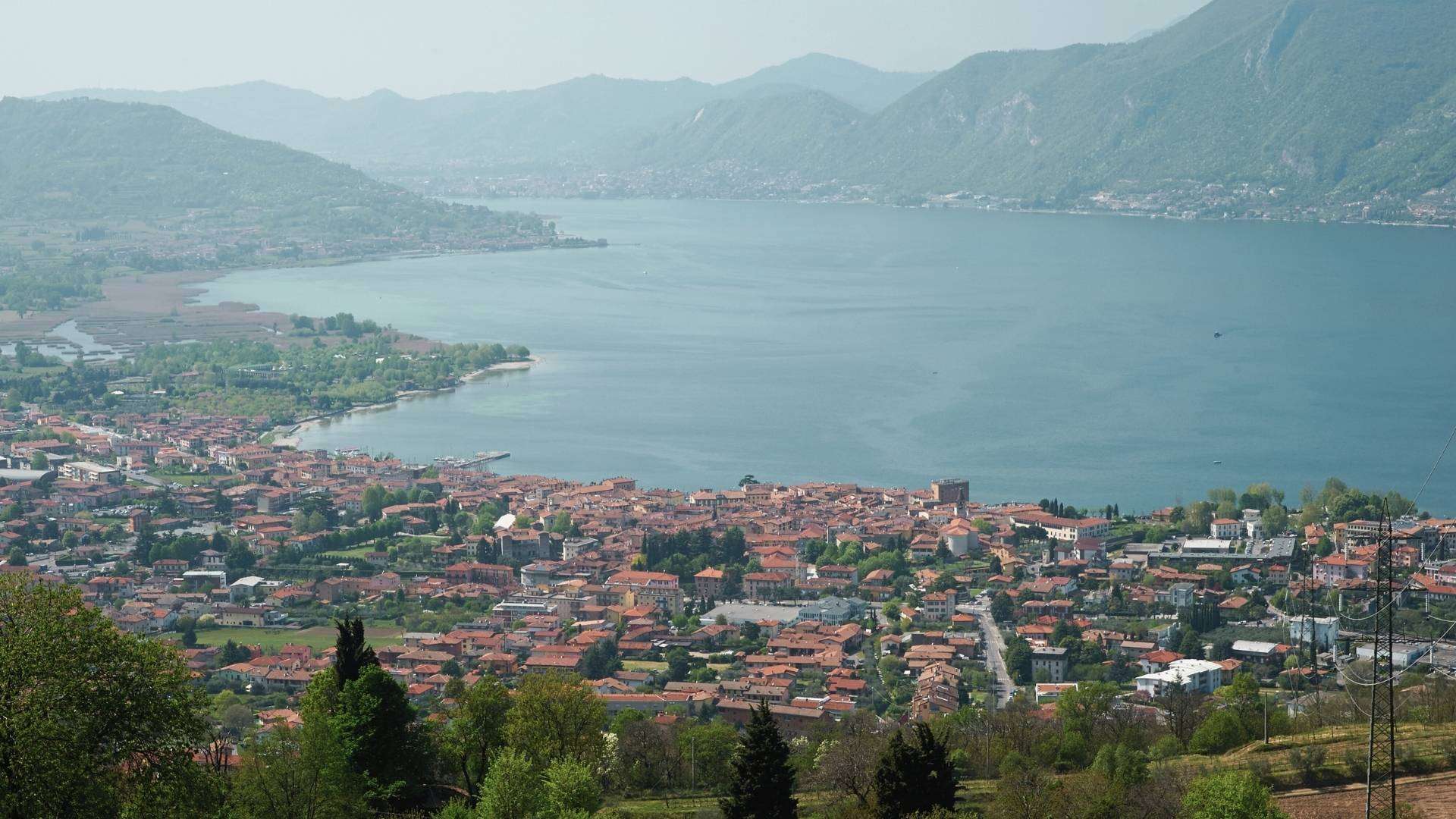
Right after Iseo, the Lakes of Sebino, a mosaic of bodies of water, reeds, small forests, and meadows spanning 360 hectares. The name hints at its history: peat was once mined here. The area has been protected as a regional nature reserve since 1984. A distinction is made between the Tinsel, which are directly connected to the lake, and the Lame inside, which are fed by springs, the Ri Stream, and rain. The reserve is one of the largest wetlands in the central Po Valley and serves as a stopover for migratory birds traveling between North Africa and Central Europe.
On the edge is the Monastery of San Pietro in Lamosa, a monastery whose original structure was likely built before the year 1000. A document from 1083 records its donation to the monks of Cluny; between 1100 and 1500, it was expanded and embellished.
The Torbiere are open year-round, including on holidays, from sunrise to sunset. Admission is €3; children 12 and under are admitted free. Tickets are available from vending machines at the three official entrances: in Provaglio d'Iseo at the monastery, in Iseo on the Via Tangenziale Sud across from the sports field and in Corte Franca at the Via Segaboli. Groups of nine or more people must have a certified guide.
3. Clusane and the Baked Tench
Clusane, a neighborhood of Iseo on the southwestern shore, is the site of the Baked Tinca, the oven-baked tench served with polenta. Every year in July, the town dedicates an entire week to this dish, and on Sunday evening there’s a fireworks display.
Clusane is also home to the Castello Carmagnola, a castle that is open only on special occasions, such as during guided tours organized by the local cultural association Clusanense Cultural Circle. Clusane has its own Navigazione pier, which resumed operations at the end of August 2026 following a closure.
Read more about theTopic



4. Sarnico and Its Liberty-Style Villas
Sarnico is located at the southwestern end of the lake in the province of Bergamo. The town is known for its buildings in the Liberty, Italian Art Nouveau. It was designed by the Milanese architect Giuseppe Sommaruga: the Villa Surrewhich Villa Faccanoni and the Villa Passeri, as well as a mausoleum and the local kindergarten.
Guided tours of the villas are offered by the Pro Loco Sarnico, the local tourism association, on specific dates, such as during the event series Sarnico and the Gems of Art Nouveau. A boat ride from Sarnico to Lovere through all five zones costs €6.30.
5. Lovere and the Accademia Tadini
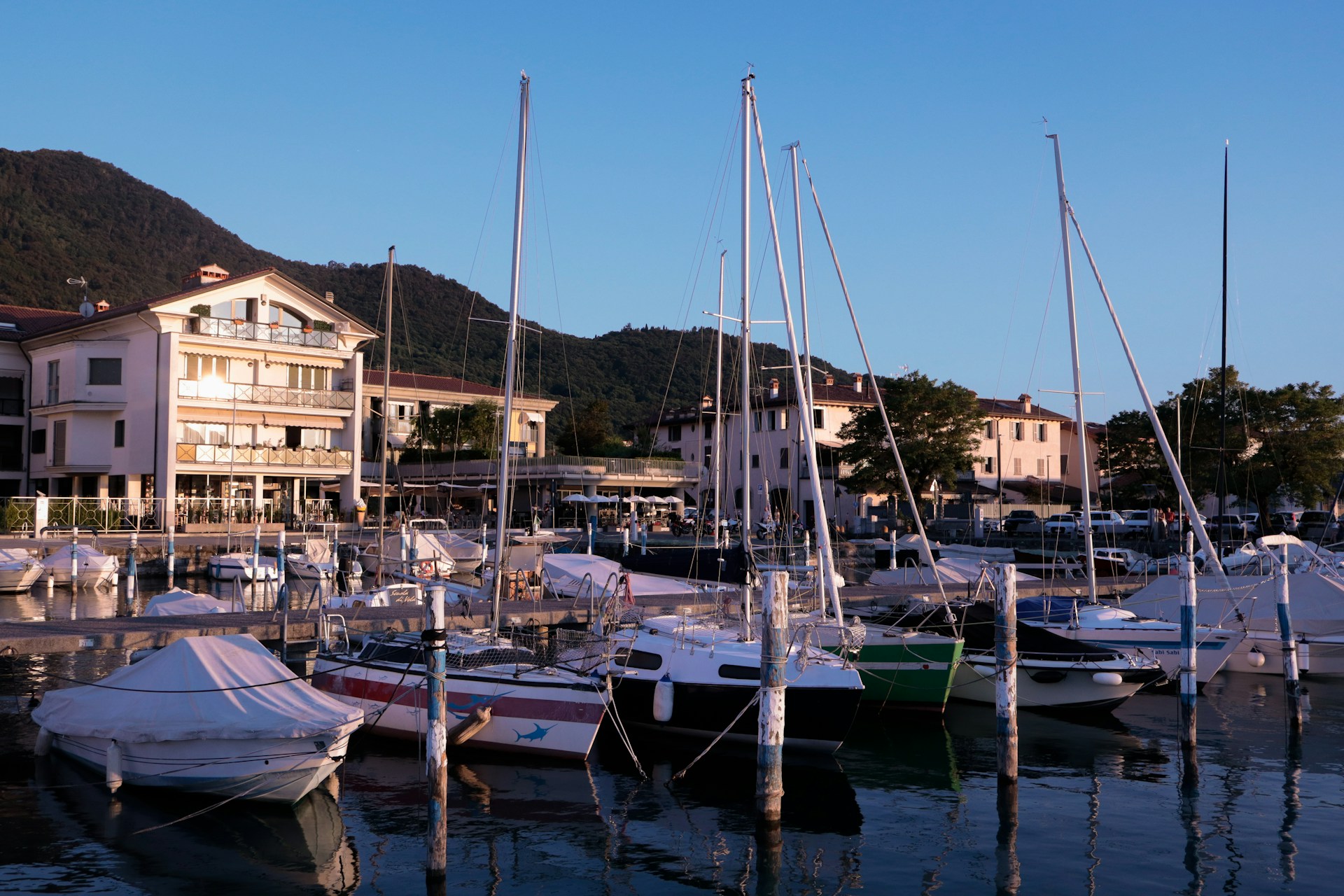
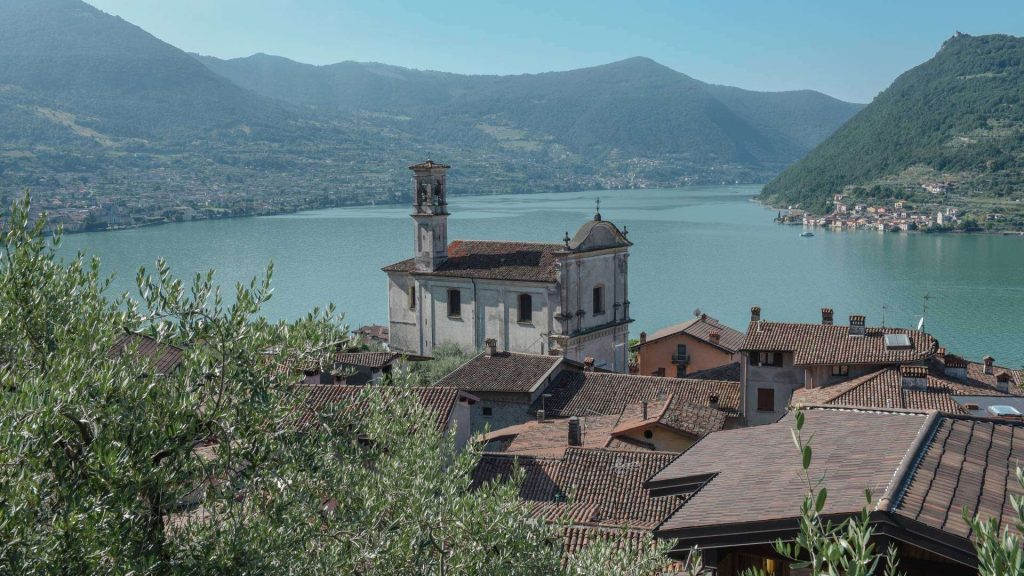
Lovere is located at the northern end of the west bank and is one of the most beautiful villages in Italy. The lakeside promenade, with its pastel-colored facades, is just the beginning; the real destination is the Galleria dell’Accademia Tadini. Count Luigi Tadini had the palace built—the inscription on the staircase dates it to 1826—and the collection has been open to the public since 1829.
At its heart are works by Antonio Canova, the Neoclassical sculptor who was a friend of Tadini's: the design Religion, the marble sculpture Stele Tadini and a selection of his engravings. Among the paintings, you’ll find works from the Venetian Renaissance by Jacopo Bellini and the brothers Antonio and Bartolomeo Vivarini, as well as works by Francesco Hayez and porcelain from Meissen, Sèvres, and Capodimonte.
Admission is €14; reduced admission is €10 for teens ages 14 to 18, guests age 65 and older, and students; children 13 and under are admitted free. On the first Sunday of the month, admission is €2. The gallery is currently open on Saturdays, Sundays, and holidays from 10 a.m. to 6:30 p.m., as well as on four special days during the holiday season: December 26 and 27, 2026, and January 2 and 3, 2027, from 10 a.m. to 6 p.m. each day. Starting March 20, 2027, the gallery will also be open Tuesdays through Fridays from 2:30 p.m. to 6:30 p.m.
6. Pisogne and Santa Maria della Neve
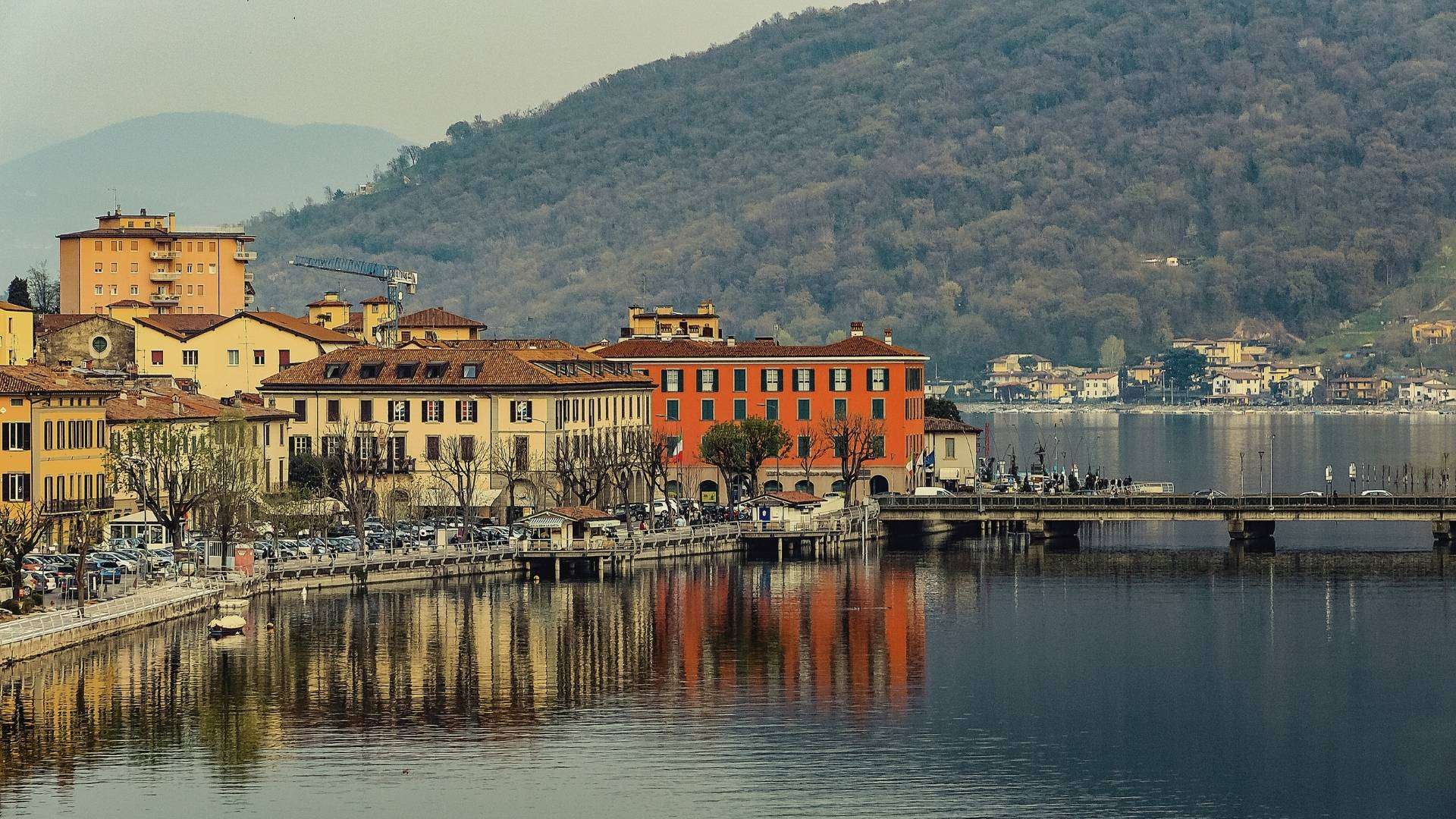
Pisogne is located on the northeastern shore, where the Valle Camonica begins. The town has a piazza right on the lake and is the endpoint of the old hiking trail along the eastern shore. Its treasure is the church Santa Maria della Neve, built between 1485 and 1508.
Inside, Girolamo Romanino, a Renaissance painter from Brescia, decorated the walls with a cycle of frescoes depicting the Incarnation and the Passion of Christ; the vault features depictions of prophets and sibyls. Visit Lake Iseo, the lake's tourism association, regularly announces guided tours of the church; be sure to check the schedule before your visit. In winter, boats run on weekdays between Pisogne and Lovere on the opposite shore.
7. Piramidi di Zone, Earth Pyramids Above the Lake
Above Marone, near the mountain village Zone, ...stand the Piramidi di Zone. About 150,000 years ago, the glacier from the Valle Camonica deposited moraine here—a mixture of clay, sand, and boulders. Rain washes away the soft underlying material; only where a boulder lies over it like an umbrella does a pillar remain standing. The boulders measure up to six meters, and the pillars reach heights of up to 30 meters. When the capstone falls, the pyramid crumbles until a lower-lying boulder forms its new peak.
The reserve has been in existence since 1984, covers about 21 hectares, and lies at an elevation between 400 and 600 meters. An easy loop trail of about one kilometer runs through it; it begins at the parking lot, which has an information center. Admission costs €2; tickets are available at the Chiosco delle Piramidi at the entrance or inside the Piramidi Hotel and Ice Cream Parlor at the 28 Via Sebino. The reserve is always open to the public, and guided tours are available.
8. Monte Isola, the Car-Free Island
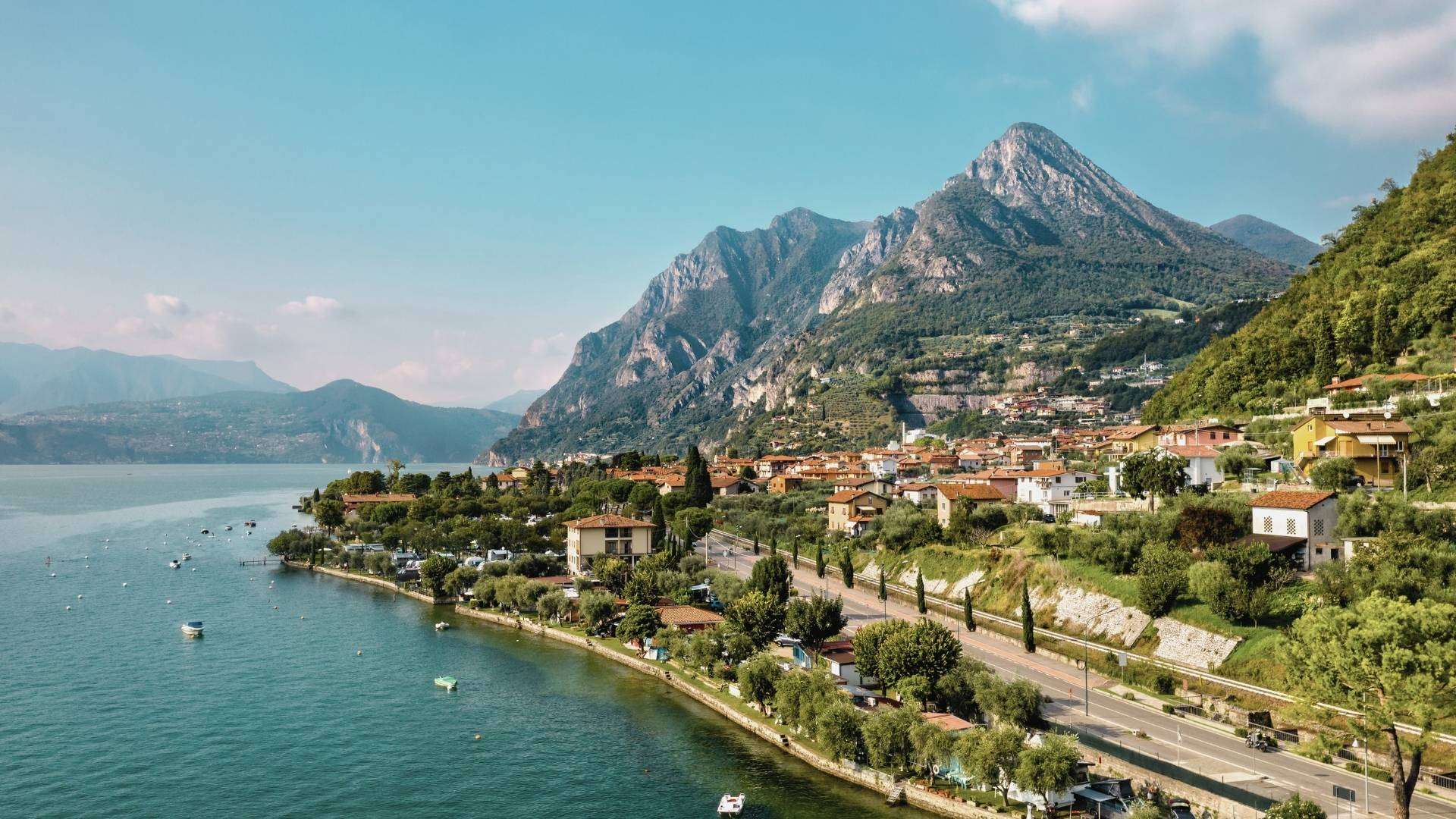
Monte Isola is the large inhabited island in the middle of the lake and a municipality in its own right, with its seat in Siviano. There are no visitors' cars; the ferries don't carry them. Most of the activity takes place Peschiera Maraglio, the fishing village across from Sulzano, plus Carzano and Siviano. The pilgrimage church stands at the summit Madonna della Ceriola. Two shuttles run around the clock: from Sulzano to Peschiera Maraglio and from Sale Marasino to Carzano.
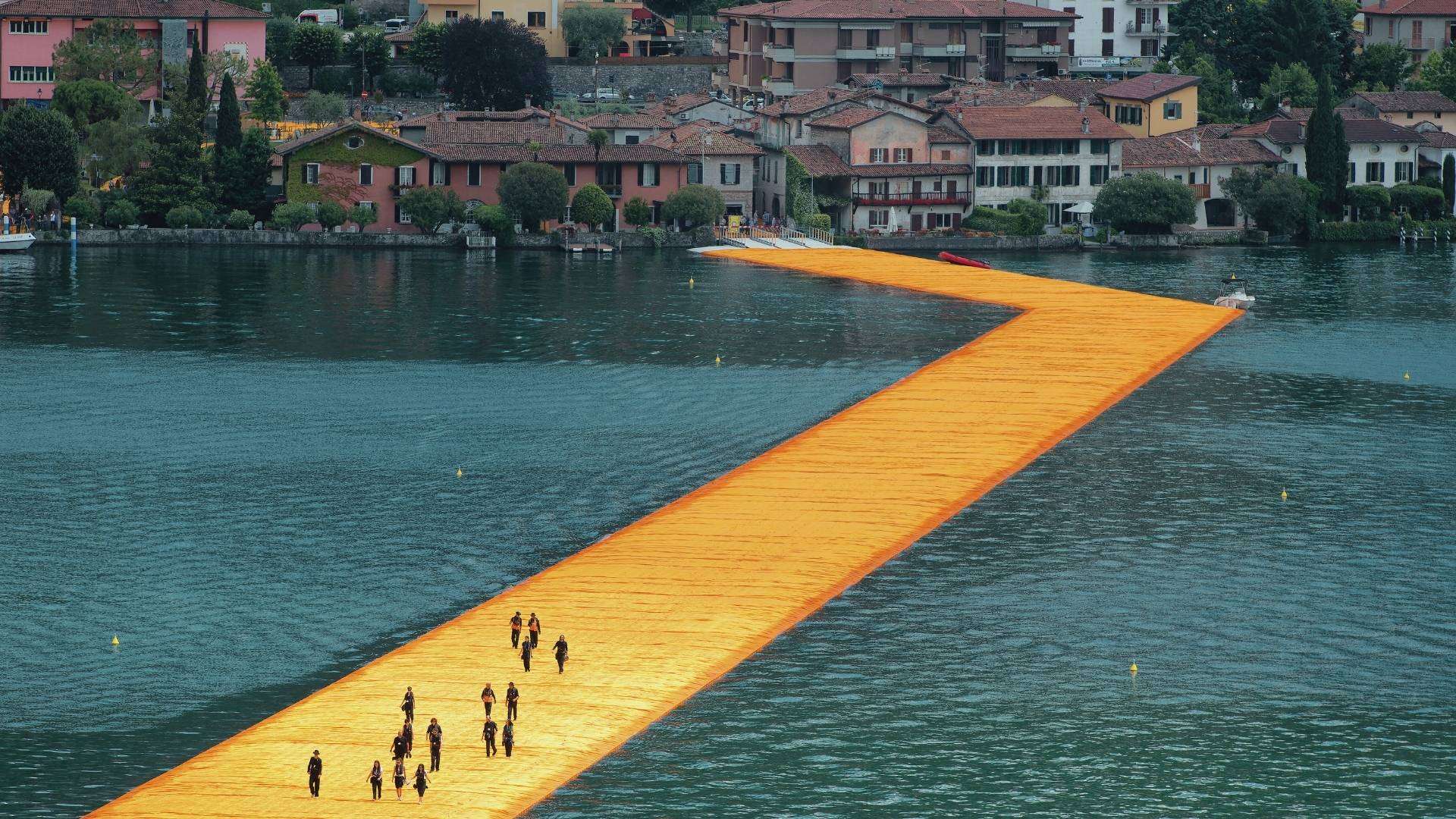
In 2016, the island was the site of the Floating Piers by the artist couple Christo and Jeanne-Claude. From June 18 to July 3, three-kilometer-long and 16-meter-wide floating walkways, covered in bright yellow fabric, stretched from Sulzano to Peschiera Maraglio and around Isola di San Paolo; admission was free and open to everyone. To find out how to explore the island on foot or by bike and which villages are worth visiting, read our article about Monte Isola.
How much does a day at Lake Iseo cost?
With a day pass for the boat, a side trip to Monte Isola, and a visit to the museum in Lovere, the total comes to just over 30 € per person: 16.50 € for the day pass, 1.50 € for the landing fee on the island, and 14 € for the Accademia Tadini. The nature reserves cost €2 to €3; admission is free for children at almost all of them.
Navigazione divides the lake into five zones: Zone A in the north, including Lovere, Pisogne, Castro, and Costa Volpino; Zone B, including Riva di Solto and Marone; Zone C, including Monte Isola, Sulzano, Sale Marasino, and Tavernola Bergamasca; Zone D, including Iseo and Predore; and Zone E, including Clusane and Sarnico. You pay based on the number of zones your trip covers; the departure zone counts as one. The ticket is valid for 60 minutes in one zone and an additional 30 minutes for each additional zone; stops along the way are permitted. Children under six ride for free; groups of 20 or more receive a 20% discount.
From Bergamo, the bus company offers a combined ticket valid through March 21, 2027 Arriva Italia and the ferry service: Take the E bus to Tavernola Bergamasca, then the ferry to Monte Isola and back; landing fee included.
How much do boat rides and admission to Lake Iseo cost?
| Offer | Price |
|---|---|
| Schiff, an area roughly from Sulzano to Monte Isola | 2,60 € |
| Boat, from Iseo to Lovere, four zones | 5,40 € |
| Boat, Sarnico to Lovere, five zones | 6,30 € |
| One-Day Boat Pass, All Zones | 16,50 € |
| Bicycle on Board | €2.60 per ride |
| Monte Isola Land Tax | €1.50 per person per day |
| Combined Ticket: Bus from Bergamo and Boat to Monte Isola | €14.50 · Monday through Saturday |
| Tadini Academy Gallery, Lovere | €14.00 · reduced rate €10.00 · free for children 13 and under |
| Torbiere del Sebino Nature Reserve | 3.00 € · Free for children 12 and under |
| Pyramids of Zone | 2,00 € |
As of October 2026 · Information provided by Navigazione Lago d’Iseo (2026/2027 winter schedule), Arriva Italia, Galleria dell’Accademia Tadini, Riserva Naturale Torbiere del Sebino, and the Municipality of Zone.
The lakeside promenades, the historic centers of Iseo, Lovere, and Pisogne, and the hiking trails overlooking the lake are free.
Monte Isola: 7 Highlights, Ferry, Prices, and How to Get There
A five-minute ferry ride, and the mainland is left behind: an island without cars, fishing villages along the shore, and a pilgrimage church at the summit. What you should see on Monte Isola, what...
Where can you swim in Lake Iseo?
Swimming at Lake Iseo is permitted only at designated swimming areas. The Lombardy region tests water quality at least once a month during the swimming season, from May through September. If a sample exceeds the limit values, a temporary swimming ban is imposed at that location. In 2026, no location on Lake Iseo will have a Blue Flag—the international environmental certification for swimming areas—and all Lombardy swimming areas with this certification are located on Lake Garda.
The most convenient place to go swimming is the Sporting Lido Sassabanek in Iseo, just a few hundred meters from the old town. It features swimming pools, including one for children, as well as a picnic area, a playground, fields for soccer, basketball, volleyball, and tennis, a small marina, and a bar and restaurant. At the waterfront, you can rent canoes, windsurf boards, pedal boats, and SUP boards; a sports club offers lessons in swimming, windsurfing, canoeing, and sailing.
Even more spectacular is the Bogn di Zorzino, a rocky gorge by the lake near Riva di Solto on the western shore. Vertical rock faces drop straight down into the lake here; the old lakeside road from 1910 is closed to cars, and there’s a small beach at its end. Jumping into the lake from the road, as some people do in the summer, is dangerous—so don’t do it.
According to Visit Lake Iseo, the area at Bogn is currently closed due to renovation work. Before your trip, check with the tourism office to see if it’s open again.
Hiking and Biking Above Lake Iseo
The best-known way is the Antica Strada Valeriana, for thousands of years the most important land route into the Valle Camonica, today a hiking trail CAI 291 marked by the Italian Alpine Club. It runs above the eastern shore of Pilzone d'Iseo, a district of Iseo, through Sulzano, Sale Marasino, and Marone to Pisogne—sometimes on dirt roads and trails, sometimes on quiet side roads, often winding through dry stone walls, and always with a view of the lake.
It's an easy walk up to Marone. After that, the trail climbs past the hamlets Vesto, Pregasso and Colpiano It heads toward Zone, past the earthen pyramids, and then descends toward Pisogne. At junctions, signs and a yellow-brown “V” mark the way. Since the railroad line runs along the riverbank below, you can easily take the train back after each stage. If you’d rather start in Brescia, the tourism office offers an alternative route via Cellatica, Gussago, and Rodengo Saiano through Franciacorta, covering two stages to Pilzone. Signage there is still sparse, so be sure to bring the GPS track with you.
For cyclists, there is a route between Vello and Toline, two neighborhoods on the northeast bank, have their own bike and walking path. You can take your bike on the trains from Trenord, the Lombardy regional railway, you can bring one bicycle for free within Lombardy on the designated trains, with a limit of one per person. On the ferry, it costs €2.60 per trip. On Monte Isola, a ban on bringing your own bicycles was most recently in effect on Sundays in July and September, as well as on holidays and the days before holidays in August; bicycles rented on the island were exempt.
How do you get to Lake Iseo?
The nearest airport is Bergamo Orio al Serio, 30 to 40 kilometers from the lake. From there, take the bus to Bergamo or Brescia and transfer. Milan-Linate is about 80 kilometers away, and Verona is about 95 kilometers away.
You can take the train from Brescia on the line RE3 Brescia–Iseo–Edolo, a Trenord RegioExpress, to Iseo in about half an hour. The journey continues along the eastern shore with stops in Pilzone, Sulzano, Sale Marasino, Marone, Vello, Toline, and Pisogne. In Sulzano, you’ll transfer to the shuttle to Monte Isola.
From Bergamo, Arriva’s Bus Line E runs to Tavernola Bergamasca on the west shore. The combined ticket for €14.50 includes the bus ride along the entire route, a round-trip boat ride to Monte Isola, and the landing fee. It is valid Monday through Saturday until March 21, 2027, and is available only through the Arriva MyPay app; children under six ride for free.
By car, you can reach the lake via the A4 highway between Milan and Venice. Coming from Milan, take the Palazzolo sull’Oglio exit for Sarnico and continue on the SP469; for Iseo, take the Rovato exit and follow the SP XI. Coming from Venice, exit at Brescia Ovest and follow the SP11 toward Lago d’Iseo, then take the SP510 to Iseo. The SP510 continues along the eastern shore to Pisogne, while the SP469 runs along the western shore via Riva di Solto to Lovere.
What should you try at Lake Iseo?
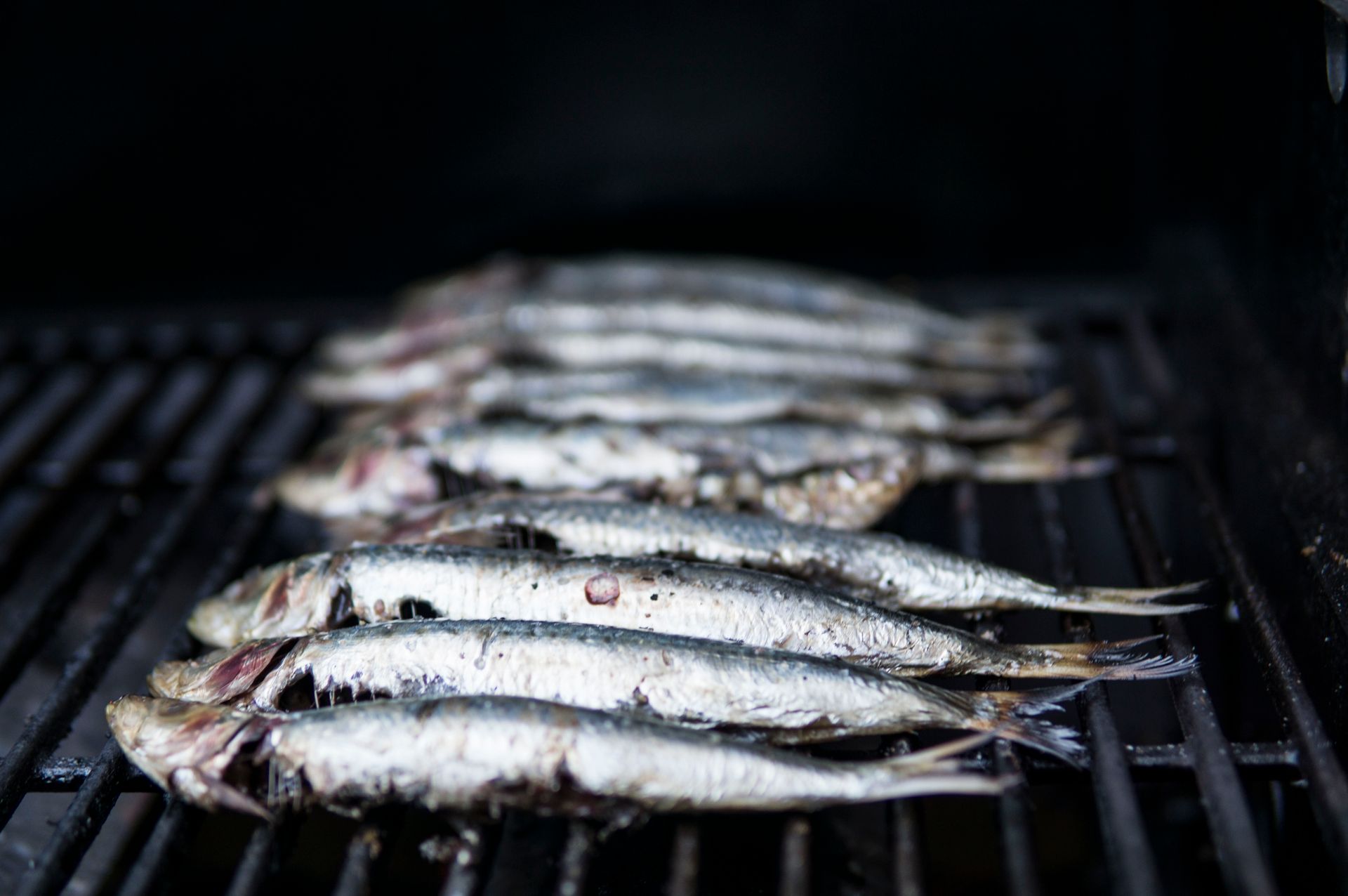
The cuisine by the lake is based on fish and olive oil. In Clusane, you can enjoy the Baked Tinca with Polenta, the baked tench with polenta. On Monte Isola, the fishermen dry the agone, a freshwater fish from the herring family, prepared in the traditional way: It is caught from December through March, then salted for 48 hours, dried for about a month, pressed, and marinated in oil for at least four months. Slow Food has recognized this dried sardine designated as a Presidio-protected product, as a traditional product at risk of disappearing.
Also from the island is the Monte Isola salami, which is produced in January and February, smoked in stone cellars, and aged for 30 days. Olives grow on the slopes above the lake, and at the end of November, Marone celebrates the New Olive Oil Festival, the Festival of the New Oil, featuring a market along the waterfront promenade. The Marone Pro Loco serves a sardinata, a meal featuring sardines from the lake.
The following dishes originate from the cuisines of Bergamo and Brescia: casoncelli, stuffed dumplings, for which Castro dedicated a separate sagra dedicated to a traditional dish, a folk festival celebrating that dish, which will take place for the 24th time in 2026. This includes a glass of Franciacorta, the sparkling wine from the wine-growing region south of the lake, which you can enjoy at one of the Italy's Wine Routes try it right at the winery.
Where's the best place to eat at Lake Iseo?
Three restaurants on three different shores: one in Iseo, one high above the western shore, and a trattoria on the island. The guide recommends two of them: Michelin Guide, the Italian Michelin Guide.
| Restaurant | Here's what you can expect |
|---|---|
| Radicì Iseo, Via Mirolte 53 | Recommended by the Michelin Guide. Contemporary regional cuisine featuring fish from the lake; the restaurant’s name reflects the chef’s roots in Iseo. |
| Miranda Riva di Solto, Via Cornello 8 | Recommended by the Michelin Guide. Modern cuisine in a spectacular location overlooking the western shore, with lake views from the dining room and the terrace. Part of the hotel of the same name. |
| La Foresta Monte Isola, 174 Via Peschiera Maraglio | A family-run business in Peschiera Maraglio since 1974, offering guest rooms in the house. Ideal for dinner after a day on the island. |
The next edition of the Michelin Guide will be published in November. For Monte Isola, here’s what you need to know: After the last ferry, the shuttle from Peschiera Maraglio will take you back to Sulzano 24 hours a day.
Where's the best place to stay at Lake Iseo?
For a few nights by the lake, you can choose between the east shore—with train and shuttle service to the island—Iseo, where everything is within easy reach, and the quieter, steeper west shore.
| Accommodations | Here's what you can expect |
|---|---|
| Hotel Rivalago Sulzano, 7 Via Cadorna | A four-star hotel in a small town on the eastern shore, with Provençal-style rooms and the La Veranda restaurant just a few steps from the water. A shuttle runs from the dock in Sulzano to Monte Isola. |
| Iseolago Hotel Iseo, Via Colombera 2 | A hotel with a flower garden and the L’Alzavola restaurant, plus three conference rooms that can accommodate up to 230 people in total. A great base for exploring the train, boat, and the Torbiere. |
| Miranda Hotel & Restaurant Riva di Solto, Via Cornello 8 | 24 renovated rooms, a seasonal outdoor pool with a sun deck and a view of the lake, and the on-site Miranda Restaurant. |
Accommodations on Lake Iseo
When is the best time to visit Lake Iseo?
The best time to go swimming is between May and September; during this period, the region monitors the swimming areas. Spring and fall are the best times for hiking along the Via Valeriana, and the peat bogs are open year-round anyway.
In the winter schedule from October 12, 2026, to March 21, 2027, Navigazione will focus on Monte Isola. Shuttles to the island will continue to run around the clock; service is suspended only on December 25. Navigazione offers the long trip from Iseo to Lovere as a separate excursion; it is not included in the winter schedule. Spring is a great time for art lovers: Starting March 20, 2027, the Accademia Tadini will also be open on weekdays.
Our tool shows you the current readings and the trend for the next few days for Iseo and Franciacorta Weather in Brescia.
What festivals should you plan to attend at Lake Iseo?
In July, Clusane celebrates the "baked tench" for a week, with fireworks on Sunday evening. On Monte Isola, the residents of Carzano decorate their village every five years in September for the Feast of the Holy Cross Featuring over 200,000 paper flowers, a vow made during a cholera epidemic.
At the end of November, Marone hosts the Festa dell’Olio Novello. In 2025, the event took place for the tenth time on November 29 and 30, featuring a market along the waterfront, regional products to sample, and a visit to the Capitanio, a historic motorboat from 1926. Plan to spend more time there on holidays, and it's best to take the train.
What You Should Know About Lake Iseo
1. Not every route runs in the winter. Between October and March, service is primarily to Monte Isola. During this time, the best way to reach the northern end is to take the train to Pisogne; from there, a boat departs for Lovere on weekdays.
2. The landing fee is not included in the fare. If you get off at Monte Isola, you'll pay an additional €1.50 per day. It's already included in the combination ticket from Bergamo.
3. The Accademia Tadini is currently open only on weekends. Plan your visit to Lovere for a Saturday or Sunday. On the first Sunday of the month, admission is only 2 €.
4. The vending machines at the gate entrances do not give change. In Iseo and Corte Franca, you can only pay by card. You can also buy tickets at the Trattoria Fontanì at the reservation and at the restaurant Il Viandante Franciacorta at the Provaglio d’Iseo train station.
5. Dogs can ride along, but not without their gear. On the ships, your dog must travel in a closed crate or on a leash with a muzzle. If you don't have one with you, the crew sells them for €4.50.
Who should visit Lake Iseo?
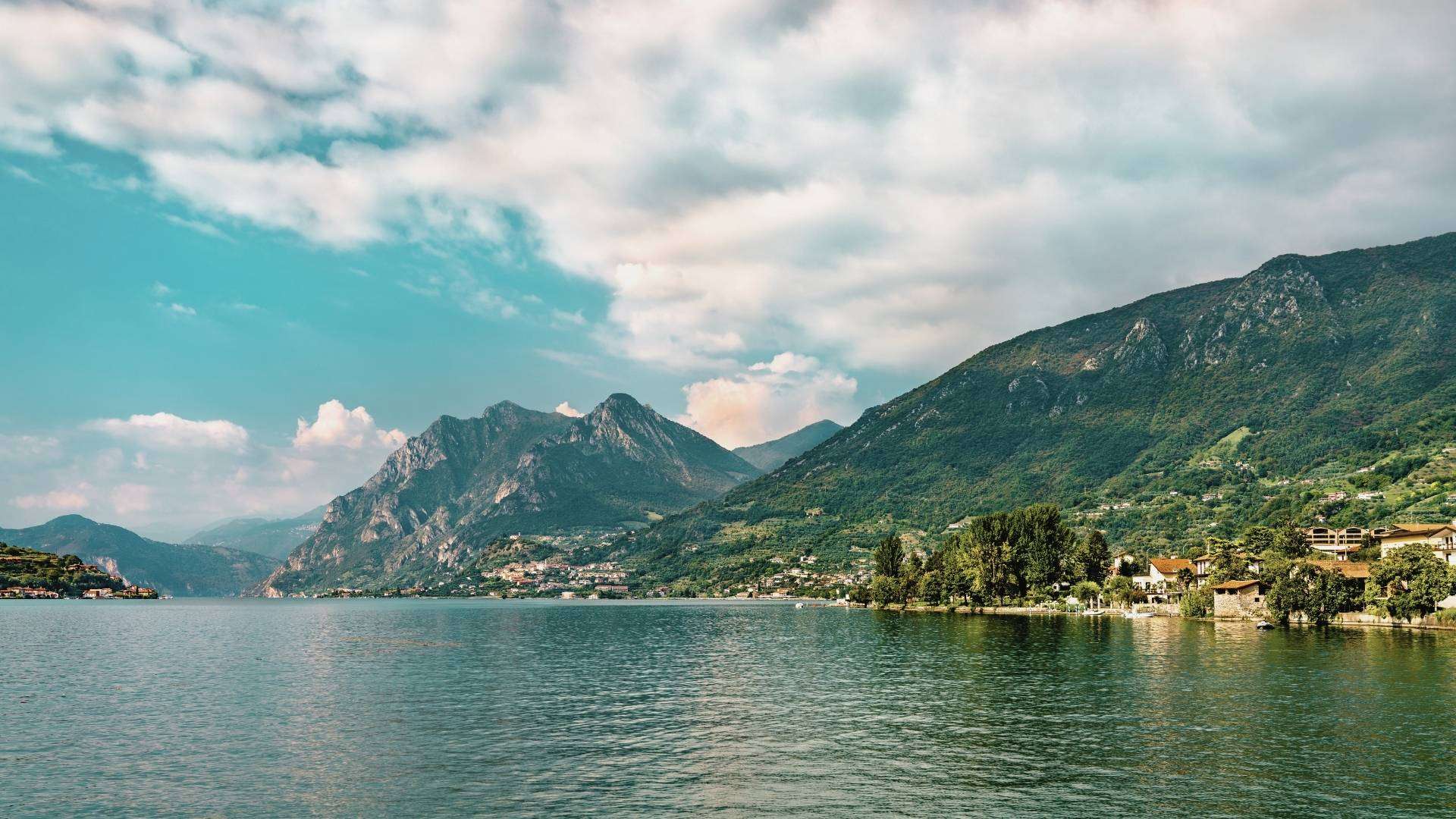
For travelers without a car. A train on the eastern shore, boats across the lake, and a combined ticket from Bergamo: You can easily explore Lake Iseo without a car.
For families. Children under six ride the boat for free; those up to age 12 get in free at the Torbiere, and those up to age 13 get in free at the Accademia Tadini. The walking trail around the earth pyramids is short, and there is a children’s pool at Lido Sassabanek.
For art lovers. Canova in Lovere, Romanino in Pisogne, and the Art Nouveau villas of Sarnico: three art destinations on one lake.
For hikers. The Via Valeriana runs along the eastern bank from village to village, with the train providing the return trip.
For couples. Have dinner on Monte Isola in the evening and take the shuttle back when the lights come on along the shore. You can find an overview of all the destinations in the region in our Lombardy Travel Guide.

Lombardy Travel Guide
Lombardy Travel Guide: The Most Beautiful Places from Milan to Lake Como, Best Time to Visit, How to Get There, and Accommodations—an overview of all Lombardy articles from italien.news.
Combine a visit to Lake Iseo with Brescia, Franciacorta, and Bergamo
Brescia is located about 25 kilometers southeast of Iseo and can be reached by train in about half an hour. The city offers the Vittoria Alata, the Roman bronze statue of the winged goddess of victory, and a castle overlooking the old town. You can read all about it in our article on the Sights in Brescia.
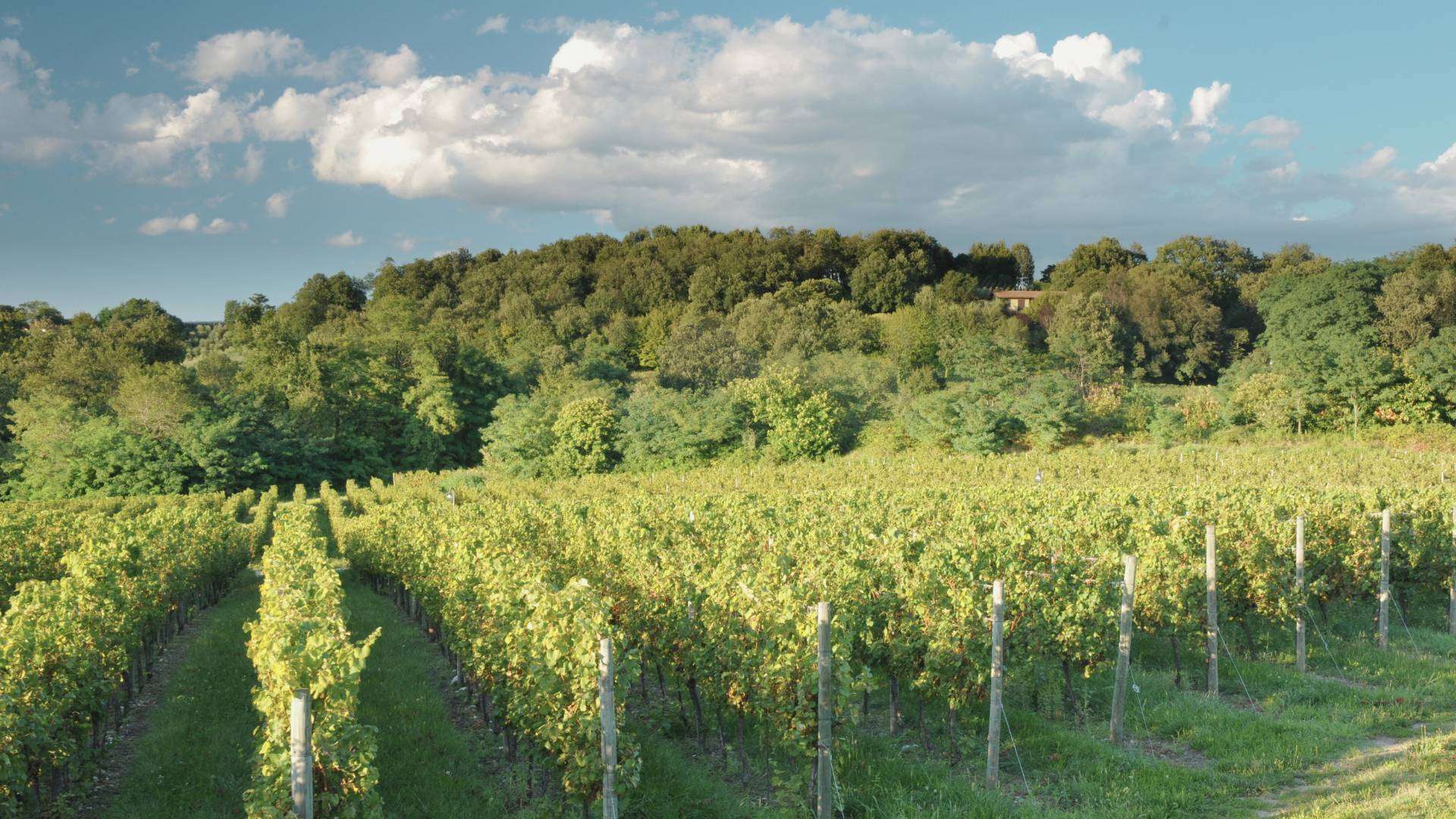
Franciacorta begins just south of the lake. Nestled among the vineyards are wineries that offer tastings, and near Corte Franca, the Franciacorta Golf Club a 27-hole course designed by U.S. golf architect Pete Dye. The Torbiere serves as a natural transition from the lake to the wine country.
Bergamo is located about 30 kilometers west of Sarnico. If you don't have a car, take the E bus to Tavernola Bergamasca and from there take the boat to Monte Isola.
Brescia Attractions: 7 Highlights & Tips
Brescia's Highlights, from the Vittoria Alata to the Castello—with verified admission prices, opening hours, and directions through the restricted-traffic zone.
The Last Hour Before Sunset in the Torbiere
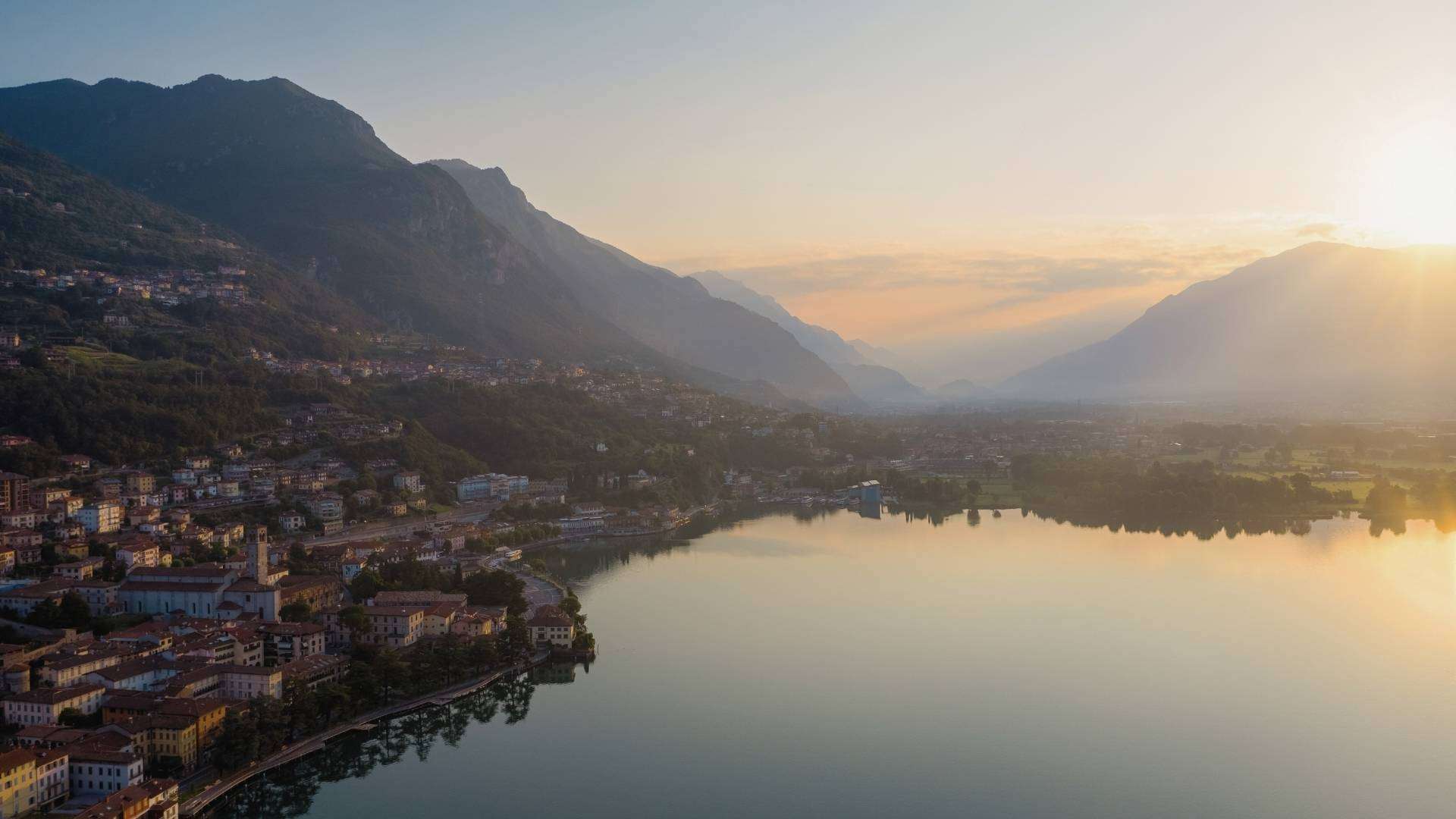
The Torbiere closes at sunset, and the hour right before that is the most beautiful. Start at the entrance near the San Pietro in Lamosa Monastery in Provaglio d’Iseo, where the ticket machine accepts coins and contactless cards.
Then you'll follow the paths into the Lame, the tranquil inner pools. When the light falls low over the reeds, everything grows quiet, and with a little luck, you'll see waterfowl gathering for the night.
Be sure to bring sturdy shoes and mosquito repellent. Afterward, it's just a few minutes' walk back to Iseo for dinner, along the waterfront promenade.
Our conclusion: Lake Iseo rewards those who take their time
Lake Iseo is smaller and quieter than its famous neighbors, and that’s exactly what makes it special. An inhabited island with no cars, an art museum featuring works by Canova, Renaissance frescoes, a marsh, and earthen pyramids are all so close together that you can see them all in two or three days by train and boat.
The cost is also reasonable: A day pass for €16.50 lets you travel across the entire lake, admission to the nature reserves costs €2 to €3, and children get in free almost everywhere.
It's best to start on the island. Take the shuttle from Sulzano to Peschiera Maraglio and plan your day with our article about Monte Isola.
Map: Lake Iseo, Lombardy
Photo Gallery: Lake Iseo
FAQ - Frequently Asked Questions About Lake Iseo
Experiences & sights
Prices, hours of operation, event dates, and schedules are subject to change. Check the official websites for the latest information before your trip.
Sources and Further Information
- Iseo Lake Navigation: Ticket and Pass Prices (accessed in October 2026)
- Lake Iseo Ferry Schedule: Winter 2026/2027 (PDF) (accessed in October 2026)
- Iseo Lake Boat Tours: Combined Bus + Boat Ticket (accessed in October 2026)
- Tadini Academy Gallery: Information, Hours, and Tickets (accessed in October 2026)
- Tadini Academy Gallery: The Collection (accessed in October 2026)
- Torbiere del Sebino Nature Reserve: Hours and Admission Fees (accessed in October 2026)
- Torbiere del Sebino Nature Reserve: Nature Reserve (accessed in October 2026)
- Torbiere del Sebino Nature Reserve: History (accessed in October 2026)
- Municipality of Zone: Regional Reserve of the Erosion Pyramids (accessed in October 2026)
- Visit Lake Iseo: Antica Strada Valeriana (accessed in October 2026)
- Visit Lake Iseo: Sassabanek Sports Beach (accessed in October 2026)
- Visit Lake Iseo: A Trail to Discover Bogn (accessed in October 2026)
- Visit Lake Iseo: Festa dell’Olio Novello 2025 (accessed in October 2026)
- Lombardy Region: Bathing Water Quality (accessed in October 2026)
- The Most Beautiful Villages in Italy: Lombardy (accessed in October 2026)
- Brescia Tourism: Baked Tench Week, Clusane (accessed in October 2026)
- Trenord: Bike Transport (accessed in October 2026)