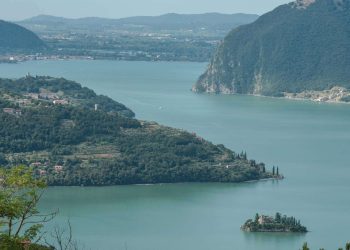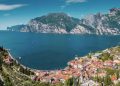
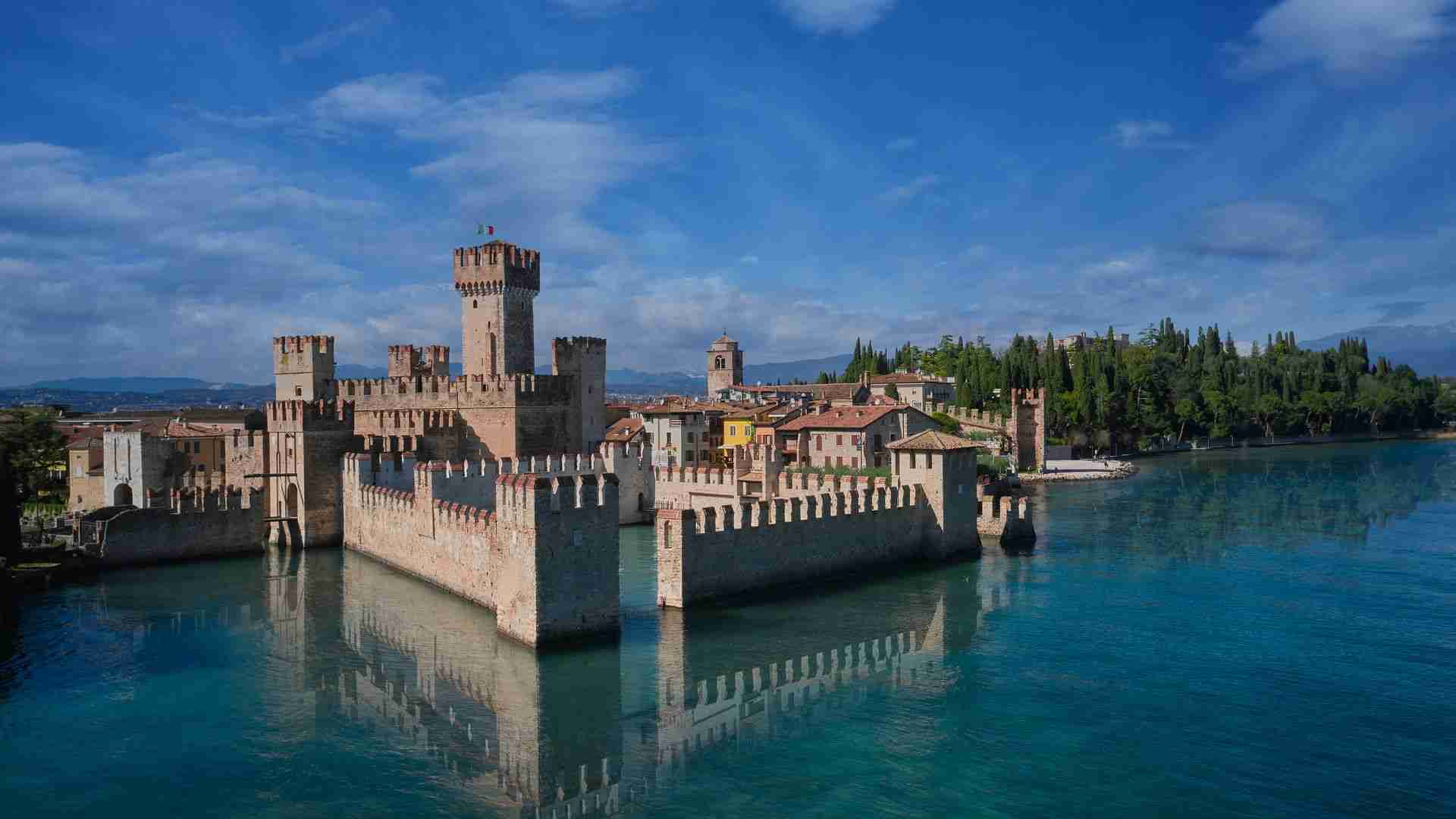
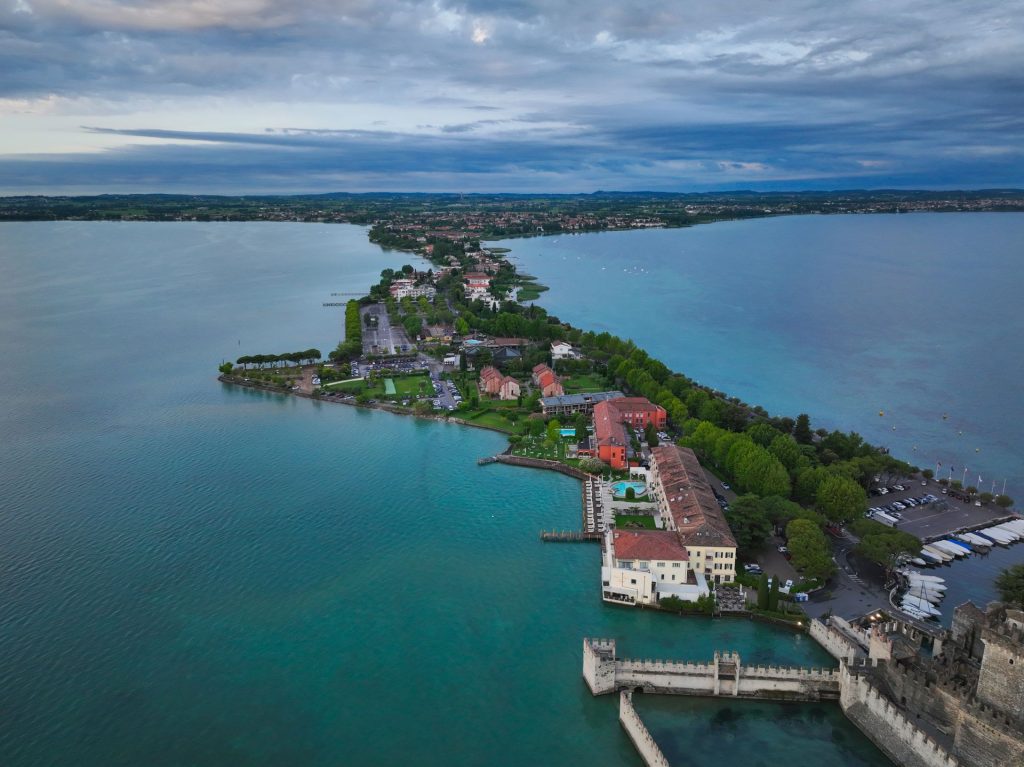
Sirmione – As you cross the drawbridge into the old town, you’ll find water on both sides below you and a castle above you. The peninsula juts four kilometers into Lake Garda from the southern shore, and at its tip lies the largest Roman villa complex in northern Italy. Admission to the Catullus's Grottoes costs €8.00, which Castello Scaligero €10.00; both are closed on Mondays. Sirmione’s main attractions are so close together that you can see them all on foot in a single day—provided you’ve parked your car there in time.
This guide tells you how much the five must-see attractions cost, how to get to the Old Town without getting a ticket, where to go for a swim in the lake, and when the crowds thin out on that one narrow street that everyone has to pass through.
Sirmione is part of the province of Brescia and thus belongs to Lombardy, although the eastern shore across the lake is already part of Veneto. The peninsula is home to two state museums, a thermal spa, and seven beaches, as well as the vineyards on the plain behind it. The following figures come from the historic preservation authority, the municipality, and the operators themselves.
Sirmione by the Numbers
Two admission prices, one day the spa is closed, and a spring that rises from the bottom of the lake at 69 °C—that’s all you need to know to plan your visit.
As of September 2026 · Information provided by the Direzione regionale Musei Lombardia, the Comune di Sirmione, Terme di Sirmione, and the municipality’s tourism website.
- Lovers of Roman History and Castles
- Swimmers looking for clear water
- Spa guests
- Day-trippers from Verona and Milan
- Beach vacationers
- Anyone who wants to drive right up to their front door
- Families with strollers on cobblestone streets
- Those Seeking Peace and Quiet in August
How much do the attractions in Sirmione cost?
Admission to the two state-run theaters costs between €8.00 and €10.00; admission to the thermal baths starts at €25.00 for two hours. Parking is more expensive than any of the tickets during the summer: it costs €28.00 per day in the lot in front of the peninsula.
What You'll Pay in Sirmione
| Offer | Price |
|---|---|
| Catullo Grottoes with the Archaeological Museum | 8.00 € · reduced price 2.00 € |
| Castello Scaligero with Mastio | 10.00 € · reduced rate 2.00 € |
| Combined Ticket for the Grotto, Castello, and Villa Romana in Desenzano | €14.00 to €20.00 · reduced price starting at €6.00 |
| Garda Heritage Annual Pass | €20.00 to €21.00 |
| Hot springs, two hours | 25,00 € |
| Hot springs, five hours | €44.00 Mon–Thu · €58.00 Fri–Sun |
| Thermal Spa, Full Day | 86,00 € |
| Thermal Bath, Junior (ages 30 months to 11 years) | 28.00 € for five hours |
| Monte Baldo Parking Lot, Peak Season | €3.50 per hour · €28.00 per day |
| Monte Baldo Parking Lot, off-season weekdays | €1.00 per hour · €6.00 per day |
As of September 2026 · Prices according to the Lombardy Regional Museum Authority, Terme di Sirmione, and SirmioPark.
Admission to the grotto and castle is free if you’re under 18; the same applies to school groups and their teachers. If you’re between 18 and 25, you’ll pay €2.00 for admission to both sites. The official websites list two different prices for the combined ticket for the three Lake Garda museums—ask at the ticket office which price is currently valid before you buy two individual tickets.
Peschiera del Garda Attractions: 6 Highlights & Tips
The Venetian fortress in Peschiera del Garda has been a UNESCO World Heritage Site since 2017 and has no admission fee—six highlights on the southern shore of Lake Garda, including 2026 prices, travel information, and honest tips.
What are the 5 must-see attractions in Sirmione?
Four of them are located on the peninsula; the fifth stretches around it. The order listed below is also the most logical route: from the tip back to the gate, and then into the water.
1. Grotte di Catullo – the Roman villa at the tip
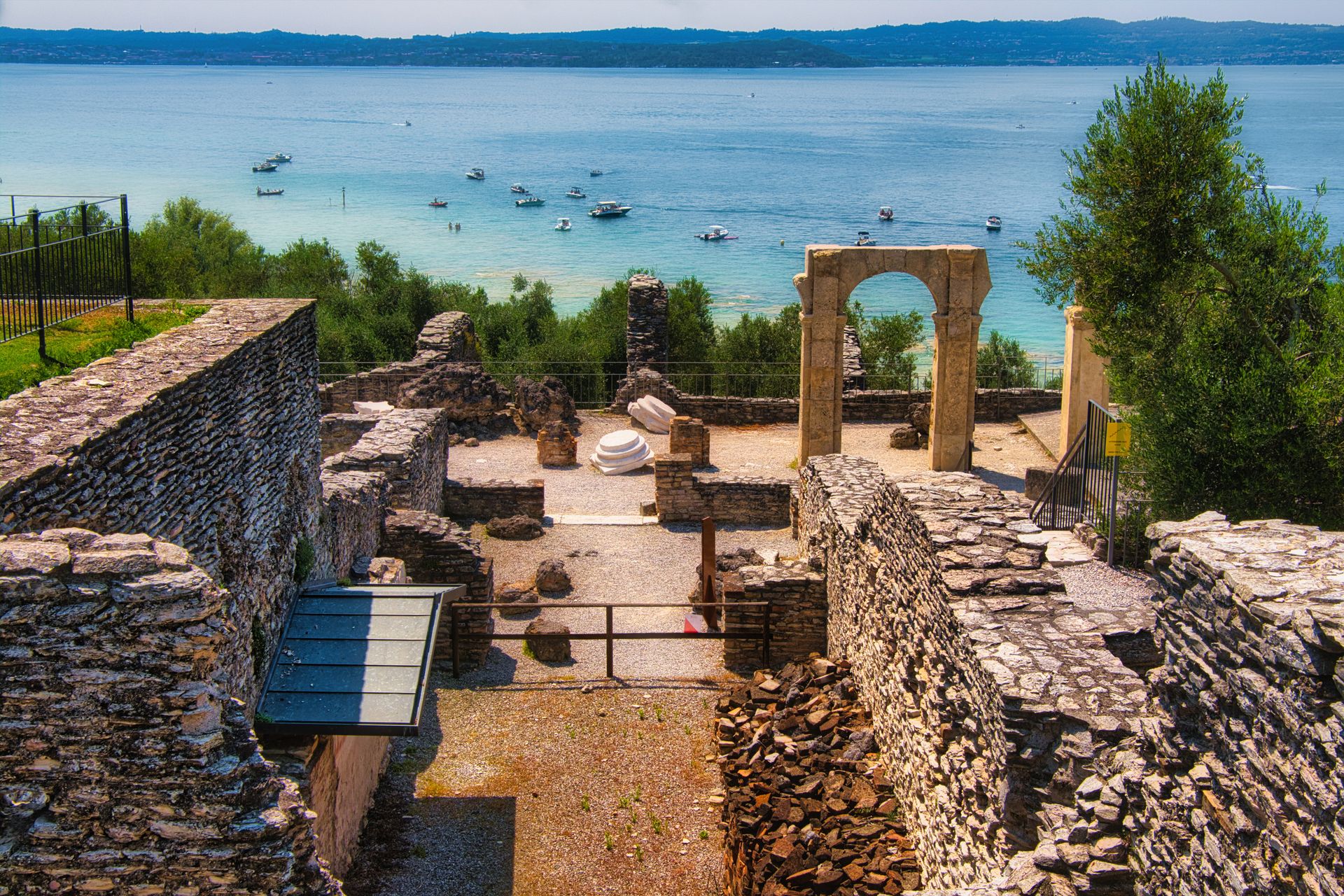
The Catullus's Grottoes, the ruins of a Roman villa at the very northern tip of the peninsula, are not a cave system. They were given this name in the 15th century by travelers who mistook the overgrown vaults for grottoes. The complex covered about two hectares and was laid out in a rectangular plan, with a colonnaded garden in the center and a viewing terrace facing north.
The foundations, the cistern, and two items that every visitor takes home with them have been preserved: the Grande Criptoportico, a two-aisled underground passageway with three niches for fountains and statues, and the Hall of the Giants, the Hall of the Giants. The museum next to it opened in 1999 and displays mosaics, fragments of frescoes and stucco, as well as architectural elements from the Lombard monastery San Salvatore.
Good to know: The Poet Gaius Valerius Catullus This villa never belonged to him. He died around 54 B.C.; it wasn't built until later, during the Augustan period. The historic preservation authority suspects that the Valeria Gens from Verona as the builders. The attribution is a legend—but the view from the terrace across half the lake is not.
It is open Tuesday through Saturday from 8:30 a.m. to 5:00 p.m., and on Sundays only until 2:00 p.m.; last admission is 40 minutes before closing. It is closed on Mondays, as well as on January 1 and December 25.
2. Castello Scaligero – the moated castle in front of the town gate
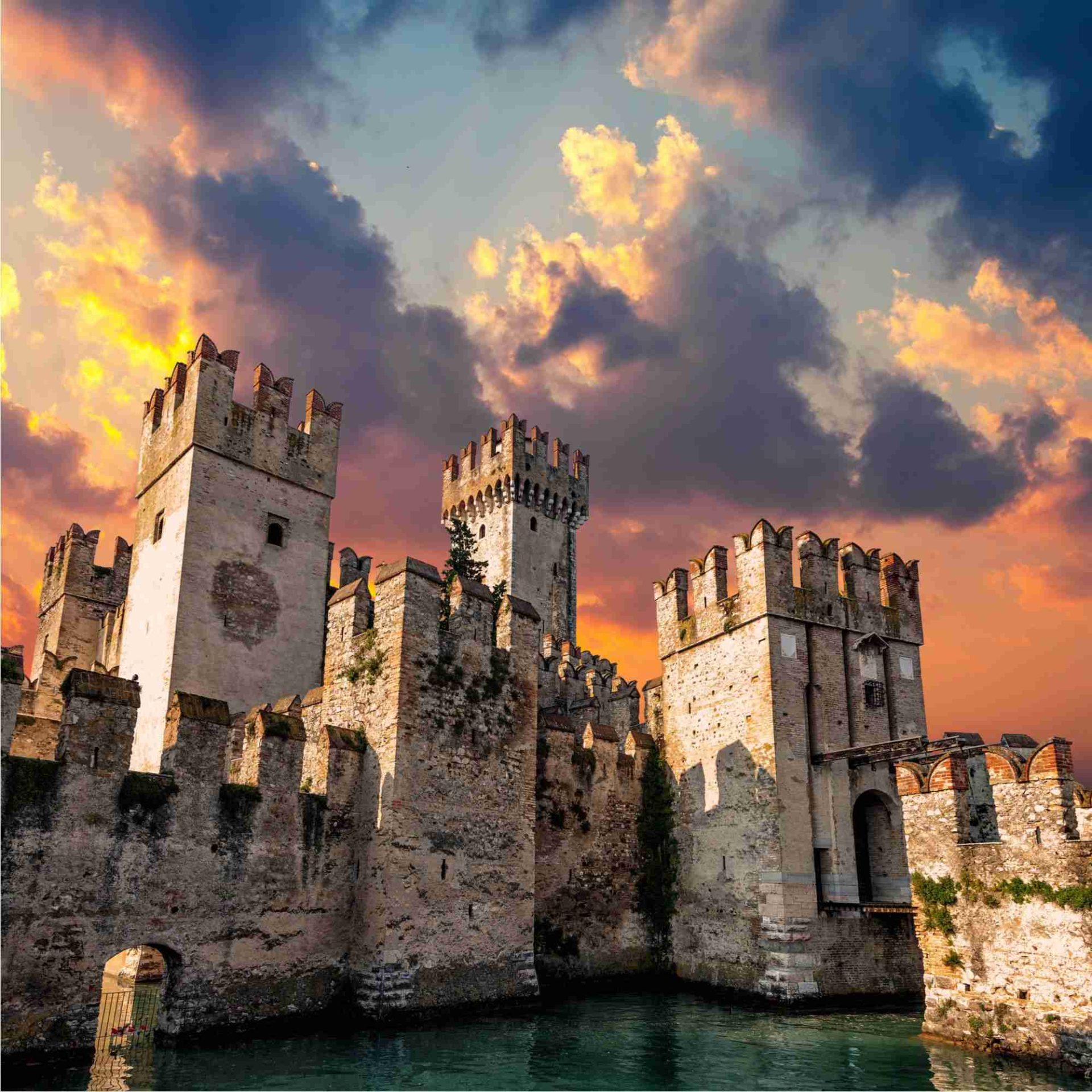
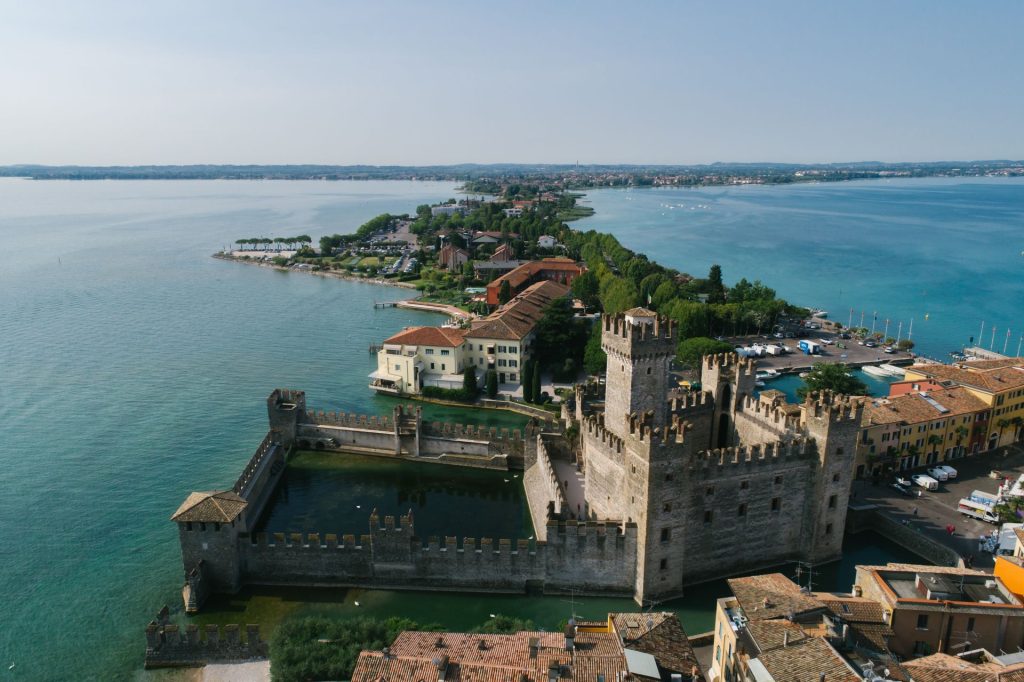
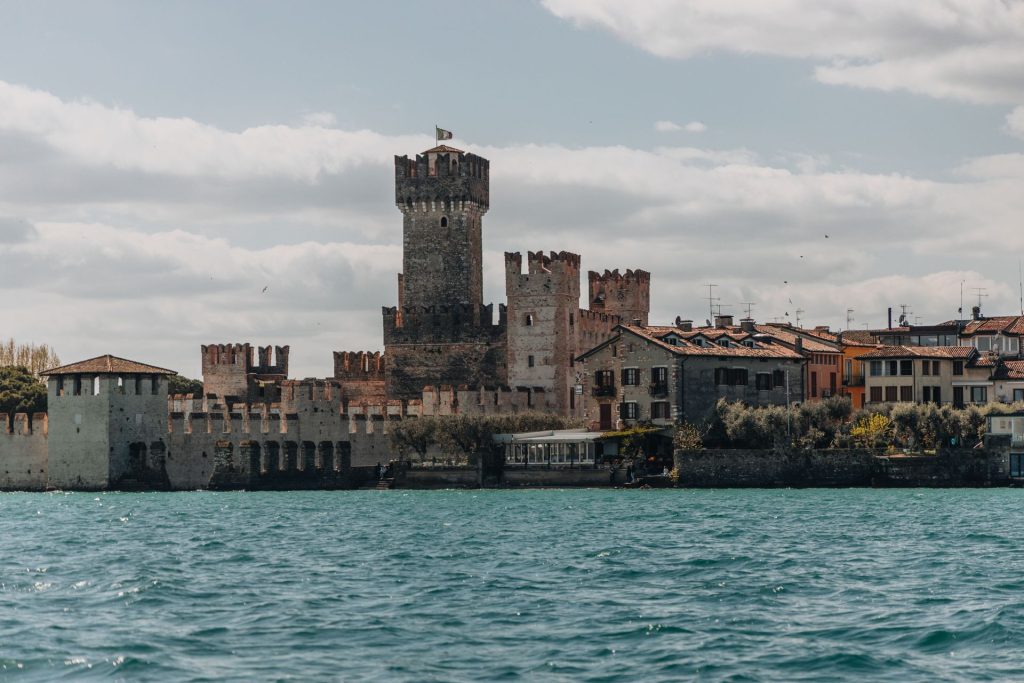
The Castello Scaligero It stands in the water in such a way that you can only enter the Old Town by crossing its bridge. It was built after the mid-14th century; its architectural features point to the period of Cansignorio and Antonio II della Scala, that is, from about 1360 to 1380. The della Scala, usually known in German as the Scaliger family, ruled Verona and its surrounding region from 1259 to 1387.
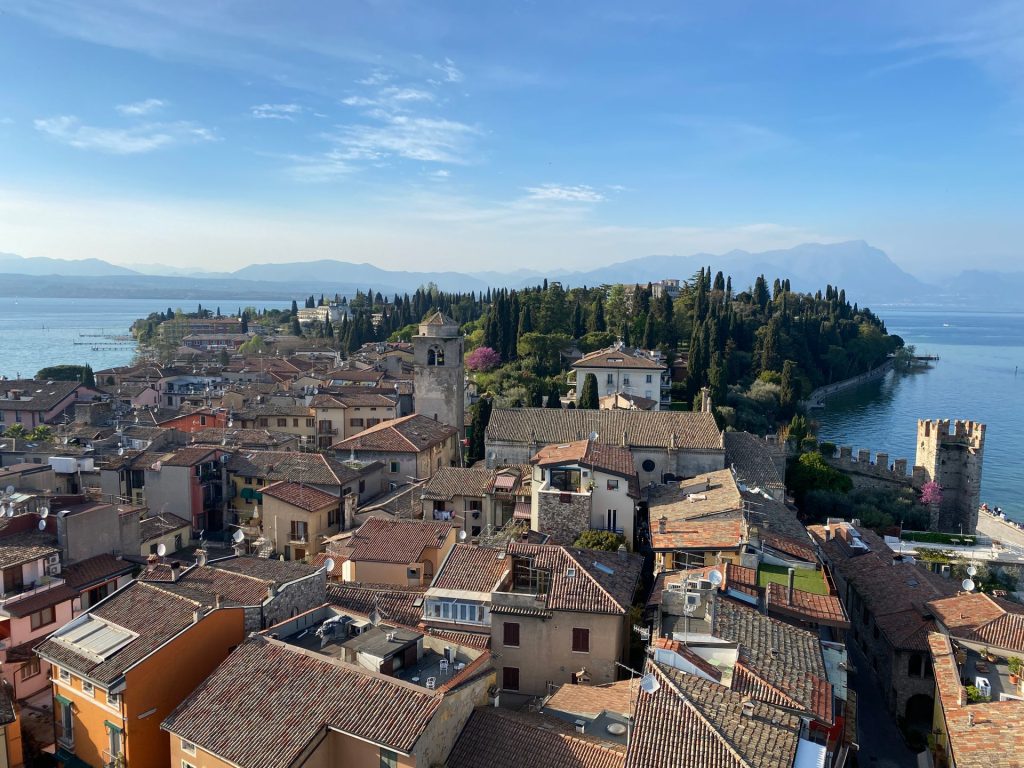
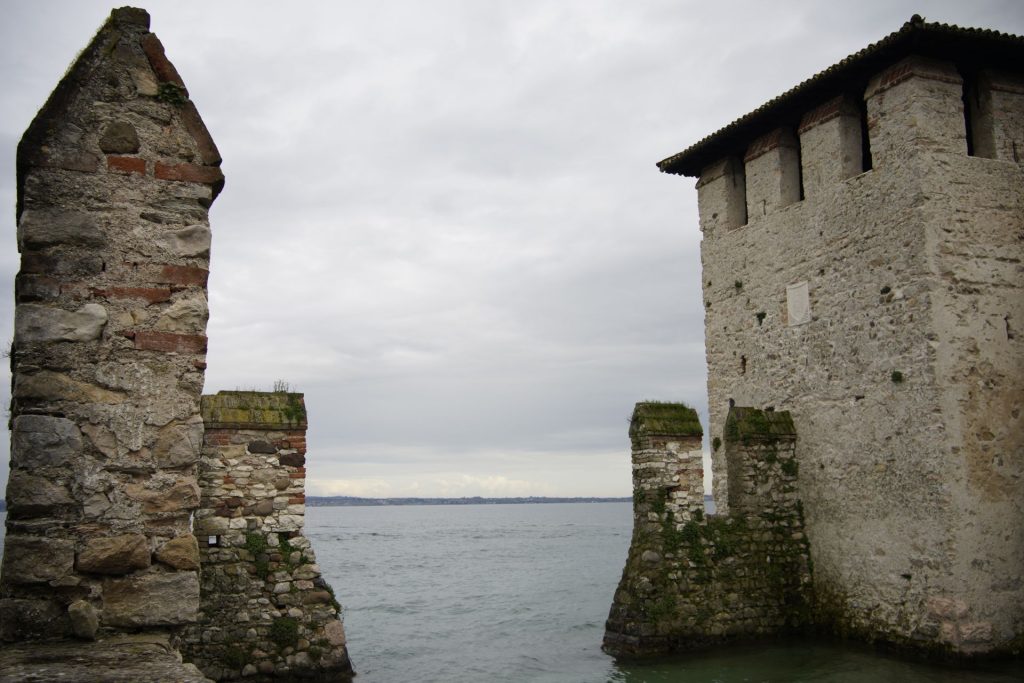
The Mastio, the 37-meter-high keep, was the castle governor’s residence and is included in the admission price—from the top, you can look out over the entire peninsula. Also worth seeing is the darsena, the walled harbor basin where the fleets of the Scaliger family and, later, the Venetians were moored. As a 14th-century harbor fortress, the complex is virtually unique in Italy.
Open Tuesday through Sunday from 8:30 a.m. to 7:15 p.m.; the ticket office closes at 6:30 p.m. The castle is only partially accessible: the courtyards and the first floor of the Cassero, including the soldiers' quarters, are open to the public; the keep is not.

3. Terme di Sirmione – bathing in 69-degree hot spring water
Off the coast of the peninsula, the Fonte Boiola from the lake bed, a hot spring with a temperature of about 69 °C. The water falls as rain on the Monte Baldo, the mountain stream on the eastern bank, at an elevation of over 800 meters, takes about twenty years to travel through the subsoil and emerges containing sulfur and salt.
You can swim in it at the SPA & Thermal Garden, the thermal spa of the Sirmione Thermal Baths at the Piazza Don A. Piatti on the outskirts of the Old Town. Until recently, it was said that Aquaria – You can still find it under its old name all over Google; it’s the same place. Two hours cost €25.00, five hours cost €44.00 from Monday through Thursday and €58.00 on weekends, and a full day costs €86.00. It’s open Sunday through Thursday from 9 a.m. to 10 p.m., and Friday and Saturday until midnight.
Good to know: The Friday and Saturday surcharge is steep. If you’re flexible, go on Tuesday morning—same pool, same water source, and €14.00 less.
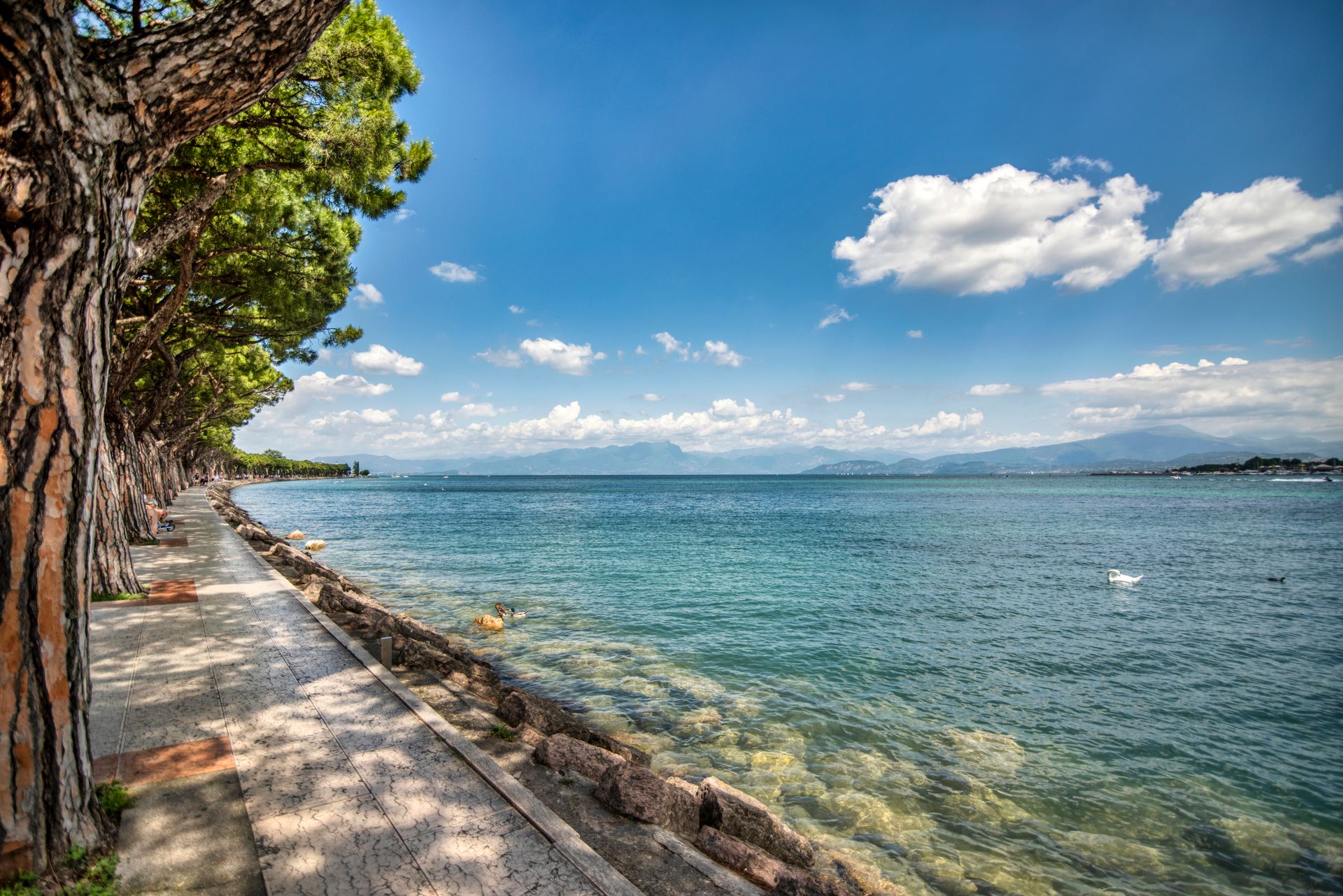
4. Giamaica Beach – white rocks instead of sand
The Giamaica Beach, often called Jamaica Beach in German, is the rocky beach below the Roman ruins. There is no sand here, just flat, weathered light-colored limestone, with water only ankle-deep that glows turquoise. In 2026, Sirmione will be awarded the Blue Flag for this beach—for the fourth consecutive year.
To get there, go through a gate just before the entrance to the grotto, then follow a steep, unpaved path down between the olive trees. Part of the beach is free; you have to pay for lounge chairs. Showers are free, but the restrooms are not wheelchair-accessible.
Good to know: It’s hard to walk down the slope in flip-flops, and it’s hard to get into the water on wet rocks. Bring sturdy shoes for the hike and water shoes for getting into the water—then the most beautiful swimming spot on the south shore is all yours.
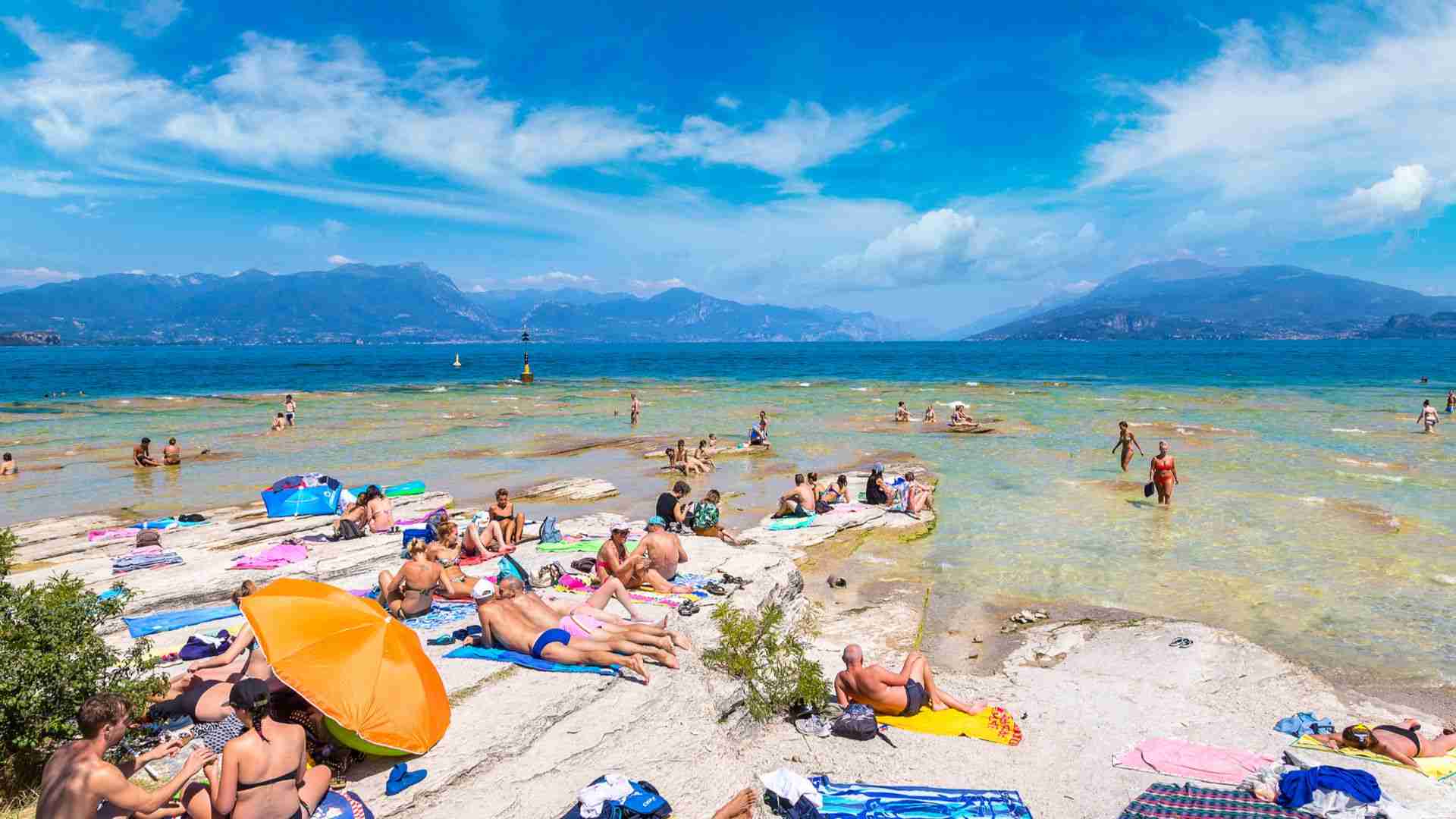
5. The Other Beaches—Six Alternatives When the Rock is Full
The municipality operates seven swimming areas. In addition to the Giamaica Beach are the Lido delle Bionde below the castle, which Spiaggia delle Muse, the Lido Galeazziwhich Brema Beach, the Lido di Lugana in the neighborhood of the same name and the Punta Grò Beach at the narrow neck of the peninsula. The farther you get from the town center, the more space you have.
The same rules apply to all seven: Dogs are allowed in the water on any beach as long as they are on a leash, and open fires and barbecues are prohibited everywhere.

Isola del Garda: discover an insider tip on Lake Garda
Rising from the deep-blue water is a white palazzo, surrounded by palm trees, cypresses, and centuries-old olive trees. Isola del Garda, also known as the Borghese Cavazza family’s island, lies off the coast of...
How do you get to Sirmione?
By bus, boat, or car to the entrance of the peninsula—you can't drive all the way into the Old Town itself. The bus route LN026 from Arriva Italia connects Verona, Peschiera del Garda, Sirmione, Desenzano, Lonato, and Brescia along a continuous route, and the nearest train station is called Desenzano del Garda–Sirmione.
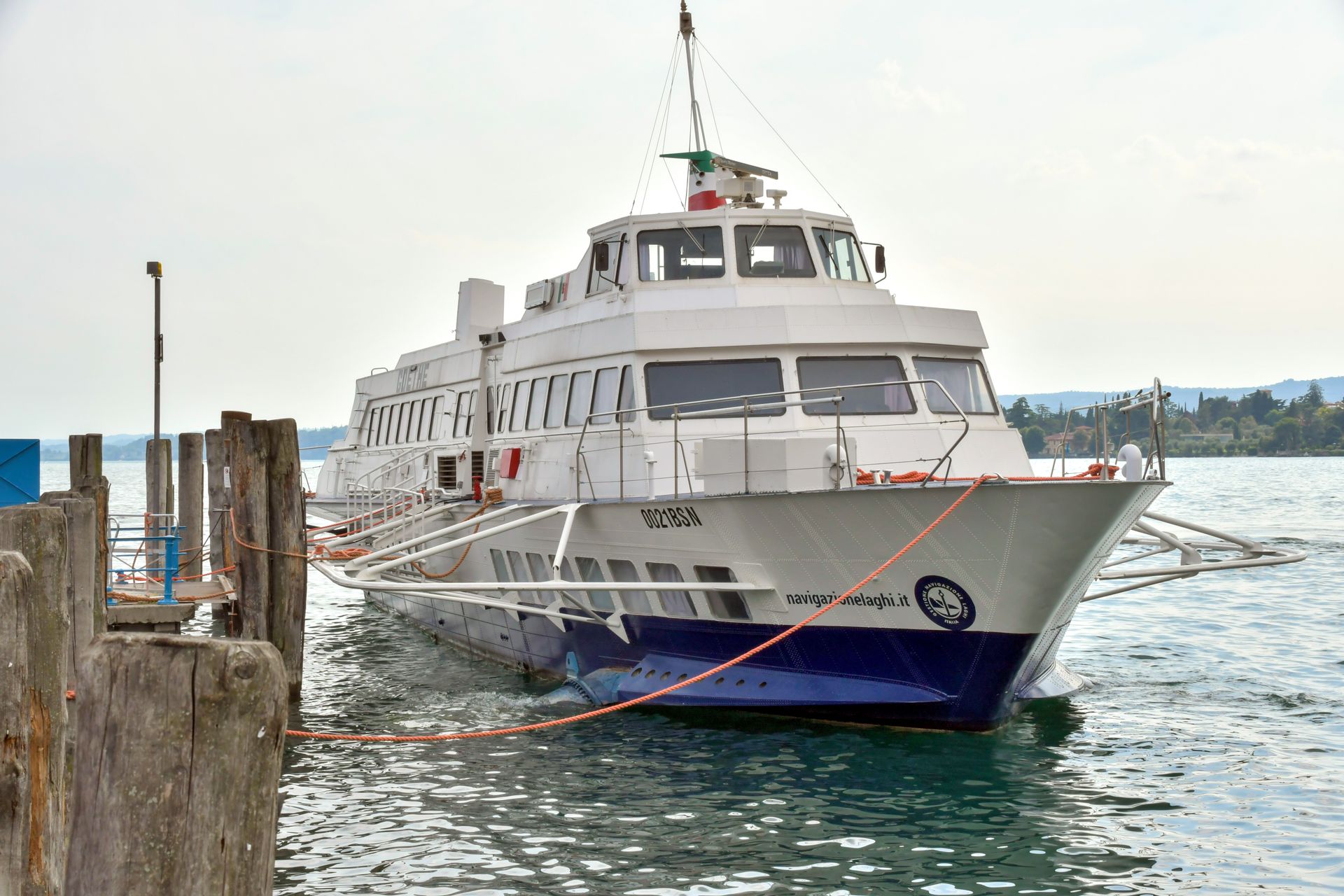
From the water, the Navigation on Lake Garda, the state-run Lake Garda ferry service, at the Sirmione pier. The 2026 summer schedule runs from May 16 through October 4; prior to that, the spring schedule is in effect starting April 1. There’s one restriction you should be aware of: During the summer schedule, the ferry at the Sirmione pier does not accept bicycles or e-scooters, since they wouldn’t be able to get anywhere in the old town anyway. For detailed information on how to get to the lake, see our overview of Journey to Lake Garda.
If you're coming by car, park it at the Monte Baldo Parking Lot on Monte Baldo Square right in front of the headland, open 24 hours a day. During peak season—from March 1 through November 1, as well as over New Year’s and between Christmas and New Year’s—the hourly rate is €3.50 and the daily rate is €28.00. During the off-season, you pay €1.00 per hour and €6.00 per day on weekdays, and €2.50 and €18.00 on Sundays and holidays.
The historic center of Sirmione is a restricted traffic zone, a restricted zone. From March 23 through October 13, 2026, a camera will monitor the only access point, and only vehicles whose license plate numbers have been registered in the system in advance will be allowed to enter. A one-day permit takes up to seven days to process, and an annual permit takes up to thirty days. Without a permit, the fee for driving through the zone ranges from €83.00 to €333.00.
What should you definitely try in Sirmione?
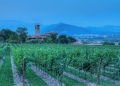
The wine from our own region—specifically, the white wine. The Lugana Originating from the moraine region south of the lake, it was recognized in 1967 as Lombardy’s first designation of origin and is grown on approximately 1,500 hectares between Sirmione, Pozzolengo, Desenzano, Peschiera, and Lonato—a quadrilateral spanning two provinces and two regions. The grape variety is the Turbiana, a local variety of Trebbiano; the soils are loamy, and the wine has aromas of flowers and almonds.
It comes in five varieties: as a standard Lugana, as a Superiore aged for at least one year, as Riserva After 24 months, as a late-harvest wine and as a sparkling wine. If you’re only going to try one, go for the Superiore—it shows why wine is taken so seriously here, and it pairs well with the fresh-caught fish that’s on almost every menu along the shore.
The lake’s cuisine also features whitefish, perch, and eel, usually simply grilled. And if you want to explore the area further: The Riviera degli Ulivi on the eastern shore refers to the lake's other product, olive oil.
Where's the best place to eat in Sirmione?
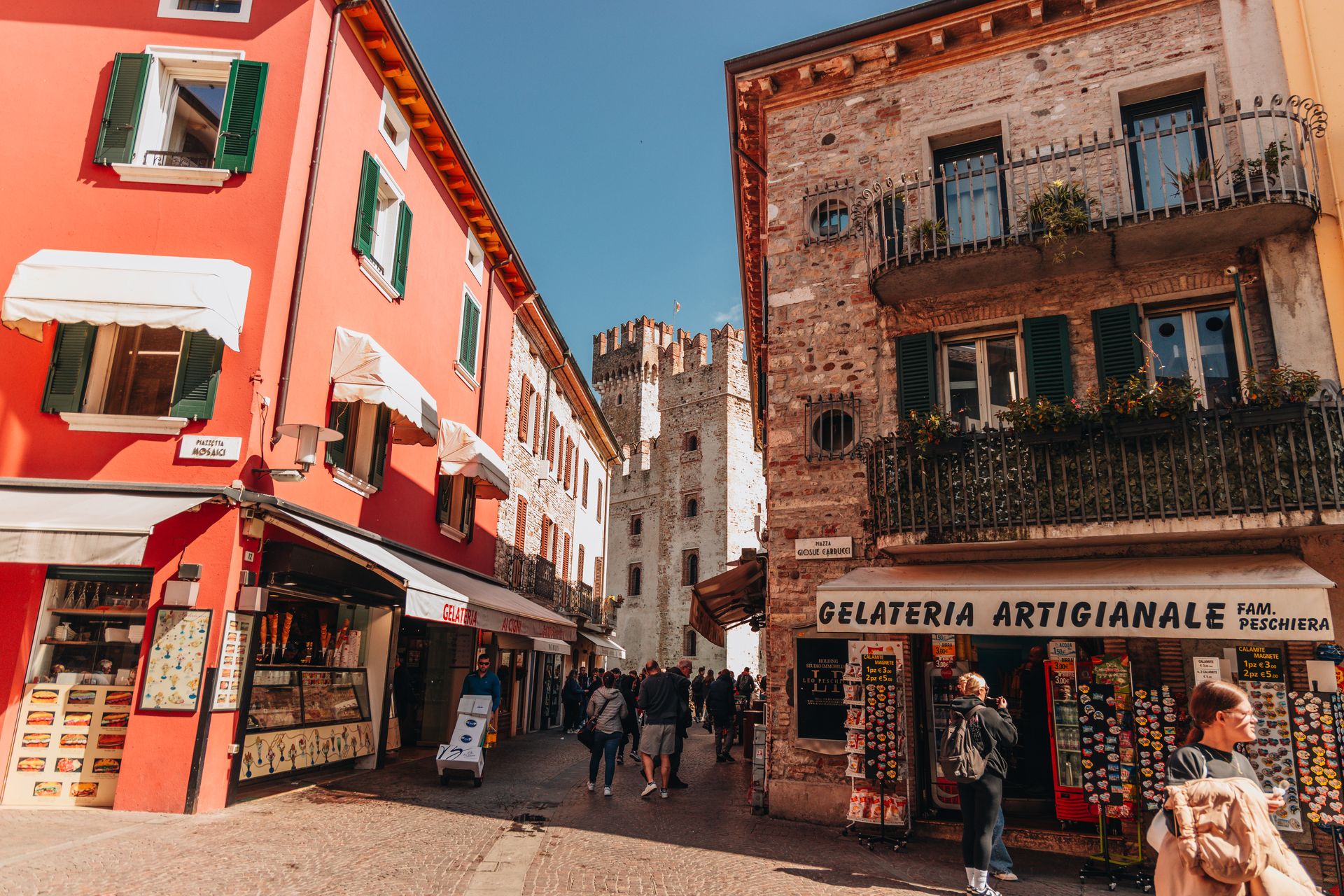
Surprisingly high for a town of this size: Sirmione has three Michelin-starred restaurants. All three are located in or right next to the old town, and it’s best to make reservations well in advance at all three.
| Restaurant | Here's what you can expect |
|---|---|
| La Speranzina Sirmione, Via Dante 16 | One Michelin star, gourmet cuisine by the Giordani family, a terrace right on the water, and suites with private spas in the same building. |
| La Rucola 2.0 Sirmione, Vicolo Strentelle 3 | One Michelin star; upscale Italian cuisine from the Bignotti family in an alley next to the castle; the same establishment operates the rooms at the Casa Scaligeri. |
| Tancredi Sirmione | One Michelin star; since November 2024, the town's third Michelin-starred restaurant; cuisine by Vincenzo Manicone. |
Prices and days off vary by season—call ahead before your trip, especially between November and March.
Where's the best place to stay in Sirmione?
The Group's Properties Sirmione Thermal Baths are the obvious choice because they use the thermal water from the Fonte Boiola directly into their baths. There are four hotels to choose from, ranging from a five-star hotel in the Old Town to the smallest, a three-star hotel.
| Accommodations | Here's what you can expect |
|---|---|
| Grand Hotel Terme Sirmione, Old Town | Five stars, thermal spa with water from the Fonte Boiola, right behind the castle gate. |
| Hotel Sirmione Terme Sirmione, Town Center | Four stars, its own spa area and restaurant, just a few steps from the dock. |
| Acquaviva del Garda Hotel Sirmione, on the lake | A four-star designer hotel with a spa, located on the lake and outside the restricted zone. |
| Hotel Fonte Boiola Sirmione, on the outskirts of town | A three-star hotel—the smallest and most affordable in the group—with its own thermal bath. |
If you're staying in the Old Town, you can usually have your car registered through the hotel. Check this when you make your reservation—it'll save you the trip back to the parking lot with your suitcase.
When is the best time to visit Sirmione?
May, June, and September. The boat tours begin on April 1, the water is warm enough starting in June, and parking fees remain at the maximum rate until November 1—so in early fall, you’re still paying peak-season rates but sharing the streets with far fewer people.
In July and August, the main street between Burgtor and the Grotte is packed for hours on end. If you’re visiting then, get there early: both museums open at 8:30 a.m., and you’ll have the place almost to yourself for the first hour. From November through February, things quiet down; the off-season parking fee drops to €1.00 per hour, and the thermal baths remain open daily. You can check the current weather in the Weather at Lake Garda.

What You Should Know About Sirmione
Five things you won't see in the glossy photos—and what you can do about each one.
1. You don't drive into the Old Town. The access road is monitored by cameras, and if you haven't registered your license plate in advance, the toll ranges from €83.00 to €333.00. Park your car at the Parcheggio Monte Baldo; from there, it's just a few minutes' walk to the bridge, and you won't pass any cameras along the way.
2. Parking costs more than admission. €28.00 per day during peak season is more than the castle and the grotto combined. Anyone traveling by bus LN026 Or if you come by boat, you'll save the entire amount—and the dock is closer to the castle gate than any parking lot.
3. On Mondays, the two main attractions are closed. Grotte and Castello are closed on Mondays, which is a bummer for every other weekend visitor. Still, a Monday in Sirmione is worth the trip: the thermal baths are open every day, and the beaches are the least crowded on that day.
4. The famous beach is rocky. If you're expecting sand, you'll find yourself standing on smooth limestone, and the descent down to the water is steep and unpaved. But the water is so clear that it's been awarded the Blue Flag—and you can walk right in comfortably with water shoes.
5. Bicycles and boats don't mix. In the 2026 summer schedule, Lake Garda Shipping will not be transporting bicycles or e-scooters at the Sirmione pier. Plan to bring your bike for the flat area south of the lake and walk to the peninsula—you’ll just end up pushing it through the narrow streets anyway.
Who should visit Sirmione?
For history buffs. A two-hectare Roman villa and a 14th-century harbor castle along a walking trail—you won’t find such a concentration of attractions anywhere else on Lake Garda.
For swimmers who are picky about the water. Seven beaches, one of which has been awarded the Blue Flag, and clear water all around instead of a murky shoreline.
For spa guests. Sulfur water at 69 degrees rising from the lake bottom, four hotels with their own thermal facilities, and a public bath that stays open until midnight.
For day-trippers. There's a single bus route that takes you here and back from Verona, Brescia, and Desenzano.
Combine Sirmione with Peschiera del Garda, Desenzano, and Brescia
The bus route LN026 The route is simple: it goes from Verona through Peschiera and Sirmione to Desenzano, Lonato, and Brescia. In Peschiera del Garda The Venetian fortress town stands on the Mincio; in Desenzano, the Roman Villa, for which the same combination ticket applies as in Sirmione.
Further west, it's worth Brescia and its UNESCO Archaeological Park a whole day. And if you want to see a truly private island, don't set out from Sirmione—instead, head from San Felice del Benaco to the Isola del Garda – It is located on the west bank, not off this peninsula. Our Travel Guide to Lombardy.
The Olive Grove Above the Ruins
Almost everyone walking through the grounds of the Grotte di Catullo heads straight for the walls and back again. Yet where the villa’s colonnaded garden once stood, there is now an olive grove with about 1,500 trees of old Lake Garda varieties. Some of them are 400 to 500 years old.
After the tour, don't head straight for the exit; instead, take the path through the grove. It's shady and quiet among the trees, with glimpses of the lake peeking through here and there, and you'll usually have this part of the grounds all to yourself—ten minutes that turn a quick stop into an afternoon.
Our take: Sirmione is small, compact, and worth the detour
Few places on Lake Garda pack so much into such a small space: a two-hectare Roman villa complex, a moated castle with an accessible keep, a 69-degree hot spring, and seven beaches—all on a headland you can walk the length of in half an hour.
Mathematically, it works out well. The castle and the grotto together cost €18.00; if you’re under 18, you pay nothing at all, and if you’re between 18 and 25, you pay only €4.00. It only gets expensive because of parking—if you come by bus or boat, you can enjoy the day for under twenty euros.
The next step: Schedule your visit for a Tuesday or Wednesday morning in May or September, book the thermal spa on a weekday, and plan your return trip via Peschiera del Garda. The same bus route will take you there.
Brescia Attractions: 7 Highlights & Tips
Brescia's Highlights, from the Vittoria Alata to the Castello—with verified admission prices, opening hours, and directions through the restricted-traffic zone.
Map: Sirmione, Lombardy
Photo Gallery: Sirmione




FAQ - Frequently Asked Questions About Sirmione
Prices, hours of operation, and schedules are subject to change—check the official websites for the latest information before your trip.
Sources and Further Information
- Lombardy Regional Museums Directorate, Catullo Caves, and Sirmione Archaeological Museum (accessed in September 2026)
- Lombardy Regional Museums Directorate, Scaligero Castle in Sirmione (accessed in September 2026)
- Municipality of Sirmione, Regulations for the Limited Traffic Zone (ZTL) (accessed in September 2026)
- Municipality of Sirmione, The Beaches of Sirmione (accessed in September 2026)
- Terme di Sirmione, The Thermal Water (accessed in September 2026)
- SirmioPark, Monte Baldo Parking Lot (accessed in September 2026)
- Lake Garda Ferry Service, Schedules, and Stops (accessed in September 2026)
- Lombardy Region, Lugana DOC (accessed in September 2026)