Rome. For Italy's best-known sights, plan the fixed appointments first. Time slots matter for the Colosseum, the Vatican Museums and the dome of Florence Cathedral. For Pompeii, you need a named ticket and enough time. St Mark's Square in Venice, Bologna's public porticoes and the trulli streets of Alberobello are easier to fit in flexibly.
These ten classics are spread across different parts of the country. If you have only one week, choose two well-connected regions. Here is what to allow for each place, how the visits differ and which sights you can combine without a long detour.
The key decisions before your trip
When you need a ticket or more time
As of November 2026 · Sources and further information at the end of the article.
1 to 3 – Rome, the Vatican and Pompeii
1. Colosseum and Roman Forum
Plan your visit to the Colosseum with a time slot and check which areas your ticket covers. Arena and underground areas require special variants. The visit works better if you reserve the rest of the half-day for the Forum and Palatine Hill. There you can see how the amphitheatre fitted into the ancient city. Bring the ID matching the name on your ticket. There are security checks at the Colosseum, so allow extra time before entry.
2. Sistine Chapel in the Vatican Museums
The Sistine Chapel is part of a visit to the Vatican Museums. The entrance is on Viale Vaticano. If you arrive via St Peter's Square, you are in a different location. Allow three to four hours for the collections and chapel. Choose a few priorities according to your interests. Book through the official portal, check the opening day and take account of dress rules and security checks.
3. Pompeii near Naples
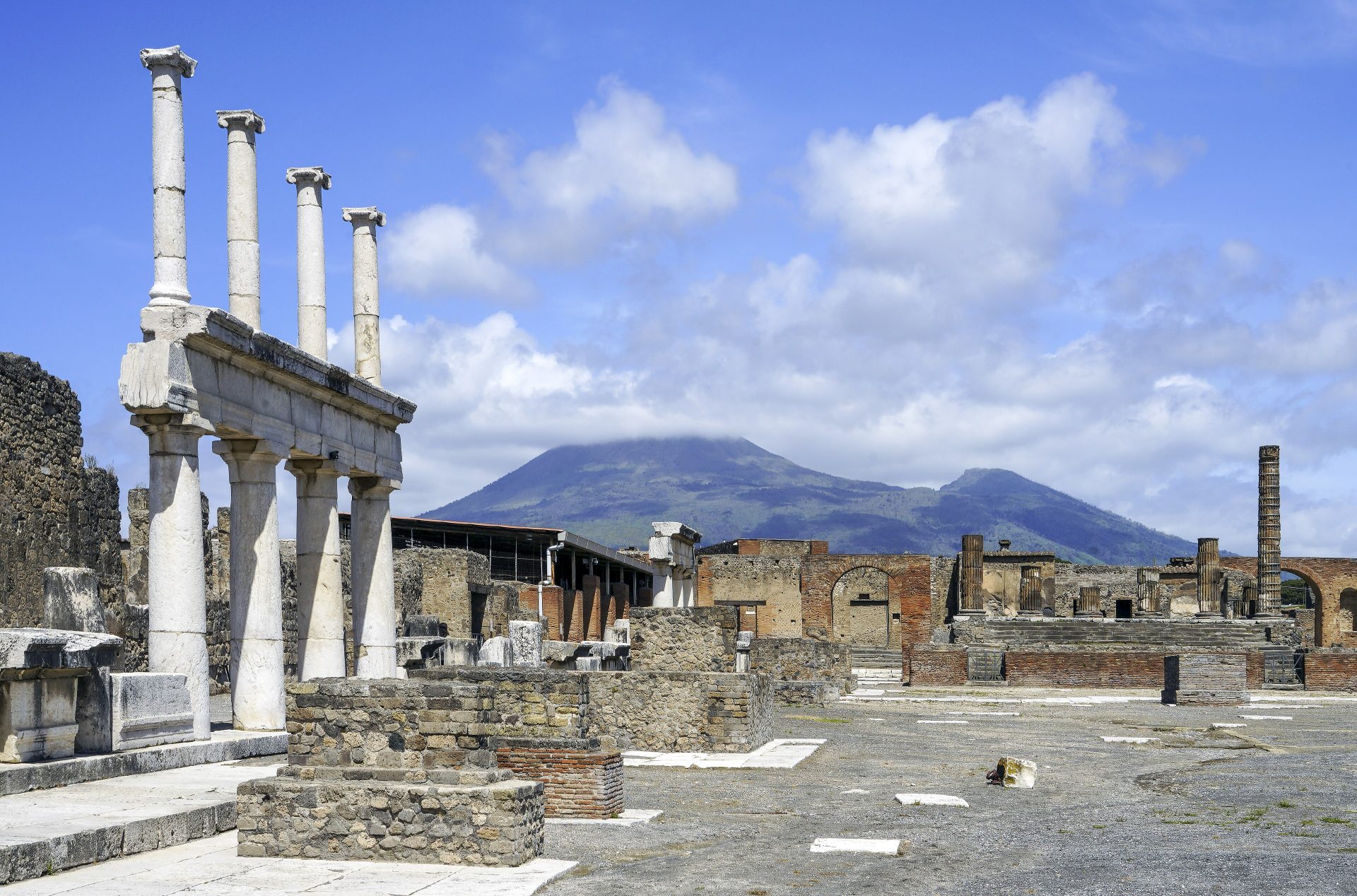
In Pompeii the forum, streets, houses and public buildings lie in a large archaeological site. Allow at least half a day for a first visit. If you want to include Villa dei Misteri, check the appropriate ticket category. The park uses named tickets and has a daily visitor limit. If you arrive by train, the entrance matters. Pompei Scavi–Villa dei Misteri station is convenient for Porta Marina. Plan for water, sun protection and your return route before entry.
4 and 5 – Florence Cathedral and the Leaning Tower of Pisa
4. Santa Maria del Fiore in Florence
The Florence Cathedral can normally be visited free of charge. For Brunelleschi's dome, you need the appropriate pass with a fixed entry time. The baptistery, bell tower and cathedral museum have their own access rules within the passes. Allow two to three hours if you visit more than the cathedral. If you want to avoid many steps, combine the cathedral with the museum.
5. Leaning Tower and Piazza dei Miracoli in Pisa
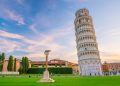
The tilt is easiest to see as you walk around the square. For the climb up the Leaning Tower of Pisa reserve a time slot. Children must turn eight during the current calendar year. If your group skips the tower, the cathedral, baptistery and Camposanto remain. Florence and Pisa are linked by regional train. For a day trip, two to three hours on site plus the journeys is a good starting point.

6 to 8 – St Mark's Square, Verona Arena and Milan Cathedral
6. St Mark's Square and Basilica in Venice
The St. Mark's Square can be reached on foot without charge. The basilica and individual areas such as the Pala d’Oro or the museum with the horse loggia have separate admission rules. Check what is included when booking. Walk to the waterfront before or after the visit. From the Piazzetta, you can see how the square opens towards the lagoon. Allow extra time for the Doge's Palace.
7. Verona Arena
The Verona Arena is an ancient monument by day and an event venue on some evenings. Touring the arena and attending an opera require separate bookings. Rehearsals, installations or work may affect the visitor route. Allow about an hour for the arena and add a walk through the old town. If you attend a performance, leave time beforehand for admission and the walk across Piazza Bra.
8. Milan Cathedral and rooftop terraces
At the Milan Cathedral the operator offers tickets for the cathedral, museum and terraces, as well as combinations. Depending on your booking, you reach the roof by stairs or lift. Some upper areas require further steps. Two hours allow time for the interior and terraces. With a tight schedule, decide which matters more based on the weather and your interests.
9 and 10 – Alberobello and Bologna's porticoes
9. The trulli of Alberobello
The UNESCO site includes Rione Monti and Rione Aia Piccola, among other areas. The Trulli of Alberobello can be seen from public lanes. Individual interiors and museums have separate admission rules. Allow two to three hours for both neighbourhoods. Some houses in Aia Piccola are lived in. Take photos from public paths. An early start or overnight stay lets you walk around outside the busiest midday hours.
10. Bologna's porticoes
The Bologna's porticoes are spread across the city. Selected groups of arcades are part of the UNESCO listing. Start in the historic centre and notice how the porticoes change in width, material and height. Allow a separate half-day for the covered route up to San Luca if you walk there and back. A shorter version stays with the arcades around Piazza Maggiore and the market streets.

How to spread the ten classics across several trips
Rome and Naples are linked by high-speed train. Give the Colosseum and Vatican a separate half-day each. For Pompeii, a night in Naples or nearby is more comfortable than trying to squeeze the excavation and both journeys into a very tight day. For a first trip to central Italy, Florence and Pisa work well from one base. The Florence dome and Pisa tower can be scheduled on different days.
Venice, Verona and Milan lie on the same rail corridor. That makes it easier to combine them, even if you visit only two of the three cities. Bologna works as a separate stopover. Alberobello is much farther south; it fits better into a trip to Puglia with time for the Valle d’Itria. Find more routes and overnight stops in our train routes for an Italian city break.
Before buying, check that the ticket covers the part of the building you want to see. For named bookings, the spelling should match your ID. Allow time between two entrances and keep the rest of the day flexible. The times in the table are estimates for the visit on site; queues and travel are extra.
| Objective | Time on site | Ticket and access |
|---|---|---|
| Colosseum and Forum | 3–4 hours | Named ticket and Colosseum time slot |
| Sistine Chapel | 3–4 hours including the museums | Enter through the Vatican Museums |
| Pompeii | Half a day to a full day | Named ticket and appropriate park areas |
| Florence Cathedral | 1–3 hours | Cathedral free; dome with a booked time slot |
| Leaning Tower of Pisa | 2–3 hours including the square | Tower with time slot and age limit |
| St. Mark's Square | 1–3 hours | Square free; basilica and other interiors separate |
| Arena di Verona | Around 1 hour | Tour and performance booked separately |
| Milan Cathedral | 1–2 hours | Check ticket coverage and ascent method |
| Alberobello | 2–3 hours | Streets free; museums and interiors separate |
| Portici di Bologna | 1–4 hours | Public paths; San Luca as a separate walk |
Map – sights in Italy
Rome combines the Colosseum and Vatican. The other classics extend from Milan to Puglia.

FAQ – frequently asked questions about Italy's best-known sights
Sources and Further Information
- Parco archeologico del Colosseo – tickets and access (accessed November 2026)
- Vatican Museums – opening hours and closing days (accessed November 2026)
- Parco Archeologico di Pompei – tickets and daily limit (accessed November 2026)
- Opera del Duomo Florence – cathedral and passes (accessed November 2026)
- Opera della Primaziale Pisana – prices (accessed November 2026)
- St Mark's Basilica – access and booking (accessed November 2026)
- City of Verona – Arena amphitheatre (accessed November 2026)
- Veneranda Fabbrica – Milan Cathedral terraces (accessed November 2026)
- UNESCO – trulli of Alberobello (accessed November 2026)
- UNESCO – Bologna's porticoes (accessed November 2026)
- Trenitalia – high-speed rail routes (accessed November 2026)