Trulli of Alberobello: masterpiece of folk architecture
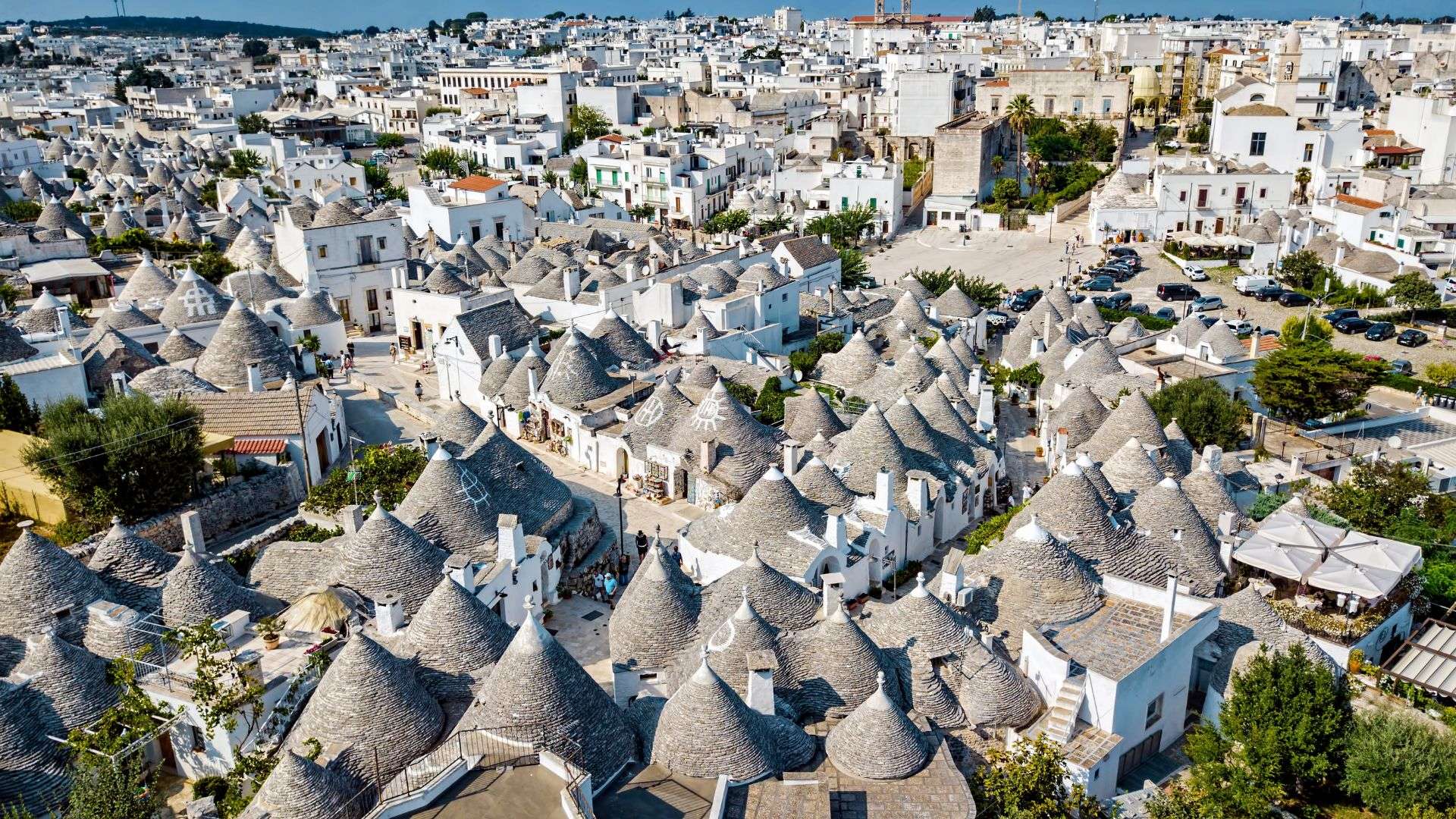
In the middle of the gently undulating hills of the Itria Valley rises Alberobello, a town that seems to have sprung from a fairy tale. The trulli located there are far more than just pretty photo motifs; they represent an ingenious solution by the rural population of Apulia to the socio-economic challenges of past centuries. These round houses, unique in the world, were traditionally built using the dry construction method, i.e. entirely without the use of mortar or cement. This construction method was originally an ingenious tax dodge: as buildings without a solid binding agent were officially considered unstable and therefore could not be taxed as permanent dwellings, the inhabitants could theoretically dismantle their houses quickly when royal inspectors approached.
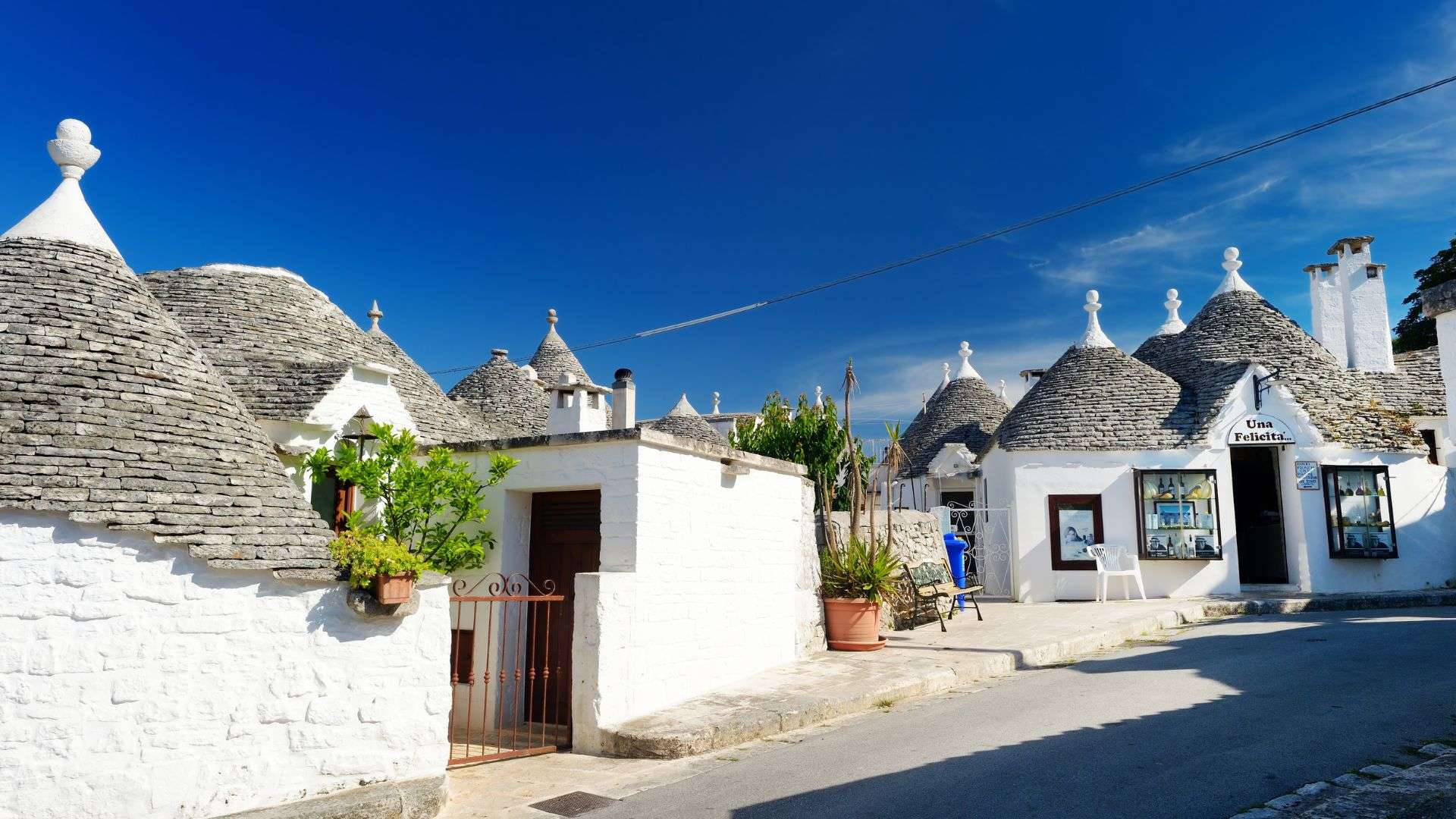
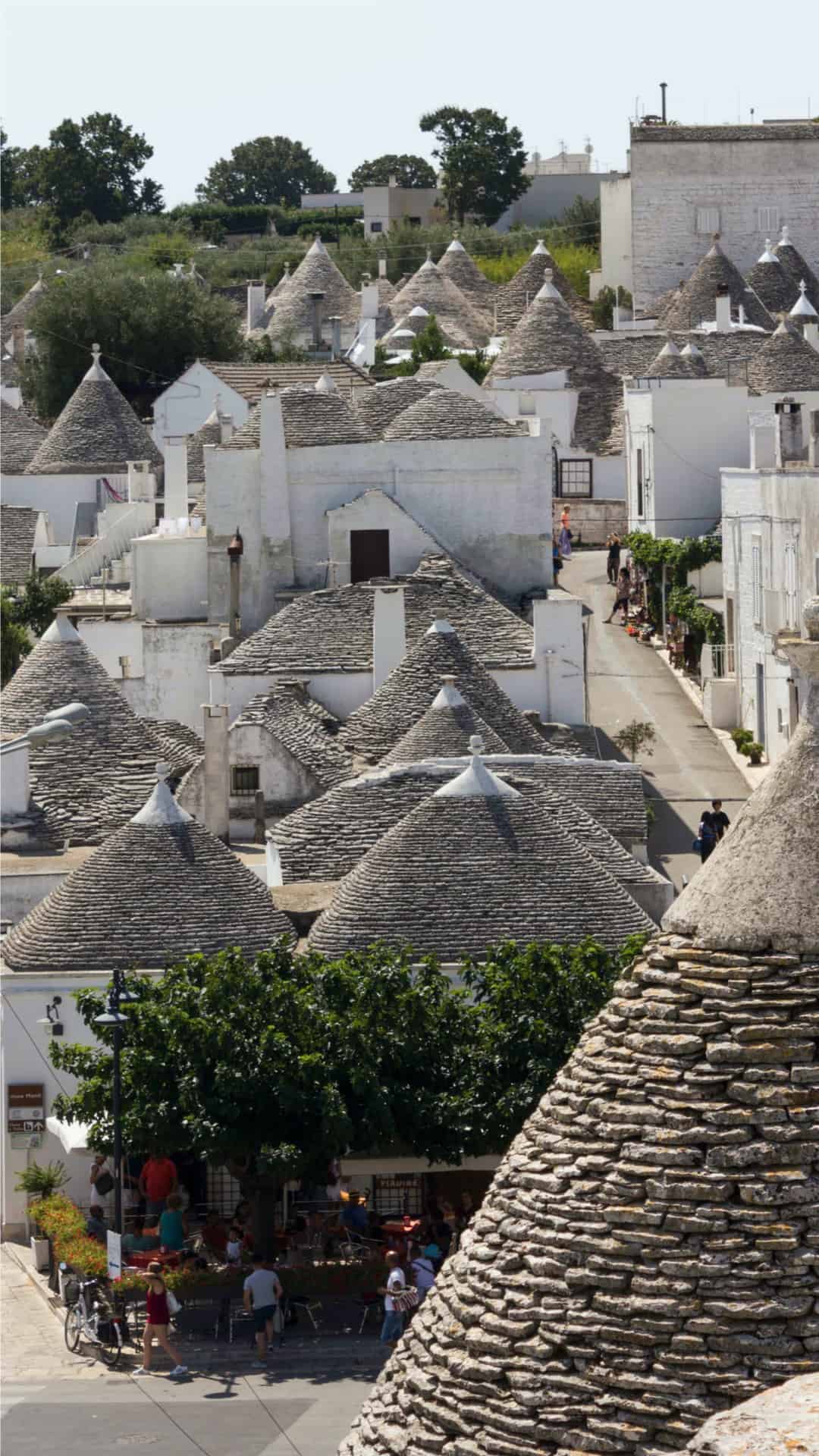
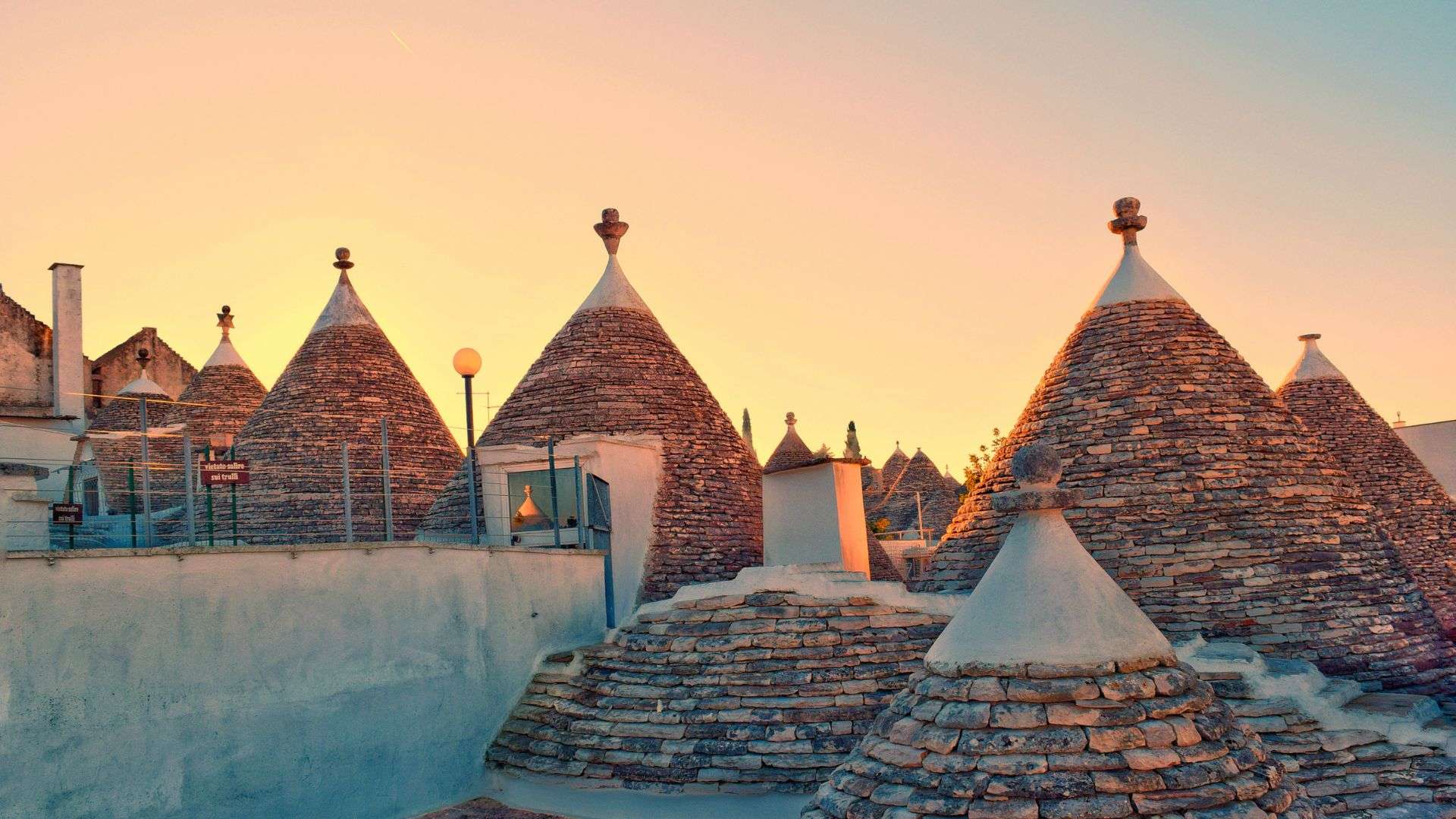
The architectural heart of every trullo is the conical roof made of gray limestone slabs, the so-called chiancarelle. These are layered in concentric circles and often end with a decorative keystone, the pinacolo. Mystical, religious or astronomical symbols in white lime paint also often adorn the roofs, giving the buildings an additional layer of cultural depth. Since 1996, UNESCO has also recognized the extraordinary universal value of this form of settlement and has listed the trulli of Alberobello as a World Heritage Site. Anyone strolling through the narrow alleyways of Rione Monti or Aia Piccola will experience a lively symbiosis of archaic craftsmanship and Mediterranean joie de vivre that has lost none of its fascination to this day.
The origins of the trulli: a journey into the past
The roots of the trulli go back deep into the history of Mediterranean civilization and bear witness to an archaic art of building that has endured for thousands of years. These characteristic stone houses are based on the technique of dry construction, in which worked limestone is precisely stacked without any binding agents. Architecturally, they are derived from the ancient „tholoi“ - dome-shaped circular buildings that were already used as burial sites or storage facilities in the Mycenaean culture. While similar constructions disappeared or fell into disrepair in many parts of the Mediterranean over the course of time, the trulli in the Apulia region developed into a highly functional form of housing that has been continuously used and adapted to the needs of the inhabitants right up to the present day.
Originally conceived as simple accommodation for agricultural workers and small farmers, the trulli owe their widespread use primarily to the geology of the Itria Valley. The barren but stone-rich karst landscape provided the building material directly on site: limestone, which was produced anyway when the fields were cleared. The architecture of these buildings is a prime example of functional ingenuity in the smallest of spaces. The classic room concept is usually based on a central square floor plan, from which various wall niches lead off. These „alcoves“ were cleverly used as sleeping areas, fireplaces or storage space, creating an astonishing amount of space despite the solid construction.
A major advantage of this type of construction is its thermal inertia, which is based on the laws of physics. The extremely thick outer walls, often consisting of two stone shells with a layer of gravel and earth in between, act as a natural insulator. In combination with the conical roof construction, which allows the warm air to rise upwards, a self-sustaining microclimate is created. Even without modern technology, the trulli offer residents effective protection from the oppressive heat of the Apulian summer, while in winter they store the heat from the chimney and only slowly release it into the environment.

Mythological roofs and protection from disaster: a symbolic eye-catcher
The roofs of the trulli are far more than a purely functional finish to the massive stone walls; they form a stone canvas for the deeply rooted popular beliefs of the region. The construction of these cones, which does not require any binding agents, is a masterpiece of drywall construction. Layer by layer, the gray limestone slabs, called „Chiancarelle“ in the local dialect, are stacked at an inward angle until they meet at the zenith. This technique not only ensures natural drainage when it rains, but also gives the buildings their characteristic silhouette, which makes the townscape of Alberobello so unmistakable.
A particularly fascinating element of this architecture are the mystical symbols, which are applied in large areas to the gray stone surfaces with white lime milk. These paintings are not mere decoration, but a complex system of signs that can be divided into three main groups: primitive signs such as sun wheels or triangles, Christian motifs such as crosses or the monogram of Christ and magical-astrological symbols, which include signs of the zodiac and planetary constellations. The inhabitants chose these motifs carefully to create a kind of spiritual shield over their homes. They were used as silent prayers to implore divine assistance, ward off the „evil eye“ or simply to ensure the fertility of people and fields.
Each cone is crowned by the so-called „Pinacolo“. These artfully chiseled keystones act as a static and symbolic exclamation mark of the construction. Whether in the form of a sphere, a cone, a bowl or a small obelisk - the pinacolo was often the personal trademark of the „Maestro Trullaro“, the specialized master builder. In popular belief, these pinnacles were attributed an anthropomorphic or apotropaic effect; they were regarded as antennae to the sky, which were supposed to deflect negative energies and protect the house from lightning strikes or evil spirits. Taken together, these symbols and battlements transform the settlement into a walk-through history book, in which each roof spire tells of the close connection between people and the cosmos and their ancestors.

Alberobello: the enchanting capital of the trulli
Alberobello, known far beyond Italy's borders as the undisputed „capital of the trulli“, resembles a backdrop where time seems to have stood still centuries ago. However, this town is not a museum relic, but a vibrant place where archaic tradition and the modern Apulian way of life meet in perfect harmony. With a unique concentration of over 1,500 of these conical buildings, Alberobello is a monumental open-air museum in the open air. The history of the settlement dates back to the 14th century, when the area was under the rule of the Counts of Conversano. It was then that the systematic construction of these mortarless structures began, which are now considered one of the most authentic testimonies to man's ability to adapt to barren landscapes.
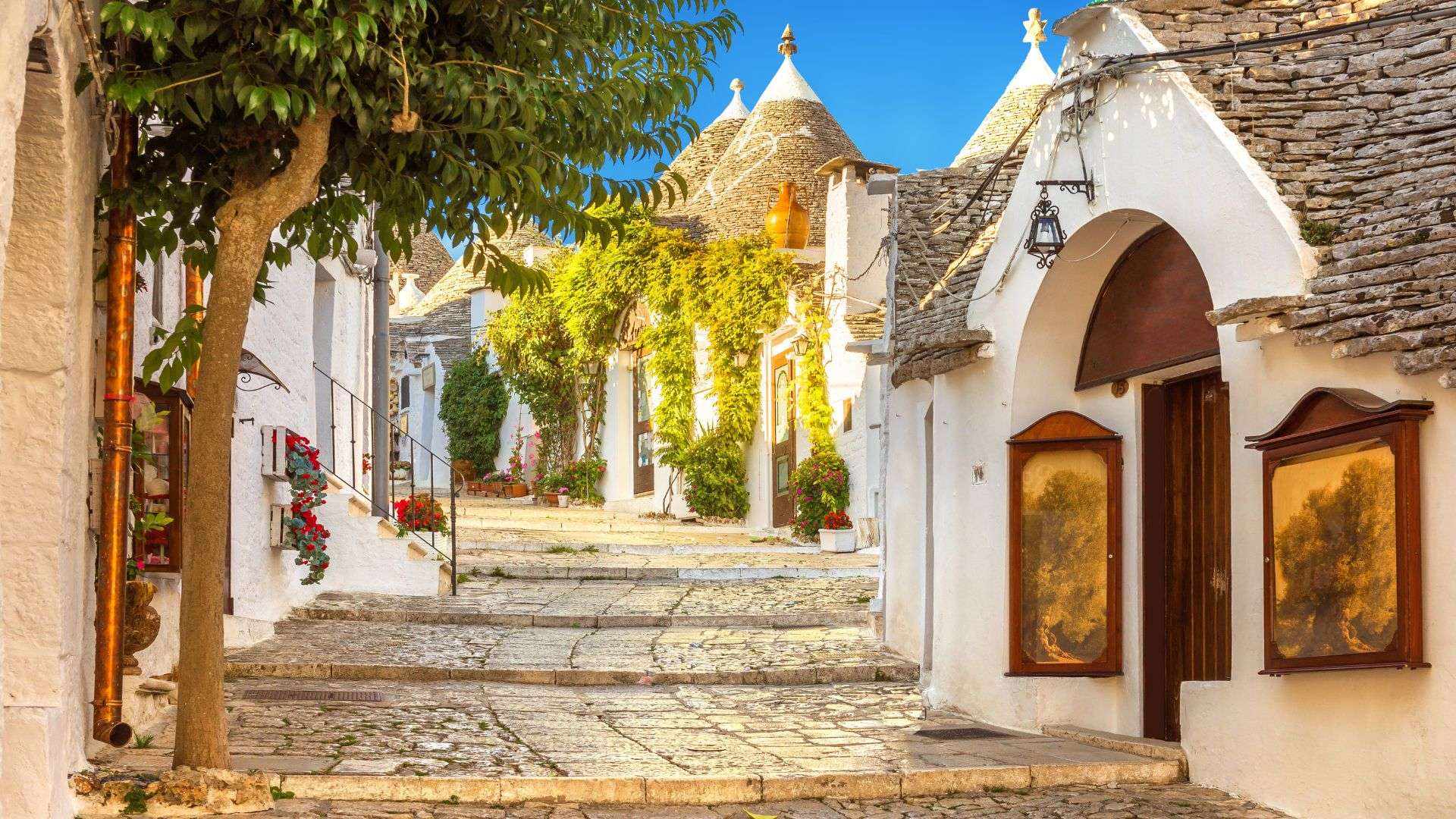
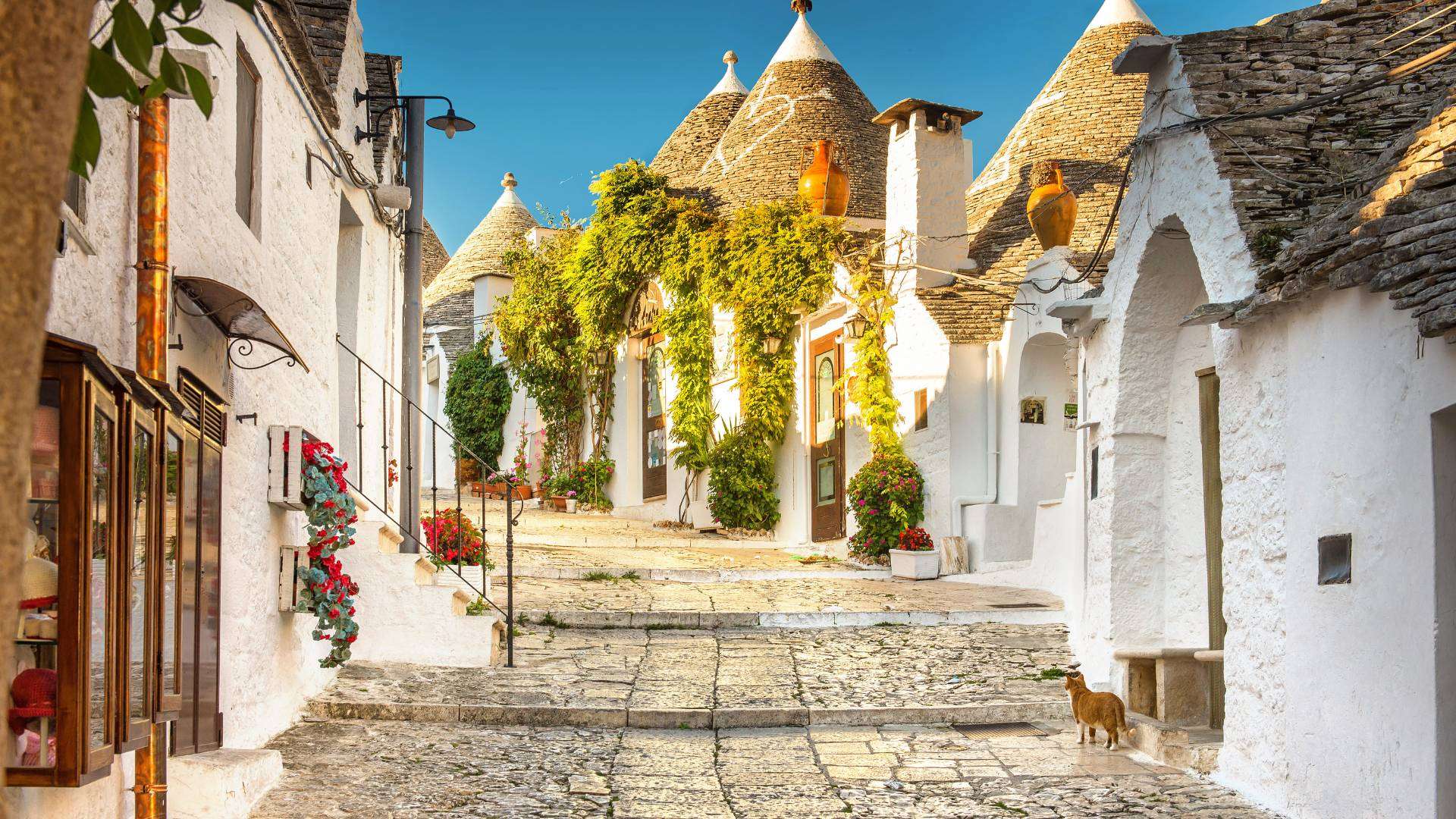
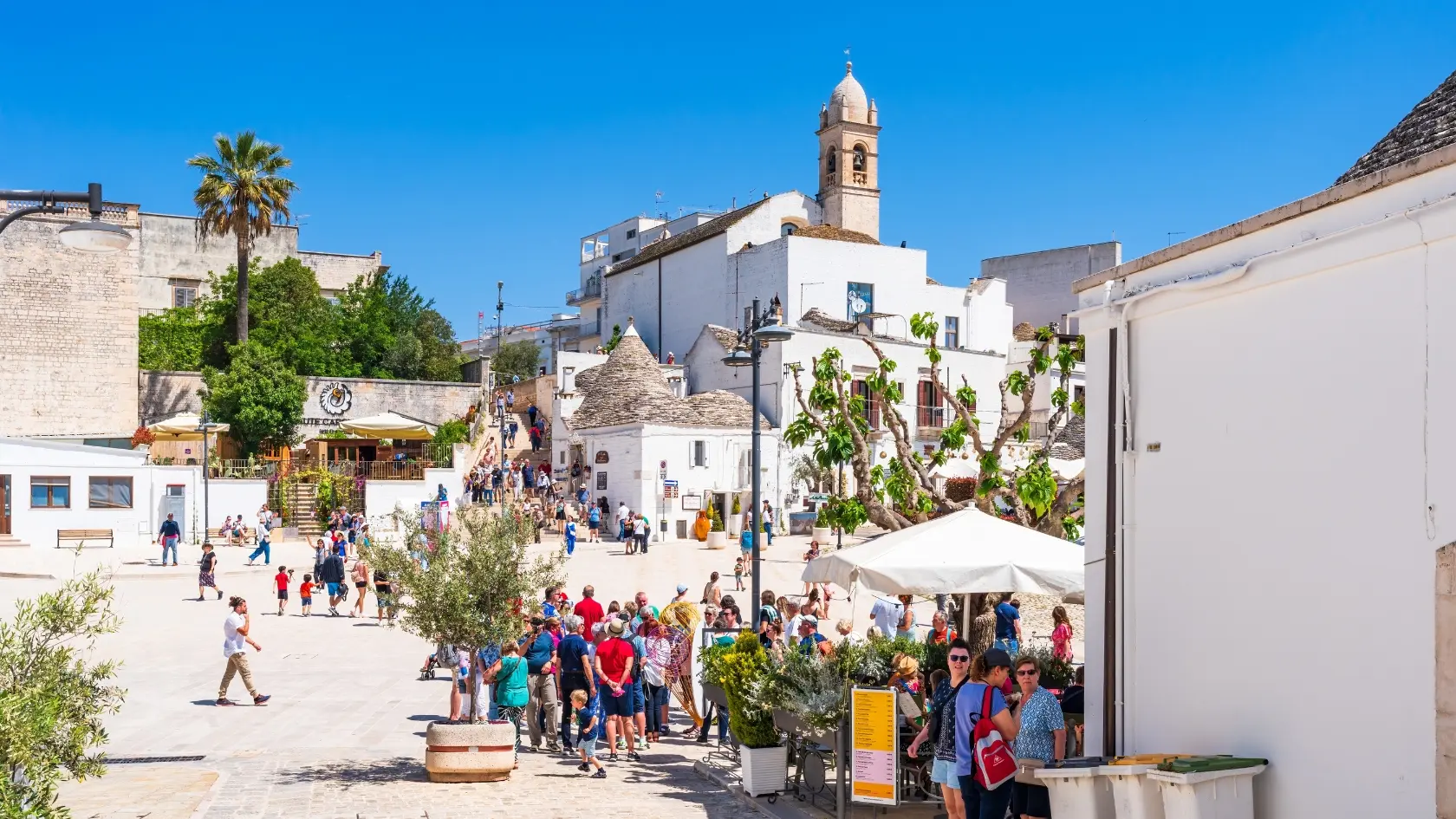
Today's cityscape is largely shaped by the two historic districts of Rione Monti and Aia Piccola, where the trulli have been integrated into modern everyday life in a fascinating way. While Aia Piccola, with its quiet alleyways and inhabited houses, still exudes the original, almost reverent atmosphere of days gone by, Rione Monti presents itself as a lively center of craftsmanship. Today, the whitewashed circular buildings are home to charming weaving workshops, potteries and small boutiques selling regional treasures.
The culinary soul of the city is best experienced in the cozy restaurants, which are often built deep into the cool stone of the trulli. Here, the hospitality of Puglia is celebrated through the „Cucina Povera“ - the honest cuisine of the farmers. An absolute highlight is enjoying the famous orecchiette con cime di rapa. These handmade „eyelet noodles“ are traditionally prepared with stem cabbage, garlic, anchovies and a pinch of peperoncino. This dish embodies the identity of the region like no other: it is simple in its ingredients, but refined and intense in taste, just like the architecture of the city itself.
The districts of Alberobello: a walk through history
The neighborhood Rione Monti forms the beating heart of Alberobello and impresses with its dense network of over 1,030 trulli, which stretch picturesquely up the hillside. This labyrinth of whitewashed alleyways is home to the famous „Trulli Siamesi“, a unique architectural feature: Two cones merge into one here, but have separate entrances, which according to local legend is due to an inheritance dispute between two brothers. The church sits enthroned at the apex of the district Sant'Antonio da Padova. As the world's only trullo-shaped church with an impressive dome height of 21 meters, it proves that the archaic dry construction technique can also create monumental sacred spaces.
The neighborhood stands in stark contrast to this Rione Aia Piccola, which has retained its original tranquillity and authenticity. Most of the 400 or so trulli in this area are still inhabited and escape the tourist hustle and bustle. Here you can feel the daily life of the inhabitants, while the simple, unadorned facades draw your attention to the pure, functional architecture. It is the ideal place to experience the soul of Puglia in its most authentic form.
An absolute architectural highlight is the Trullo Sovrano, the only two-storey building of its kind. Built in the 18th century, this „king of the trulli“ marks the pinnacle of local engineering, as it conceals a complex staircase construction inside the thick walls. Today, the museum there provides a deep insight into the living culture of wealthy farming families. Not far away is the Casa d'Amore, whose importance is often underestimated. It was the first building that was allowed to be erected using mortar after the official end of feudal rule in 1797. It thus symbolizes the city's courageous step towards architectural freedom and the beginning of a new era.
A visit to Alberobello ideally ends at the Terrazza del Belvedere at the Santa Lucia monastery. From this vantage point, the spectacular panorama of the Rione Monti reveals itself, a silver-grey sea of stone cones that unfolds an almost unreal beauty, especially in the light of the evening sun. In the surrounding trulli restaurants, you can round off the day with a glass of local wine and homemade pasta while soaking up the timeless atmosphere of this UNESCO World Heritage Site.

UNESCO World Heritage Site: A distinction for eternity
In 1996, the trulli of Alberobello received the highest international recognition that a monument can receive: inclusion on the UNESCO World Heritage List. This decision marked a turning point for the region and brought an architecture into the global spotlight that had long been considered purely functional buildings of poor farmers. UNESCO recognized the trulli as an „outstanding example of a building typology that illustrates an important stage in human history“. It is not just about the aesthetic fascination of the conical roofs, but about the testimony of an extraordinary social organization and a structural reaction to historical constraints.
The award particularly emphasizes the symbiosis between man and nature. At a time when sustainability and ecological construction are becoming global leitmotifs, the trulli are like pioneers of architecture. They are made entirely of local limestone, which was used without environmentally harmful binding agents, and make perfect use of the thermal laws of their surroundings. This „architecture without architects“ proves that in-depth craftsmanship and the respectful use of regional resources can create buildings that last for centuries. The UNESCO charter ensures that strict monument protection requirements preserve authenticity: Modern changes must be reversible and must not detract from the overall historical appearance of the „city of stone“.
Read more about theTopic





Today, the trulli act as proud ambassadors of Apulian identity. World Heritage status has not only made Alberobello a place of longing for travelers from all over the world, but has also strengthened the local community's awareness of the value of its own history. Every restored roof and every new pinacolo is a commitment to preserving this heritage. The trulli are a powerful reminder that true innovation often lies in a return to time-honored traditions and that cultural treasures only have a future if we actively protect them and see them as a living part of our present.

Spend the night in the most beautiful trulli: an authentic experience
A stay in one of the enchanting trulli offers the rare opportunity to not only contemplate the history of Puglia, but to physically inhabit it. It is an experience that appeals to all the senses: the soft light that falls through the small window openings onto the lime-white natural stone walls, the earthy, cool smell of the stone and the absolute silence that the thick stonework guarantees even in busy neighborhoods. Many of these historic treasures have been restored with great attention to detail and transformed into exceptional boutique accommodation. The architects have managed to integrate modern luxuries - from underfloor heating to rain showers embedded in the stone - so skillfully that the archaic character of the circular buildings is preserved.
Whether you opt for a romantic retreat under a centuries-old stone cone, a family-friendly complex with several interconnected trulli or a luxurious oasis with a private pool in the garden - each of these accommodations tells its own story. Spending the night under a „pinacolo“ allows guests to immerse themselves in a world where time seems to pass more slowly. Being woken up in the morning by the sun shining on the gray Chiancarelle slabs and drinking your first espresso on a stone terrace surrounded by olive trees makes your stay a profound encounter with the soul of southern Italy.
We have put together an exclusive selection to help you find exactly what you need from the wealth of options. You can find a detailed overview of the most charming addresses that are the perfect starting point for your exploration tour of Alberobello and the entire Itria Valley in our special: „The top 10 trulli accommodations in Alberobello!“. Here we present hand-picked domiciles that will make your vacation in Italy an unforgettable highlight.
Our conclusion: A journey into the heart of Italian tradition
The trulli of Alberobello are far more than a collection of curious stone buildings; they are the living legacy of a culture that has been preserved in the hands and hearts of the people of southern Italy for centuries. Each of these buildings tells a story of hard work, rural ingenuity and a deep connection with the barren but beautiful landscape of Puglia. Anyone strolling through the winding alleyways will not only encounter architecture that is unique in the world, but will also sense the spirit of a community that, out of necessity, has created an aesthetic that today captivates travelers from all over the world.
A visit to this „city of stone“ is an invitation to discover the soul of Italy in its purest form. It is the combination of the simple elegance of the whitewashed walls, the mystical aura of the roof symbols and the warm hospitality that elevates Alberobello far beyond the status of a mere tourist attraction. Whether you enjoy local specialties in one of the cosy trulli restaurants, admire the fine handicrafts in the small stores or simply let your gaze wander from the Piazza del Belvedere over the silver-grey sea of conical roofs - you can feel at every corner that the past and present exist here in a harmonious symbiosis.
Alberobello is a must for any traveler to Italy who wants to discover the origins and unadorned beauty of the south. The trulli teach us to find the extraordinary in the simple and to understand cultural treasures as a living monument to our history. Once you have immersed yourself in this magical place, you will not only return home with impressive photos, but with a deep appreciation for the endurance and magic of the Apulian tradition.
Map: Alberobello, Apulia

FAQ: Alberobello in Apulia
When is the best time to visit Alberobello to avoid the crowds?
To enjoy the magical silence of the white alleyways without the crowds of tourists, you should either be there right at sunrise or take advantage of the evening hours after 6 pm. While most day tourists flood the Rione Monti districts around midday, an almost reverent calm returns in the early morning, which is perfect for undisturbed photos and relaxed strolls through the historic districts.
Can you actually spend the night in the trulli and what should you look out for?
An overnight stay in one of the historic round houses is one of the most authentic experiences in Puglia and is now offered in many price ranges as a bed & breakfast or boutique hotel. As the thick stone walls store heat extremely well, it remains pleasantly cool in summer, while in spring or fall you should make sure that the chosen trullo has modern heating or a fireplace to avoid the typical dampness of the old walls.
Which district in Alberobello offers the most authentic experience away from the souvenir stores?
While the Rione Monti district is very commercial with over a thousand trulli, the Aia Piccola district offers a much quieter and more authentic atmosphere. Here, many locals still live in the characteristic houses and there are almost no advertising signs or stalls, giving visitors a real insight into the traditional life of past centuries.
Is there a special dress code or important equipment for the city tour?
Sturdy and comfortable shoes are essential for exploring the town, as the historic paths are often made of slippery and uneven limestone, which can be particularly treacherous when wet. It is also advisable to bring a light jacket for visiting the churches or museums inside the trulli, even in summer, as the temperatures there can be significantly lower than the outside temperature due to the massive construction.
Top accommodations in Alberobello, Puglia
Video: Alberobello, Apulia
Experiences & sights
Note: Disclaimer - Italien.news is not the owner or organizer of the sights, accommodations and events published here and therefore not responsible for program changes, cancellation of the event and possibly incorrect information. The editorial team of Italien.news always endeavors to provide detailed and accurate information. However, it is possible that events, attractions, etc. may be changed and not updated promptly. Exact details of dates, times and programs can be obtained directly from the owner of the attractions and accommodation.
Please also check the website or social media of the attractions and events for updates before you travel! Our blog articles contain our personal recommendations in the form of affiliate links. If you book or buy something via the links or simply click on them, we receive a small commission. This does not change the price for you at all. Content and texts © Italien.new & KI / Photos © Canva.com / shutterstock.com / Unsplash.com / Pixabay.com / Pexels.com / Others. Please also visit our Italy Shop!