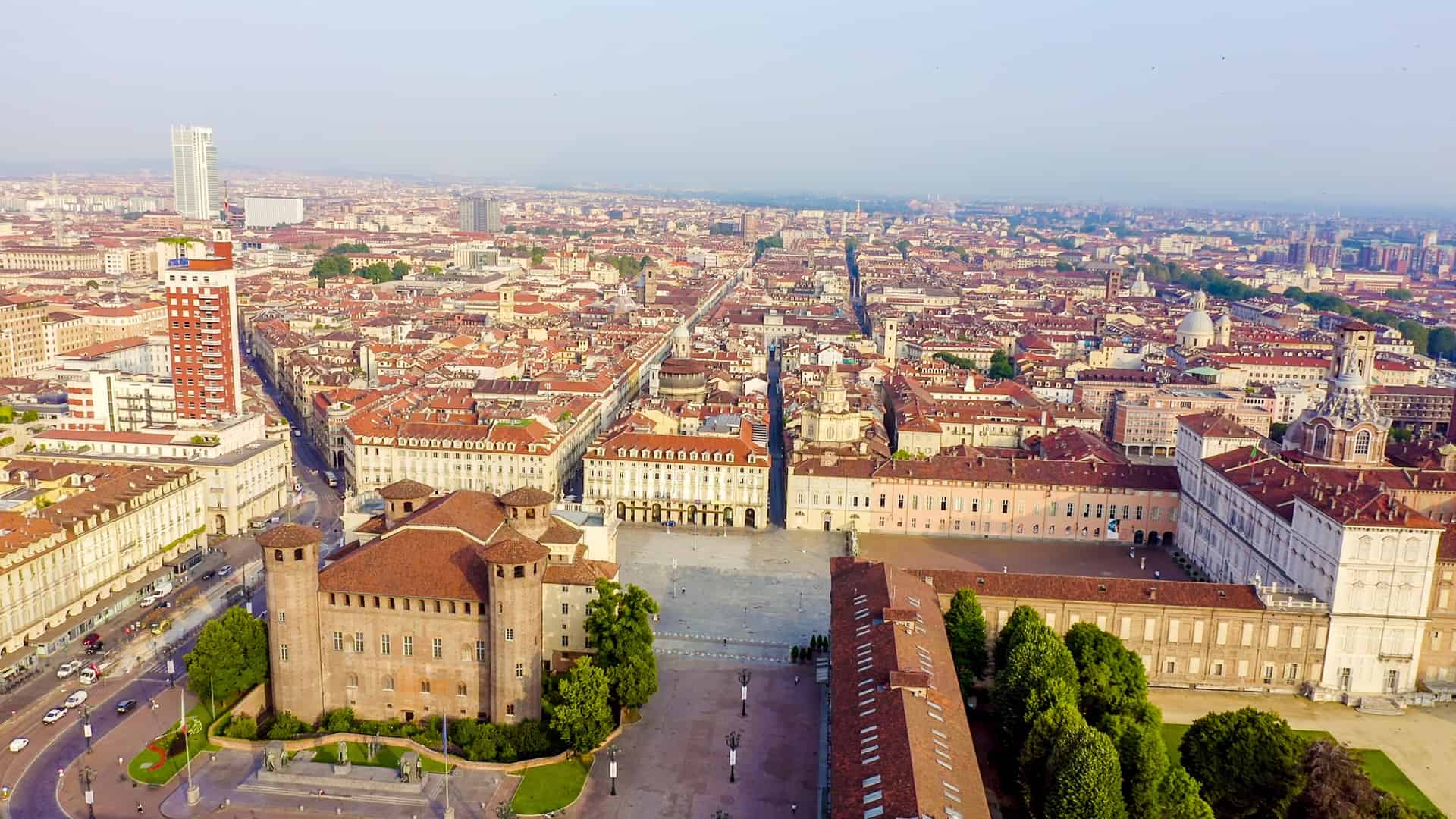
Turin – For four years, this city was the capital of Italy, and you can still see evidence of that on every corner. Turin lies at the foot of the Western Alps and thrives on a legacy that is greater than the city itself: eleven of the twenty-two Residences of the House of Savoy, which have been a UNESCO World Heritage Site since 1997, are located within the city limits, along with the Egyptian Museum with about 40,000 buildings and a 167.5-meter-tall tower that was originally planned as a synagogue and now houses a film museum.
This guide shows you the seven must-see attractions in Turin, how much admission costs for each one, how to get to the two castles just outside the city, and where to find the best places to eat along the way.
Turin by the Numbers
Turin isn't a city you can see in just two hours. The Egyptian Museum alone takes half a day, and the two Savoy castles just outside the city each take another half day. If you stay for three days, you can see the main attractions at a leisurely pace.
As of September 2026 · Information provided by the Museo Egizio, La Venaria Reale, GTT, the City of Turin, and UNESCO.
- Museum-goers who have time to spare
- Baroque enthusiasts and castle visitors
- City travelers without the crowds
- Coffee, Chocolate, and Vermouth Lovers
- Short visits lasting less than a day
- For those who want to avoid the heat in the height of summer
- Drivers who want to park in the city center
- Anyone who wants to see the Shroud
How much do the attractions in Turin cost?
Almost everything in Turin that requires an admission fee costs between €10.00 and €23.00. The most expensive are the Venaria Reale Palace for €22.00, and the combo ticket for the Film Museum and the Panorama Elevator in the Mole Antonelliana at €23.00. Anyone who manages to visit more than two houses in a day will have the Turin+Piedmont Card starting at €29.90 for 24 hours.
How Much Does a Trip to Turin Cost?
All prices are for adults without discounts. Online ticket purchases are required for the Egyptian Museum; they are recommended for the other museums.
| Offer | Price |
|---|---|
| Egyptian Museum | €18.00 · €3.00 for ages 15 to 30 |
| Royal Museums, including the Royal Palace, the Armory, and the Sabauda Gallery | €15.00 · €2.00 (reduced rate) |
| National Museum of Cinema in the Mole | 18,00 € |
| Panoramic Elevator at the Pier Alone | 9,00 € |
| Combined Ticket for the Film Museum and Elevator | 23.00 € · 20.00 € (reduced rate) |
| Palazzo Madama | €10.00 · €8.00 (reduced) |
| National Museum of the Risorgimento in Palazzo Carignano | 12,00 € |
| MAUTO, the Automobile Museum | 18,00 € |
| Venaria Reale Palace | €22.00 with Gärten and Mandria |
| Stupinigi Hunting Lodge | €12.00 · €5.00 for ages 6 to 18 |
| Sassi–Superga Rack Railway, Round Trip | €6.00 on weekdays · €9.00 on weekends |
| Turin+Piedmont Card | €29.90 for 24 hours to €52.90 for 120 hours |
As of September 2026 · Information provided by the Museo Egizio, the Ministry of Culture, the Museo Nazionale del Cinema, Palazzo Madama, the Museo del Risorgimento, MAUTO, La Venaria Reale, the Ordine Mauriziano, GTT, and Turismo Torino.
The following are free: Royal Gardens, the royal gardens behind the Royal Palace, the chapel with the shrine of the Shroud in the cathedral, and a stroll under the arcades. The Turin+Piedmont Card Does not cover local transit: GTT tickets at a special price of €7.00 for 48 hours are available only at the city’s tourist office. For a detailed description of what the interior of the Savoy family’s largest palace is like, see the article on Royal Palace of Turin.

Palazzo Reale di Torino: The Savoy Family's Magnificent Palace in Turin
Palazzo Reale di Torino: 300 Years of Savoy Rule, Gilded State Rooms, the Cappella della Sindone, and the Armeria Reale—including admission information, opening hours, and tips for 2026.
What are the 7 must-see sights in Turin?
Seven locations are on the itinerary for the first visit. With the exception of the basilica, they are all located in the city center and can be reached on foot, since Turin has a grid-like layout, keeping distances short.
1. Museo Egizio: 40,000 objects, 3,300 of which are on display
The Egyptian Museum It calls itself the world's oldest museum dedicated entirely to Egyptian culture. The collection comprises approximately 40,000 objects, of which 3,300 are on display in the galleries and another 12,000 or so in the Gallery of Material Culture, a walk-through exhibition warehouse. The largest piece is the rock temple of Ellesija, which arrived in Turin dismantled into 66 sections and was reassembled in 1970.
Admission costs €18.00; for ages 15 to 30, it’s only €3.00; for ages 6 to 14, it’s €1.00. It’s open seven days a week: Mondays from 9 a.m. to 2 p.m., Tuesdays through Fridays and Sundays from 9 a.m. to 6:30 p.m., and Saturdays until 8 p.m. Good to know: You must buy your ticket online; showing up at the ticket office without one won’t get you in. Plan to visit in the morning, so you can explore the burial chambers before the guided tours begin.

2. Mole Antonelliana: 167.5 meters, originally planned as a synagogue
The Mole Antonelliana is Turin's landmark and, at 167.5 meters, one of the tallest buildings in the city. The engineer Alessandro Antonelli She designed it in 1862 as a synagogue for the Jewish community. When the community ran out of funds, the city took over the construction; it was not completed until 1889, when Antonelli’s son, Costanzo, finished the project.
Today, the National Museum of Cinema inside, and the tour takes you from the shadow play through the first cameras all the way to the domed hall, where you can lie down on loungers and watch movies projected onto the ceiling. Admission to the museum costs €18.00; the glass-enclosed panoramic elevator to the observation deck costs €9.00; both together cost €23.00. It is open Mondays and Wednesdays through Sundays from 9 a.m. to 7 p.m.; it is closed on Tuesdays. The elevator travels freely through the interior; if you’re afraid of heights, you’re better off staying downstairs.

3. Piazza Castello and the Palazzo Madama
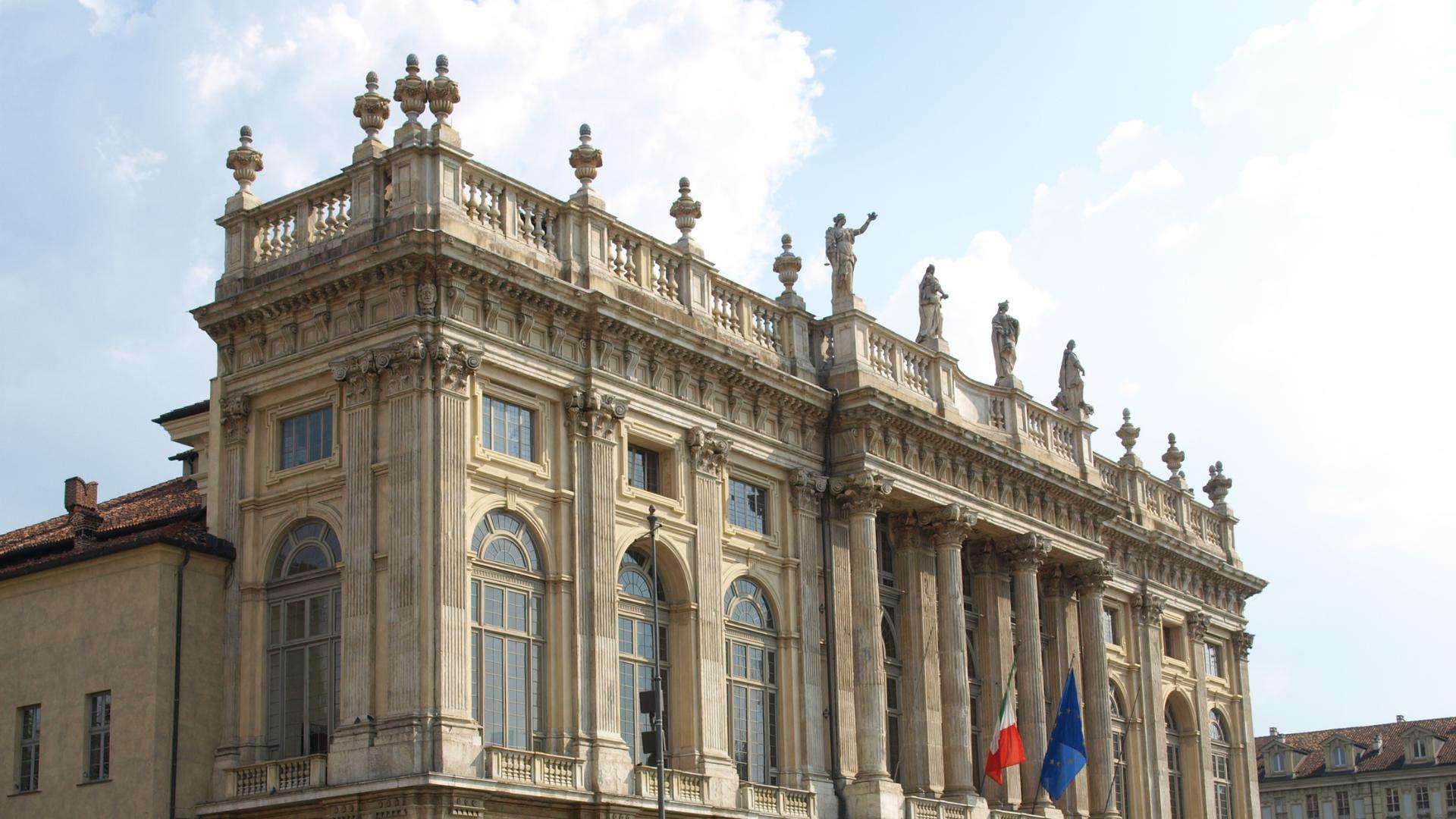
The Castle Square is the place where everything in Turin happens: the shopping street Via Roma south, the Via Garibaldi toward the west and the Via Po down to the river. Right in the middle of it stands the Palazzo Madama, a structure whose history is visible in layers: a Roman city gate, a medieval castle, and behind it a Baroque façade built between 1718 and 1721 based on a design by Filippo Juvarra was created.
Inside is the Civic Museum of Ancient Art featuring ceramics, sculpture, and paintings spanning eight centuries. Admission is €10.00, or €8.00 with a discount; it is open Mondays and Wednesdays through Sundays from 10 a.m. to 6 p.m., and closed on Tuesdays. From the tower’s terrace, you can see the entire square, and the path leading there passes by Juvarra’s grand staircase, the museum’s true highlight.
4. The Holy Shroud and the Cathedral
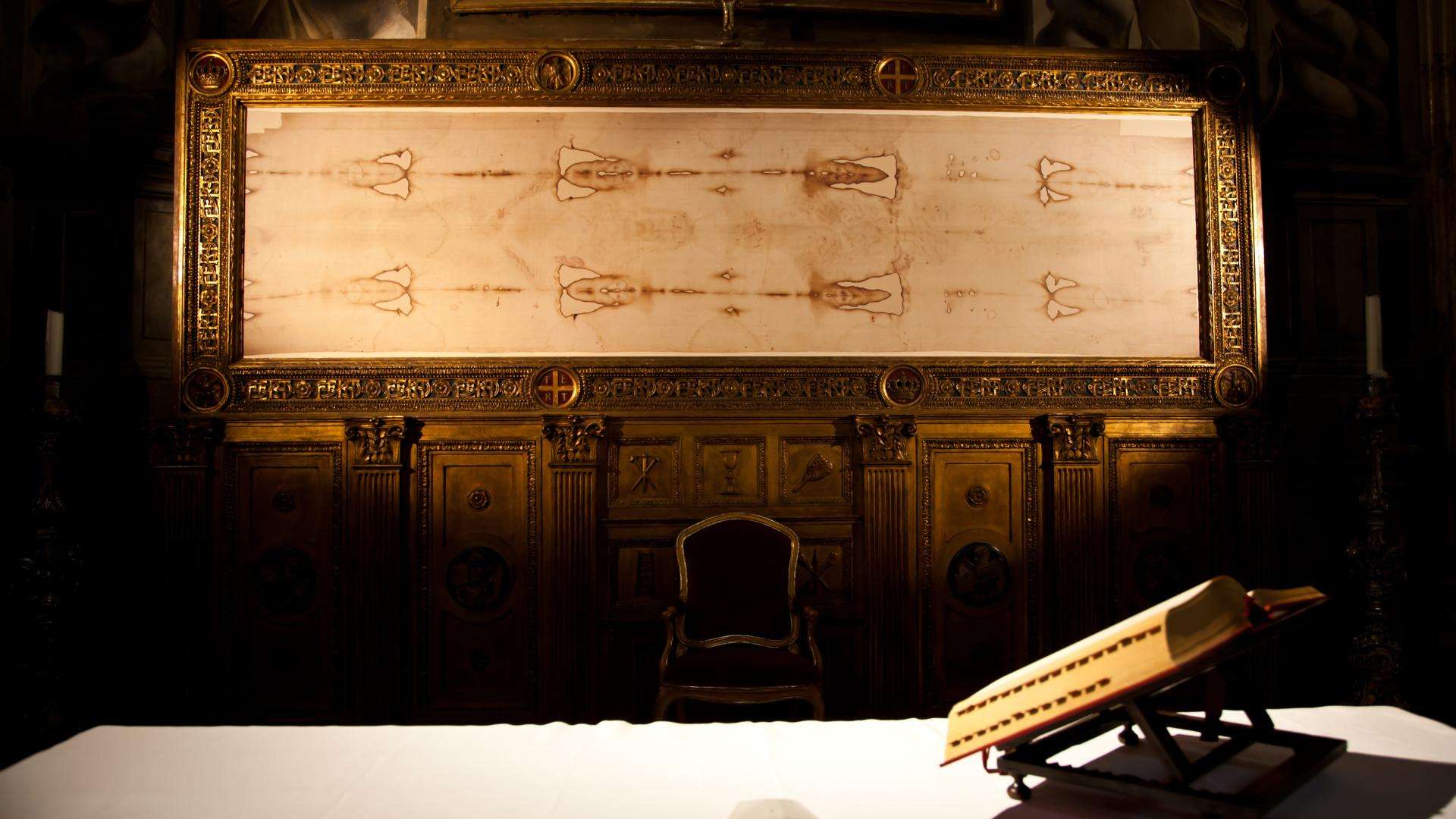
The Cathedral St. John the Baptist is the city's only Renaissance building, and it houses the world's most famous linen cloth. The Sindone, the Shroud of Turin, is located in the last chapel of the left aisle, beneath the Royal Gallery, in a sealed preservation container inside a large metal box.
Admission to the chapel is free; it is open daily from 9 a.m. to 12:30 p.m. and from 3 p.m. to 7 p.m., with limited access during Masses. Multilingual explanatory videos play on screens in the side aisle, and volunteers in purple jackets are available to provide information. Those who wish to study the shroud themselves should walk ten minutes further to the Museum of the Shroud in the 28 Via San Domenico, open daily from 9 a.m. to 12 p.m. and from 3 p.m. to 7 p.m.
The Shroud itself is not on display. It is removed from the reliquary only for public viewings; the last one took place in 2015, and no further viewings have been announced. A photographic reproduction is on display in the cathedral.
5. Piazza San Carlo and the Arcades
The Piazza San Carlo is Turin's "salon": a rectangular square surrounded by arcades, with two Baroque churches on its south side San Carlo and Santa Cristina, which face each other like twins. In the middle, a figure rides Emanuele Filiberto of Savoy made of bronze; the monument is commonly known simply as the "bronze horse.".
Shops and historic cafés line the arcades, and this is exactly where you get a taste of one of the city's best sides: the aperitivo, the drink before dinner—a meal in Turin that comes with so many small dishes that many people skip dinner altogether. When it rains, the square is a destination in itself, because you can stay dry under the arcades until Castle Square you'll come.

6. The Market at Porta Palazzo
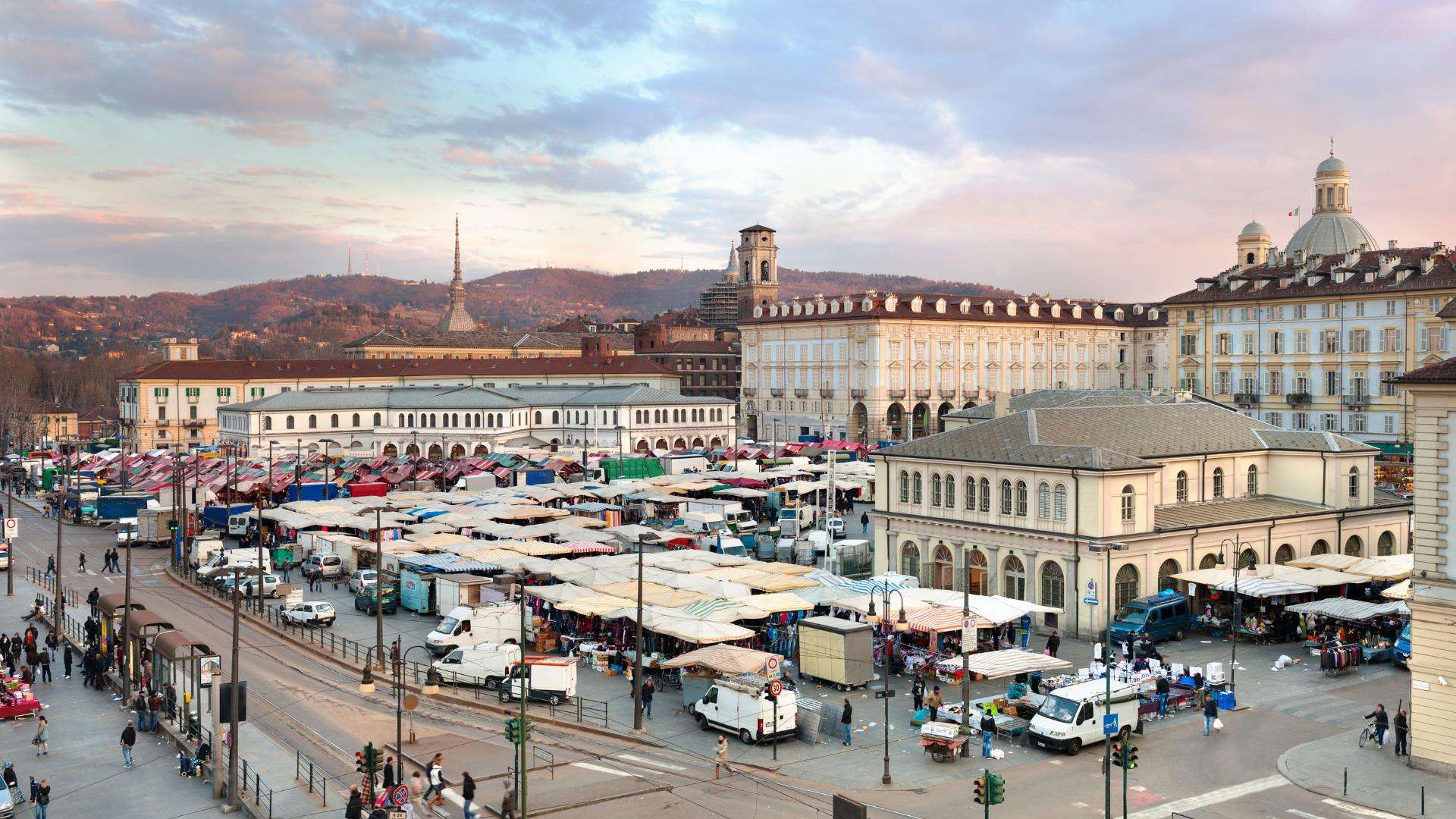
The market at the Porta Palazzo takes up almost all of the Piazza della Repubblica and is officially called Mercato Repubblica. The city of Turin calls it the largest open-air market in Europe. The stalls are filled with all kinds of goods: fruits and vegetables, meat and cheese, as well as clothing, pots, and household goods.
It’s open Monday through Friday from 7 a.m. to 2 p.m. and Saturday from 7 a.m. to 7 p.m.; on Sundays, the square is empty. Saturday is the busiest day with the widest selection—and also the day when you’ll have to push your way through the narrow streets. If you prefer a quieter atmosphere, come on a weekday morning and then take the short walk over to the Porta Palatina.
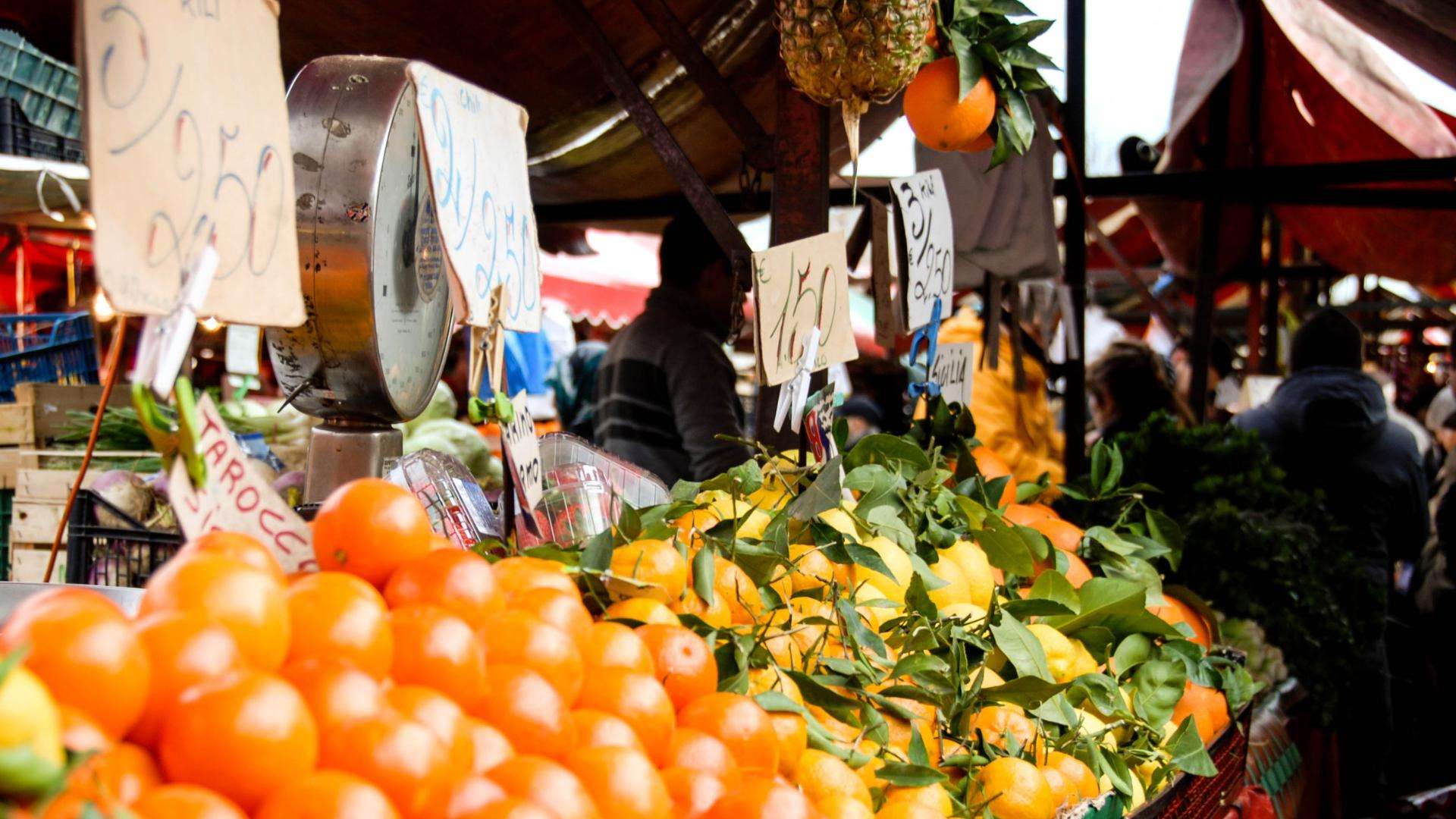
Surrounding the market is the Roman Quadrilateral, the neighborhood with the Roman street grid, where the bars open in the evening. From above, you can see just how large the market area really is and how close the hills beyond the Po River come to the city.
7. The Basilica of Superga, overlooking the city
On the highest hill above Turin stands the Basilica of Superga, a Baroque building from Filippo Juvarra, beneath which lie the tombs of the House of Savoy. On clear days, from the church square, you can see all the way across the city to the Alps.
The hill is also known for a tragic reason: On May 4, 1949, at 5:03 p.m., the plane carrying the crew of the Grande Torino returned from a game in Lisbon, crashed into the wall of the basilica. Players, coaches, officials, journalists who had traveled with the team, and the crew lost their lives. Behind the church, a memorial honors their memory. The cograil climbs up from Sassi: On weekdays, a one-way ticket costs €4.00 and a round-trip ticket costs €6.00; on weekends and holidays, a one-way ticket costs €6.00 and a round-trip ticket costs €9.00. It runs hourly on Mondays, Tuesdays, Thursdays, and Fridays from 10 a.m. to 6 p.m., on Saturdays from 9 a.m. to 11 p.m., and on Sundays and holidays from 9 a.m. to 8 p.m. It does not run on Wednesdays.

What remains of Roman Turin?
More than you'd expect from a Baroque city. The Porta Palatina, one of Rome’s four city gates, dates back to the 1st century A.D. and remains almost entirely intact: a central gate with two vehicle passages and two pedestrian passages, flanked by two hexadecagonal towers. Over the centuries, the structure also served as a prison.
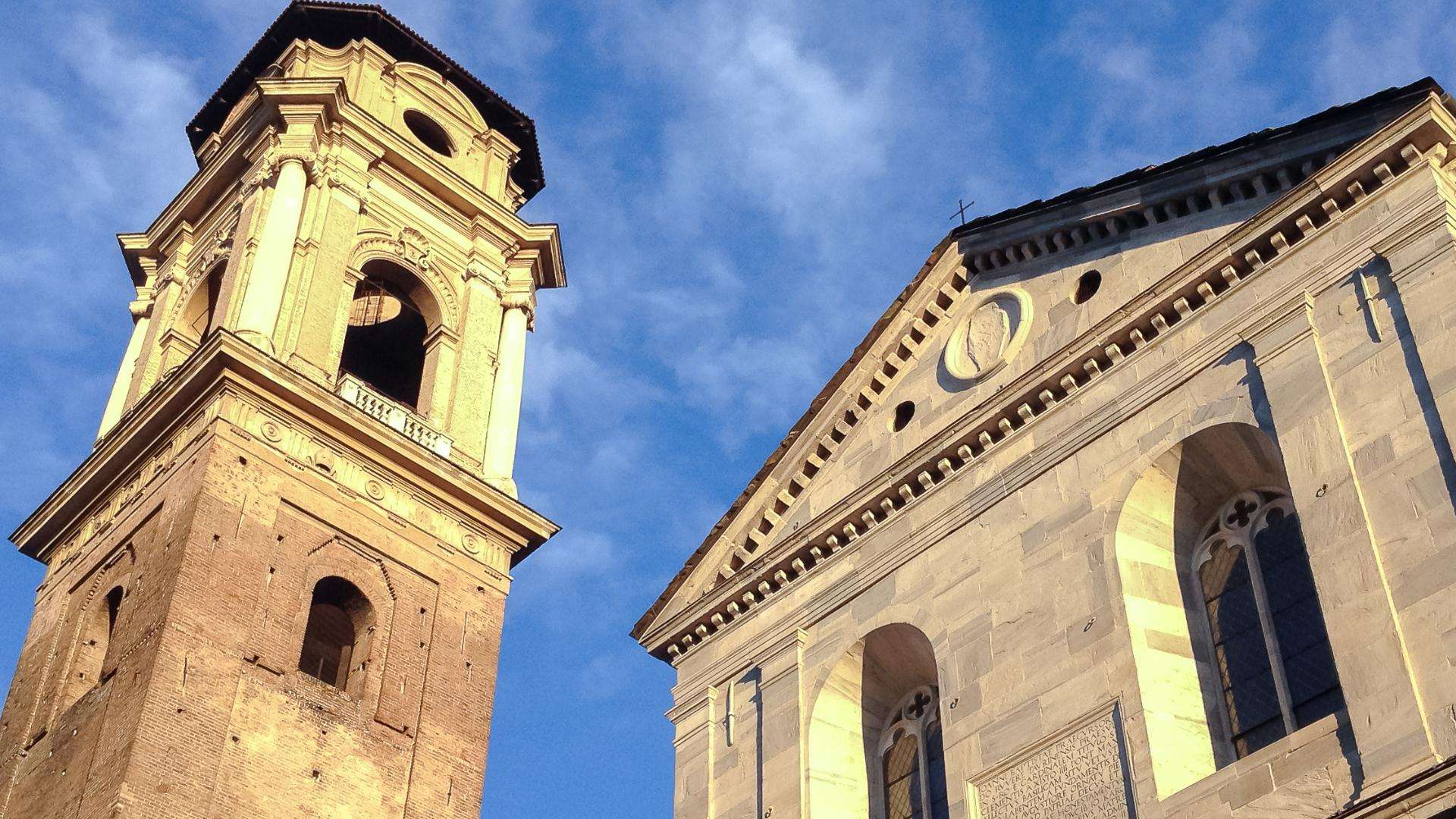
Right next to it is the Cathedral Quarter, with its freestanding bell tower and the cathedral’s Renaissance façade. You can walk through the entire neighborhood in half an hour, and since the Roman grid still determines the layout of the streets today, you won’t get lost.
What other museums are worth visiting in Turin?
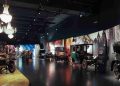
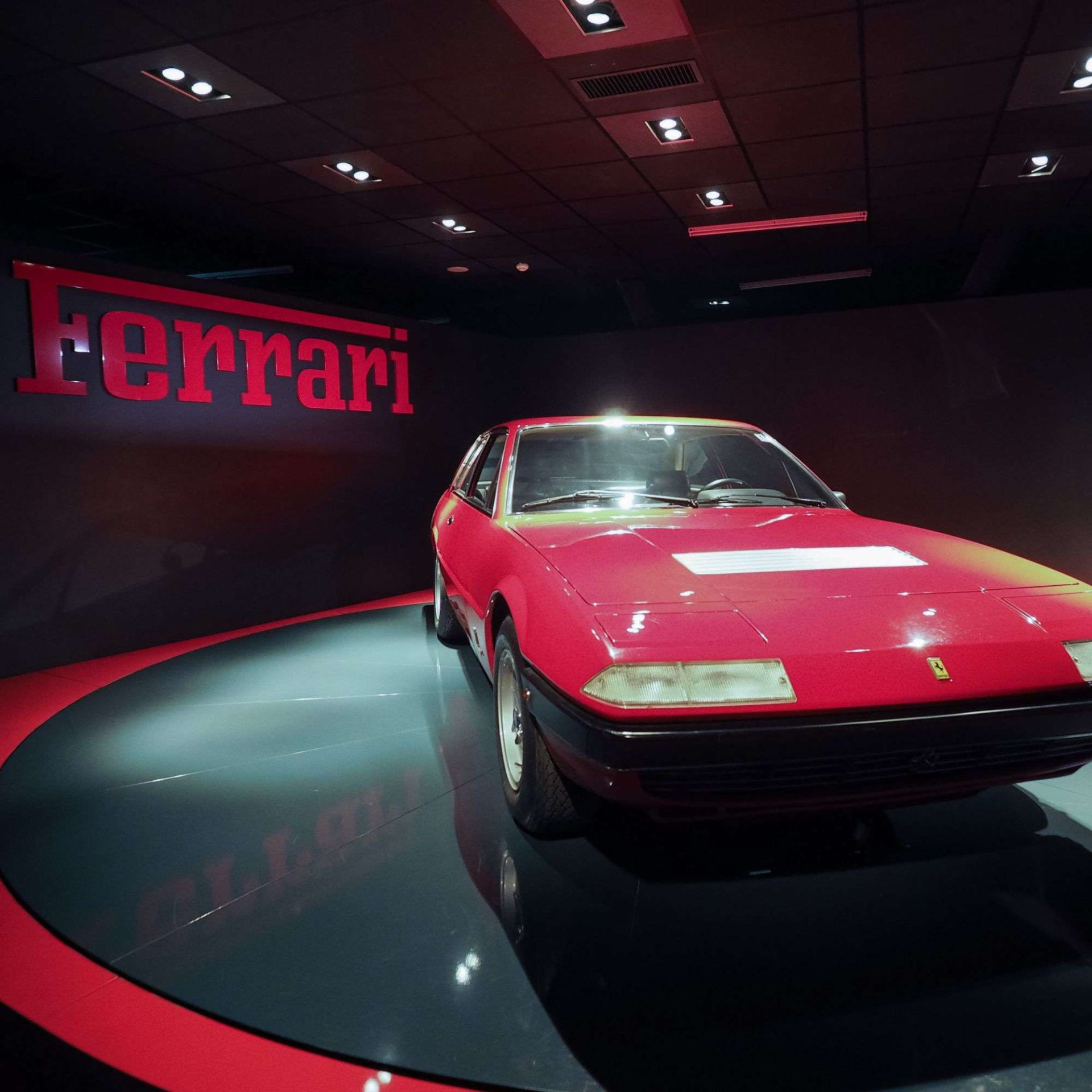
Two houses are located a bit off the usual route, yet it still takes half a day to reach them. The MAUTO, the National Automobile Museum on the banks of the Po River, displays over 200 original vehicles from eighty brands, ranging from steam-powered cars to the latest models, plus about seventy more in the walk-in depot. Admission costs €18.00; it is open Mondays from 10 a.m. to 2 p.m. and Tuesdays through Sundays from 10 a.m. to 7 p.m.
The National Museum of the Risorgimento in the Palazzo Carignano tells the story of how many states became one country. Its centerpiece is the hall of the Subalpine Parliament, where the first Italian Parliament convened when Turin was the capital. Admission is €12.00; it is open Tuesday through Sunday from 10 a.m. to 6 p.m. and is closed on Mondays. Keep this in mind: The day it’s closed here is different from that of the Film Museum and the Palazzo Madama, both of which are closed on Tuesdays. If you want to visit both in one day, plan your visit for Wednesday through Sunday.
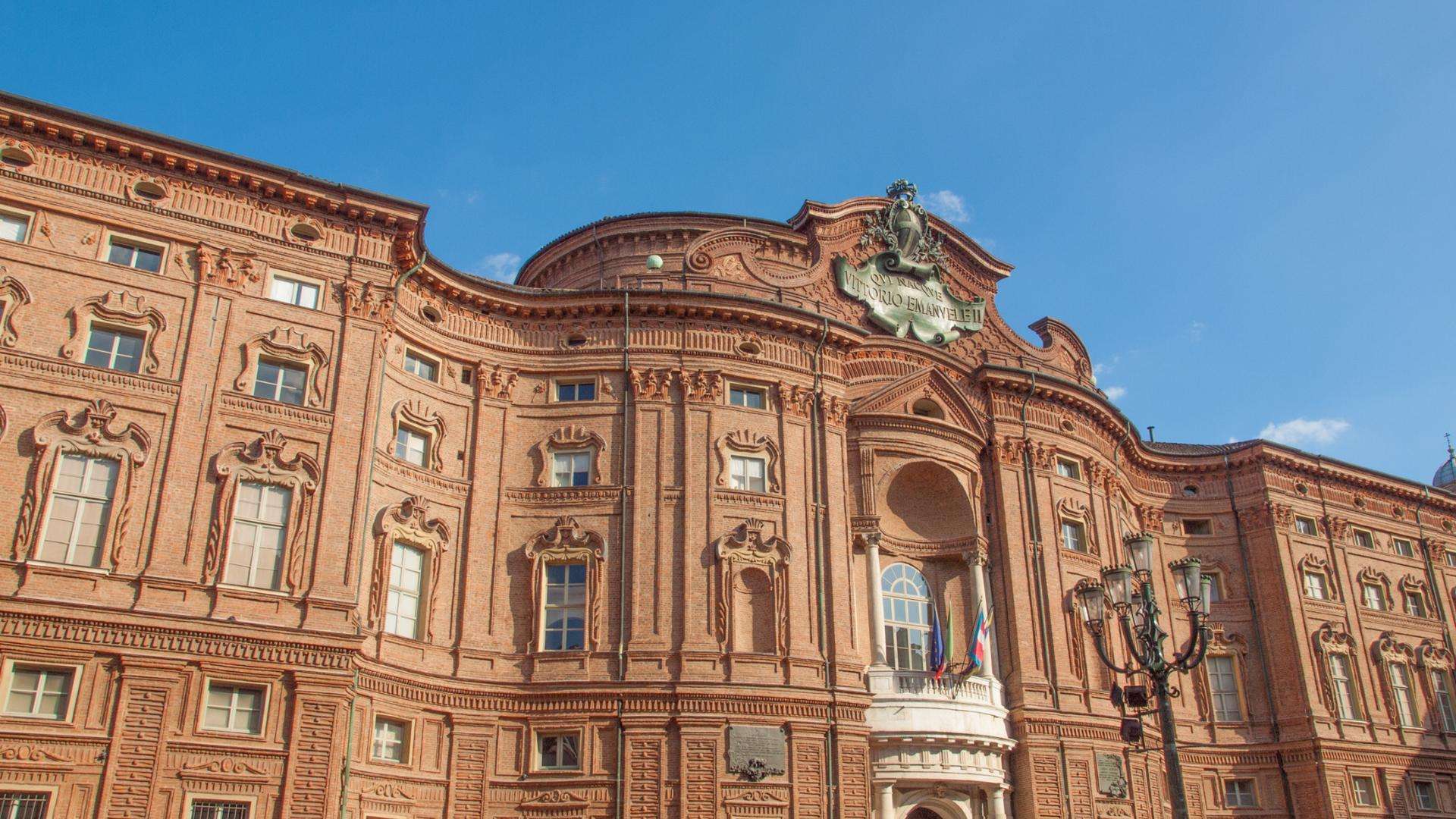
What can be seen of the Savoy royal residences?
In 1997, UNESCO didn't list just one castle, but twenty-two: eleven in the city of Turin and eleven in the surrounding region. Two of them are worth the trip outside the city, even if you don't usually like castles.
The Venaria Reale Palace In the town of the same name north of Turin, construction began in 1658 based on a design by the court architect Amedeo di Castellamonte as a hunting lodge and pleasure palace. Beginning in 1699, he built Michelangelo Garove continued, from 1716 onward Filippo Juvarra, from which the white Galleria Grande originates. After the Napoleonic era, the building was used by the military and fell into disrepair; restoration did not begin until the late 20th century. Admission costs €22.00 and includes access to the gardens and the Castello della Mandria It is open Tuesday through Sunday from 9:30 a.m. to 6:00 p.m.

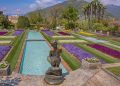
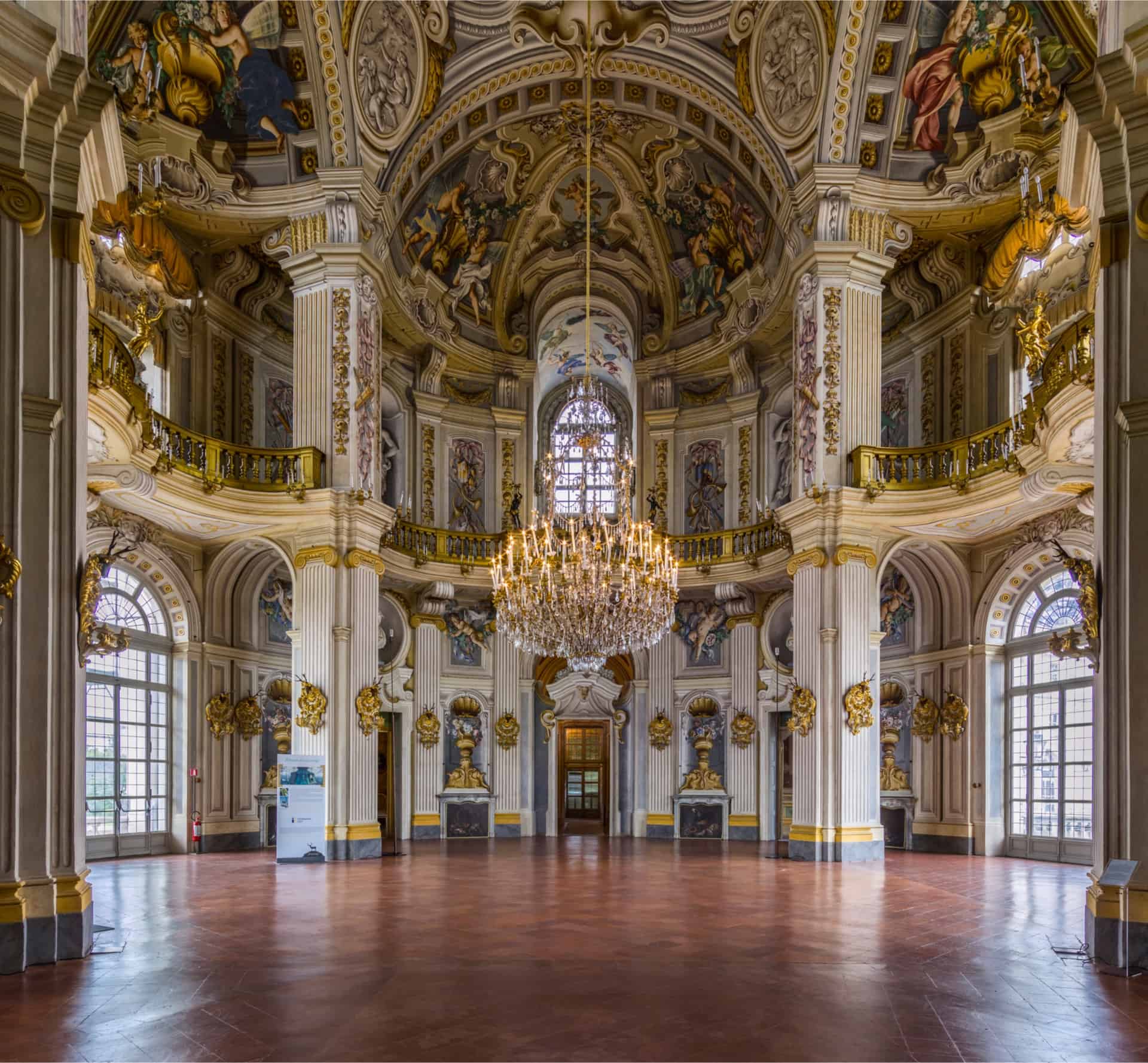
The Stupinigi Hunting Lodge To the southwest of the city lies its counterpart: not a palace, but a hunting lodge, built in a star shape around an oval ballroom, designed by Filippo Juvarra. Napoleon lived here in the early 19th century. Today, it houses the Museum of Art and Furniture featuring original pieces from the Savoy residences. Admission is €12.00; €5.00 for ages 6 to 18. The museum is open Tuesday through Friday from 10:00 a.m. to 5:30 p.m. and on Saturdays, Sundays, and holidays from 10:00 a.m. to 6:30 p.m.
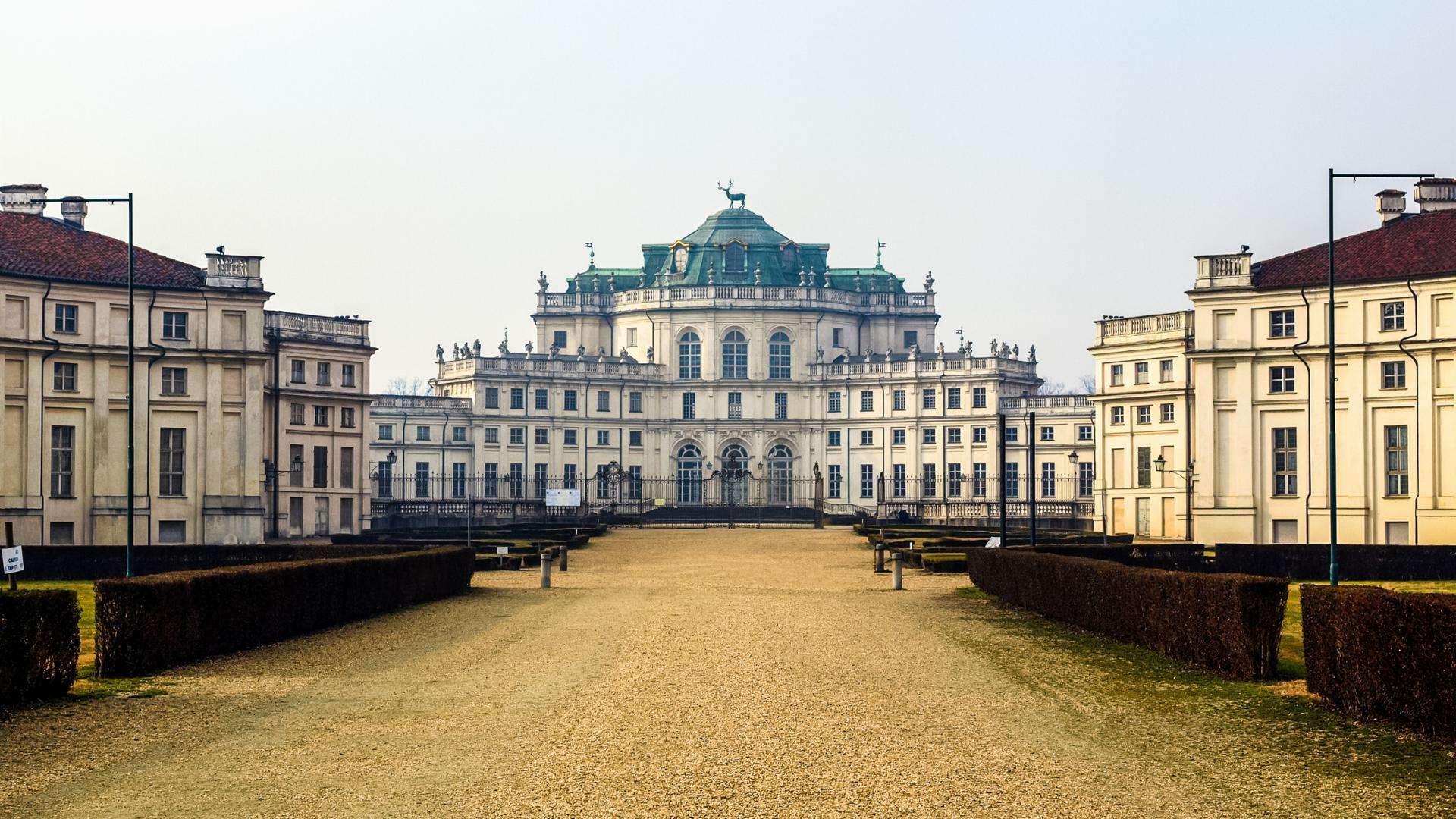
Good to know: The historic garden at Stupinigi is open only from March 1 through October 31, and admission is charged separately. On top of the dome stands a bronze stag—a replica; the original by Francesco Ladatte welcomes you to the stables. The oval hall inside is the main attraction, and it never gets crowded, even when Venaria hosts bus tours on the same day.

Piedmont Travel Guide
Piedmont Travel Guide: The Most Beautiful Places, Best Time to Visit, How to Get There, and Accommodations—an overview of all Piedmont articles from italien.news.
How do you get to Turin and around the city?
The airport Turin-Caselle, officially Turin „Sandro Pertini“ Airport“, is located north of the city. The train station is directly across from the arrivals area: The line SFM A runs seven days a week in about 30 minutes to Turin Porta Susa and costs €3.70. From Porta Susa, the first train departs at 5:01 a.m. on weekdays, and the last at 9:25 p.m.; from the airport, trains run from 6:00 a.m. to 10:28 p.m.
In the city, you take GTT, the city's public transportation agency. The single-ride ticket City 100 costs €1.90 in the app and €2.00 in print, is valid for 100 minutes, and includes one metro ride. The day pass Daily is €3.70 for the digital version. The Metro Line 1 connects Fermi in Collegno with the Piazza Bengasi in the south, and the trip takes about 25 minutes. It runs Monday through Thursday from 5:30 a.m. to 9:30 p.m.; after that, a replacement bus takes over M1S until 12:30 a.m., Fridays and Saturdays until 1:00 a.m., Sundays and holidays from 7:00 a.m. to 9:30 p.m.
To the Venaria Reale Palace drives the Venaria Express from the bus station in the Via Fiochetto with stops at the Piazza Vittorio Veneto and the Castle Square, Tuesday through Sunday and on holidays. On weekends, it costs €7.00 and is valid all day for boarding and exiting, with the Turin+Piedmont Card €4.00. Normal city fares apply from Tuesday through Friday. Alternatively, you can take the GTT Line 11 to the stop Borgo Antico.
The Central ZTL The center is closed Monday through Friday from 7:30 to 10:30 a.m., but not on Saturdays and Sundays. The Roman Area is closed daily from 9:00 p.m. to 7:30 a.m., the ZTL Valentino in the park 24 hours a day. Hotel guests do not need prior authorization: The hotel will report your license plate number to GTT afterward.
What should you definitely try in Turin?
Turin is both a sweet and a bitter city. One aspect is the bicerin, a drink made from espresso, hot chocolate, and milk cream, which is served in layers in a glass and is not stirred. The other is vermouth, a fortified wine that has its own protected geographical indication here: Vermouth di Torino IGP, protected since the Ministerial Decree of March 22, 2017, with Piedmontese mugwort as its main ingredient.
In between lies the Gianduiotto, the bar-shaped piece of chocolate made from cocoa and hazelnuts, which dates back to a time when cocoa was scarce and expensive. An application for PGI protection has been pending since 2022 and has not yet been decided. And then there’s the aperitivo: Between 6 and 8 p.m., the bars fill up; drinks are accompanied by a buffet, and in Turin, that’s not just a handful of olives—it’s often a full meal.
Where's the best place to eat in Turin?
Three establishments have their history embedded in their names. They aren’t hidden gems, but they embody what makes Turin special: cafés and restaurants that have been at the same address since the 18th century and where service still matters.
Historic Cafés and Restaurants in Turin
All three are located in the city center and are within walking distance.
| Restaurant | Here's what you can expect |
|---|---|
| Caffè Al Bicerin 5 Piazza della Consolata | A tiny, historic café dating back to 1763, where the bicerin was invented. Six tables, marble tops—the recipe remains a family secret. |
| Caffè Baratti & Milano 27 Piazza Castello | The city’s salon since 1875: mirrors, stucco, and a pastry shop offering gianduiotti and nocciolato. The restaurant is open Tuesday through Sunday from 12:30 p.m. to 2:45 p.m.; it is closed on Mondays. |
| Ristorante Del Cambio 2/2 Piazza Carignano | Founded in 1757 across from the theater, it offers Piedmontese cuisine with French influences and a wine cellar housing over 16,000 bottles. The Bar Cavour and the Farmacia Del Cambio are part of the establishment. |
As of September 2026 · Be sure to make a reservation in advance at Del Cambio and Baratti—both are packed in the evenings.
Where's the best place to stay in Turin?
If you want to explore the museums on foot, stay between Porta Nuova and the Castle Square. From there, you can reach the Egyptian Museum, the pier, and the cathedral in just a quarter of an hour each, and the train station for trips to Venaria or Stupinigi is right outside the door.
Three houses in the center of Turin
All three are located between the train station and Piazza Castello.
| Accommodations | Here's what you can expect |
|---|---|
| Grand Hotel Sitea 35 Via Carlo Alberto | Five-star, historic hotel just a few steps from Piazza San Carlo and the Porta Nuova train station. Carignano Restaurant, bistro, American bar, electric car charging station, dogs welcome. |
| Turin Palace Hotel 8 Via Paolo Sacchi | A four-star hotel in a building dating from 1870, located directly across from the Porta Nuova train station under the arcades. Les Petites Madeleines restaurant, a small wellness area, and parking. |
| Hotel Victoria 4 Via Nino Costa | A four-star boutique hotel now in its third generation, with 106 rooms in a quiet pedestrian zone three blocks from Piazza San Carlo. Iside Spa with a heated pool and sauna, free for hotel guests; bike rentals available. |
As of September 2026 · The city gets crowded during the book fair in May and the film festival in late November, so be sure to book early.
When is the best time to visit Turin?
April through June and September through October are the most pleasant months. Temperatures remain moderate, the gardens of Venaria and Stupinigi are in bloom, and the Stupinigi Garden is only open from March 1 through October 31.
High summer in the Po Valley is hot and humid, but the museums are cool and the city is less crowded. Winter has its own appeal: Turin is often bathed in clear air at that time of year, and on such days, the Alps behind the Mole are so close that you can count the individual peaks. You can check the current weather on our website Weather in Turin.
What holidays and events should you plan for?
Three events are making a noticeable difference in the city. The International Book Fair, Italy's most important book fair, will take place from May 14 to 18, 2026, at the Lingotto Fiere took place at the old Fiat factory in the southern part of the city. The Turin Film Festival The 44th edition will take place from November 24 to December 2, 2026. During both weeks, hotels are more expensive and book up earlier.
The third is the city’s patron saint: On June 24, the bishop celebrates Mass in the cathedral, a series of events takes place along the Po River, and in the evening, fireworks light up the sky over the river. The evening before is dedicated to the Farò, the bonfire on the Castle Square, in which about 2,000 participants take part in the historical parade. In winter, Luci d’Artista In addition, there are light installations by contemporary artists in the streets; the city will announce the dates for the next edition in the fall.
What You Should Know About Turin
Five things that will save you time and hassle before your trip.
1. You can't see the shroud. It is kept locked away in the cathedral; the last public display was in 2015, and the next one has not been announced. Anyone coming specifically for this should visit the Museo della Sindone, where reproductions and the history of research are on display—and will get more out of that than from a glimpse of a metal case.
2. The days off contradict each other. The Film Museum and Palazzo Madama are closed on Tuesdays, the Risorgimento Museum on Mondays, the Musei Reali on Wednesdays, and Venaria and Stupinigi on Mondays. Wednesday through Sunday is the only time when almost everything is open.
3. Driving to the city center is expensive. The ZTL is in effect on weekday mornings, the Area Romana at night, and parking costs money even at the entrance. Park your car at a metro station and take the metro for the last few kilometers for €1.90.
4. The museum pass is only worth it if you visit at least three museums. It's easy to compare €29.90 for 24 hours to €18.00 at Egizio. Starting with your third visit, the cost really adds up, and from then on, you don't have to wait in line either.
5. Turin is bigger than it feels. The palaces are located just outside the city, not within it, and each is about a good half-hour drive away. If you want to visit Venaria and Stupinigi in a single day, it will be a full day, but not an impossible one: both are open until late afternoon.
Who should visit Turin?
For museum-goers. Hardly any other Italian city offers so much in such a small area: Egypt, cinema, automobiles, and the Risorgimento are all right in the heart of the city.
For Baroque enthusiasts. Juvarra’s work here is unlike anywhere else. Anyone who sees the Basilica, Stupinigi, and the Galleria Grande in Venaria one after another will recognize his signature style.
For connoisseurs. Bicerin, gianduiotto, vermouth, and the aperitivo aren't just tourist attractions here—they're part of everyday life.
For returning students. Anyone who knows Italy and has already visited Rome, Florence, and Venice will find here a large city where you can still get around easily.
Combine a visit to Turin with stops in Venaria Reale, Stupinigi, and Piedmont
Three days are enough to see the city and both castles. If you have a week, head out to the wine-growing hills: the Langhe and Monferrato lie to the south, and the Piedmont Travel Guide sorted by what's worth doing and why. If you want to include Turin in a longer trip, check out our suggestion for Northern Italy Off the Beaten Path A fourteen-day itinerary.
Golfers have their own argument in the city: The Open d'Italia has visited Turin and Piedmont several times. And anyone thinking about staying longer will find Moving to Turin The hard facts about rents and the job market.
Northern Italy Off the Beaten Path: Piedmont, the Dolomites, and Friuli in 14 Days
Fourteen days through Piedmont, the lakes, the Dolomites, and Friuli—planned day by day, with verified prices in U.S. dollars for access roads, mountain railways, and tickets.
Our conclusion: Turin is Italy's most underrated major city
Turin attracts fewer visitors than Milan, Florence, or Venice, and that’s its advantage. You can explore the world’s second-most important Egyptian museum without the crowds, stroll through arcades where no one is selling selfie sticks, and on a clear day, take in the entire Alpine range from the church square in Superga.
Price-wise, the city stays within reason: The most expensive tickets cost €22.00 and €23.00, with most costing less, and the Torino+Piemonte Card pays for itself starting with the third museum of the day. If you add public transportation, you can get around the city for €1.90 per ride or €3.70 per day.
Plan on three days: one for the city center—including the Egizio, the Mole, and the cathedral—one for Venaria, and one for Stupinigi and Superga. If you want to read up beforehand on what the largest Savoy palace looks like inside, start with the Royal Palace of Turin to.
Map: Turin, Piedmont
FAQ - Frequently Asked Questions About Turin
Prices, hours of operation, and schedules are subject to change; please check the official websites for the latest information before your trip.
Sources and Further Information
- Egyptian Museum, Admission Fees (accessed in September 2026)
- Ministry of Culture, Royal Museums of Turin (accessed in September 2026)
- National Museum of Cinema, Hours (accessed in September 2026)
- La Venaria Reale, Tickets (accessed in September 2026)
- Mauritian Order, Stupinigi Hunting Lodge (accessed in September 2026)
- GTT, Sassi-Superga Tram (accessed in September 2026)
- City of Turin, Central ZTL (accessed in September 2026)
- City of Turin, Mole Antonelliana (accessed in September 2026)
- Sindone.org, Where Is the Shroud? (accessed in September 2026)
- Turismo Torino, Torino+Piemonte Card (accessed in September 2026)