



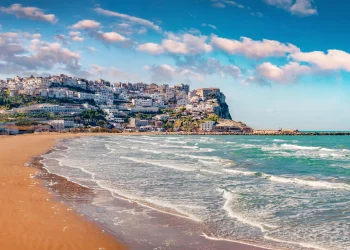

Vacation in Apulia
White trulli with conical roofs, Baroque facades made of honey-colored stone, and cliffside baths overlooking turquoise-blue waters: Apulia (Italian Puglia) is the „heel“ of the Italian boot—covering an area of about 19,500 km², with approximately 800 kilometers of coastline along the Adriatic and Ionian Seas. Its capital is Bari, and the trulli of Alberobello have been a UNESCO World Heritage Site since 1996. Hardly any other region in Italy combines so much sea, architecture, and cuisine in such a flat, sunny landscape.
On this page, you'll find an overview of all the articles about Apulia from italien.news: from the Bari Travel Guide About the Baroque City Lecce and the Trulli of Alberobello to the cliff Polignano a Mare. You'll also find key facts, accommodation options, and answers to frequently asked questions—all updated regularly.
Apulia at a Glance
Puglia is located in southeastern Italy and forms the „heel“ of the boot between the Adriatic Sea and the Ionian Sea. Its capital is Bari, and its most famous destinations are Lecce, Alberobello, Polignano a Mare, Ostuni, and Gallipoli.
You can reach the region via the A14 Adriatica highway to Bari, or by train to Bari Centrale or Lecce.
As of August 2026 · Area and population figures are rounded.
Stories from Apulia
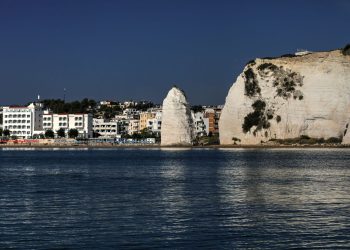
5-star hotels in Apulia – eight properties from the Gargano to Salento
Eight officially classified 5-star hotels in Apulia. Compare beach hotels, city palazzi and masserie from the Gargano to Salento.
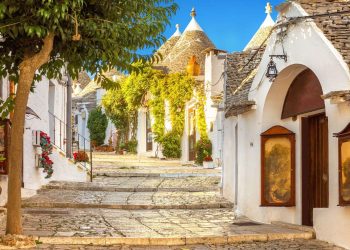
Übernachten im Trullo in Alberobello – welche Lage zu dir passt
Übernachten im Trullo in Alberobello: Rione Monti, Aia Piccola oder Landtrullo? Mit Tipps zu Ausstattung, Parken, Anreise und der Wahl...

Lichterfest in Scorrano – Santa Domenica und die Luminarie des Salento
Beim Lichterfest in Scorrano leuchten die Straßen des Salento. Erfahre, wann Santa Domenica gefeiert wird und wie du Prozession, Licht...
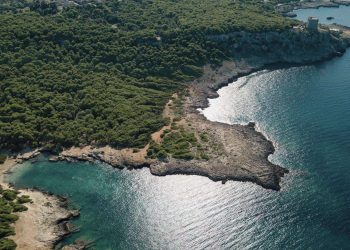
Porto Selvaggio: Nature Park, Swimming Bay, Hiking Trails, and How to Get There
A pebble cove with cold spring water, three watchtowers, and the Grotta del Cavallo: what the Porto Selvaggio Nature Park near Nardò in Salento...

Valle d’Itria: 7 Highlights, Trulli Villages, and Tips
Trulli nestled among olive trees, white towns perched on the hills, and a bike path along the old aqueduct: which seven places are featured in...

Beaches in Salento: The 12 Most Beautiful in the Province of Lecce
Twelve beaches in Salento between San Cataldo and Punta Prosciutto, with Blue Flag 2026 certification, beach rules, and how to get there without a car.
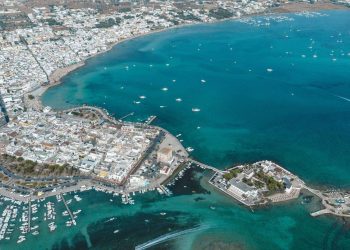
Porto Cesareo Attractions: 7 Highlights & Tips
Seven attractions, three watchtowers, and a 16,654-hectare marine protected area: What Porto Cesareo in Salento really has to offer.
Grotta del Canale in Salento: Location, Access, and Boat Tours
The Grotta del Canale is located near Sant'Andrea in the municipality of Melendugno and is accessible only by water.

Margherita di Savoia Saltworks: Salt, Flamingos, and Visitors
Italy's largest salt flat is located in Apulia: 4,500 hectares of basins, a breeding ground for flamingos since 1986, and a nature reserve that you can only...
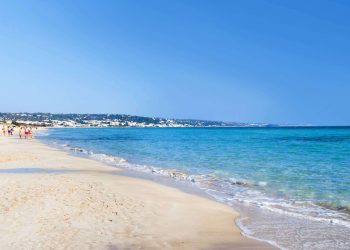
Salento's Maldives: Beach, How to Get There, and Tips for Pescoluse
Light-colored sand, shallow water, and Blue Flag status since 2009: What the Maldive del Salento near Marina di Pescoluse really...
Spiaggia della Scialara in Vieste: 5 Things That Make This Beach Special
Just under four kilometers of sand lie beneath the old town of Vieste, with the limestone rock formation Pizzomunno in front of it and a sea that is over fifty meters...

Baia delle Zagare: Faraglioni, Access, and Tips in the Gargano Region
Baia delle Zagare, near Mattinata, is the most spectacular bay in the Gargano—and the hardest to reach.
Abbazia Santa Maria di Pulsano: Abbey and Hermitages on the Gargano
The Abbazia Santa Maria di Pulsano is located 8 kilometers southwest of Monte Sant'Angelo, overlooking a ravine dotted with hermitages — a...

Manfredonia Attractions: 7 Highlights & Hidden Gems in the Gargano Region
Manfredonia on the Gargano: seven attractions, from the “Wire Basilica” in Siponto to the Staufer Castle and the fishing port—including prices, days closed...

Bari Vecchia: A Stroll Through Bari's Old Town – 7 Highlights & Hidden Gems
Bari Vecchia is the lively heart of Bari: the 7 most beautiful sights in the old town, Orecchiette-lined alleys, prices, how to get there, and honest tips.
Top accommodations in Puglia

Which places in Apulia are worth visiting?
The short version: In the north lies the rugged Gargano; in the center, the Valle d’Itria with its white villages; and in the south, the Salento with its Baroque architecture and swimming coves.
- Bari and the Adriatic Coast: In Bari Vecchia Women roll orecchiette pasta right outside the front door, and the Basilica di San Nicola is the resting place of the remains of Saint Nicholas. To the south: Polignano a Mare, perched on 20-meter-high cliffs, and the fishing port of Monopoli.
- Valle d’Itria: Alberobello has about 1,500 trulli, plus the circular Locorotondo and the „White City“ Ostuni on its hill overlooking the sea of olive trees.
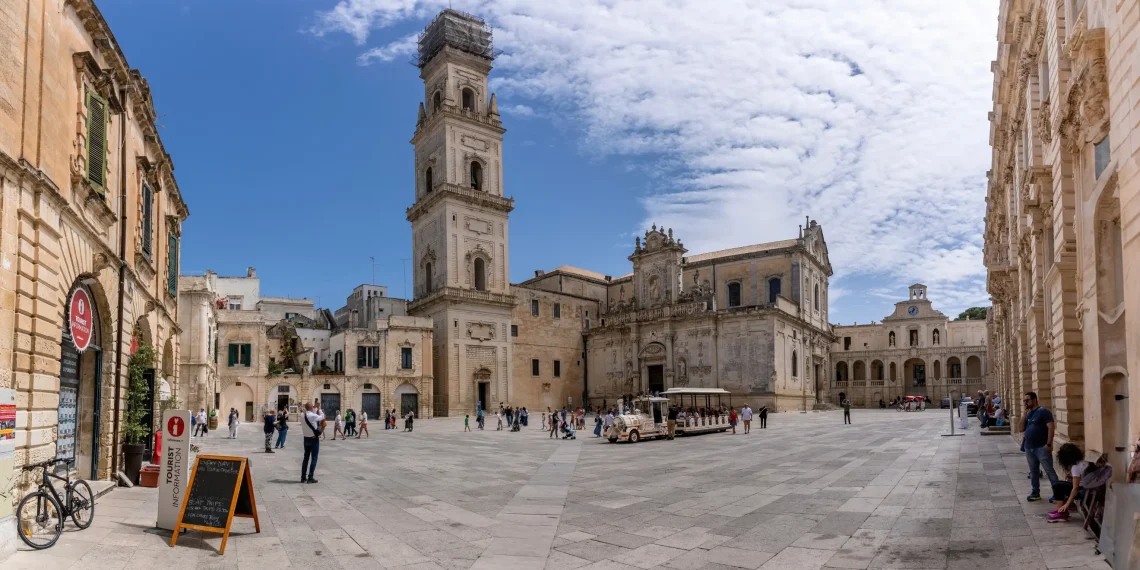
- Salento: Lecce is known as the „Florence of the South,“, Otranto is located at Italy's easternmost point, and Gallipoli connects the Old Town island and the city beach on the Ionian Sea.
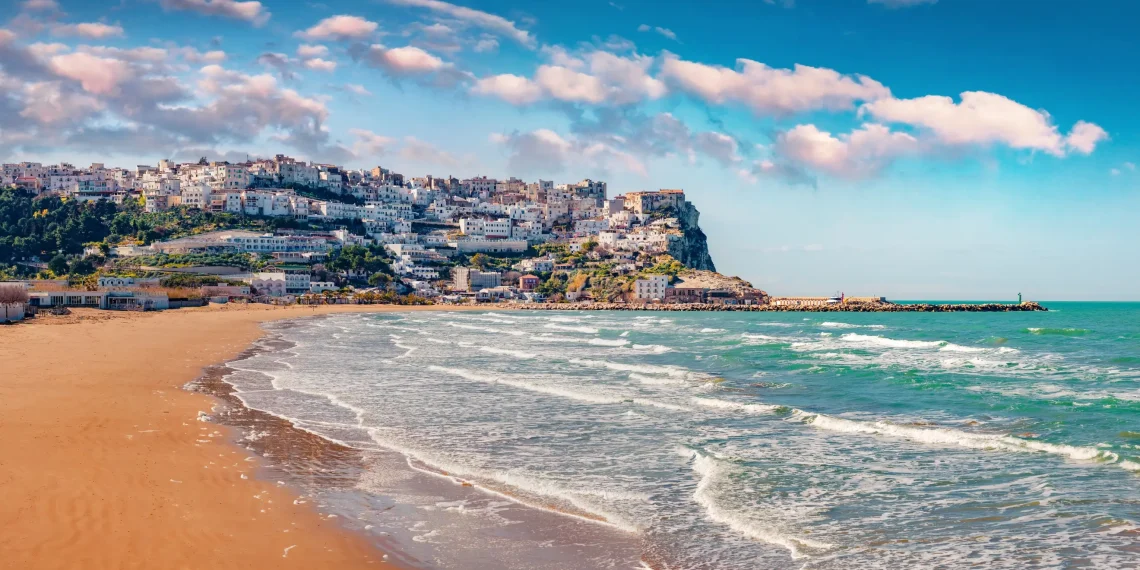
- Gargano: Peschici It sits atop a limestone cliff over 90 meters high; other attractions include Vieste, the pilgrimage site of Monte Sant’Angelo, and, offshore, the Tremiti Islands.
What makes Apulia so special?
Apulia is Italy’s land of olive trees: there are about 60 million of them in the region, many of which are centuries old and gnarled like sculptures. Dotted among them, the trulli—stone houses with conical roofs built without mortar—bear witness to rural architectural tradition; in Alberobello, they stand so densely that UNESCO designated the complex a World Heritage Site in 1996.
Then there's the stone itself: made of soft, honey-colored Pietra leccese Sculptors carved the ornate facades of Lecce’s Baroque architecture, most notably the Basilica di Santa Croce. The adventure continues underground—the stalactite caves of Castellana Grotte extend about three kilometers into the karst, while the Grotta Zinzulusa awaits on the coast. And hovering over it all is the mystery of the octagonal Castel del Monte, which Emperor Frederick II of the Staufer dynasty founded on the Murge Plateau around 1240.
What are some worthwhile activities to do in Apulia?
Along roughly 800 kilometers of coastline, everyone has their own spot: Snorkelers dive into the natural pool at the Grotta della Poesia Near Roca Vecchia, beachgoers alternate between the sandy beaches of the Ionian Sea and the rocky coves of the Adriatic. Hikers will find the Foresta Umbra in the Gargano National Park, whose ancient beech forests are part of the UNESCO Natural Heritage Site. Cyclists ride along flat country roads through the Valle d’Itria from trullo to trullo, while golfers play on courses such as San Domenico Golf right by the sea—more on this in the golf section above. Boat tours take visitors to the caves of the Gargano and the Tremiti Islands.
What should you eat and drink in Apulia?
Apulia Cucina povera turns a little into a lot: Orecchiette con cime di rapa (Ear-shaped pasta with stem cabbage) is the signature dish, served with creamy burrata from Andria, crispy taralli, and Barese focaccia. The region produces about 40 percent of Italy’s olive oil—you can taste it in every dish. The wine list features full-bodied reds: Primitivo di Manduria and Negroamaro from Salento, and a rosé similar to Chiaretto Rosato. To wrap things up, a Pasticciotto, the cream-filled shortbread from Lecce.
What events are worth attending in Apulia?
In early May, during the Festa di San Nicola (May 7–9), Bari welcomes the relics of its patron saint with processions on land and water. At the end of August, Salento comes alive with dancing: At the closing concert of the Notte della Taranta in Melpignano, well over 100,000 visitors celebrate the pizzica. The Putignano Carnival, with roots dating back to 1394, is one of the oldest in Europe, and during the patron saint festivals of Salento, elaborate Luminaria-Arcs of light transform entire town centers into seas of light.
Puglia has something to offer every season—with beach weather lasting into October and quiet historic centers in winter. Browse through the article overview above and plan your itinerary from the Gargano to Santa Maria di Leuca.

FAQ - Frequently Asked Questions About Apulia

Video: Apulia, Italy
Note: Disclaimer – Italien.news is not the owner or organizer of the attractions, accommodations, and events listed here and is therefore not responsible for changes to the program, event cancellations, or any incorrect information. The editorial team at Italien.news always endeavors to provide detailed and accurate information. However, it is possible that events, attractions, etc. may be changed and not updated promptly. Exact details of dates, times and programs can be obtained directly from the owner of the attractions and accommodation.
Please also check the website or social media of the attractions and events for updates before you travel! Our blog articles contain our personal recommendations in the form of affiliate links. If you book or buy something via the links or simply click on them, we receive a small commission. This does not change the price for you at all. Content and texts © Italien.new & KI / Photos © Canva.com / shutterstock.com / Unsplash.com / Pixabay.com / Pexels.com / Others. Please also visit our Italy Shop!
Sources and Further Information
- Puglia Region – Official regional portal (accessed in August 2026)
- Traveling in Puglia – the region's official tourism portal (accessed in August 2026)
- ISTAT – Demographics in Numbers – Population data from the Italian National Institute of Statistics (accessed August 2026)
- UNESCO World Heritage – Italy – World Heritage Sites in Apulia, including Alberobello and Castel del Monte (accessed August 2026)