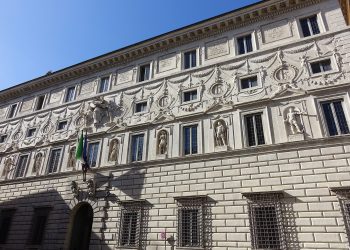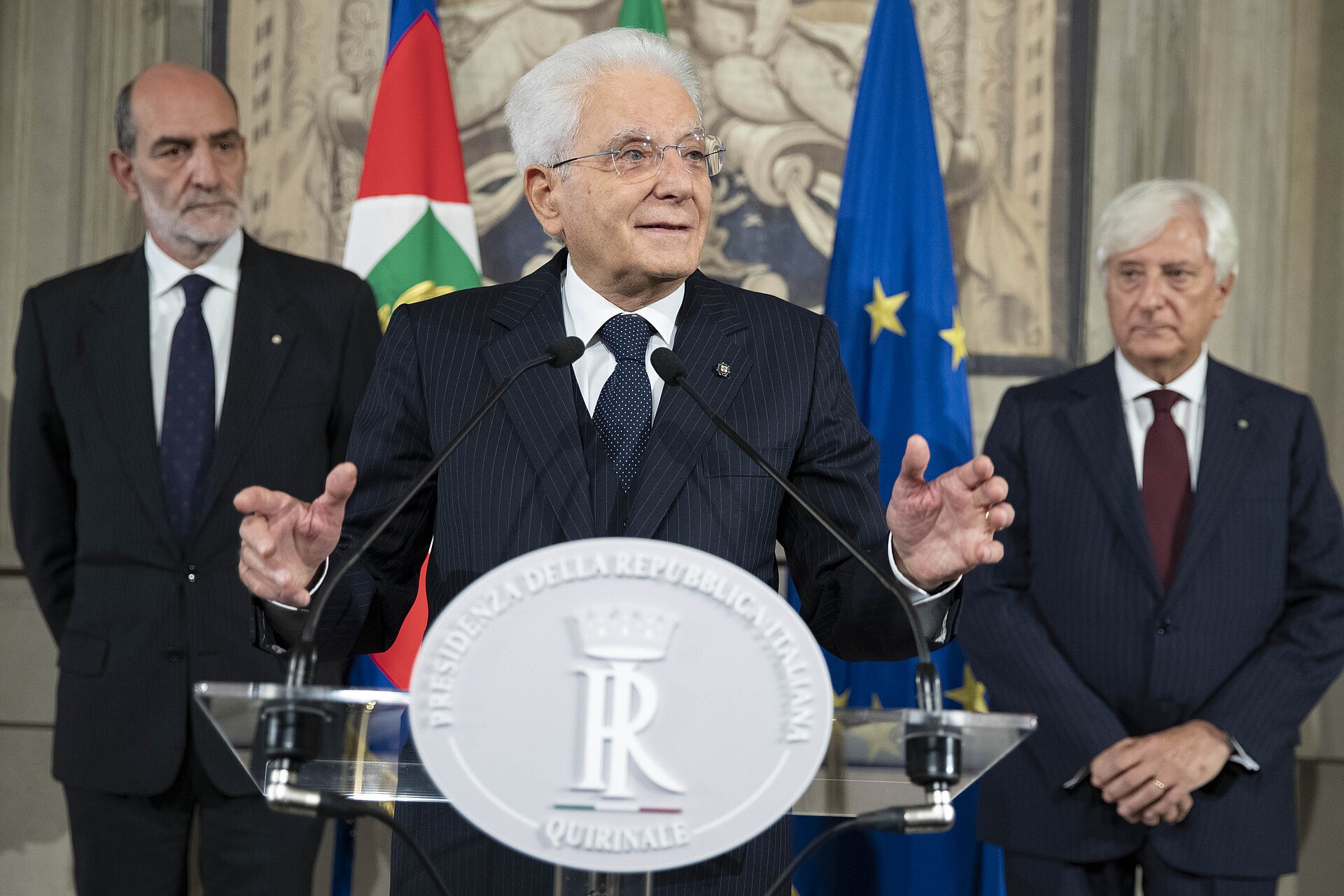
Florence – Sergio Mattarella has declared the protection and further development of the Servizio sanitario nazionale, Italy’s national health service, a top priority. At the opening of the fifth Festival of the Regions and Autonomous Provinces on Monday, October 26, at the Palazzo Vecchio, the President linked his appeal to the constitutionally guaranteed right to health. He emphasized that investments must translate into better care for the people.
Mattarella highlighted the broad support for the public health care system and its universal coverage. According to him, the regions bear a central responsibility for ensuring that organizational reforms have a lasting impact. He specifically addressed those areas where services still fall short of adequate standards. The president thus called for an improvement in actual care provision without announcing a new funding decision.
A significant portion of the reconstruction will be funded through the PNRR, Italy’s National Recovery and Resilience Plan. Of these funds, 15.6 billion euros are specifically earmarked for healthcare. Mattarella classified this funding as part of European post-pandemic aid; he did not present it as an additional spending package that had just been approved.
Changes to Health Care Services Under the PNRR
Among other things, the PNRR is intended to enable healthcare services that are closer to patients’ homes. In the plan for the tenth and final tranche, Mattarella mentioned the activation of 1,270 “Case di comunità” (local health centers) and 327 “Ospedali di comunità” (community hospitals). These figures describe the planned measures and do not confirm that all facilities are already operational.
The pandemic has exposed the weaknesses of a system that relies heavily on large hospitals and primary care physicians. There was a lack of facilities in between that would have made medical care accessible in each local area. Telemedicine, new devices, and digital patient records are also among the changes Mattarella mentioned.
The key question now is whether the regions will sustain these changes and actually improve the quality of their services. The president therefore linked this expansion to cooperation between state and regional authorities. The common goal, he said, is to bring about improvements that citizens can actually feel—not merely to complete investment projects.