Rome – As the summer vacation comes to an end, a massive wave of travelers is flooding Italy’s roads, and it’s proving costly for many families. The so-called “controesodo”—the concentrated traffic returning from vacation destinations—is coinciding this year with noticeably higher fuel prices. Between July and August, Italians spent around 20 billion euros on their vacations—541 million euros of which were attributable to inflation, that is, to additional costs that did not exist the previous year.
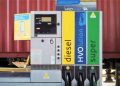
A look at the current figures reveals a mixed picture. Prices are falling slightly on regular country roads: Gasoline costs an average of 2.016 euros per liter, and diesel 2.134 euros. On the highways, however, prices are rising, standing at 2.096 euros for gasoline and 2.210 euros for diesel. It is precisely in these areas—where travelers have few alternatives and competition among gas stations is limited—that they pay the most.
Expensive Kilometers on the Return Trip
For consumer advocates, the difference between country roads and highways is a contentious issue. Codacons points to room for price markups where competition is lacking and warns of a financial burden that primarily affects the middle class. Those who rely on their cars for work or live in regions without extensive public transportation feel every cent at the gas pump particularly keenly.
Government Plans Targeted Gasoline Rebate
On the political front, the government is preparing a change in course. Most recently, Discount on the diesel tax extended through September 5 This is intended to be the last across-the-board relief measure for everyone. After that, the plan is to switch to targeted, income-based assistance. Under consideration are gas vouchers for low-income households and the self-employed, as well as a social assistance card for retirees in need.
The exact amount of the planned gasoline bonus and the precise income threshold have yet to be determined. Industry Minister Adolfo Urso proposed a model based on the „Dedicata a te“ card, which would be tied to a low ISEE threshold; the Ministry of Economy has expressed reservations about this solution. A 200-euro gas voucher from 2022 serves as a blueprint. The new measures are to be financed by higher advance payments from energy companies, primarily the oil giant Eni. Critics argue, however, that a bonus intended only for low-income earners would, of all groups, leave the broad middle class out in the cold.