Bistecca alla Fiorentina: homage to the Florentine art of grilling
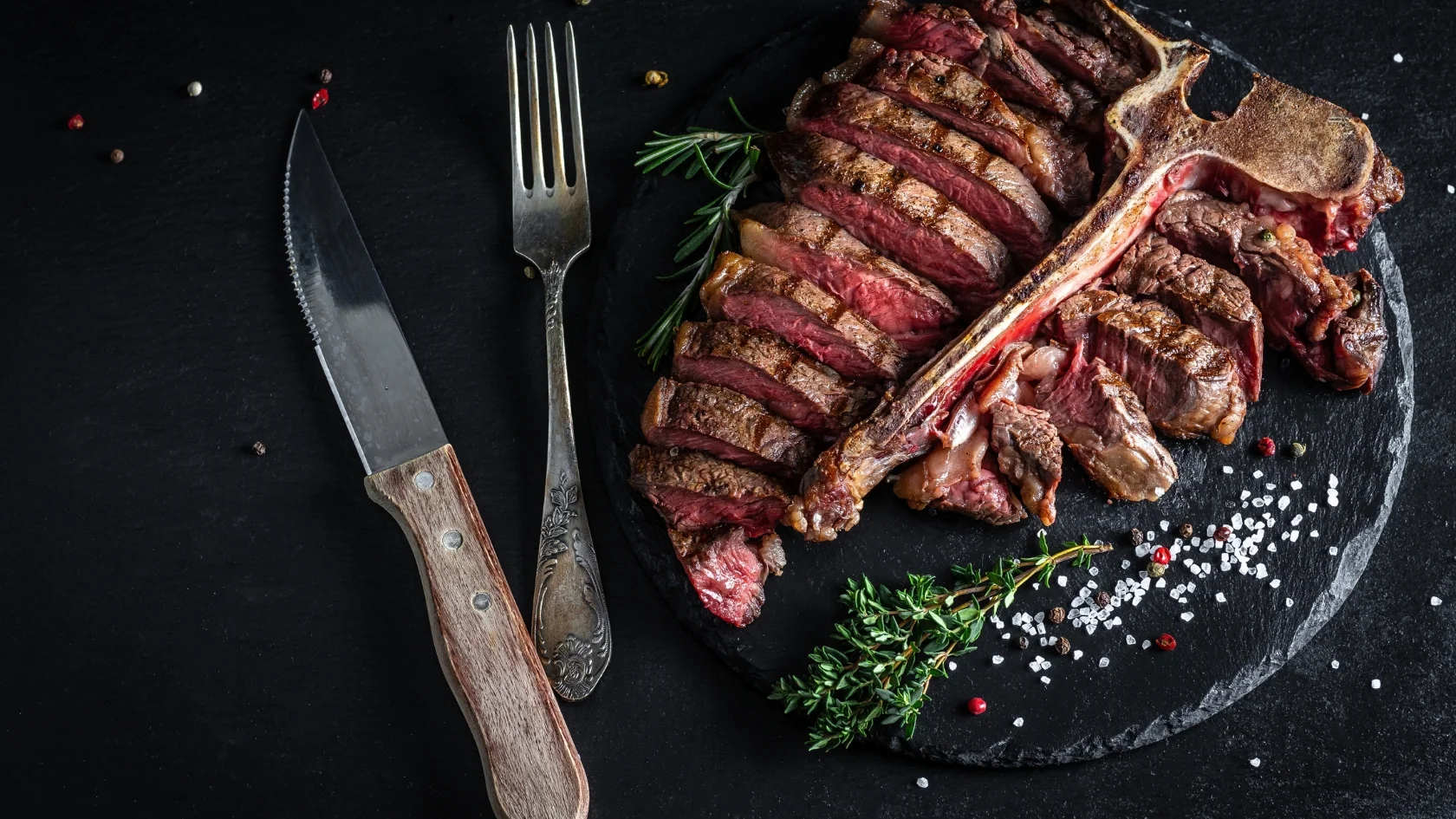
If you want to explore the soul of Italian cuisine, you cannot avoid Tuscany and its undisputed meaty queen, the bistecca alla Fiorentina. This monumental dish is far more than an ordinary T-bone steak. The real Fiorentina is traditionally made from the meat of Chianina cattle. These are among the oldest and largest cattle breeds in the world and are native to the fertile Val di Chiana. The heart of this classic is the distinctive T-shaped bone that separates the tender fillet from the flavorful roast beef. It must have an impressive thickness of at least three to four fingers.
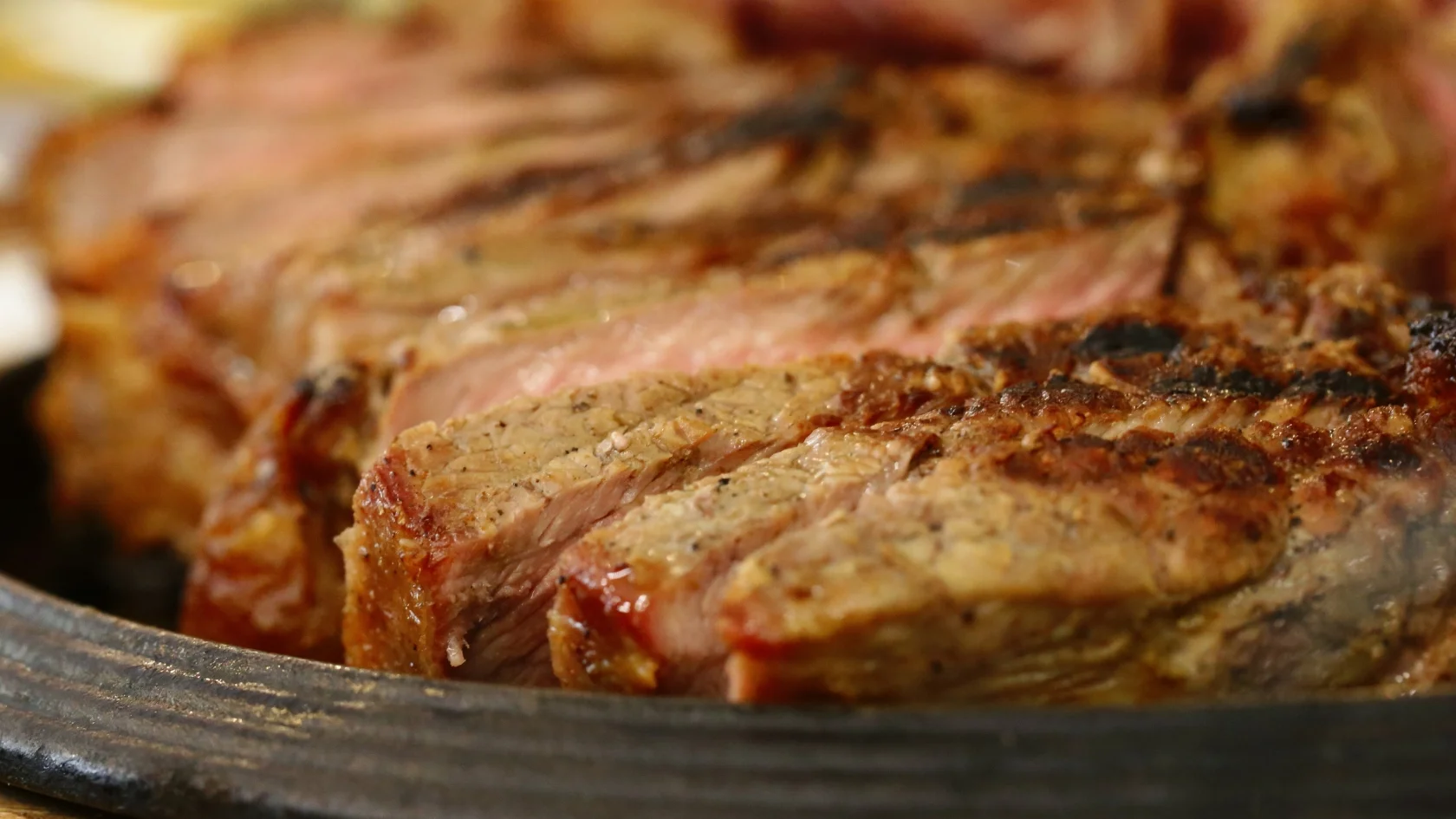
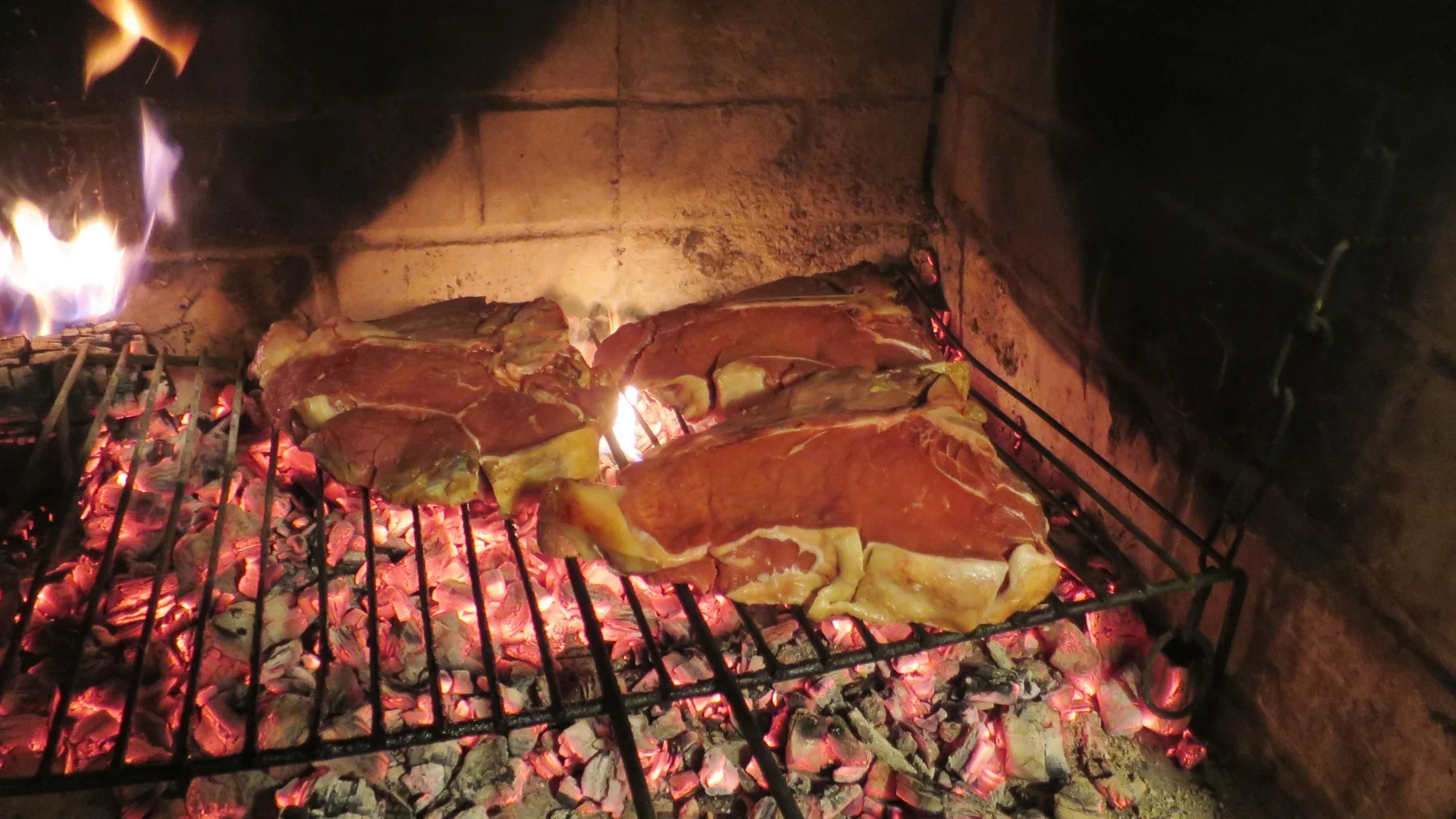
The preparation follows a strict, almost ritualistic philosophy that does not forgive any mistakes: the meat is seared over glowing oak or chestnut charcoal so that the fat caramelizes and forms an incomparable crust, while the inside must always remain al sangue, i.e. rare to medium rare at most. A crucial artisanal aspect is that the salt is only added after grilling so as not to extract any moisture from the meat. The whole thing is finished off with a generous dash of first-class Tuscan olive oil. Anyone sitting in the streets of Florence on a warm evening, with the heavy aroma of roasting meat and smouldering wood in their nostrils and a glass of strong Chianti Classico in front of them, will immediately understand why this dish enjoys an almost mythical reverence and is regarded as the ultimate symbol of Tuscan joie de vivre.
Terroir on the grill: why origin is everything with the real Fiorentina
The true Bistecca alla Fiorentina is inextricably linked to its geographical and cultural homeland. It comes from the vast plains of the Val di Chiana and the Maremma. At the heart of this dish is the meat of the legendary Chianina cattle, one of the oldest and most majestic cattle breeds in the world. Due to their porcelain white coat and impressive stature, they are often referred to as the „white giants“ of Tuscany. In contrast to many international noble breeds, the meat of Chianina cattle is not characterized by a strong fat marbling. Instead, it impresses with its exceptional tenderness, fine fiber structure and high protein content. Its incomparable aroma only develops through a professional dry-curing process, usually lasting several weeks, known as frollatura. This process tenderizes the muscle fibres and concentrates the flavour.
Although the Maremmana and Romagnola breeds are also considered prestigious suppliers of this cut today, Chianina beef remains the undisputed gold standard with the seal of the protected designation of origin „Vitellone Bianco dell'Appennino Centrale“. The cut itself, the lombata, is obtained from the back loin and must have the characteristic T-shaped bone that surrounds the tender fillet and the strong sirloin. Only when all these strict criteria have been met can a steak bear the proud name of Bistecca alla Fiorentina and bring the tradition of Tuscan pastoral culture to the plate.

The heritage of San Lorenzo: the Renaissance roots of Bistecca alla Fiorentina
The roots of Bistecca alla Fiorentina go back deep into the Golden Age of the Renaissance. They are inextricably linked to the rise of the Medici family, who shaped Florence not only politically but also culturally. The epicenter of this culinary birth was the festive night of August 10th, the feast day of Saint Lawrence. Huge bonfires were lit in the alleyways around the Basilica of San Lorenzo, over which large quantities of beef were roasted for the common people at the behest of the Medici. It was a ritual spectacle of light and smoke that celebrated the generosity of the rulers and enveloped the city in the smell of roasting meat.
According to a popular legend, the dish owes its name to a fortunate linguistic misunderstanding during one of these popular festivals in the 16th century. Among the guests were a group of English knights or wealthy cloth merchants. They were so impressed by the quality of the meat cooked over an open fire that they loudly demanded more „beef steak“. The Florentines, who always had a flair for melodious adaptations, quickly Italianized this exclamation to „bistecca“. Even if linguistic historians assume that the word only became firmly established in the local dialect later due to British influence in the 18th century, the story of the feast of St. Lawrence remains the emotional foundation of Fiorentina. Over the centuries, the steak has evolved from a stately gesture to an undisputed symbol of Tuscan identity, which to this day cannot be missed at any festive occasion in the city of lilies.

The art of omission: why Tuscan simplicity tastes so refined
Tuscan gastronomy is often summarized under the banner of „Cucina Povera“ - the cuisine of the poor - which in no way implies a lack of sophistication, but rather describes a deep-rooted respect for the pure product. This philosophy of „noble simplicity“ celebrates the intrinsic taste of the ingredients without hiding them behind heavy sauces or complex spice mixtures. A prime example of this purism is the famous Pane Toscano. This traditionally unsalted bread, often referred to as „pane sciocco“, owes its recipe to historical salt taxes and wars between the city states. Today, it serves as a perfect, neutral accompaniment that absorbs the spicy aromas of mature pecorino, salty finocchiona or the intense meat juices of a bistecca without dominating the taste.
This honest foundation is complemented by the „liquid gold“ of the region: extra virgin olive oil, which in Tuscany often has an almost pungent, grassy freshness. This oil is not simply used for cooking, but acts as a final seasoning, which is drizzled over the resting meat and really brings out its roasted aromas with its characteristic bitter note. The crowning glory is the liquid soul of the region, the Sangiovese. Whether as a structured Chianti Classico, a Vino Nobile di Montepulciano with a strong character or the monumental Brunello di Montalcino - these wines have precisely the lively acidity and the striking tannin structure that is necessary to harmoniously dissolve the animal protein and the fine fat content of the steak on the palate. The result is an interplay in which each element enhances the quality of the other rather than competing with it.
Authentic recipe & preparation tips
(for 4 persons)
Ingredients
- 2 Bistecche alla Fiorentina (made from Chianina beef, each weighing approx. 1.2 kg and cut at least 4-5 cm, i.e. 3-4 fingers wide)
- Coarse sea salt
- Freshly ground black pepper
- High-quality Tuscan olive oil (extra virgin)
Preparation steps
- Preparation: Always take the meat out of the fridge at least 4 to 5 hours before cooking. It must reach room temperature, otherwise it will remain ice-cold at the core.
- The fire: Light a wood fire (holm oak or olive wood are ideal) and let it burn down to a hot, white-hot ember. Alternatively, use high-quality charcoal.
- The barbecue: Place the bistecche completely unseasoned (without oil, without salt) on the hot grill rack, about 10 cm above the embers. Roast the meat for approx. 5 minutes per side until a dark, caramelized crust (Maillard reaction) has formed. Turn the meat only once and never prick it with a fork to prevent the juices from escaping. Always use grill tongs.
- On the bone: After searing both sides, place the steak on edge on the T-bone for a further 5 to 7 minutes. This allows the heat to gently pass over the bone into the interior without overcooking the meat.
- Leave to rest: Remove the meat from the grill and leave it to rest on a warm wooden board for a few minutes to allow the meat juices to disperse.
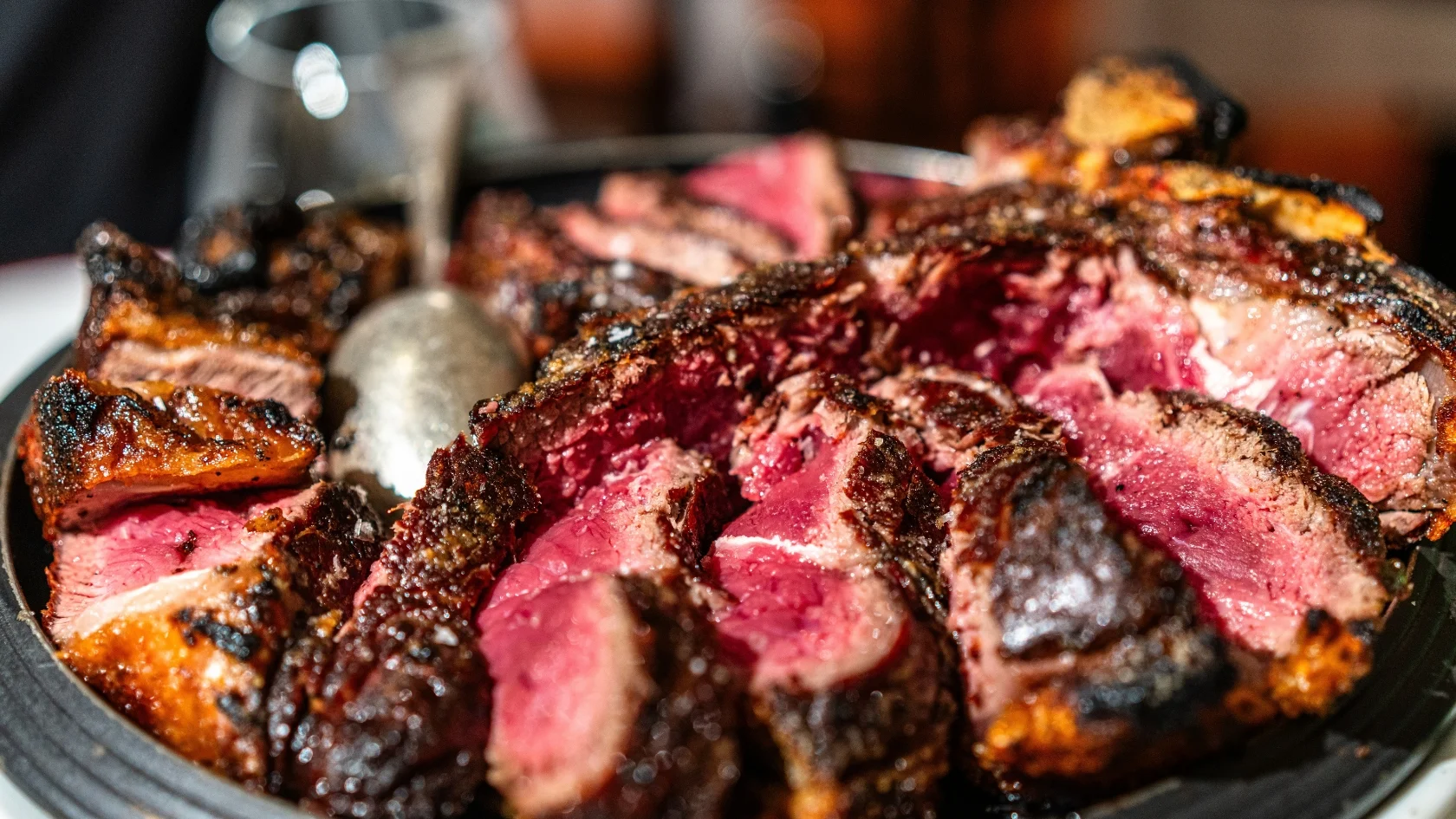
- Serve: Cut the meat from the bone, carve the roast beef and fillet into thick slices. Sprinkle generously with coarse sea salt and pepper and finally drizzle over some of the excellent Tuscan olive oil.
Expert tips on preparation
The golden rule in Florence is: A Bistecca alla Fiorentina is only served al sangue (bloody/rare) is served. Those who order their meat „well done“ (ben cotta) often run the risk of being politely but firmly told off by the Florentine host. Never salt the meat before grilling, as this removes moisture from the raw meat and prevents a perfect crust from forming.

Five altars of meat enjoyment: where Florence celebrates its legend
If you want to experience bistecca alla Fiorentina in its pristine perfection, embark on a culinary pilgrimage in Florence, which is best enjoyed in the legendary Trattoria Mario begins. Tucked away in the lively alleyways behind the Mercato Centrale, this restaurant has been an institution since 1953, where time seems to stand still. There is a wonderful, typically Florentine chaos here: it is loud, the tables are shared and the philosophy is as uncompromising as the fire in the kitchen. A Fiorentina is traditionally served „al sangue“ here - discussions about the degree of cooking are usually superfluous at the first sight of the quality. You drink the honest house wine from simple glasses and feel the authentic spirit of old Florence in every fiber.
An atmospheric contrast to this is provided by the Buca Lapi, one of the city's most historic restaurants, located in the former wine cellars of Palazzo Antinori. Under the impressive vaulted ceilings, which are papered with historical posters, the grilling of Chianina steaks over open charcoal is a true celebration. It is the perfect symbiosis of rustic tradition and aristocratic elegance. The service is impeccable and the aroma of the charcoal grill wafting through the underground halls prepares the palate for a steak that is unparalleled in terms of texture and flavor.
On the other side of the Arno, in the vibrant San Frediano district, the Antico Ristoro di Cambi The restaurant offers its guests an almost awe-inspiring backdrop. As soon as you enter, the massive maturing cabinets in which the backs of meat are maturing towards perfection catch the eye. The atmosphere here is informal and informal, but when it comes to the selection of goods, there is no joking around: the portions are legendarily generous and the crust of the steaks has those perfect roasted aromas that only come from enormous heat and a lot of experience. It is the place where locals and connoisseurs meet to celebrate the pure Tuscan joie de vivre on a plate.
For those who want to approach their meat enjoyment with an almost scientific precision, the Trattoria dall'Oste the first address. This establishment has earned a reputation far beyond the city limits as a temple for meat lovers, as it offers an exceptional selection of certified Chianina farms and various stages of maturation. The in-house meat sommeliers guide guests through the nuances of the different breeds and cuts with profound expertise, while the preparation strictly follows the traditional rules. Here you learn that not all steaks are the same and how much the origin and individual marbling influence the final taste experience.
The crowning and perhaps most stylish conclusion to a culinary tour is the Regina Bistecca, located directly in the shadow of the cathedral. In the premises of a former, time-honored bookshop, the steak is now courted like a queen - as „Regina“. The interior, with its high shelves and 19th century literary charm, provides the setting for a modern interpretation of the classic art of grilling. Particularly noteworthy here is the masterful dry aging, which gives the meat a butter-tender texture and an almost nutty depth. It is a place for connoisseurs who want to celebrate the monumental heritage of Fiorentina in an ambience that is as refined as the dish itself.
Masterful butchers: a guide to buying meat in the heart of Tuscany
If you want to preserve the authentic taste of Tuscany after your trip, importing an original Bistecca alla Fiorentina is probably the most exclusive way to remember your vacation. To ensure that the massive T-bone steak survives the journey to the barbecue at home unscathed, a visit to a first-class traditional butcher's shop is essential. The historic market halls right in Florence's old town provide the perfect stage for this. In the Macelleria Soderi, located in the lively Mercato Centrale, the art of maturing meat has been celebrated for generations, while the Macelleria Menoni in the somewhat quieter Mercato di Sant'Ambrogio is an absolute insider tip among locals. Here you will not only find the legendary Chianina beef, which is known for its enormous size and tenderness, but often also first-class crossbreeds such as Limousine beef, which impresses with its fine marbling.
If your journey takes you to the rolling hills of the Chianti region, a stop in Panzano is almost a pilgrimage. This is where the charismatic Dario Cecchini resides in his Antica Macelleria Cecchini. Celebrated as the „best butcher in the world“, the visionary has elevated the craft to an art form and knows like no other how to combine the philosophy of „nose-to-tail“ with reverence for Tuscan beef. Equally renowned and perfectly attuned to the needs of discerning travelers are the Antica Macelleria Falorni in Greve, which is famous for its walk-in ripening chambers, and the Macelleria Parti in the medieval San Donato in Poggio.
Read more about theTopic

The magic word „sottovuoto“ is the key to making transportation as safe as possible. The specialist staff will professionally vacuum-seal the pieces, which are at least three to four fingers thick, so that the meat is hygienically sealed and continues to mature in its own juices during the return journey. However, it is advisable to plan a high-quality cool box for the journey so that the cold chain is not interrupted. Once home, the bistecca develops its full flavor best when it is placed directly over the glowing charcoal after a short resting phase at room temperature. Although freezing is technically possible, it should only be the last option for such a fine, dry-ripened product so as not to impair the cell structure and the incomparable melting of the fat.

Anatomy of pleasure: cuts and variations
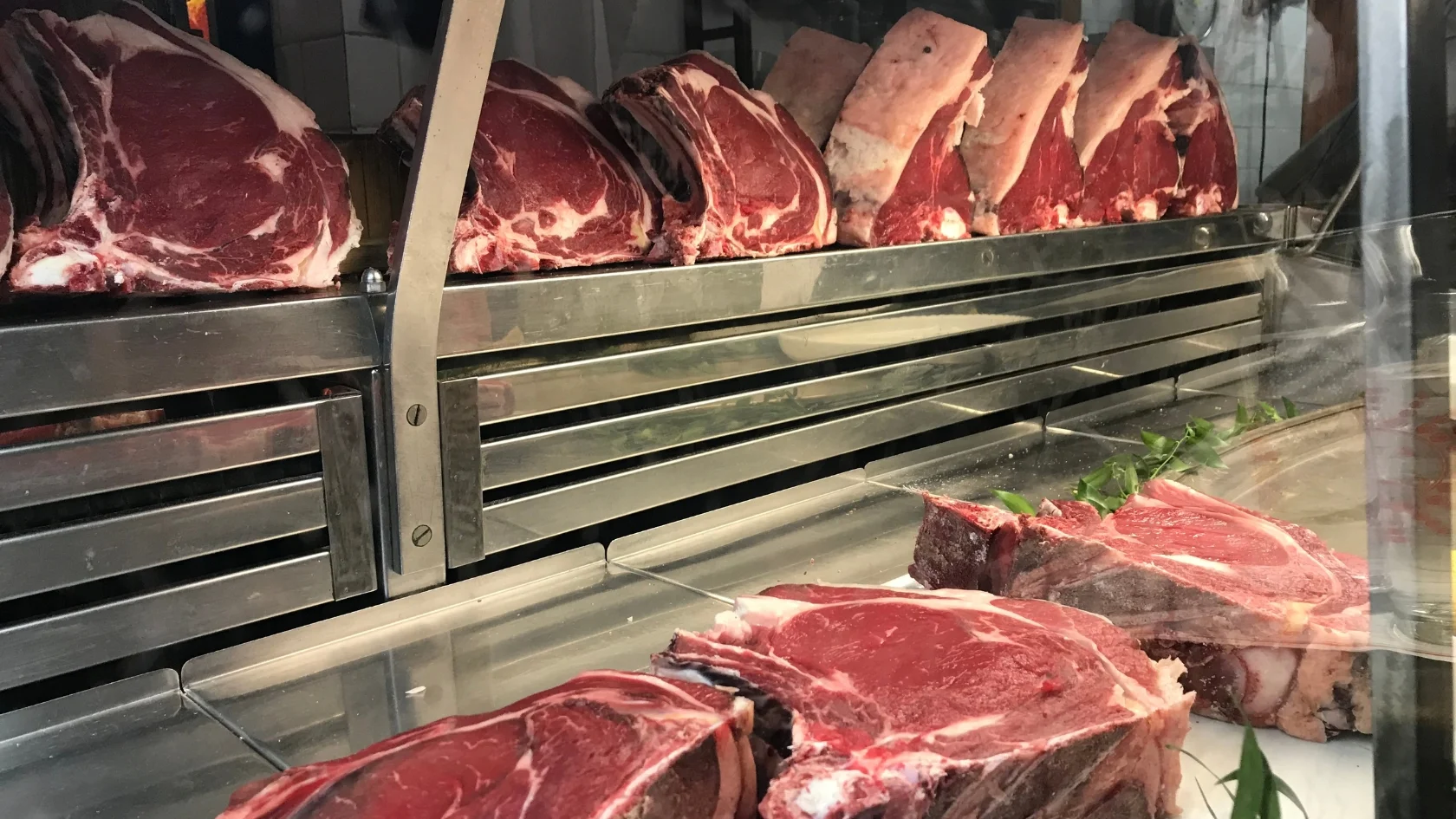
Although the Tuscan tradition follows very strict rules, a glance at the display of an experienced butcher reveals that not all bistecca is the same. The classic Bistecca alla Fiorentina, which has become famous the world over, is cut from the lombata, the back loin. Its anatomy is similar to the American porterhouse steak. Its most striking feature is the large proportion of butter-tender fillet on one side and the characterful roast beef on the other side of the T-shaped bone. A real gem is cut so thick that it can easily stand upright on the bone on the grill. This technique is necessary to gently transfer the heat to the inside of the thick piece of meat without overcooking the core.
An equally popular variation, often found on menus under the names bistecca nella costola or costata, comes from the front part of the back. This cut is comparable to a bone-in ribeye steak or a club steak. As the fillet tapers in the front part of the beef and eventually runs out, it is completely absent from the costata. This cut compensates for this with a more pronounced marbling and a larger „fat eye“. This gives the meat an even more intense, nutty aroma when grilled. While purists often passionately insist on the fillet part of the bistecca nel filetto, many connoisseurs and butchers swear by the costata, as the fat acts as a flavor carrier and keeps the meat particularly juicy.
In modern gastronomy, tagliata di manzo has also established itself as a popular alternative. Here, a high-quality steak - often an entrecôte or a cut of sirloin - is grilled and then cut into thin slices (Italian: tagliare for „to cut”). This version is traditionally served on a bed of fresh rocket and finished with wafer-thin slices of mature Grana Padano or Parmigiano Reggiano and a drizzle of high-quality balsamic vinegar from Modena. However, a traditional Tuscan chef will emphasize that a real, majestic Fiorentina should be enjoyed whole and preferably on its own on a simple wooden board. This is the only way to give the meat the undivided attention that a product of this quality deserves.
The elegance of the essential: A final plea for the perfect steak
Bistecca alla Fiorentina is far more than just a meal - it is an edible narrative about Tuscany that reaches far beyond the plate. Each slice of this monumental cut of meat reflects a deep respect for the animal, the sparse beauty of nature and those unshakeable artisan traditions that have been passed down from generation to generation over the centuries. Those who embark on this dish embark on a journey to the pure essence of flavor, where there are no hidden nuances, only the naked, honest quality of the product. The archaic interplay between the deep, dark, smoky crust - the result of a perfect Maillard reaction over glowing oak - and the buttery, almost cool and always bloody core is a sensual experience that awakens the instincts and calms the mind at the same time.
In a culinary world that often strives for ever more complex creations and fashionable fusion trends, Fiorentina stands like an indomitable rock in the surf of purism. It teaches us that true mastery lies not in adding something, but in having the courage to leave out everything superfluous. Whether you try to tame this masterpiece of Italian cuisine on the charcoal grill at home or celebrate it in the lively atmosphere of a Florentine trattoria with a strong glass of Chianti Classico, the Bistecca alla Fiorentina will inevitably prove to you why the simplest things often hold the greatest revelations. It remains the true proof that outstanding quality needs no distractions on the plate, just fire, salt and the patience to enjoy the moment.

Map: Florence, Tuscany
FAQ: Bistecca alla Fiorentina
What makes a real Bistecca alla Fiorentina so special compared to normal steaks?
An authentic Bistecca alla Fiorentina traditionally comes from Chianina beef, one of the oldest and largest breeds of cattle in the world, whose meat is known for its tenderness and intense flavor. The steak is cut as a massive T-bone or porterhouse piece and is characterized by its enormous thickness of at least three to four fingers, which provides the perfect contrast between crispy crust and bloody core when grilled.
How do I order the correct cooking level and can I get the steak "well done"?
In Tuscany, bistecca alla Fiorentina is traditionally served exclusively "al sangue", i.e. rare to medium-rare at most, as the meat loses its characteristic texture and juiciness if cooked for longer. Many chefs in Florence even refuse to sear this noble piece of meat out of pride in their craft, which is why travelers should definitely try the classic, very red method of preparation.
How much should I expect to pay for a bistecca in a restaurant in Florence?
As the Bistecca alla Fiorentina is charged by weight and a single steak usually weighs between 1.2 and 2 kilograms due to the thick cut, it is a dish for at least two people. Prices are almost always listed on the menu per 100 grams and range from five to ten euros, depending on the exclusivity of the restaurant and the maturity of the meat, which means a final price of around 60 to 120 euros for a complete steak.
What side dishes are traditionally served with this mighty meat dish?
In order to focus fully on the taste of the meat, the side dishes in Tuscany are kept discreetly in the background and usually consist of simple, high-quality ingredients from the region. Restaurants typically serve it with white cannellini beans in olive oil, a fresh green salad or roasted potatoes, while a glass of strong Chianti Classico rounds off the taste experience perfectly.
Top accommodation in Florence, Tuscany
Video: Bistecca alla Fiorentina
Experiences & sights
Note: Disclaimer - Italien.news is not the owner or organizer of the sights, accommodations and events published here and therefore not responsible for program changes, cancellation of the event and possibly incorrect information. The editorial team of Italien.news always endeavors to provide detailed and accurate information. However, it is possible that events, attractions, etc. may be changed and not updated promptly. Exact details of dates, times and programs can be obtained directly from the owner of the attractions and accommodation.
Please also check the website or social media of the attractions and events for updates before you travel! Our blog articles contain our personal recommendations in the form of affiliate links. If you book or buy something via the links or simply click on them, we receive a small commission. This does not change the price for you at all. Content and texts © Italien.new & KI / Photos © Canva.com / shutterstock.com / Unsplash.com / Pixabay.com / Pexels.com / Others. Please also visit our Italy Shop!