A taste of the sea: the legend of cacciucco alla livornese
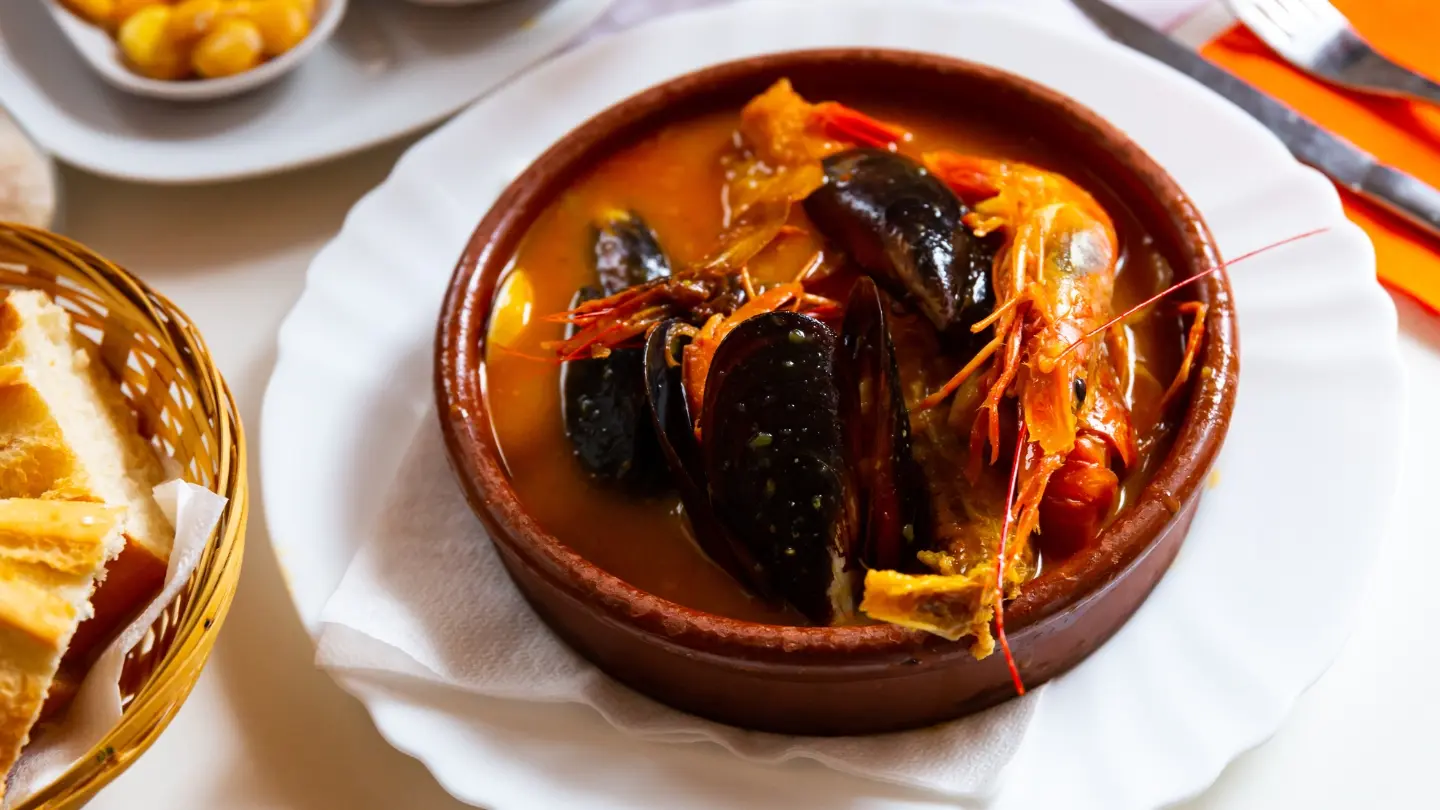
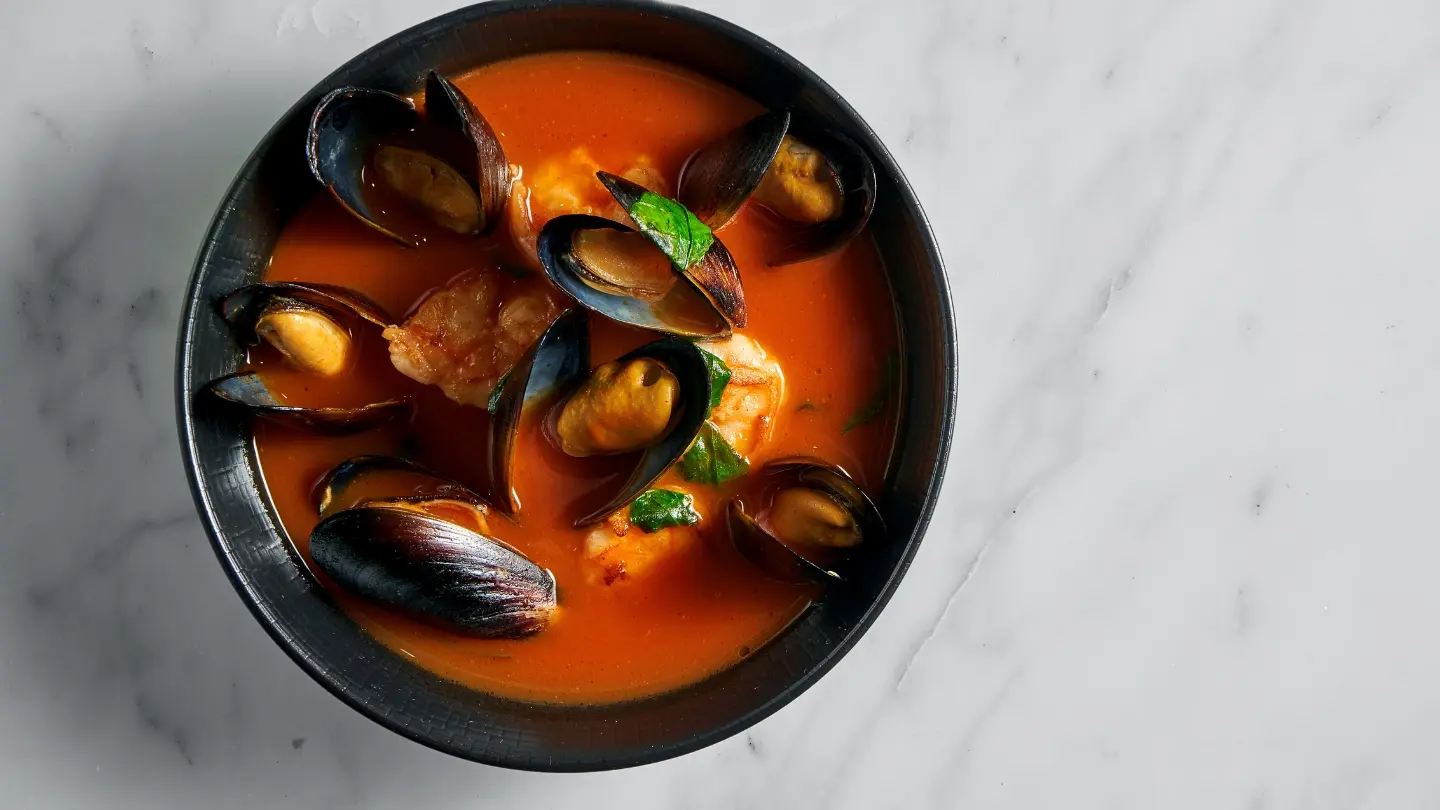
Imagine sitting in a small, rustic trattoria right on the harbor in Livorno. The air smells of salt, freedom, and the intense aroma of garlic, tomatoes, and freshly caught fish. In front of you is a steaming plate, as deep red as a Tuscan sunset: cacciucco. This legendary fish soup is more than just a meal; it is the liquid soul of the Tuscan coast and a monument to the creativity of simple fishermen.
A dish with five Cs„
In Italy, cuisine is taken seriously—especially in Tuscany. When writing „cacciucco,“ don't forget the five Cs in the name. It is even jokingly said that for a genuine experience, at least five different types of fish must end up in the pot—one fish for each C, for example, scorpion fish, gurnard, squid, mussels, and crustaceans.
Although Livorno is considered the true home of cacciucco, there is an eternal rivalry between the port city and the fashionable Viareggio over its origins. While the Viareggio version is often a little more refined and the broth in Versilia tends to be thicker, the essence remains the same: it is an honest, hearty dish that warms the heart, especially in the cold season and traditionally on Christmas Eve.
From a makeshift solution to a delicacy: the history of cacciucco
Cacciucco is much more than just a fish soup. It is the culinary heart of the port city of Livorno and a prime example of Italian „cucina povera“ (poor man's cuisine). The dish owes its origins to the pragmatic needs of fishermen: anything that couldn't be sold at the market due to its size, damage, or too many bones—the so-called bycatch—ended up in a communal pot in the evening.
A reflection of cultures: etymology
The linguistic origin of the name is particularly fascinating, reflecting Livorno's status as a cosmopolitan free port. There are two leading theories:
- The Turkish origin: Many historians derive the name from the Turkish word „küçük,“ which simply means „small.“ This originally referred to the small pieces of fish or the variety of small fish in the broth.
- The Arabic connection: Another theory traces its roots to the Arabic word „kaka,“ which means „mixture“ or „mess.“.
The De.Co seal
What was once simply a way of using up leftovers is now a strictly protected cultural asset. The De.Co. seal (Denominazione Comunale) ensures that restaurateurs in Livorno preserve the traditional method of preparation—including the obligatory slices of bread rubbed with garlic and toasted at the bottom of the plate.
The original recipe: Enjoy the taste of Tuscany at home
Preparing an authentic Cacciucco Livornese is not a quick task, but rather a ritual that requires patience and respect for the gifts of the sea. The secret to a masterful Cacciucco lies not only in the freshness of the ingredients, but also in the precise timing of the cooking times.
The foundation: the aromatic base
An authentic cacciucco never starts with just water, but with a deep red, strong base.
The soffritto: Garlic, chili pepper, and—very important for the Livorno style—fresh sage are sautéed in plenty of extra virgin olive oil.
The secret of wine: Before adding the tomatoes (usually peeled pelati or concentrate), deglaze the base with a generous dash of dry red wine. This gives the soup its characteristic dark color and an earthy depth that distinguishes it from lighter fish soups.
The fund: Professionals use a homemade fish stock made from the heads and bones of the bycatch to maximize the intensity of the flavor.
The seafood symphony: timing is everything
To ensure that nothing ends up tough or mushy, the seafood is layered according to its texture:
The „tough ones“: We start with squid, octopus (polpo), and cuttlefish. They need about 20 to 40 minutes to become tender.
The „Festen“: This is followed by crustaceans such as langoustines or large shrimp.
The „Delicate Ones“: Only in the last few minutes are the noble fish such as scorpion fish, gurnard, or the typical palombo (smooth skate) added. These cook gently in the rising steam and the residual heat of the broth.
The golden rule: bread as the soul of the dish
In Tuscany, cacciucco without the right bread is a culinary sin. Here, bread is not a side dish, but an architectural foundation:
Preparation: Stale, unsalted Tuscan bread is used, which is toasted until golden brown and then rubbed with a halved garlic clove.
Read more about theTopic

Serving: These slices are placed directly on the bottom of the deep bowl. When the hot, tomato-based fish broth is poured over them, the bread soaks up the flavors like a sponge.






This creates the perfect texture: fresh fish on top, spicy, soft bread underneath, which carries the full flavor of the sea.
Italien.news tip: The perfect wine
Normally, fish calls for white wine. But cacciucco is so rich and spicy that Tuscans often make an exception. Try it with a young, slightly chilled Chianti or a Rosso di Montalcino. The acidity and fruitiness of the red wine harmonize perfectly with the spiciness of the peperoncino and the intensity of the tomato sauce.
Culinary journey: Where can you find the best cacciucco?
If you're traveling through Tuscany, a visit to one of the time-honored restaurants along the coast is an absolute must for any food lover. The journey undoubtedly begins at the heart of this tradition, in the port city of Livorno. If you want to enjoy the dish where it originated, it's best to combine your visit to a trattoria with the Sights in Livorno. That's where the trattoria is The Submarine as a legendary destination for purists. In this historic setting, cacciucco is still served exactly as fishermen have loved it for generations: hearty, authentic, and without unnecessary frills.
If you follow the coastline further north to the elegant Versilia, there is no way around Buonamico in Viareggio. The restaurant is one of the oldest in the region and exudes pure history. It impressively proves that cacciucco has retained its rustic charm even in a sophisticated seaside resort. Those who prefer something a little more modern and dynamic should visit Baracca fish stop off in Forte dei Marmi. Here, fish market, street food concept, and classic restaurant merge into a contemporary experience where the freshness of the catch is guaranteed—straight from the boat to the plate.
A little further south, in the pine forests of Bibbona, the enjoyment of fish reaches its peak at the La Pineta a whole new level. The restaurant, which gained worldwide fame thanks to the legendary „Pescator-Cuoco“ (fisherman-cook) Luciano Zazzeri, combines the sea breeze right on the beach with sophistication that has even won over the critics of the Michelin Guide.
The crowning glory of a culinary tour is, of course, the La Torre Tavern in Populonia. Here, you can enjoy the spicy fish stew cacciucco while taking in spectacular views of the Etruscan coast.
Conclusion: A plate full of history and passion!
In summary, cacciucco alla livornese is much more than just a fish soup—it is a testament to the authentic Tuscan way of life. It teaches us that something truly spectacular can be created from seemingly simple ingredients and a little time. This dish embodies the history of seafarers, the rugged beauty of the coast, and the deep love Italians have for their culinary roots. Enjoy it in a small alleyway in Livorno or venture into the adventure yourself at home: with every spoonful, you bring a piece of the deep blue Tyrrhenian Sea right to your table. Here's to tradition, the five „Cs,” and the incomparable taste of authentic Italy!
Map: Livorno, Tuscany
FAQ: Livorno-style cacciucco
What makes authentic cacciucco alla livornese so special compared to other fish soups?
An authentic cacciucco is characterized by its incredible thickness and the use of at least five different types of fish, symbolized by the five "Cs" in its name. Unlike clear soups, this specialty is almost a stew, prepared with a strong tomato base, garlic, sage, and peperoncino, which gives it a distinctive spiciness. It is traditionally served on a slice of toasted bread rubbed with garlic, which perfectly absorbs the rich sauce and provides an incomparable feeling of satisfaction.
Where can travelers in Livorno find the most authentic culinary experience for this dish?
If you want to experience the true flair of this port city, you should visit the small trattorias in the Venezia Nuova district or around the Mercato Centrale. In these often family-run establishments, cacciucco is still prepared according to old family recipes that have often been passed down from generation to generation. It is advisable to look specifically for restaurants that carry the cacciucco certification seal, as these guarantee that only regional products and traditional fishing methods are used in the preparation.
Is there a specific etiquette or time of day when cacciucco is best enjoyed?
Since cacciucco is a very rich and time-consuming dish, it is traditionally enjoyed in Tuscany as a main course during lunch or on a cozy evening. Travelers should note that many traditional restaurants often only prepare this dish to order or on certain days of the week to ensure the quality of the fish. It is perfectly normal and even desirable to eat the bread at the bottom of the plate with your fingers or a spoon to savor every last drop of the aromatic sauce.
What should vacationers with sensitive palates or allergies keep in mind when ordering?
Since cacciucco naturally has a certain spiciness due to the peperoncino, it is advisable to inform the staff in advance if you prefer a milder version. In addition, the original dish contains a variety of seafood such as squid, mussels, and crustaceans, which is why people with allergies should definitely ask about the exact composition of the catch of the day. Since bread is an integral part of the meal, people with gluten intolerance should explicitly ask for an alternative or request that the bread be served separately.
Experiences & sights
Note: Disclaimer - Italien.news is not the owner or organizer of the sights, accommodations and events published here and therefore not responsible for program changes, cancellation of the event and possibly incorrect information. The editorial team of Italien.news always endeavors to provide detailed and accurate information. However, it is possible that events, attractions, etc. may be changed and not updated promptly. Exact details of dates, times and programs can be obtained directly from the owner of the attractions and accommodation.
Please also check the website or social media of the attractions and events for updates before you travel! Our blog articles contain our personal recommendations in the form of affiliate links. If you book or buy something via the links or simply click on them, we receive a small commission. This does not change the price for you at all. Content and texts © Italien.new & KI / Photos © Canva.com / shutterstock.com / Unsplash.com / Pixabay.com / Pexels.com / Others. Please also visit our Italy Shop!