
Pitigliano: The stone wonder in the heart of the Maremma
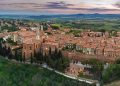
Tuscany is world-famous for its rolling hills, cypress-lined avenues, and magnificent Renaissance cities, which attract millions of visitors each year. But deep in the south of the region, in the the wild and unspoiled Maremma, lies a sight that leaves even the most well-traveled lovers of Italy speechless. Pitigliano seems to have grown organically out of the massive, golden-brown tuff rock on which the town is perched. The plateau’s vertical cliffs merge almost seamlessly with the facades of the medieval houses. Especially in the evening sun, this lends the town an almost surreal, luminous aura. This unique architectural symbiosis is no coincidence, but rather the legacy of a settlement history spanning millennia. Even the mysterious Etruscans used the soft rock formations for their necropolises and sunken paths carved deep into the rock.
A special chapter in the town's history gives the place a depth that goes far beyond its visual beauty. Pitigliano is nicknamed „Little Jerusalem“ because for centuries it provided a refuge for the Jewish community. Here they lived in peaceful coexistence with the Christian population. While many Jewish communities in Italy suffered persecution, culture flourished in the winding alleyways of Pitigliano. This is still impressively reflected today in the architecture of the old quarter and the carefully restored synagogue. In this blog article, we embark on a journey of discovery through this living open-air museum, explore the labyrinth of cobbled paths and immerse ourselves in the cultural treasures that make Pitigliano one of the most fascinating travel destinations in Tuscany.


Historical background: A legacy of stone and time
The history of Pitigliano is inextricably linked to the yellow tuff on which the town rests. Long before the Roman expansion, the Etruscans created an impressive infrastructure here, whose mystical heritage can still be felt today in the „Vie Cave“. These hollow paths carved deep into the soft rock, some of whose walls rise over twenty meters into the air, probably served both as defensive routes and as sacred paths to their necropolises. Anyone walking through these monumental corridors today will immediately sense the connection to this prehistoric civilization, which laid the foundations for today's settlement.
In the Middle Ages, Pitigliano developed into a strategic stronghold. Initially under the rule of the powerful Aldobrandeschi family, the town later passed to the noble Orsini family through marriage. Under their aegis, the city was developed into an impregnable fortress, as can still be seen impressively today in Palazzo Orsini. This palace is far more than just a residential building; it is an architectural palimpsest that combines elements of a medieval castle with the fine lines of the Renaissance. It was not until the 17th century that rule passed to the Medici, who definitively shaped the townscape with the striking aqueduct with its wide arches and architecturally integrated Pitigliano into the Duchy of Tuscany.
However, Pitigliano's history only becomes unique due to the social structure that developed from the 16th century onwards. While anti-Jewish sentiment was on the rise in the Papal States, the Counts of Orsini offered protection and refuge to persecuted Jewish families. In the centuries that followed, the cultures merged so closely that Pitigliano became known as „Little Jerusalem“ far beyond the borders of the Maremma. The historic synagogue and Christian places of worship, such as the Romanesque church of San Rocco and the Baroque cathedral of Santi Pietro e Paolo, stand side by side today as stone witnesses to an extraordinary religious tolerance that still shapes the social foundations of the town today.

The 5 most beautiful sights in Pitigliano and the surrounding area
When you approach Pitigliano, you can hardly believe your eyes: the houses in the old town rise up into the sky like a natural continuation of the vertical tuff walls, as if they had been carved directly out of the rock. However, this architectural masterpiece is only the outer shell of a place that hides its secrets deep in the stone and winding alleyways. To understand the true soul of this magical place, you have to take your time - for the monumental buildings of the Renaissance as well as for the silent witnesses of Etruscan antiquity and the moving heritage of the Jewish community. The following five sights will take you to the heart of the town and show you why Pitigliano is much more than just a pretty photo backdrop.
Palazzo Orsini
Perched high above the steep tufa cliffs, Palazzo Orsini is much more than just a defensive structure. Originally built as an Aldobrandeschi fortress in the 12th century, the Counts of Orsini later transformed the building into a magnificent residence that combines Gothic defensiveness with Renaissance elegance. Visitors enter the grounds through a monumental portal and arrive in an inner courtyard which, with its filigree columns and magnificent fountain, almost makes you forget that you are in a fortress. Inside, the palace is now home to the Diocesan Museum, where, in addition to precious relics and paintings, the faithfully restored rooms - including the count's private chambers - are particularly impressive.
The Medici aqueduct
The Medici aqueduct is probably the most striking structure in the cityscape and dominates the entrance to the old town with its fifteen monumental arches. Although construction had already begun under the Orsini, it was the technical ingenuity of the Florentine architects under Medici rule that completed the work in the 16th century. It not only served as a vital water supply for the exposed tufa plateau, but was also a powerful symbol of civilization and progress. Today, the promenade along the elegant arcades offers one of the most beautiful photo backdrops in Tuscany, as it perfectly captures the stark contrast between the rough rock and the delicate engineering of the Renaissance.
The synagogue and the Jewish quarter
In the heart of the „La Piccola Gerusalemme“ district is the historic synagogue, which is considered the centerpiece of Jewish heritage. After a partial collapse in the 1960s, it was faithfully restored with great attention to detail and now shines brightly again with ornate stucco work and magnificent chandeliers. However, a visit includes much more than just the sacred space: stairs lead deep into the tuff, where the community carved their ritual facilities directly into the rock. These include the mikvah for ritual baths, the kosher butcher's shop and the matzo bakery. This underground labyrinth makes the centuries of living history and everyday life of the Jewish community tangible.
The church of San Rocco
Away from the main squares is the church of San Rocco, which is the oldest surviving place of worship in the city and whose origins date back to the 12th century. In contrast to the Baroque splendor of the cathedral, San Rocco impresses with its almost ascetic, Romanesque simplicity. The façade, which is adorned with the coats of arms of the noble families who shaped the city for generations, is particularly worth seeing. Inside, the single-nave space reveals an impressive collection of coat of arms paintings on the walls, which bear witness to the deep roots of local history in the Christian faith. The church is a place of tranquillity that has preserved the medieval character of Pitigliano in a particularly authentic way.
Read more about theTopic


The Vie Cave: Mystical paths of the Etruscans
The „Vie Cave“ are a unique phenomenon in the world and lead hikers directly into the mystical world of the Etruscans. These gigantic hollow paths were dug over 2,500 years ago with primitive tools up to 20 meters deep into the soft tuff. Whether they served as trade routes, lines of defense or sacred processional routes is still an archaeological mystery. The „Cavone“ or „Via Cava di San Giuseppe“ is particularly impressive, where the walls are so close together that the sunlight barely reaches the ground. The paths are covered in mosses and ferns, giving them a fairytale, almost surreal atmosphere and linking Pitigliano with the neighboring necropolises and rock villages such as Sovana.

Natural beauty: Between volcanic power and rolling hills
The surroundings of Pitigliano are characterized by wild, almost untouched nature. It forms a charming contrast to the strict geometry of the tuff town. Those who leave the city walls enter a hilly landscape where dense oak forests alternate with shimmering silvery olive groves. This region of the Maremma is a paradise for hikers and explorers who want to enjoy the silence of nature on secluded paths, while the scent of wild thyme and broom fills the air. The geological nature of the soil, formed by ancient volcanic activity, gives the flora a special lushness and ensures a panorama that shines in different colors every season.
Only a short drive through the gently rolling vineyards separates Pitigliano from the Lago di Bolsena. The crystal-clear lake, which lies in an extinct volcanic crater, is considered one of the cleanest lakes in Europe. It offers welcome refreshment on hot summer days. The dark sandy beaches of volcanic origin and the small, charming lakeside promenades invite you to relax and unwind or to admire the two islands of Bisentina and Martana from afar on a boat trip. It is this gentle transition from the rugged rocky landscape to the calming expanse of water that makes this area so special.
Another highlight for those seeking relaxation are the region's legendary thermal springs, above all the Cascate del Mulino in Saturnia. Here, sulphurous thermal water bubbles up directly from the earth at a constant 37.5 °C and pours over natural sinter terraces into turquoise-blue pools. A dip in these warm waters, surrounded by rising steam and the typical Tuscan hillside scenery, is an experience of timeless beauty. Together with the hidden rivers and the mystical gorges surrounding the town, these natural wonders make Pitigliano a perfect base camp for travelers looking for authentic, original Italy far from the crowds.

Culinary delights: A feast for the senses
The gastronomy in Pitigliano is a reflection of its history - a fascinating mixture of the down-to-earth cuisine of the Maremma and the subtle influences of Jewish tradition. Take a seat in the cozy trattorias in the old town and embark on a culinary journey through time. An absolute must and the flagship of the local art of baking is the Sfratto di Pitigliano. This stick-shaped pastry with its filling of walnuts, honey, nutmeg and orange peel has a turbulent history: its shape is reminiscent of the sticks with which the Jewish inhabitants were once driven out of their homes - a bittersweet legacy that is now treasured as a symbol of remembrance and enjoyment.
But not only the sweet specialties know how to convince. The savory side of the city is represented by dishes such as the Frittelle di San Giuseppe or the typical Acquacotta a traditional shepherd's vegetable soup served with toasted bread and a poached egg. As the region is surrounded by dense forests, the menus regularly feature first-class game specialties, especially wild boar ragout (Cinghiale), which is usually served with homemade pappardelle or as a stew. The hand-rolled pasta called Pici are omnipresent in the local cuisine and form the perfect base for the strong sauces of the Maremma.
However, a culinary experience in Pitigliano would be incomplete without the accompaniment of fine wines from the surrounding area. The Bianco di Pitigliano was one of the first white wines in Italy to receive the coveted DOC seal. This fresh, mineral wine thrives on the mineral-rich volcanic soils around the city and is the ideal accompaniment to regional cheeses such as the spicy Pecorino Toscano. The perfect end to a meal is often provided by a glass of local dessert wine, into which crispy cantuccini are traditionally dipped. In Pitigliano, people don't just eat - they celebrate their connection to the earth and the art of creating true masterpieces from simple, high-quality ingredients.


Pecorino Toscano: Unique Italian cheese art
Italy is known for its culinary diversity and exquisite cheeses. One of these outstanding specialties is the Pecorino Toscano, a traditional...
Where Tuscan dreams come true: Top accommodations in Pitigliano
If you want to experience the true magic of Pitigliano, you should definitely spend at least one night here. Especially in the evening and early morning hours, when the day tourists have left and the warm lanterns bathe the cobbled streets in a soft light, the „Little Jerusalem” unfolds its most intimate and romantic atmosphere. Lovers of historical authenticity are recommended to stay in the winding alleyways of the old town. Charming bed & breakfasts and lovingly run boutique hotels are hidden behind inconspicuous wooden doors. It is a special experience to spend the night in an elaborately restored room with original tuff stone vaults. In these historic residences, the rustic stone architecture is cleverly combined with modern comfort and Tuscan coziness. When you open the heavy shutters in the morning and the aroma of fresh espresso from the bakery next door wafts in, you immediately feel transported to another era.
Those who prefer the vastness of the countryside after the narrow streets of the town will find a wealth of fantastic alternatives in the immediate vicinity. The area around Pitigliano is famous for its first-class agriturismi - traditional country estates, often set amidst shimmering silver olive groves and lush vineyards. These family-run estates, mostly converted stone farmhouses, offer an incomparable oasis of peace. Many of them have idyllic outdoor pools overlooking the rolling hills of the Maremma. After a long day exploring in the Tuscan summer sun, they promise the perfect way to cool off. A major advantage of these rural accommodations is often the cuisine: guests can almost always enjoy an authentic breakfast with homemade cakes, home-made jams and fresh produce straight from the farm. So whether you opt for the historic heart of the rock town or the rural idyll under the cypress trees - Pitigliano offers the perfect retreat for every style of traveler.

Arrival and surroundings: The gateway to the wild Maremma
Pitigliano is located in the far south of the province of Grosseto, in a part of Tuscany that has retained its original, untamed character to this day. The town forms the heart of the so-called „Tuff Triangle,“ which also includes the fascinating neighboring villages of Sorano and Sovana. Across the regional border in Lazio lies Civita di Bagnoregio Another village perched on a tuff cliff. Due to its exposed location on a rocky plateau and the relatively rural infrastructure of the southern Maremma, traveling by private car or rental car is by far the most comfortable option. From the major cities of Rome and Florence, the drive takes about two to two and a half hours each way. The journey itself is part of the experience: the routes wind through rolling vineyards, dense chestnut forests, and past historic villages that sit in the landscape like time capsules.
For travelers who want to use public transport, a little more planning is required. The nearest major train station is in Albinia or Grosseto, from where there are regional bus connections to Pitigliano. However, as these buses run less frequently and the journey times are significantly longer, the train-bus combination is more recommended for backpackers or travelers with plenty of time. A car, on the other hand, offers the necessary flexibility to discover the treasures in the surrounding area. The majestic Monte Amiata, the highest mountain in southern Tuscany, can be reached in around an hour and offers cool hiking trails in summer and even skiing opportunities in winter.
The Maremma National Park on the coast is also a great destination for a day trip—and if you want to venture a little further out to sea, you can take the ferry from Porto Santo Stefano to the Giglio Island with its seven highlights. It combines pristine sandy beaches with rugged cliffs and pine forests, where, with a little luck, you can spot wild boars or the typical Maremma cattle. Pitigliano thus serves as an ideal strategic starting point: you can enjoy the absolute tranquility of rural Tuscany, while both the mystical Etruscan archaeological sites and the region’s scenic highlights are just a stone’s throw away. However, if you’re arriving by car, keep in mind that the historic old town is largely traffic-calmed; it’s therefore advisable to use one of the parking lots at the town entrance and walk the last few meters to fully enjoy the first panoramic view of the townscape.

Our conclusion: A journey through time into the rocky heart of the Maremma
Pitigliano is far more than just a picturesque postcard motif; it is an unpolished jewel in the south of Tuscany that captures the essence of this region of longing in a completely unique way. The fascinating symbiosis of fortified architecture, which seems to blend organically with the massive tuff cliffs, and the rugged, pristine nature of the Maremma captivates culture vultures and nature lovers alike. Those who make their way to this southernmost tip of the province of Grosseto will be rewarded with an authentic travel experience that is a pleasant contrast to the much-visited tourist trails in the north. Here, the clocks tick noticeably slower and the heritage of formative eras - the mystical Etruscans, the Jewish community and the Florentine Renaissance - has remained alive in the winding alleyways.
Whether you venture bravely into the shady labyrinth of the Etruscan „Vie Cave“, unravel the culinary secrets of the town with a glass of Bianco di Pitigliano or spend a relaxing afternoon on the dark volcanic shores of nearby Lake Bolsena - the region offers the right adventure for every preference. A small but exciting detail when planning your trip: the beautiful Lake Bolsena already takes you geographically out of Tuscany into the neighboring region of Lazio, which wonderfully underlines Pitigliano's ideal starting point in the border triangle (Tuscany, Umbria, Lazio). Ultimately, a visit to this floating tufa town is no ordinary vacation stop, but a profound journey into the past. It is a rare opportunity to experience the rich cultural soul and the unadulterated magic of central Italy with all your senses, far away from the hustle and bustle.

Map: Pitigliano, Tuscany
FAQ: Pitigliano, Tuscany
Why is Pitigliano often referred to as Little Jerusalem?
This nickname dates back to the 16th century, when Pitigliano became a safe haven for a growing Jewish community that found protection from persecution in the surrounding areas. Over the centuries, a harmonious coexistence developed, which had a lasting impact on the architecture and culture of the town and can be impressively viewed in today's lovingly restored Jewish quarter with its synagogue and ritual cellars.
What's the story behind the mysterious Vie Cave around the city?
The Vie Cave are hollow paths dug deep into the soft tuff, which were created by the Etruscans over two thousand years ago and are still a mystery to archaeologists today. These gigantic gorges, some of which are twenty meters deep, probably served as defensive routes or sacred paths and today offer hikers a cool, almost mystical microclimate far from the Tuscan midday sun.
When is the best time to visit Pitigliano?
The ideal months for exploring are May and June as well as September and October, as the temperatures in the Maremma are pleasantly mild for long walks through the steep alleyways and hikes in the Vie Cave. In high summer, it can get very hot in the rocky alleyways, while the town exudes a particularly authentic and tranquil atmosphere in the low season.
Are there any particular culinary specialties that you should try?
An absolute must for every visitor is the Sfratto di Pitigliano, a traditional Jewish pastry in the shape of a stick filled with a delicious mixture of honey, walnuts and nutmeg. The tasting should be accompanied by a glass of Bianco di Pitigliano, a sparkling white wine from the region, which is stored directly in the deep rock cellars beneath the town and goes perfectly with the hearty cuisine of the Maremma.
What activities are available in the area?
In addition to exploring the alleyways and museums, you can also take a hike through the surrounding countryside. A trip to the nearby thermal springs, for example in Saturnia, is also worthwhile.

Top accommodations in Pitigliano, Tuscany
Video: Pitigliano, Tuscany
Experiences & sights
Note: Disclaimer - Italien.news is not the owner or organizer of the sights, accommodations and events published here and therefore not responsible for program changes, cancellation of the event and possibly incorrect information. The editorial team of Italien.news always endeavors to provide detailed and accurate information. However, it is possible that events, attractions, etc. may be changed and not updated promptly. Exact details of dates, times and programs can be obtained directly from the owner of the attractions and accommodation.
Please also check the website or social media of the attractions and events for updates before you travel! Our blog articles contain our personal recommendations in the form of affiliate links. If you book or buy something via the links or simply click on them, we receive a small commission. This does not change the price for you at all. Content and texts © Italien.new & KI / Photos © Canva.com / shutterstock.com / Unsplash.com / Pixabay.com / Pexels.com / Others. Please also visit our Italy Shop!