
The 2027 Festino di Santa Rosalia has already taken place. We will post the next date as soon as it is confirmed. All Upcoming Events in Sicily
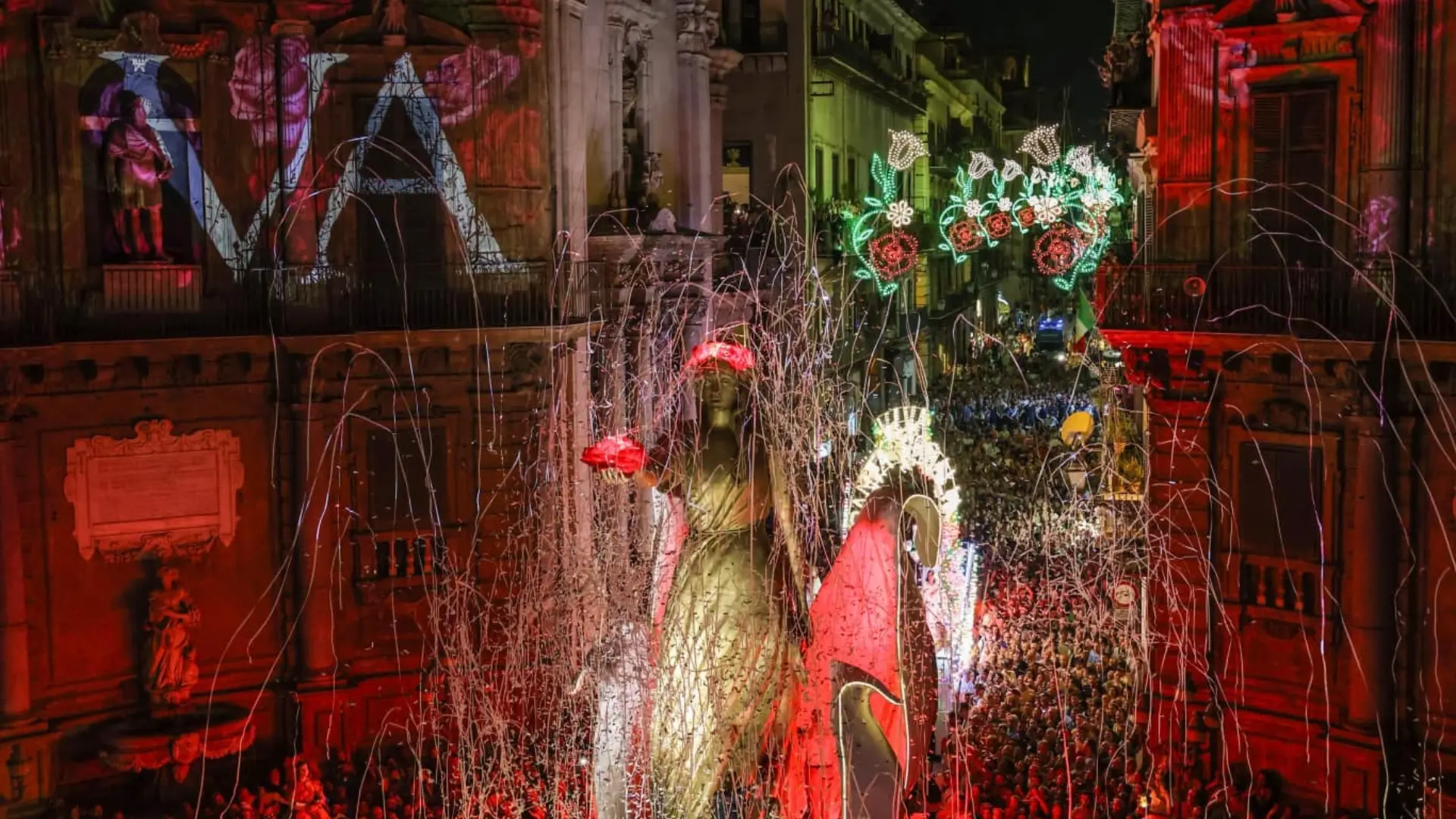
When, on a balmy July night, hundreds of thousands of people shout „Viva Palermo e Santa Rosalia!“, it reaches Palermo his most emotional moment of the year. That Festino di Santa Rosalia is Sicily's largest folk festival—a baroque blend of faith, music, street food, and fireworks in honor of the Santuzza, which, according to legend, once saved the city from the plague. If you’re here in mid-July, you’ll experience southern Italy with all your senses. This guide shows you what to expect—and how to plan your visit.
The Festival of Santa Rosalia at a Glance
- What: Palermo's largest religious festival in honor of its patron saint, Santa Rosalia, the Santuzza
- Where: Palermo, in the Old Town between the cathedral and the Foro Italico, by the sea
- When: in each case July 14 and 15 (Supporting program usually begins on July 10)
- Highlight: Procession of the Triumphal Chariot From the cathedral to the sea, followed by fireworks on the night of July 15
- Recommended length of stay: 3–4 days
- Nearest airport: Palermo „Falcone-Borsellino“ (Punta Raisi), ~35 km
- Your advantage: Completely free and right in the heart of the Old Town
- Insider tip: Get a spot early along the Cassaro or head to the Foro Italico—and plan to watch the fireworks over the sea during the final
Why is the Festino di Santa Rosalia worth attending?
The excitement is already in the air days in advance: In the alleys around the Cathedral There's hammering, booths with panelle (chickpea fritters) and calia and simenza (roasted chickpeas and pumpkin seeds) are set up, and in the evening the squares fill up. The Festino isn’t an event held behind barriers, but a festival that takes over the entire city—believers, families, curious onlookers, and visitors from all over the world celebrate together.
What many people don't know: Behind all the hustle and bustle lies a 400-year-old story. When the plague raged in Palermo in 1624, the rediscovered remains of the hermit Rosalia are said to have saved the city. Ever since, Palermo has been grateful to its Santuzza with this festival—a blend of deep popular piety and exuberant joie de vivre, the kind that only Sicily can produce.
For travelers, the Festino is the most intense way to, Sicily to experience. In a single evening, you’ll get to experience Baroque architecture, Sicilian street food, music, and fireworks over the Tyrrhenian Sea—all in one of the most multifaceted cities in the Mediterranean. Read on to find out exactly what to expect and how to smartly combine the festival with a few days of travel.

How does the Festino work?
The heart of the festival is the monumental parade float and the grand procession on the night of July 14–15. Here are the key details you should know:
The Triumphal Chariot
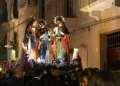
The focus is on the Triumphal Chariot, a massive triumphal float that has been a central feature of the festival since the 17th century. Each year, a different artist redesigns it—sometimes in the shape of a ship, sometimes as a moving stage with musicians. It bears the image of the saint and is paraded through the old town amid the cheers of the crowd.
The Procession from the Cathedral to the Sea
On the evening of July 14 The train sets off from the cathedral and follows the Cassaro, Palermo's oldest street, past the Quattro Canti all the way to the Foro Italico by the sea. Led by the archbishop and the mayor, and accompanied by music and lights, hundreds of thousands of people line the route.
The fireworks over the sea
The highlight is the grand fireworks display at the Foro Italico, which lights up the sky over the harbor. By this point, at the latest, reverence and celebration merge into a single frenzy of colors and sound.
July 15 – Saints' Day
On July 15, on the actual day of commemoration, there are further processions and Masses during which the saints’ relics are carried through the city—more subdued, but no less moving.
Insider tip: If you prefer a less crowded atmosphere, experience the second major Santa Rosalia highlight in early September: the Acchianata, the nightly pilgrimage up to the sanctuary on Monte Pellegrino, high above the city.
How do you get to Palermo?
Palermo is easy to reach. By Airplane If you land at Falcone-Borsellino Airport (Punta Raisi), about 35 km west of the city; from there, the train (Trinacria Express) and airport buses will take you in about 50-60 minutes To the city center. How do you get into the city without a car? The easiest way is to take the airport bus to the last stop at the main train station or at Politeama—both near the Old Town.
Per Ferry Palermo is connected to Naples, Genoa, and Cagliari—a relaxing overnight drive in your own car. Once you’re in town, the best way to explore the Old Town is on foot: the Festino’s main venues are all close together.
Where is the best place to park in Palermo?
Having your own car is more of a hindrance in the Old Town, and during the Festino, large parts of the city center are closed to traffic. Secure parking garages on the outskirts of the Old Town (such as near the harbor or at the Politeama) are a practical option. Plan on doing plenty of walking on the day of the festival, and it’s best to leave your car at home altogether.

Discover Palermo – The City Centered Around the Festino
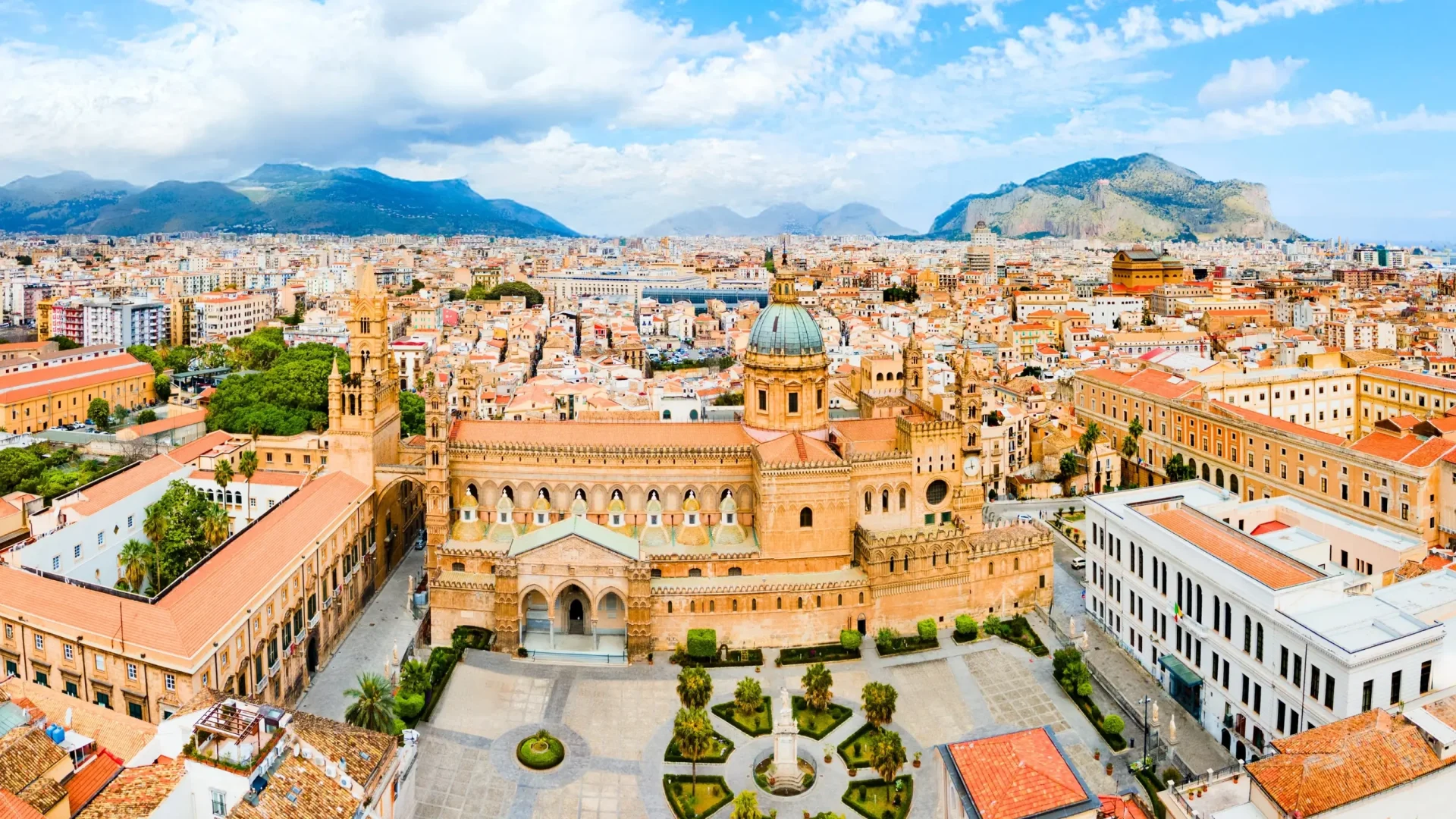
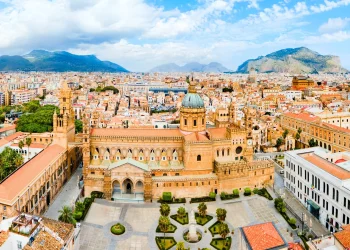
Palermo rewards anyone who stays a little longer. The Cathedral With its blend of Norman, Gothic, and Baroque elements, it is the starting point of the procession and a UNESCO World Heritage Site. Just a few steps away, the Palazzo dei Normanni with the gleaming gold Cappella Palatina and the church La Martorana featuring Byzantine mosaics.
In the city center, people meet at the Quattro Canti, the Baroque wayside cross, the old city quarters; next to it, the Fontana Pretoria. You should definitely check out the famous markets: In Ballarò, Vucciria, and Capo This is where the true heart of the city beats—here you can try arancine, sfincione and the legendary pane ca‘ meusa.
If you have more time, take a trip up to the cathedral in Monreale with its gold mosaics, or up to the Monte Pellegrino. Our guide to the Top Attractions in Palermo.
Read more about theTopic




Where's the best place to stay in Palermo?
Palermo is in high demand during the Festino—if you're visiting in July, you should book early and choose accommodations in or near the Old Town so you can walk to the festivities. These six places cater to a variety of needs:
- Grand Hotel et des Palmes – in the city center near the Teatro Massimo · 4–5 stars · €€€€ · historic Art Nouveau building
- Grand Hotel Piazza Borsa – in the heart of the Old Town · 4 stars · €€€ · elegant palazzo with a courtyard
- Hotel Porta Felice – Near Kalsa and the sea · 4 stars · €€€ · Quiet location with a rooftop terrace
- Bastione Spasimo Boutique Hotel – in the Kalsa district · €€ · stylish boutique restaurant
- L’Hotellerie Easy Suites – Historic palazzo in the city center · €€ · Spacious suites, ideal for families
- B&B Delle Vittorie – centrally located · € · modern, affordable bed and breakfast
Want to compare the location of the hotels directly or see more options? Here is an interactive map with live availability and price comparison:
Top Accommodations in and Around Palermo
Where's the best place to eat in Palermo?
Palermo is one of Europe's great street food capitals—the city eats on the street, and so should you. Be sure to try arancine, panelle, sfincione and to finish off, some fresh cannoli. These three addresses represent three price ranges:
- Charleston Restaurant – An elegant, traditional restaurant · €€€ · Classic seafood dishes such as swordfish involtini and paccheri
- Trattoria del Massimo – near the Teatro Massimo · €€ · authentic Sicilian cuisine, popular with locals
- Antica Focacceria San Francesco – in the city center · € · legendary street food institution with pane ca‘ meusa and arancini
Restaurant and hotel recommendations are based on current reviews and market research (as of June 2026). Prices, hours, and availability are subject to change—please check the current situation before your visit.
When is the best time to visit Palermo?
To Festino Mitte July is when you'll experience Palermo most intensely—though it's also the hottest and most crowded. During the day, temperatures often climb above 30 °C, which is why you should plan for breaks in the shade and plenty of water. Those who actively seek out the festival are happy to put up with that.
The following are more pleasant for sightseeing: Spring (April through June) and Autumn (September, October) with milder temperatures and fewer crowds. September offers the best of both worlds: good weather and, with the Acchianata Another Santa Rosalia highlight. The winter months are mild, quiet, and affordable—ideal for city travelers looking to avoid the heat and crowds.
What You Should Know About the Festino
To make sure your visit stays relaxing, here are some honest tips:
- It's going to get very crowded. Hundreds of thousands of people line the procession route—be sure to secure a spot early and expect heavy crowds along the Cassaro and at the Foro Italico.
- Don't underestimate the heat. In mid-July, it's hot and humid; a hat, water, and sturdy shoes are a must.
- Keep an eye on your valuables. Pickpockets are on the prowl in large crowds—keep your money and cell phone close to your body.
- Road closures and detours. The Old Town will be closed off over a wide area on the day of the festival; public transportation routes and paths will be altered, so be sure to allow extra time.
- Important: Accommodations in the city center sell out quickly during Festino and are more expensive—be sure to book well in advance.
Santuzza, Street Food, and Baroque Extravaganza: Is the Festino di Santa Rosalia Worth It?
Yes—if you want to experience the real, unvarnished Sicily and aren’t afraid of the heat or crowds. Hardly any other festival combines popular piety, street food, Baroque architecture, and fireworks as intensely as the Festino. Who might not enjoy it as much? Anyone looking for peace and quiet, beaches, and a chance to cool off—they’re better off visiting in the spring or fall, when Palermo is a more relaxed place to explore. If you want to combine both, plan one or two Festino evenings in the city and then spend some quiet days on the Sicilian coast—and soak up the full thrill of the Santuzza ...without sacrificing rest.
Map: Palermo, Sicily
FAQ – Frequently Asked Questions About the Festino di Santa Rosalia
Top 12 sights in Palermo: Guide to the Arab-Norman beauty
Sights in Palermo: Highlights Amid Mosaics and Markets Palermo, the vibrant capital of Sicily, is a city where different cultures and eras come together in a fascinating way. Characterized by a unique...
Experiences & sights
Note: Disclaimer – Italien.news is not the owner or organizer of the attractions, accommodations, and events listed here and is therefore not responsible for changes to the program, event cancellations, or any incorrect information. The editorial team at Italien.news always endeavors to provide detailed and accurate information. However, it is possible that events, attractions, etc. may be changed and not updated promptly. Exact details of dates, times and programs can be obtained directly from the owner of the attractions and accommodation.
Please also check the websites or social media accounts of the attractions and events for updates before you travel! Our blog posts contain our personal recommendations in the form of affiliate links. If you book or purchase something through these links—or even just click on them—we receive a small commission. This does not affect the price you pay in any way. Content and text © Italien.news & KI / Photos © Canva.com / shutterstock.com / Unsplash.com / Pixabay.com / Pexels.com / Others. Be sure to also visit our Italy Shop!