





Vacation in Friuli-Venezia Giulia
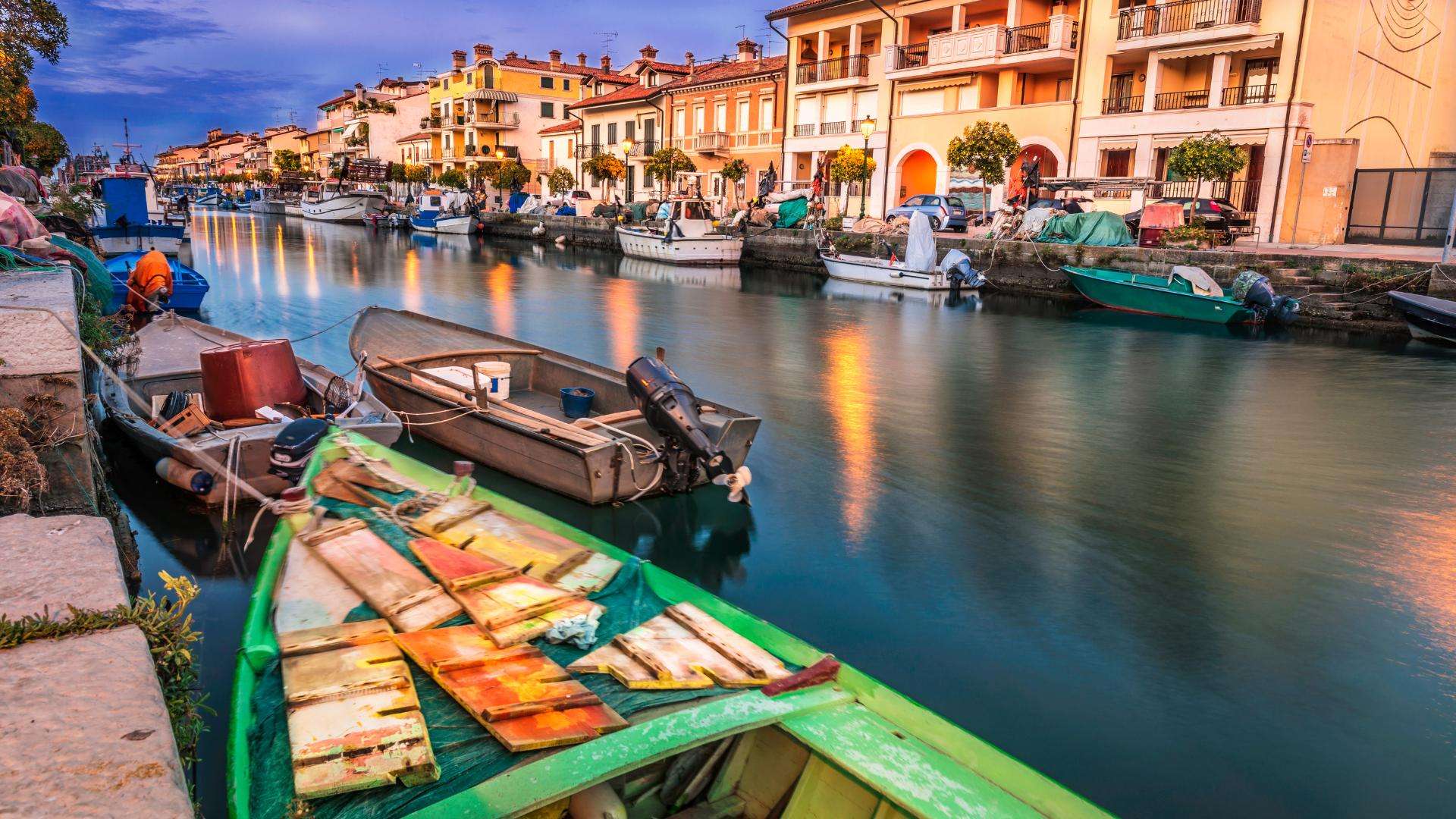
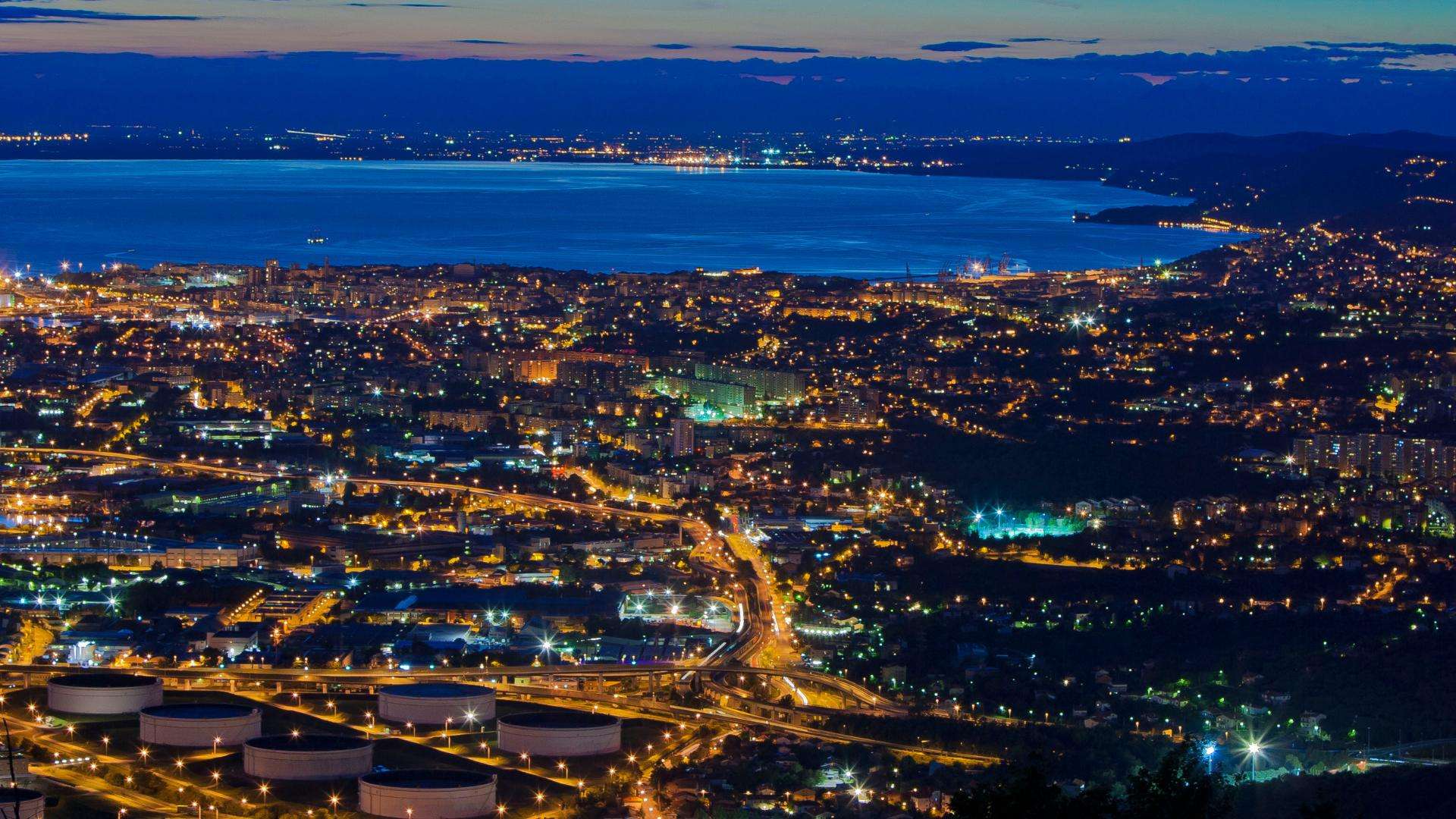
Morning coffee at the Habsburg Coffee House in Trieste, a mountain lake in the Julian Alps at noon, and a sunset over the Grado Lagoon in the evening: Friuli-Venezia Giulia (Friuli for short) packs all of this into about 7,900 km², an area that other regions would need many times over. The region is located in the far northeast of Italy between the Julian Alps and the Adriatic Sea, borders Austria and Slovenia, and has Trieste as its capital—a city that was long the most important port of Austria-Hungary.
On this page, you'll find an overview of all the articles about Friuli from italien.news: from the Sights in Trieste about the Highlights of Udine and the lagoon island Grado to natural attractions such as the Laghi di Fusine. You'll also find key facts, accommodation options, and answers to frequently asked questions—all updated regularly.
Friuli at a Glance
Friuli-Venezia Giulia is located in northeastern Italy between the Julian Alps and the Adriatic Sea and borders Austria and Slovenia. Its capital is Trieste, and its most famous destinations include Udine, Grado, Lignano Sabbiadoro, Cividale del Friuli, and Aquileia.
You can reach the region via the A23 from Villach through Udine to Palmanova, or by train to Trieste or Udine.
As of August 2026 · Area and population figures are rounded.
Stories from Friuli

Arco di Riccardo in Trieste – The Roman Gate of the Old Town
The Arco di Riccardo at Piazza Barbacan combines a short walk through the old town with Trieste's Roman history.

Beaches near Trieste: 8 swimming spots from Barcola to Sistiana
Acht Badeplätze bei Triest von Barcola bis zur Bucht von Sistiana: was Pedocin, Ausonia und Caravella kosten, welcher Bus hinfährt...

Lignano Sabbiadoro: 7 Highlights, Beach, Prices, and How to Get There
Eight kilometers of flat, Blue Flag-certified sandy beach, three neighborhoods, and a lagoon behind them: the 7 highlights of Lignano Sabbiadoro, featuring...

Seaside Resorts on the Northern Adriatic: The 10 Most Beautiful, from Grado to Rosolina
Ten beach resorts from Grado to Rosolina Mare, all Blue Flag 2026: beaches, prices, amusement parks, and how to get there on the northern...
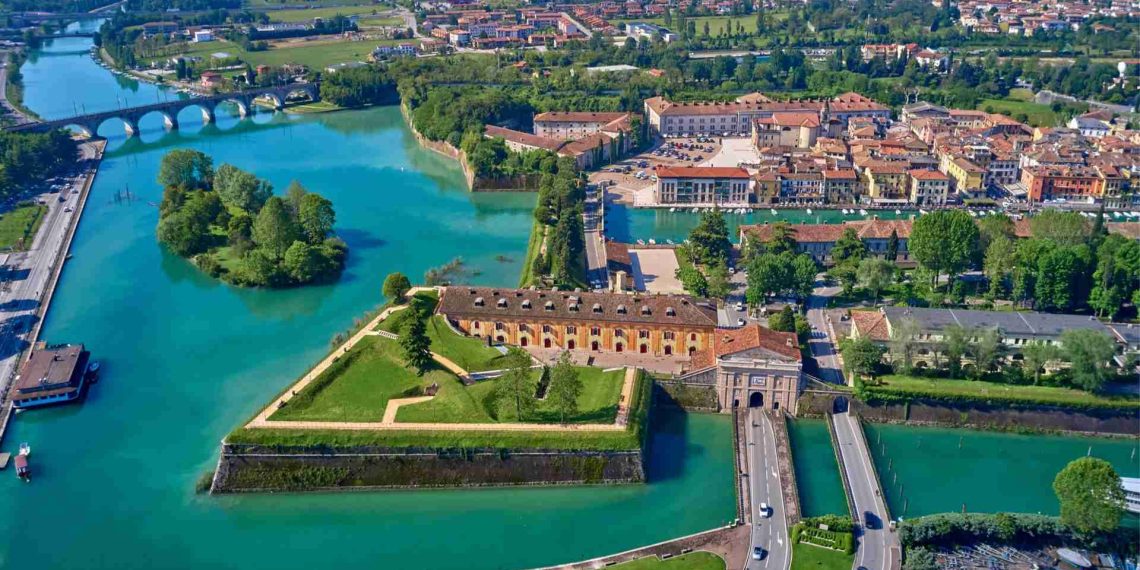
Venetian Defensive Works: An Overview of the 6 UNESCO Sites
Since 2017, six fortified towns in Italy, Croatia, and Montenegro have been designated as a joint UNESCO World Heritage Site; three of them are located in northern Italy.

Gorizia Attractions: 7 Highlights on the Border
Castle, border post, and Collio: Gorizia showcases the entire 20th century within just two square kilometers—and admission is practically free.
Trieste, Udine, Gorizia, and Pordenone: A Profile of the Four Major Cities in Friuli-Venezia Giulia
Trieste, Udine, Gorizia, and Pordenone: A Look at the Four Major Cities of Friuli-Venezia Giulia—Featuring Attractions, Events in 2026, and...
Monte Lussari: The Pilgrimage Village in the Three-Country Corner
Monte Lussari, the pilgrimage village at 1,790 meters in the border triangle of Italy, Austria, and Slovenia—with a cable car, a pilgrimage church, and a large...
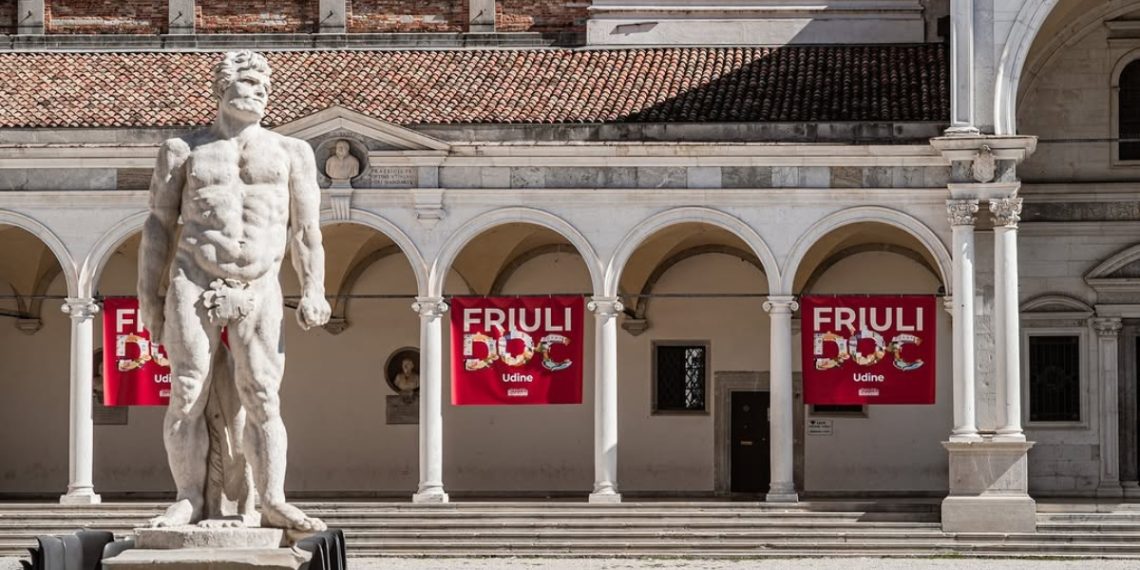
Friuli DOC: The Great Food Festival in Udine
Friuli DOC is Friuli's largest food and wine festival: For four days, Udine celebrates with prosciutto, cheese, wine, and music. All the details...

7 places to visit in Friuli Venezia Giulia!
Whether it takes you to the sun-drenched beaches of the Adriatic, the rugged limestone peaks of the Carnic Alps, or through...

Whitsun on the northern Adriatic: which vacation destination suits you?
Whitsun on the Adriatic: Jesolo, Caorle, Bibione or Lignano Sabbiadoro? Are you toying with the idea of using the Whitsun holidays for an...

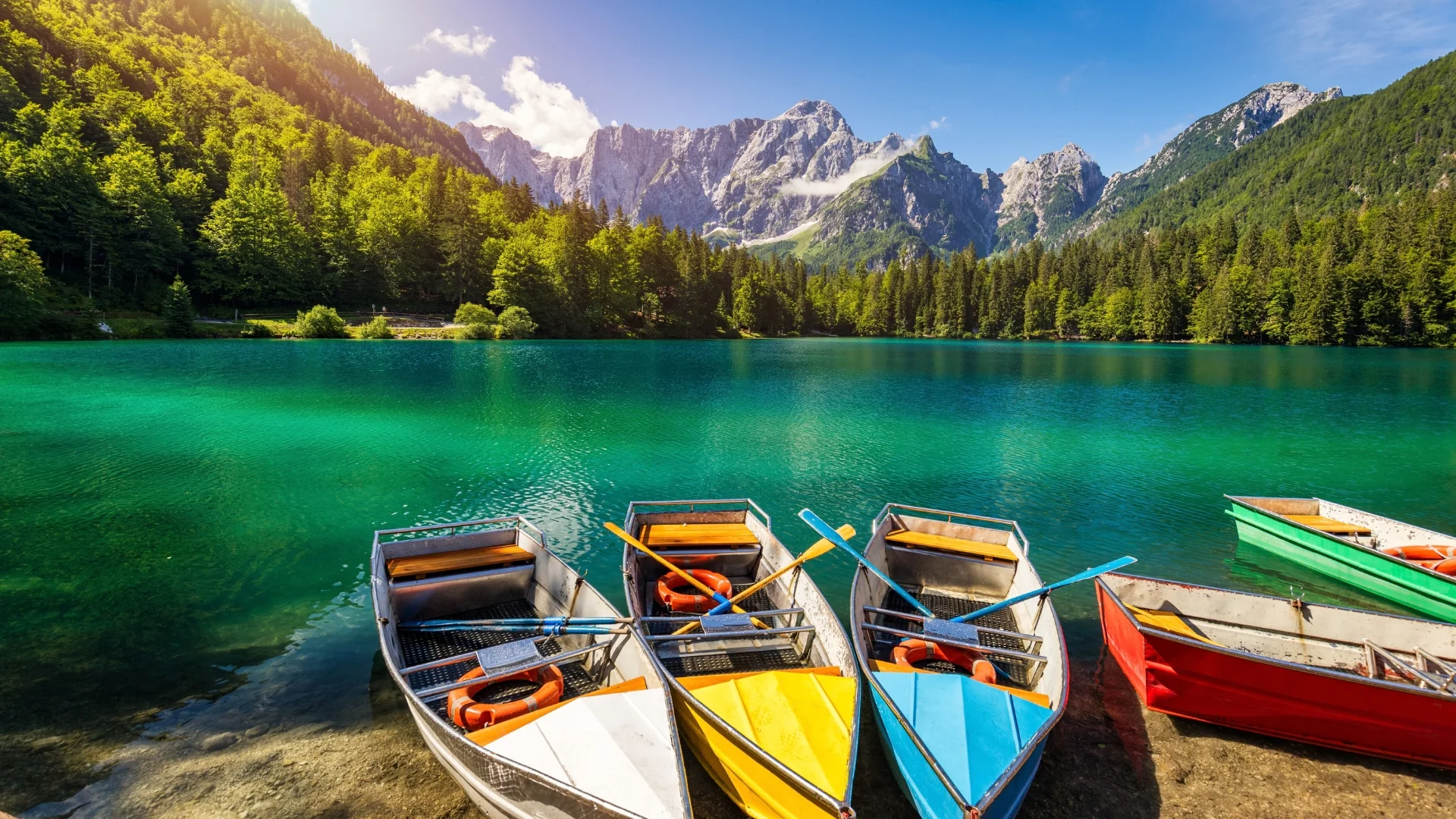
Laghi di Fusine: fairytale lakes at the foot of the Mangart
The Laghi di Fusine are among the most beautiful alpine lakes in Italy. They inspire with their unreal clear water, which, depending on...

Venzone, one of the most beautiful villages in Italy
Venzone: a village straight out of a fairytale! Imagine a place where time seems to stand still and...
Experience Udine: 7 highlights you have to see!
Udine: The Venetian heart in north-eastern Italy Udine, the often underestimated jewel in the heart of the Friuli Venezia Giulia region, embodies the...

Sun, beach & history: Grado, the most beautiful island on the Adriatic in Friuli!
Stroll through Grado: historical sites, culinary delights and beach life Nestled in the shimmering lagoon landscape of the upper Adriatic, the picturesque town of Grado reveals...
Top Accommodations in Friuli
Which places in Friuli are worth visiting?
In a nutshell: Trieste for its coffeehouses and the sea, Udine for its Venetian charm, Grado and Lignano for the beach, and Cividale and Aquileia for 2,000 years of history.
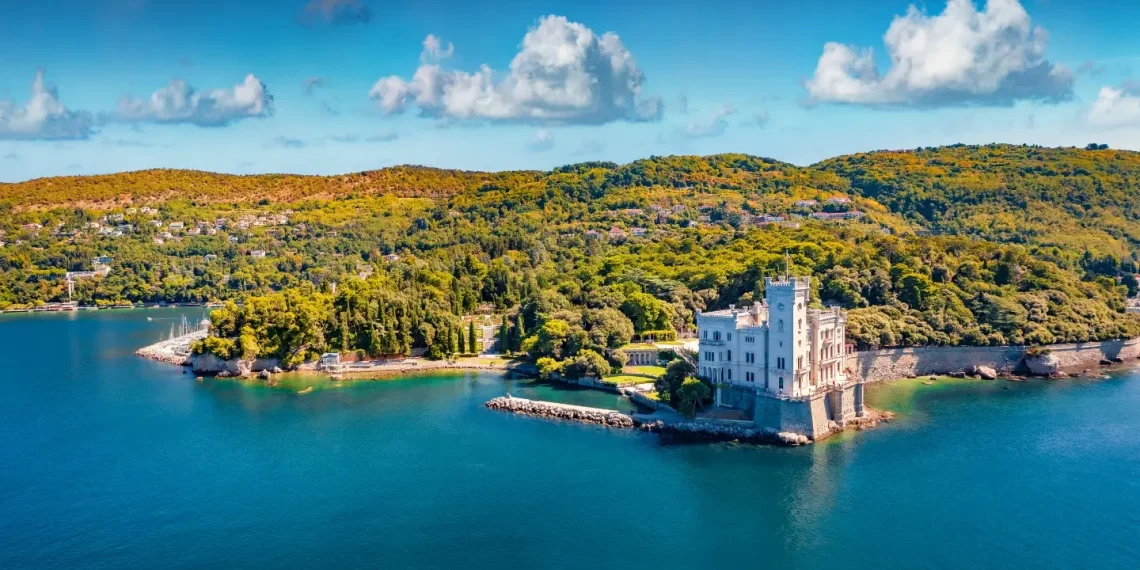
- Trieste: A port city with a Habsburg heritage, the vast Piazza Unità d’Italia right on the sea, and the white castle Miramare Castle. All the highlights in the article about the Sights in Trieste.
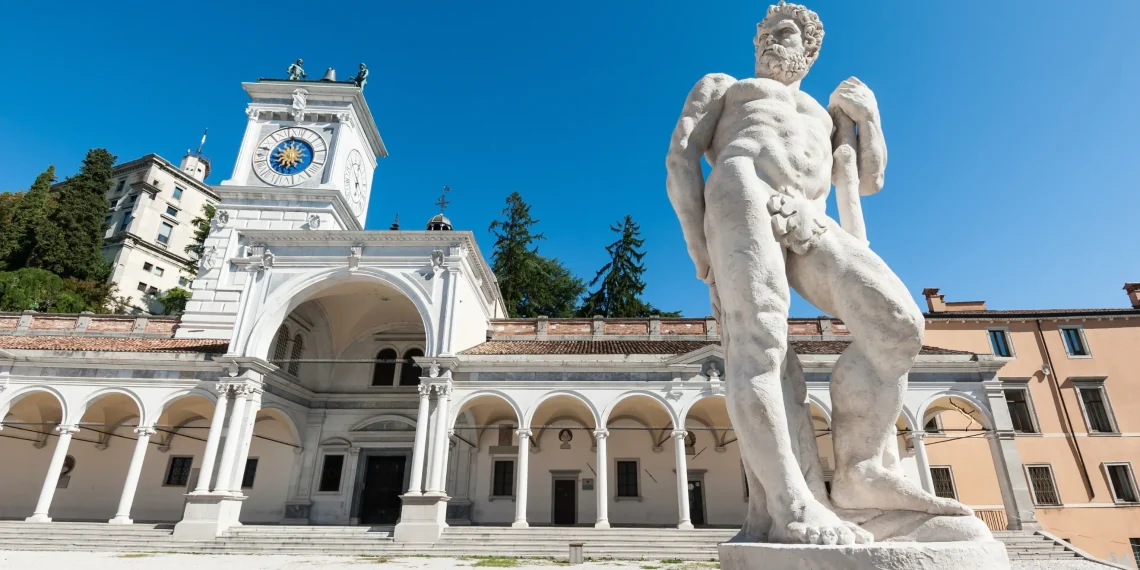
- Udine: A compact city of art with its castle hill, the Loggia del Lionello, and Tiepolo frescoes—the 7 Highlights of Udine You can do it in a day.
- Grado and Lignano: The „Sun Island“ Grado Lignano Sabbiadoro connects the lagoon, the old town, and the beach; it boasts about 8 km of fine sandy beach.
- Cividale del Friuli: Founded in 50 B.C. by Julius Caesar as Forum Julii, featuring the Devil's Bridge and a Lombard tempietto—learn more in our guide to Cividale del Friuli.
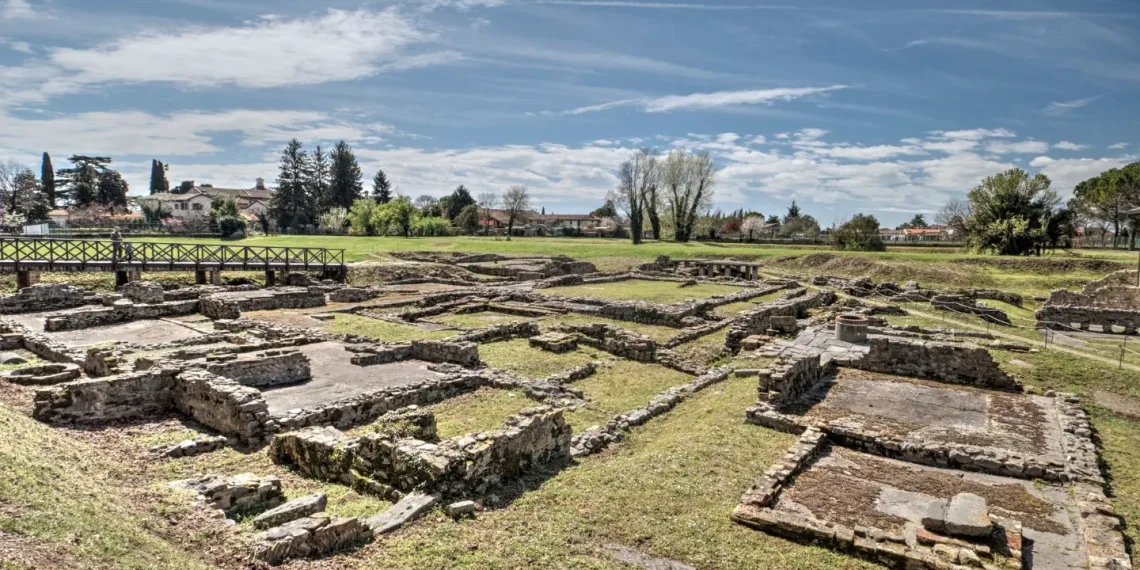
- Aquileia: Once one of the largest cities in the Roman Empire, today a UNESCO World Heritage Site with spectacular floor mosaics—the Highlights of Aquileia At a Glance.
- Little Treasures: The fortress, founded in 1593 as a model city Palmanova with its nine-pointed star-shaped layout and the medieval village Venzone, one of the most beautiful villages in Italy.
What makes Friuli so special?
Hardly any other Italian region brings together so many cultures: Trieste was part of the Habsburg Empire for over 500 years and was the most important port of Austria-Hungary until 1918—you can still feel that today in the coffeehouses and in the architecture around the Canal Grande. In addition, there are several UNESCO World Heritage Sites: the Roman ruins and the early Christian basilica of Aquileia (a World Heritage Site since 1998), as well as Cividale del Friuli, one of the Places of Power of the Lombards.
The second advantage is its geography: Only about 100 kilometers separate the peaks of the Julian Alps from the sandy beaches of the Adriatic Sea—from Udine, you can reach both the mountains and the sea in about an hour. Slovenian, German, and Friulian are spoken alongside Italian; three countries meet at the tri-border area near Tarvisio.
What are some worthwhile activities in Friuli?
Hikers are drawn to the Julian and Carnic Alps: The Laghi di Fusine At the foot of the 2,679-meter-high Mangart are some of Italy's most beautiful mountain lakes, and on the Monte Lussari A cable car from Camporosso takes you to this pilgrimage village at 1,790 meters. By the sea, you can choose between the flat, family-friendly beaches of Grado and the 8-kilometer-long sandy beach of Lignano Sabbiadoro. In between lie the Karst region with its caves, the bike-friendly Alpe-Adria Cycle Route from Salzburg to Grado, and the wine-growing hills of Collio.
What should you eat and drink in Friuli?
The region's star is the San Daniele prosciutto, which is aged for at least 400 days in the hillside air of San Daniele del Friuli. Things get hearty when it comes to the Frico, the crispy flatbread made with Montasio cheese and potatoes. White wines dominate the wine scene: Friulano and Ribolla Gialla from the Collio region on the Slovenian border are among the best in Italy. And in Trieste, the home of illy, you can enjoy your espresso in coffeehouses that have remained virtually unchanged since the 19th century.
What events are worth checking out in Friuli?
The highlight of the year is the Barcolana in Trieste on the second Sunday in October: With over 2,000 participating boats, it is considered the world’s largest sailing regatta—the Gulf of Trieste is then transformed into a sea of white sails. In September, Udine celebrates the region’s wine and cuisine for four days at the „Friuli DOC“ festival, and during Advent, Christmas markets draw visitors from Trieste to Tarvisio.
Friuli rewards explorers: not too crowded, short distances, and striking contrasts. Browse through the list of articles above and plan your own itinerary between the Alps and the Adriatic Sea—the FAQ below answers the most important questions.
FAQ - Frequently Asked Questions About Friuli
Video: Friuli-Venezia Giulia, Italy
Note: Disclaimer – Italien.news is not the owner or organizer of the attractions, accommodations, and events listed here and is therefore not responsible for changes to the program, event cancellations, or any incorrect information. The editorial team at Italien.news always endeavors to provide detailed and accurate information. However, it is possible that events, attractions, etc. may be changed and not updated promptly. Exact details of dates, times and programs can be obtained directly from the owner of the attractions and accommodation.
Please also check the website or social media of the attractions and events for updates before you travel! Our blog articles contain our personal recommendations in the form of affiliate links. If you book or buy something via the links or simply click on them, we receive a small commission. This does not change the price for you at all. Content and texts © Italien.new & KI / Photos © Canva.com / shutterstock.com / Unsplash.com / Pixabay.com / Pexels.com / Others. Please also visit our Italy Shop!
Sources and Further Information
- Autonomous Region of Friuli-Venezia Giulia – Official regional portal (accessed in August 2026)
- PromoTurismoFVG – the region's official tourism portal (accessed in August 2026)
- ISTAT – Demographics in Numbers – Population data from the Italian National Institute of Statistics (accessed August 2026)
- UNESCO World Heritage – Italy – World Heritage Sites in Friuli, including Aquileia and Cividale del Friuli (accessed August 2026)