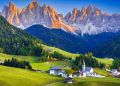
Pavana – Francesco Guccini has died. The singer-songwriter, poet, and novelist passed away on Thursday, August 6, 2026, at the age of 86 in Pavana, a hamlet in the municipality of Sambuca Pistoiese in the Apennines on the border between Tuscany and Emilia. He had retired there years ago, to the village of his childhood on the Limentra River, which he had celebrated in his song „Amerigo.“ According to his family, he died surrounded by his loved ones. At the family’s request, no details regarding the cause of death were disclosed.
At the musician’s request, the funeral service will be held in the presence of only his closest family and friends; a public memorial service is planned for September. Bologna and Modena have declared a day of mourning for the day of the funeral. Outside Guccini’s former apartment at Via Paolo Fabbri 43 in Bologna, people laid flowers and handwritten notes, and his songs played from car stereos; in Pavana, however, it remained quiet. President Sergio Mattarella paid tribute to the deceased as a poet, musician, and intellectual who sang of justice and equality. Prime Minister Giorgia Meloni stated that she had deeply loved his music and would continue to sing his songs—even if he probably wouldn’t have liked that.
Francesco Guccini and the Songs of Several Generations
Guccini was born on June 14, 1940, in Modena, and spent part of his childhood in Pavana. He worked as a local reporter, played guitar in dance bands, and taught Italian for two decades at the Bologna campus of the American Dickinson College. Bologna, the university city of osterias and long nights, became his second home alongside the Apennines. His debut album, „Folk Beat No. 1,“ was released in 1967, followed by songs such as „Dio è morto“ and „Auschwitz,“ which he wrote after reading reports about the extermination camps. The 1972 album „Radici“ added „La locomotiva“ and „Il vecchio e il bambino,“ followed in 1976 by the furious indictment „L’avvelenata.“.
His deep, instantly recognizable voice and acoustic guitar made him the chronicler of an Italy caught between rural exodus, the student movement, and everyday provincial life. Umberto Eco called him the most cultured of Italian singer-songwriters; friends and audiences dubbed him „il Maestrone,“ the great master. Guccini also wrote prose: autobiographical books about Pavana, crime novels co-authored with Loriano Macchiavelli, and the village ballad „Tralummescuro,“ which was a finalist for the Premio Campiello in 2020. With „L’ultima Thule“ in 2012, he had announced his retirement from the studio; ten years later, he returned once more with „Canzoni da intorto.“.