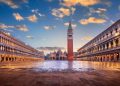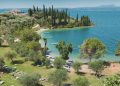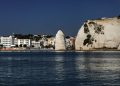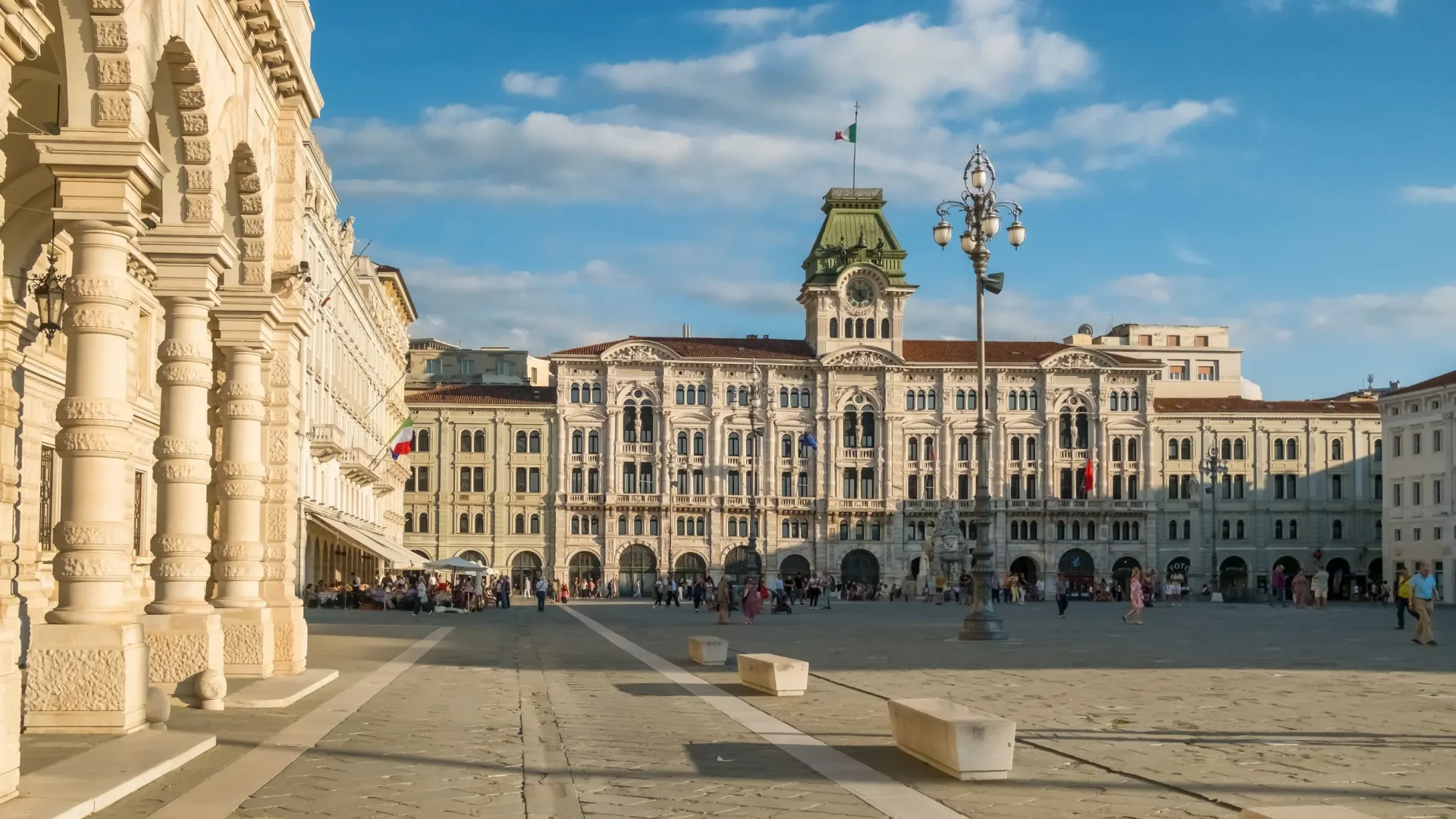
Trieste (Italian Trieste) is Italy’s cosmopolitan port city in the far northeast: Habsburg elegance, coffeehouse culture, an exceptional research scene, and the sea right on its doorstep. The border with Slovenia runs right along the city’s outskirts. This guide will show you whether the capital of Friuli-Venezia Giulia that suits you.
Why Trieste?
Trieste Connects Mediterranean and Central European charm like no other city: magnificent architecture, literary history, a vibrant coffeehouse culture, and a high quality of life. The city is international and academic distinguished—with one of the highest concentrations of researchers in Europe. If you’re looking for a major city by the sea that borders Central Europe, this is the place for you.
Where to Live: Neighborhoods and Rents
- Borgo Teresiano: the elegant downtown area with its canal and coffeehouses.
- Barcola: by the sea, popular for its beach promenade.
- San Vito, Cologna: middle-class, on a hill with a view.
- Carso Plateau: green and quiet, by car.
Rents are moderate for a large city by the sea. You can read about how lease agreements work at Rent an Apartment.

Where to Go in Italy? A Comparison of Regions for Expats
North, Central, or South? A comparison of climate, costs, jobs, and the expat community—here’s how to find the right region to move to in Italy.
Labor and the Economy
The strengths of the Ports and Logistics (an important gateway to Central Europe), Science and Research (numerous institutes and universities), Insurance and Finance (a major insurance hub) as well as shipbuilding and tourism. The job market is solid, especially in research and the port industry. You can find out how to search in the guide Find a Job.
Cost of living
Trieste is moderate – more affordable than the major cities in northern Italy, while offering a high quality of life. The overview of the Cost of living.
Everyday Life: Traffic and Climate
The city is well served by bus; Slovenia and Venice are nearby. The climate is mild, shaped by the sea—but notorious for the Bora, a strong, cold downslope wind that blows fiercely at times. More at Public Transportation.
First Steps in Trieste
The usual order applies: Codice Fiscale, Residenza at the Comune di Trieste, registration with the health department, and a bank account. You can find the complete process in the Moving Checklist.
What You Need to Do Next
Take advantage of the unique location between the sea and Central Europe, and sort out your job and budget; Trieste is particularly attractive for researchers. Get your Codice Fiscale and—if you’re a non-EU citizen—the appropriate visa, and work through the administrative steps one by one.
FAQ - Frequently Asked Questions About Moving to Trieste
Sources
- Municipality of Trieste (accessed in June 2026)
- ISTAT – National Institute of Statistics (accessed in June 2026)