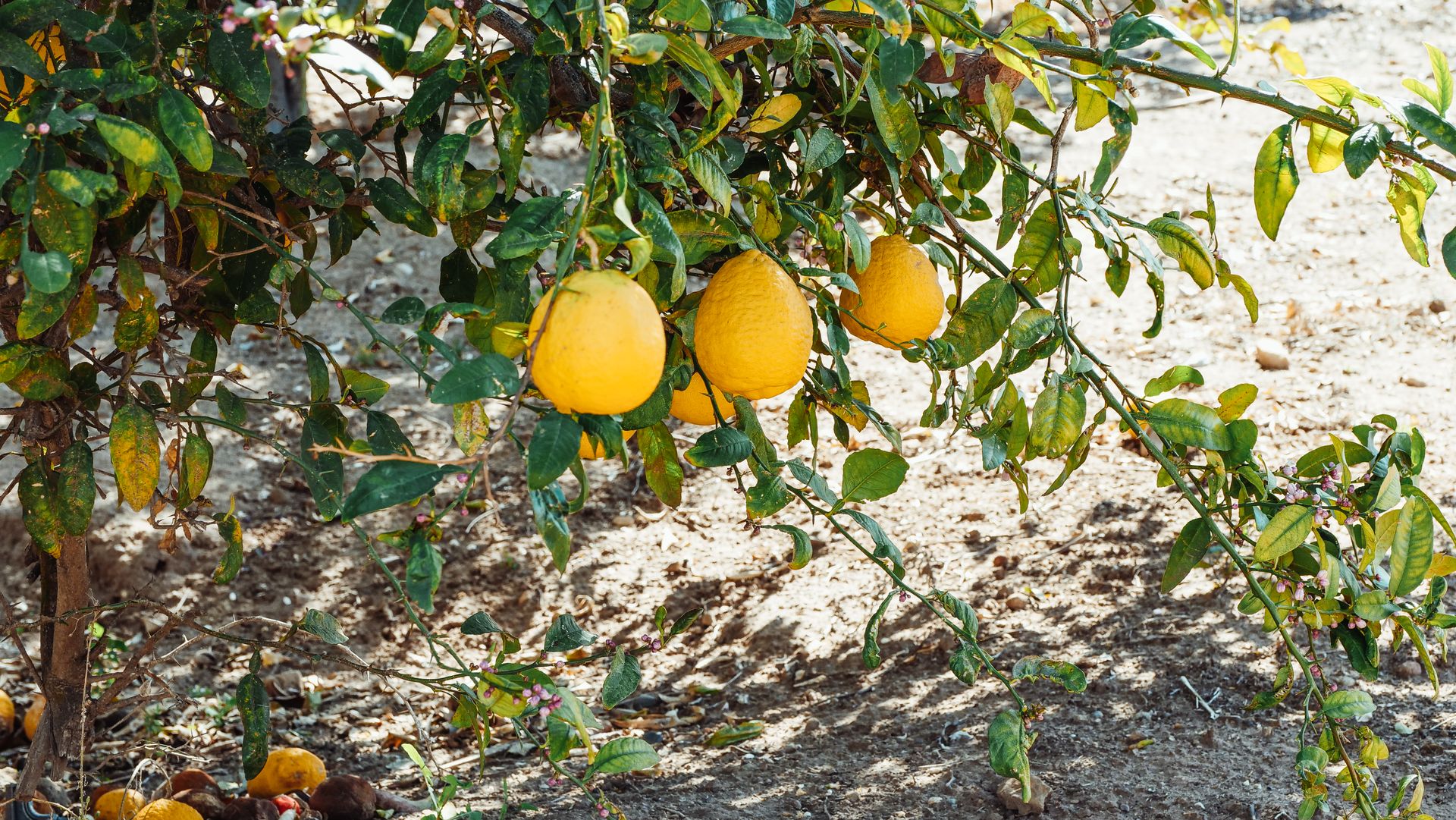

Rome. “Kennst du das Land, wo die Zitronen blühn” opens Goethe's Mignon song. In Wilhelm Meisters Lehrjahre Mignon sings it at the start of the third book. Wilhelm takes the country described to be Italy. The three stanzas lead from a garden of citrus trees through a house with marble statues to a threatening mountain path. As you read on, the familiar image of Italy gives way to the question of why Mignon wants to return there.
The song appeared in 1795 in the novel's second volume. If you know it mainly as a familiar saying, the whole scene is worth reading. Goethe also describes how Mignon sings and how Wilhelm responds. You can find the first edition with this passage in the sources box.
Mignon's song at a glance
The famous opening belongs to a song within a novel. Mignon sings it outside Wilhelm's door, accompanying herself on a zither.
As of November 2026 · Sources and further information at the end of the article.
Who sings of the land where the lemons bloom?
Mignon is a young member of the theatrical world that Wilhelm Meister enters. In the novel, Wilhelm is looking for a purpose and initially believes he might find it on the stage. Mignon remains hard for him to understand. In the scene outside his door, she can express herself through music before answering his questions.
At first Wilhelm hears only the song. He then suggests Italy as the answer to the question. Mignon takes up the name and asks him to take her along if he travels there. Asked whether she herself has been there before, she remains silent. On a first reading, it seems like a pause in conversation. Later, the silence gains weight as the novel gradually reveals more about her origins.
The three stanzas – garden, house and mountain
The Garden
Blooming lemons, golden oranges, myrtle and laurel give the first stanza colour, scent and height. A gentle breeze completes the scene. The question addressed to the listener turns the description into an invitation. Because the lines name no village or town, the opening stanza could later stand for many different parts of Italy.
The House
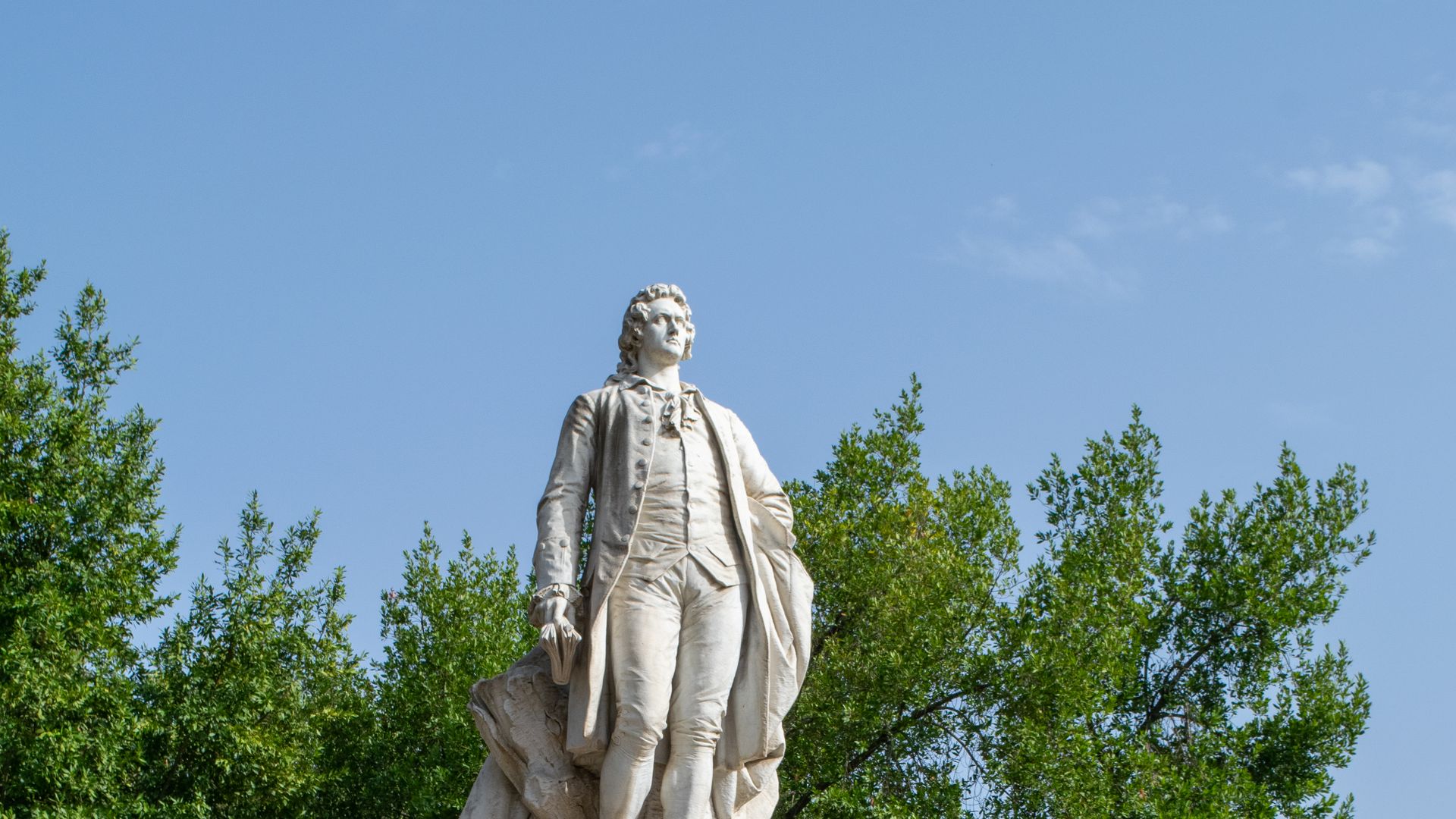
The second stanza moves into a space with columns and marble statues. The splendour remains, but the statues seem to look at the child. The question about what was done to the child hints at a personal history. The wish to travel takes on a different tone. If you know only the first line, you miss this turn.
The mountain
The final passage brings mist, a mule, rocks and water. The route is arduous and dangerous. The way the singer addresses her companion also changes with each stanza: the beloved becomes a protector and finally a father. This can be read as a growing plea for closeness and safety. The roles' meaning within the novel only becomes clearer later.
| Stanza | Image | What to notice as you read |
|---|---|---|
| 1 | Citrus trees, laurel and mild air | The garden is an invitation. |
| 2 | Columns, rooms and marble statues | The question about the child introduces unease. |
| 3 | Mountain pass, mist and rock | The return requires a difficult journey. |
How Beethoven and Schubert turned the poem into art song
In the novel, Goethe describes the change in Mignon's performance. It begins solemnly and darkens within the stanza. The repeated plea, too, sounds different each time. When comparing two musical settings, listen for whether the music emphasises the change of mood or binds the stanzas more closely together.
Beethoven's Mignon is the first of his six songs, op. 75. The Beethoven-Haus in Bonn documents several attempts at setting it and a copy by Therese Malfatti with additions by the composer. The first version by Franz Schubert of Mignon, D 321, survives as an autograph score dated 23 October 1815. In the digital collections, you can find the records and compare the scores with the passage in Goethe's novel.
Another source shows how quickly the song took on a life of its own. The University and State Library of Bonn holds a printed setting by Ernst Häußler dated to 1798 or 1799. Only a few years separated the novel's publication from that musical edition.
Where to find Goethe's image of Italy today
If the real landscape interests you after reading, the historic lemon houses on western Lake Garda show how much work was involved in growing citrus fruit in the north. Stone walls retain warmth, while frames provided winter protection. The Lemon Riviera on Lake Garda links surviving structures in several towns. Farther south, lemon growing is part of the landscape of Sorrento and the Amalfi Coast.
For the genesis of the novel, its literary context is a more reliable guide than a search for a single garden. You can trace Goethe's actual route in our article about his journey through Italy from the Brenner to Sicily . The Casa di Goethe in Rome commemorates his stay at Via del Corso 18 between 1786 and 1788. There you can view the journey as biography. For Mignon, Italy remains both a place of memory and a place of hope.

FAQ – questions about Goethe's Mignon song
Sources and Further Information
- Deutsches Textarchiv – second volume of Lehrjahre, 1795 (accessed November 2026)
- Deutsches Literaturarchiv Marbach – Mignon's song (accessed November 2026)
- Beethoven-Haus Bonn – copy of Mignon, op. 75 no. 1 (accessed November 2026)
- Schubert Online – autograph of Mignon, D 321 (accessed November 2026)
- University and State Library of Bonn – setting by Ernst Häußler (accessed November 2026)
- Casa di Goethe – Via del Corso 18 (accessed November 2026)