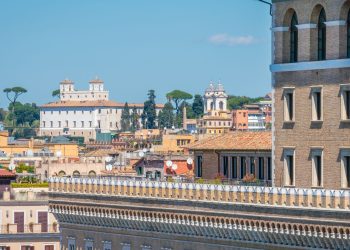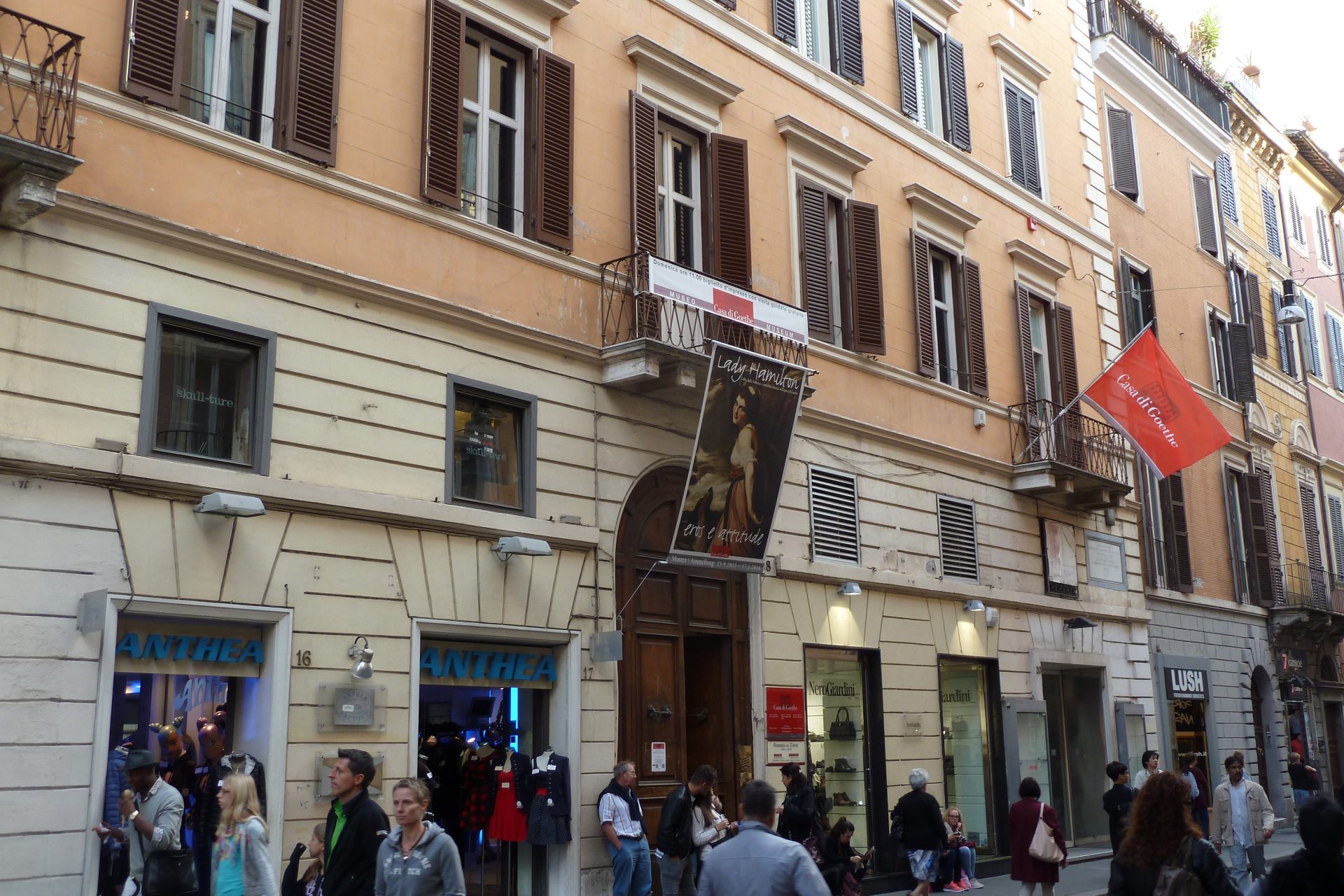

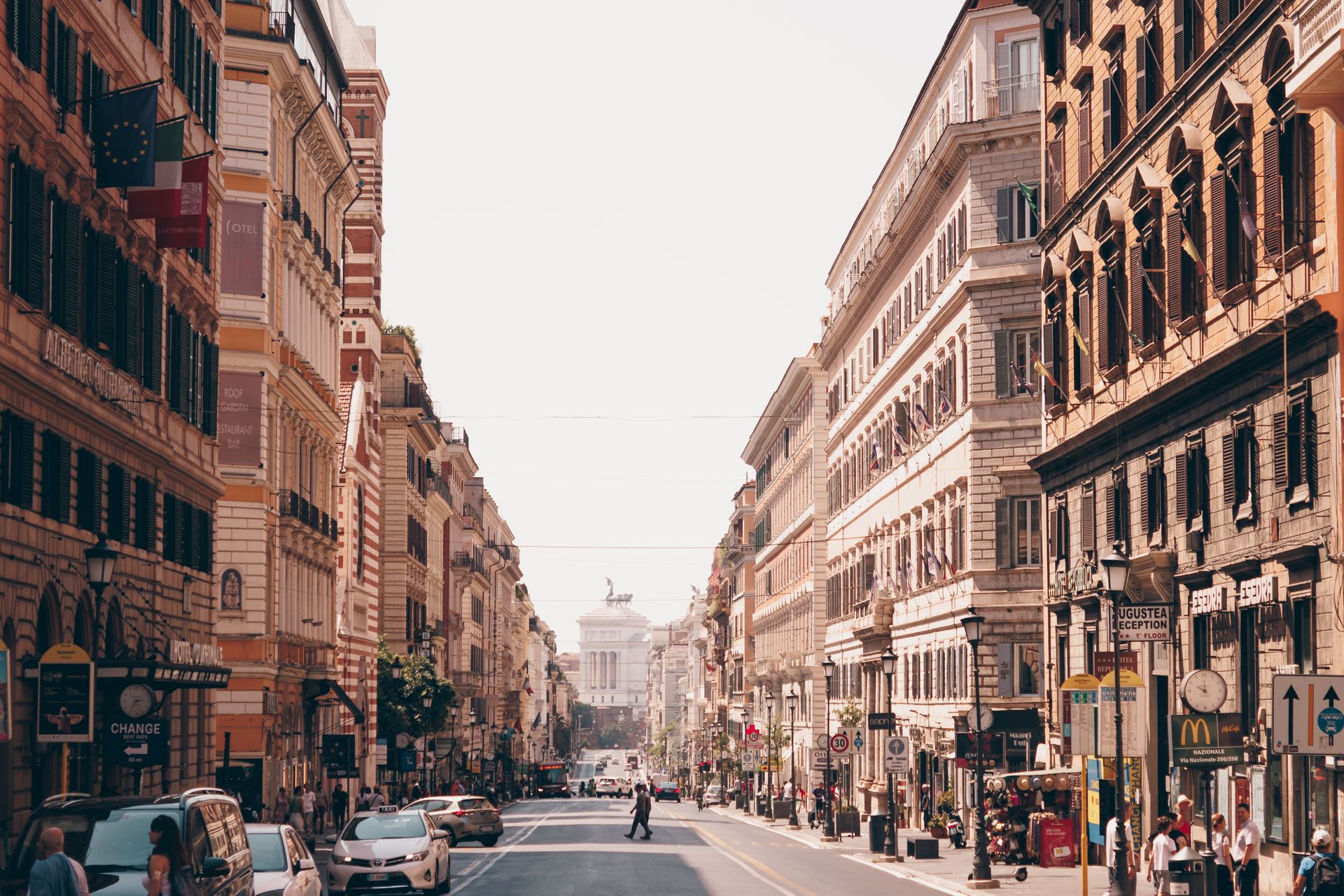
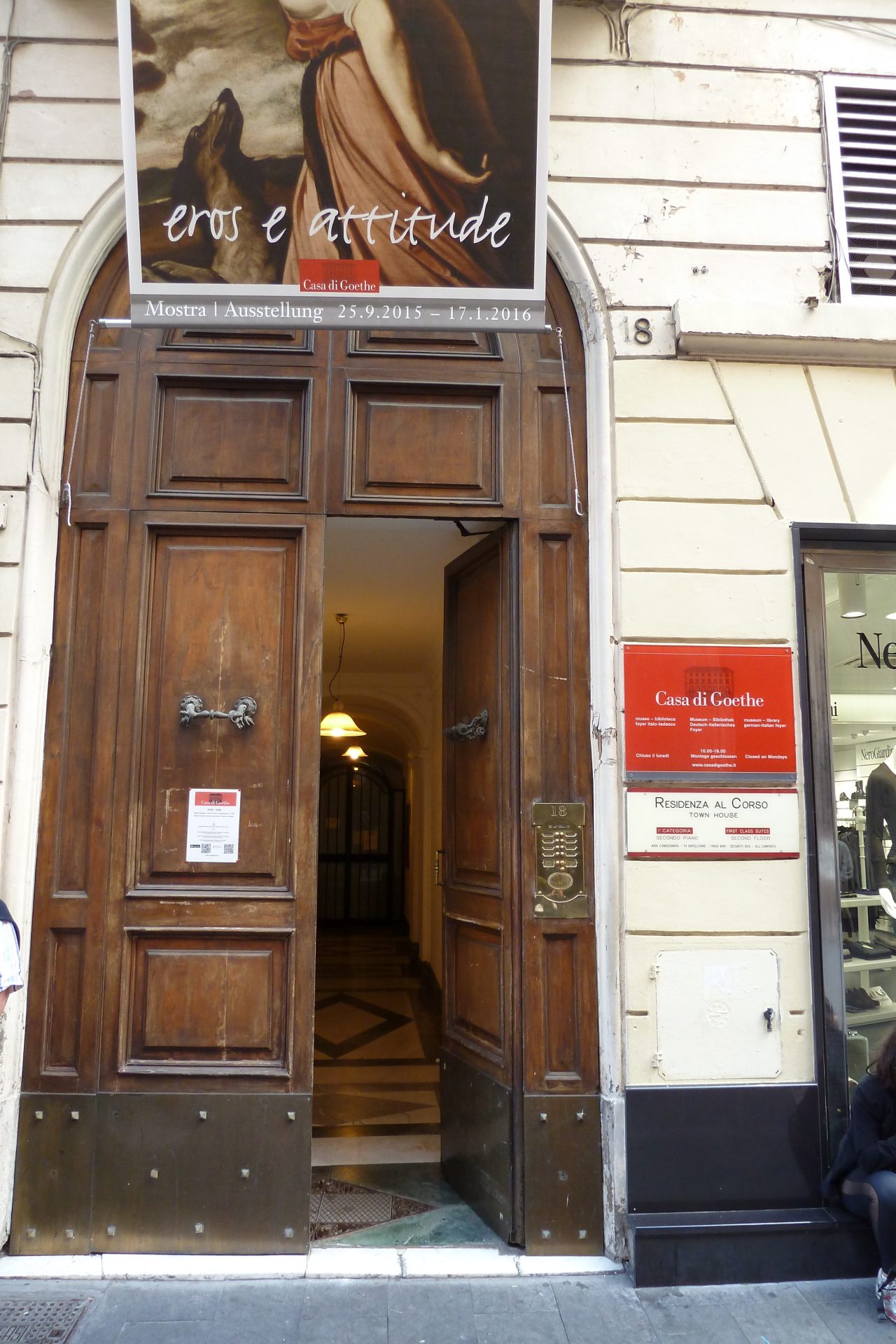
Rome – Goethe lived for two years on the first floor of a narrow house located between Piazza del Popolo and Piazza Venezia. Today, it houses a museum: the Goethe House at the Via del Corso 18, the dead-straight boulevard running through the historic center. Admission is €6.00; it’s open Tuesday through Sunday from 10 a.m. to 6 p.m., and it takes about an hour to walk through the 600 square meters.
The house truly lives up to its name. Johann Wolfgang von Goethe sublet a room here between 1786 and 1788 at Johann Heinrich Wilhelm Tischbein, the German painter who later painted his portrait in the Roman Campagna. Since 1997, the apartment has been a museum, supported by the AsKI, the working group of independent cultural institutes based in Bonn. What you’ll find, however, isn’t a poet’s apartment furnished like a museum, but an exhibition of documents, drawings, and paintings.
The Casa di Goethe by the Numbers
A small museum with set hours: six euros admission, closed on Mondays, last admission at 5:30. The on-site library is open by appointment only.
As of September 2026 · Information provided by Casa di Goethe.
- Readers of „Italian Journey“
- Anyone looking to experience Rome away from the crowds
- Art lovers with an hour to spare
- Rainy Days in Downtown
- Anyone expecting a furnished poet's apartment
- Children with No Connection to Goethe
- Monday Visits
- Wheelchairs wider than 59 centimeters
How much is admission to the Casa di Goethe?
Adults pay €6.00; the reduced rate is €5.00. A family ticket for two adults and up to three children costs €17.00. Reduced-price admission is available to students, visitors age 65 and older, journalists, and members of ACI, ARCI, FAI, Touring Club Italiano, Bibliocard, RomaPass, and the Austrian Institute in Rome; for members of these organizations, accompanying guests also pay the reduced price.
Admission is free for children under ten, for people with disabilities and one accompanying person, and for ICOM members. There is no annual pass. School groups receive a guided tour at no extra charge; the museum will provide the reduced rate per student when you register.
Admission and Additional Services
| Offer | Price |
|---|---|
| Adults | 6,00 € |
| Reduced-price admission: Students and seniors aged 65 and older | 5,00 € |
| Family ticket: two adults and up to three children | 17,00 € |
| Children under 10 years of age | free |
| People with disabilities and one accompanying person | free |
| ICOM Members | free |
| Audio Guide | 5,00 € |
| Guided tour for groups of 10 to 25 people | 40.00 € plus admission |
| Guided tours on Sundays at 11 a.m. and 4 p.m. in Italian | Free, plus admission |
| With a ticket from the Keats-Shelley House, no more than three days old | €1.00 discount |
As of September 2026 · Information provided by Casa di Goethe.
When is the Casa di Goethe open?
It is open Tuesday through Sunday from 10 a.m. to 6 p.m.; last admission is at 5:30 p.m. We are closed on Mondays, all year round. In addition, there are fixed closing days: May 1, the three Ferragosto holidays from August 15 to 17, the Christmas holidays from December 24 to 26, and New Year's Day.
Since the apartment is small enough to navigate easily, you won't need to book a time slot or buy tickets in advance. If you're traveling to Rome in the height of summer, be sure to mark the Ferragosto holidays on your calendar: many restaurants and bars in the city are closed during that time.
When you come in
| Day | Times |
|---|---|
| Tuesday through Sunday | 10 a.m. to 6 p.m. |
| Monday | closed |
| Last admission | 5:30 p.m. |
| May 1 | closed |
| August 15–17 | closed |
| December 24–26 | closed |
| At the Turn of the Year | closed |
As of September 2026 · Information provided by Casa di Goethe.

The 10 Most Beautiful Sights in Rome, the Eternal City
The Colosseum, the Pantheon, the Trevi Fountain, and the Vatican: the 10 most beautiful sights in Rome, with verified prices and opening hours for 2026.
Who lived in this apartment
Goethe arrived in Rome on November 1, 1786, and the sentence with which he recorded that day is the most famous in the entire book: „Yes, I have finally arrived in this capital of the world!“ He traveled incognito, having set out by stagecoach on September 3, and wanted one thing above all else in Rome: not to be recognized as the poet from Weimar.
He did not live alone in the apartment on Via del Corso. It belonged to Tischbein, and besides the two of them, the painters lived there as well Johann Georg Schütz and Friedrich Bury. A German artists„ commune right in the heart of Rome, nearly two hundred years before the term even existed. A week after his arrival, Goethe jotted down the second line that every traveler to Rome knows today: ‘… I simply open my eyes and look, and walk, and return, for one can only prepare for Rome in Rome.‘
In September 1787, during his second stay in Rome, he wrote home: „Rejoice with me that I am happy; indeed, I can safely say I have never been so happy.“ Anyone who Italian journey Anyone who has read it will recognize the sentences in the rooms. That is the real reason to come here.
What do you see in the permanent exhibition?
The permanent exhibition is called „Goethe in Italy“ and recounts the poet’s daily life in Rome: his living situation, contemporary documents, letters, and the works of his painter friend. Added to this are the topics that occupied his mind while he was there: color theory, his botanical studies from Sicily, and the three works he was working on in Rome: Iphigenia, Torquato Tasso and the Roman Elegies. Four stops are worth a closer look.
1. Tischbein's Drawings of Goethe
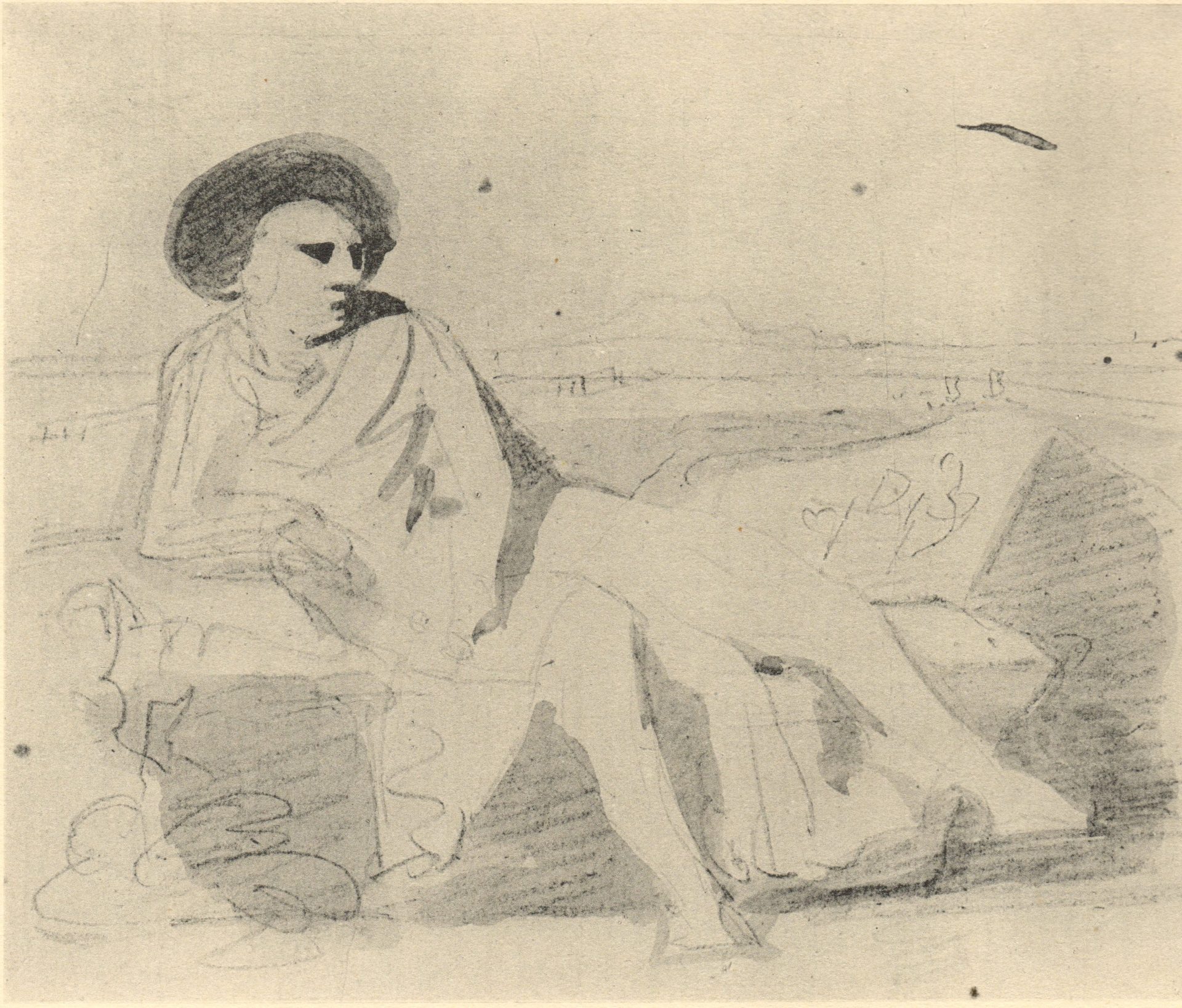
Tischbein drew his lodger time and again: sleeping, reading, standing at the window, lying in the Campagna. These drawings are the heart of the house and the reason why the exhibition works despite the lack of furniture. You see a man taking a break from himself, and you see him through the eyes of his roommate.
2. The Campagna painting that began here
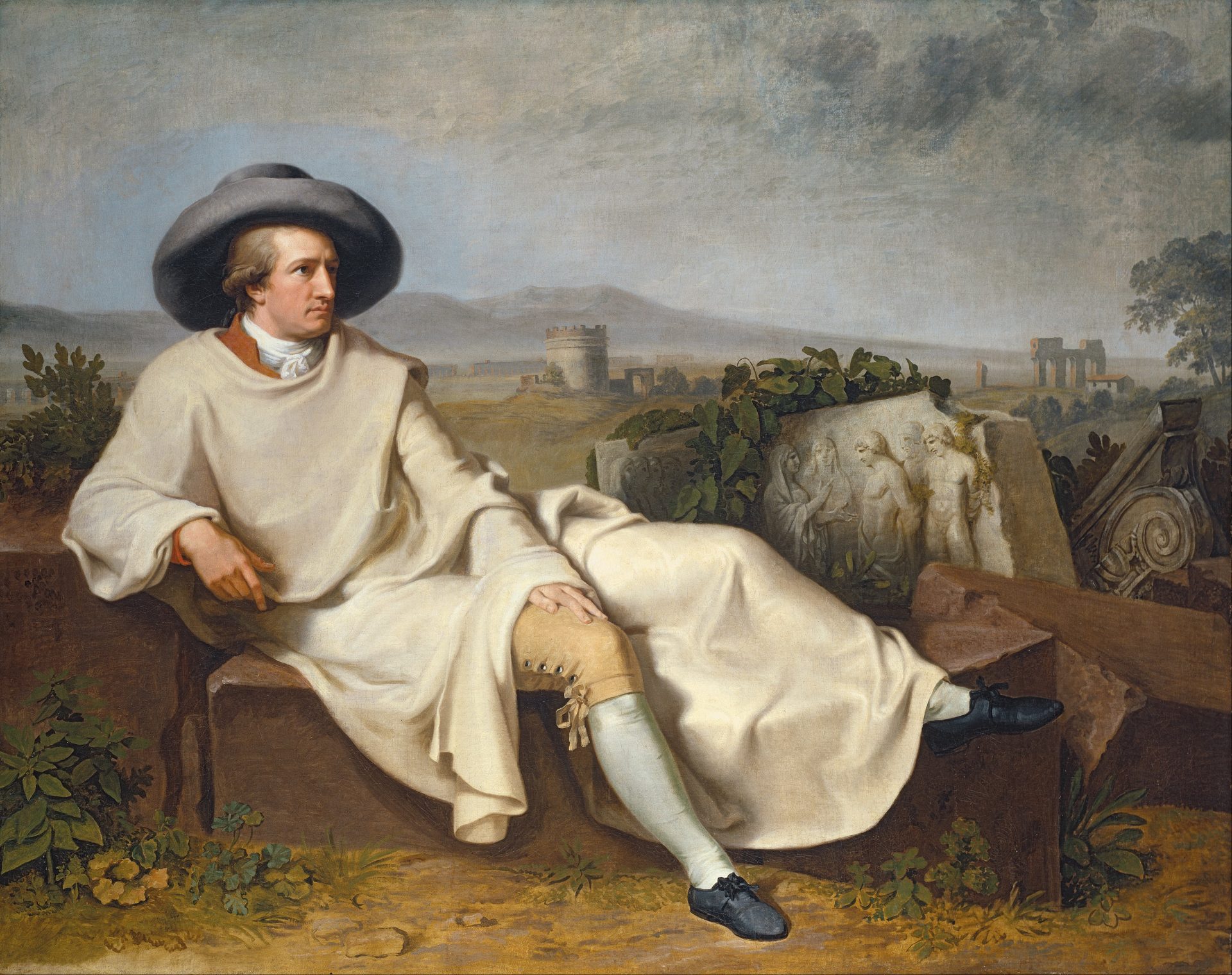
Tischbein's Paintings Goethe in the Roman Campagna It was created in this house in 1787. But you won't be able to see it here: The original hangs in the Städel Museum in Frankfurt am Main. A copy of the painting, created by the artist Georgi Takev in 1996, hangs in the Casa di Goethe. This is more accurate than it sounds, because the room in which the painting was created is real.
3. Angelika Kauffmann and the Others
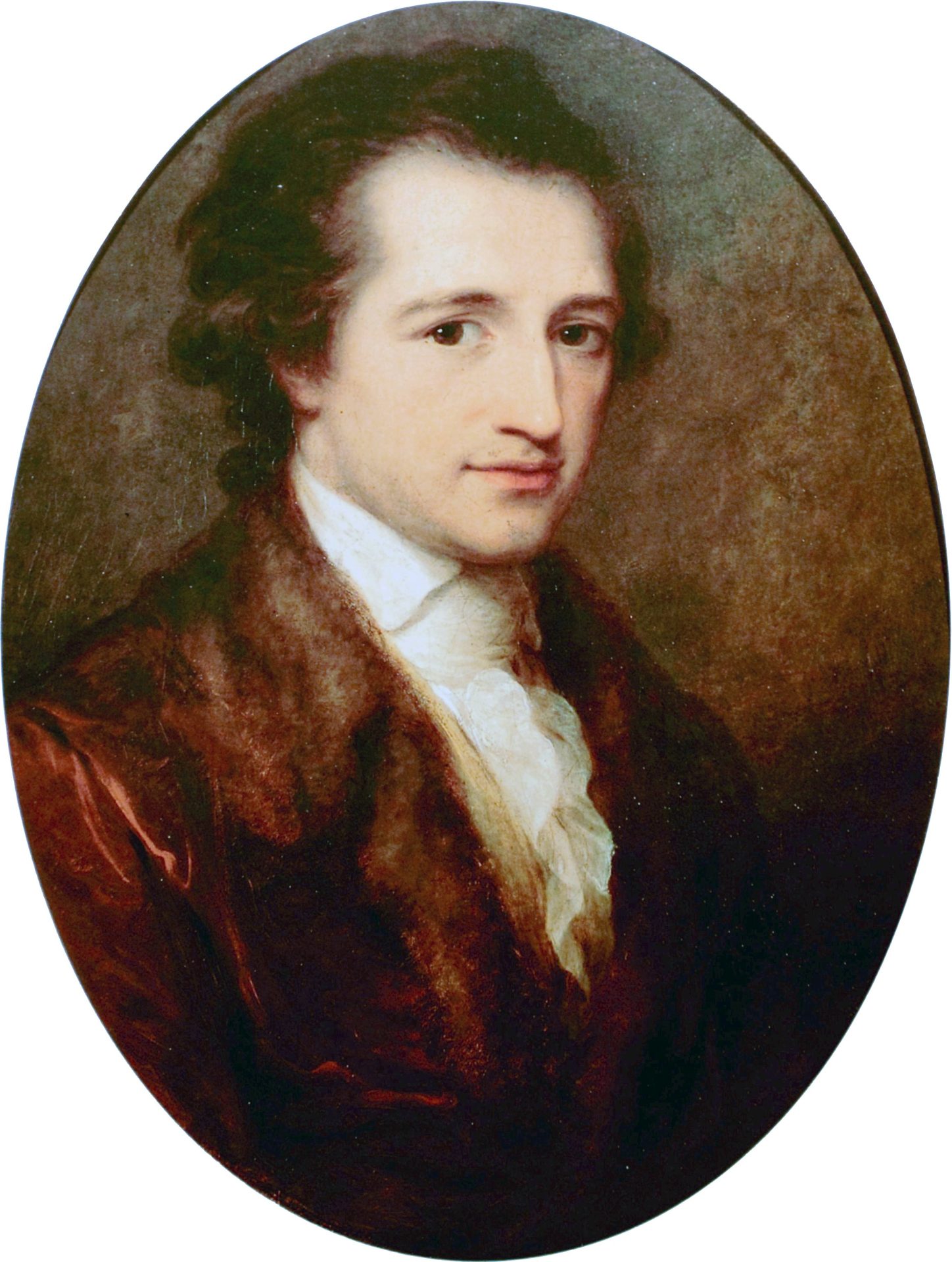
In addition to Tischbein, other artists from the Roman circle are represented, most notably Angelika Kauffmann, the Swiss painter who ran a popular studio in Rome and painted a portrait of Goethe in 1787. Also included are works by Jakob Philipp Hackert and Christoph Heinrich Kniep, the artist who accompanied Goethe on his trip to Sicily.
4. Warhol at the Goethe House
The collection does not end in the 18th century. Andy Warhol Goethe painted this portrait in 1982, based on Tischbein’s painting *Campagna*, and this piece hangs here. Next to it stands the Self-Portrait as Mephisto by the painter Salomé, an even more recent response to Goethe. The museum’s collection includes paintings, drawings, prints, books, autographs, sculptures, photographs, and installations.
What exhibition is currently on?
In addition to the permanent exhibition, the museum hosts temporary exhibitions. The current exhibition is the „NEWTON | GOETHE | GALILEO – Reflections by Mischa Kuball“, a solo exhibition by the Düsseldorf-based light artist, which runs from April 30 to October 4, 2026, and draws on Goethe’s Theory of Colors. The accompanying catalog will be presented at the museum on September 29, 2026, at 7:00 p.m.
The Casa di Goethe also serves as an event venue: readings, book presentations, and discussions are regularly on the program, usually in the evening at 6 or 7 p.m. and generally free of charge. It’s worth checking the museum’s events page before your trip.
The Kuball exhibition ends on October 4, 2026. The museum will announce at short notice what will be on display in the temporary exhibition galleries afterward. The permanent exhibition „Goethe in Italy“ will not be affected.
The Library and the Second Floor
One floor above the museum is the quiet section of the building. The specialized library contains approximately 8,500 volumes on the Goethe era, his trip to Italy, and German-Italian cultural relations. The collection is based on the private library of the collector and publisher Richard W. Dorn, which the institution acquired in 1991; new publications and rare editions have been added to the collection on an ongoing basis since 1989.
It is used in the reading room: Renting is not available, and visits require an appointment made via email. On the same floor—which the organization acquired in 2009 and has been using since 2012—are also the 19th-century historical library of the German Artists' Association in Rome, a conference room, and a guest room.
This room is part of the Casa di Goethe Scholarship, which is funded by the Karin and Uwe Hollweg Foundation. Scholarship recipients work at the residence for two months and also live there. In the seventh call for applications, eight individuals were selected, and their residencies will begin in the fall of 2026.
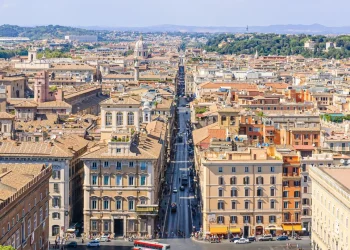
Via del Corso: The Ultimate Shopping Guide in the Heart of Rome
Via del Corso: The Lifeline in the Heart of the Eternal City Located in the vibrant heart of the Eternal City, Via del Corso is far more than just a thoroughfare—it...
How do you get to the Casa di Goethe?
The museum itself is named after the subway station Flaminio on Line A; from there, the route goes through Piazza del Popolo and then down Via del Corso. A single-ride ATAC ticket, which BIT, costs €1.50 and is valid for 100 minutes. If you're staying for several days, it's cheaper to buy a multi-day pass: €8.50 for 24 hours, €15.00 for 48 hours, and €22.00 for 72 hours.
From Fiumicino Airport, the Leonardo Express It takes 32 minutes to get to Roma Termini without any stops; the ticket costs €14.00. If you’d rather take a taxi: The flat rate to the city center within the Aurelian Walls is €55.00 from Fiumicino and €40.00 from Ciampino, including all surcharges. For more information on tickets and time slots for the major venues, see our Overview of Rome Tickets.
Here's how to get to Via del Corso
| Path | Here's how it works |
|---|---|
| Metro | Take Line A to Flaminio, then walk across Piazza del Popolo to Via del Corso |
| Local Transit Ticket | BIT 1.50 € for 100 minutes · 24 hours 8.50 € · 48 hours 15.00 € · 72 hours 22.00 € · Week 29.00 € |
| From Fiumicino | Leonardo Express to Termini, €14.00, 32 minutes, every 15 minutes · Taxi: €55.00 flat rate |
| From Ciampino | Taxi to the city center within the Aurelian Walls for a flat rate of €40.00 |
| By car | ZTL Centro Storico: Mon–Fri 6:30 a.m. to 6 p.m. and Sat 2 p.m. to 6 p.m. · Nights: Fri and Sat 11 p.m. to 3 a.m.; suspended in August |
As of September 2026 · Information provided by Casa di Goethe, ATAC, Roma Servizi per la Mobilità, and Aeroporti di Roma.
Don't drive into the city center yourself. The Centro Storico access restrictions are monitored by cameras, and you'll receive a fine months later through the car rental company. Park the car outside and take the metro.
What you connect nearby
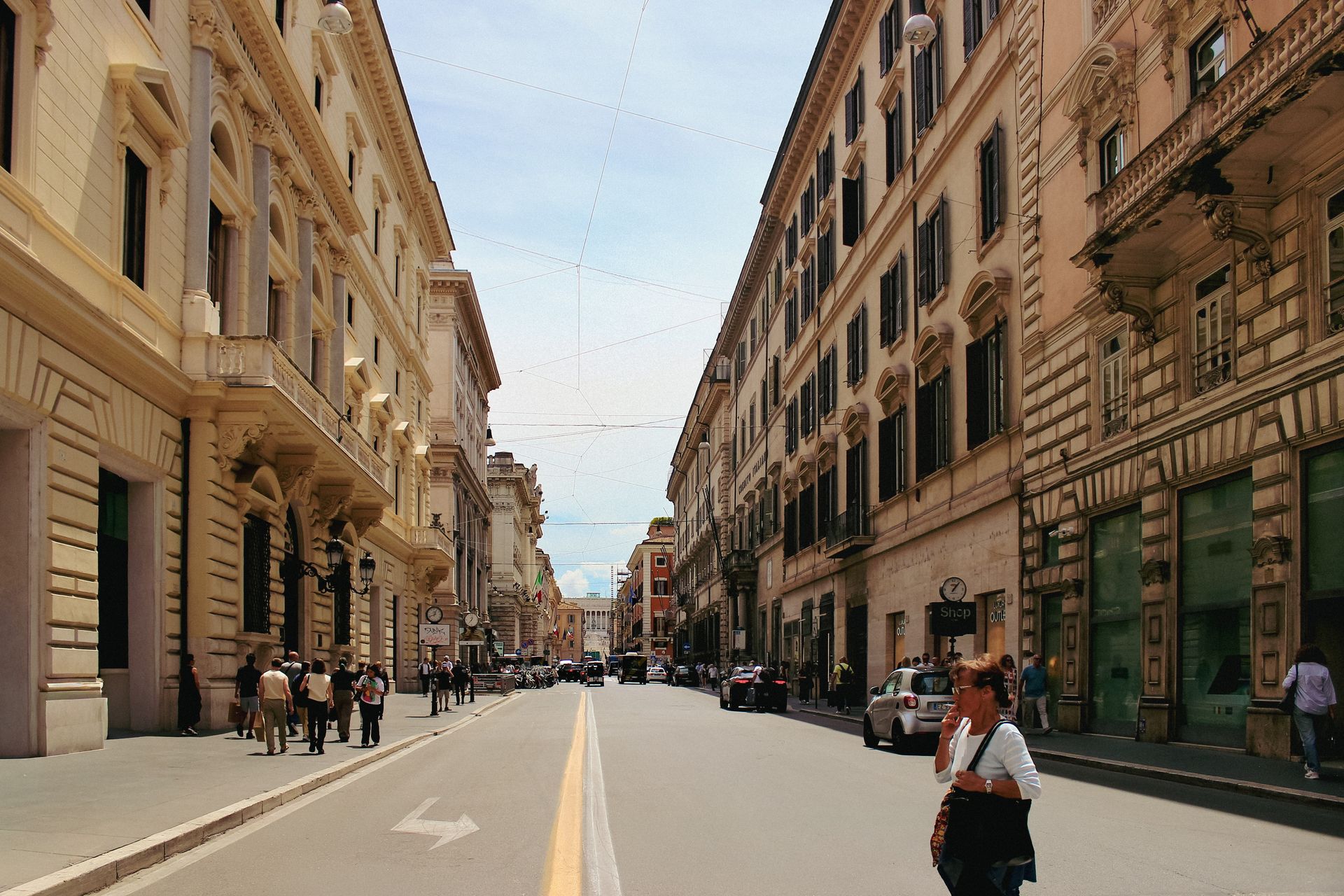
The Casa di Goethe is located at the northern end of Via del Corso, which makes it a good starting point. A few steps further on, the Piazza del Popolo with its Egyptian obelisk and the two twin churches; in the church Santa Maria del Popolo Two Caravaggios hang on the north wall.
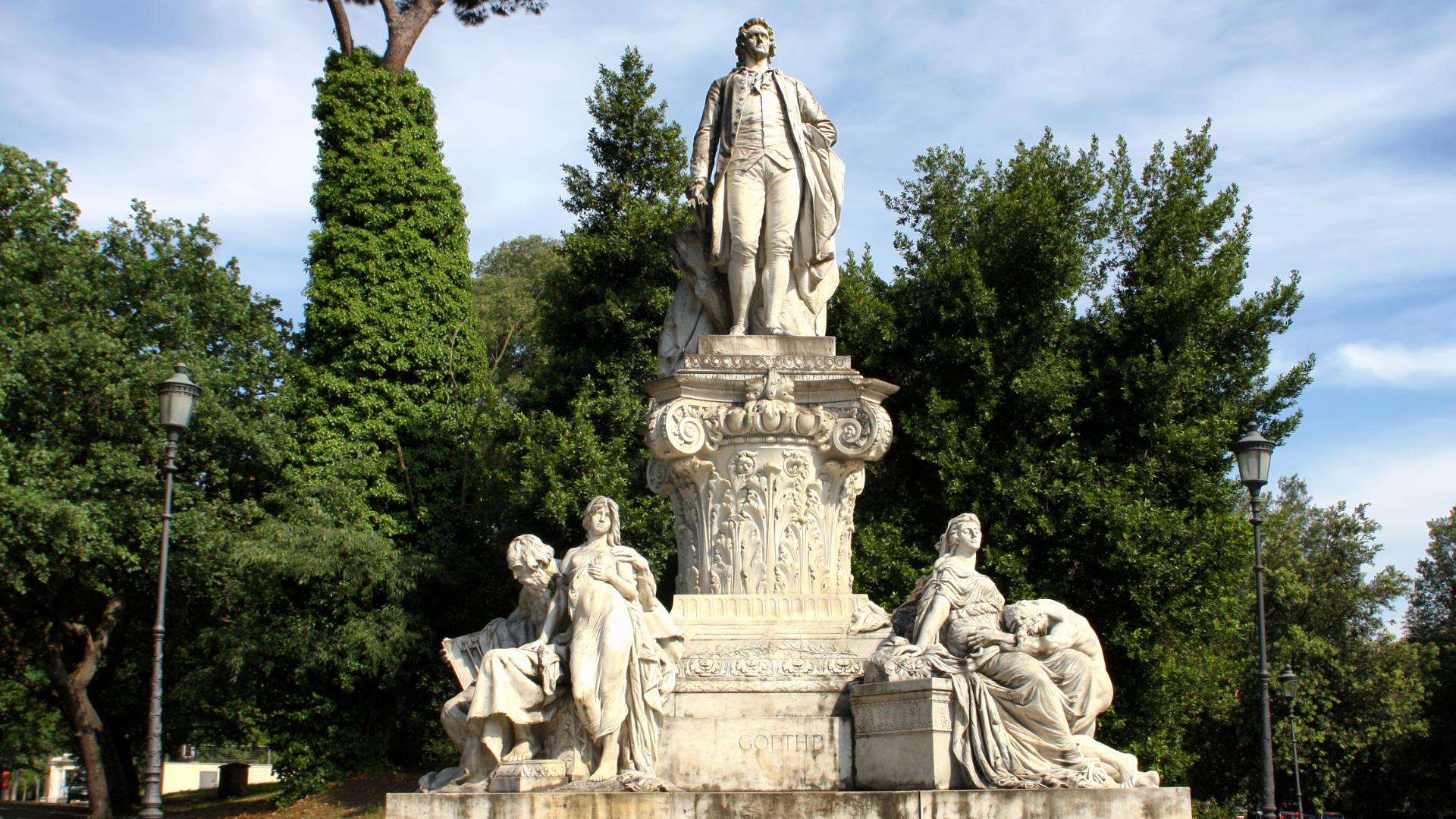
To the east of it, the Pincio rises up to the gardens of the Villa Borghese up the streets where a Goethe monument stands. To the south, the Via del Corso runs in a straight line to Piazza Venezia, and two blocks further east are the Spanish Steps and the Keats-Shelley House. If you’d like to take a walking tour, you’ll find the itinerary in our overview of the Places of interest in Rome.
Right next to the museum is a Bookstore including catalogs, publications by the organization, facsimiles, and postcards. There is no café, and food and drinks are not allowed on the premises.
Good to know before you go
Four things that make this visit different from what many people expect.
1. It is not a furnished poet's apartment. Anyone looking for Goethe’s desk, his bed, or his cups will not find them. On display are documents, letters, drawings, and paintings. The real value lies elsewhere: Tischbein’s drawings reveal a side of Goethe so private that no monument will ever capture it.
2. The famous painting hangs in Frankfurt. Goethe in the Roman Campagna It belongs to the Städel Museum. Here you can see the 1996 replica. You're standing in the very house where the original was created.
3. The elevator is narrow. The museum lists the width of the booths as 59 centimeters. An accessible restroom is available, and the first floor is accessible. If you are coming in a wheelchair, please call ahead to confirm the dimensions. The phone number is listed on the museum’s website.
4. An hour is enough. You can walk through the 600 square meters on the first floor in no time. That’s not a drawback—it’s actually why a visit here fits so well into a morning spent between Piazza del Popolo and the Spanish Steps.
Two Poets' Houses in One Day
On Sundays, the museum offers free guided tours of the exhibition at 11 a.m. and 4 p.m. in Italian; you only pay the admission fee. And if you’ve visited the Keats-Shelley House on Piazza di Spagna beforehand, you’ll receive a €1.00 discount here, provided your ticket is no more than three days old.
It’ll be a lovely afternoon: first up the Spanish Steps to the house where John Keats died in 1821, then a ten-minute walk over to Via del Corso. Two poets’ houses, ten minutes’ walk apart.
Our conclusion
The Casa di Goethe isn’t a must-see, nor does it intend to be. It’s a small, thoughtfully curated museum on one of Rome’s noisiest streets, and it especially rewards those who come prepared. Even just a vague memory of what you read in school is enough. Six euros, one hour, a first-floor apartment where a poet was happy for two years.
The practical next step: set aside a morning from Tuesday through Sunday, get off at the Flaminio metro station, and walk across Piazza del Popolo to Via del Corso. If you’d like to come back in the evening, you’ll find a reading or book presentation listed on the museum’s events page almost every week.
FAQ - Frequently Asked Questions About the Casa di Goethe
Prices, hours of operation, and schedules are subject to change. Check the official websites for the latest information before your trip.
Sources and Further Information
- Goethe House, Hours and Admission Fees (accessed in September 2026)
- Goethe House, Guided Tours (accessed in September 2026)
- Casa di Goethe, The Museum (accessed in September 2026)
- Casa di Goethe, Permanent Exhibition „Goethe in Italy“ (accessed in September 2026)
- Goethe House, Collection (accessed in September 2026)
- Goethe House, Library (accessed in September 2026)
- Casa di Goethe, Scholarship (accessed in September 2026)
- Städel Museum, Goethe in the Roman Campagna (accessed in September 2026)
- Johann Wolfgang von Goethe, Italian Journey (accessed in September 2026)
- ATAC, Tickets and Passes (accessed in September 2026)
- Roma Servizi per la Mobilità, Limited Traffic Zone (ZTL) in the city center (accessed in September 2026)
- Aeroporti di Roma, Leonardo Express (accessed in September 2026)
- Aeroporti di Roma, Fiumicino Taxi (accessed in September 2026)
- Aeroporti di Roma, Ciampino Taxi (accessed in September 2026)