Venice – The UNESCO archive documenting the rescue of Venice following the Aqua Granda is being digitized. The UN cultural organization and the Fondazione Giorgio Cini plan to gradually make approximately 110,000 documents, as well as 6,000 photographs and other audiovisual materials, accessible over the next two years. This initiative marks the 60th anniversary of the devastating flood of November 4, 1966.
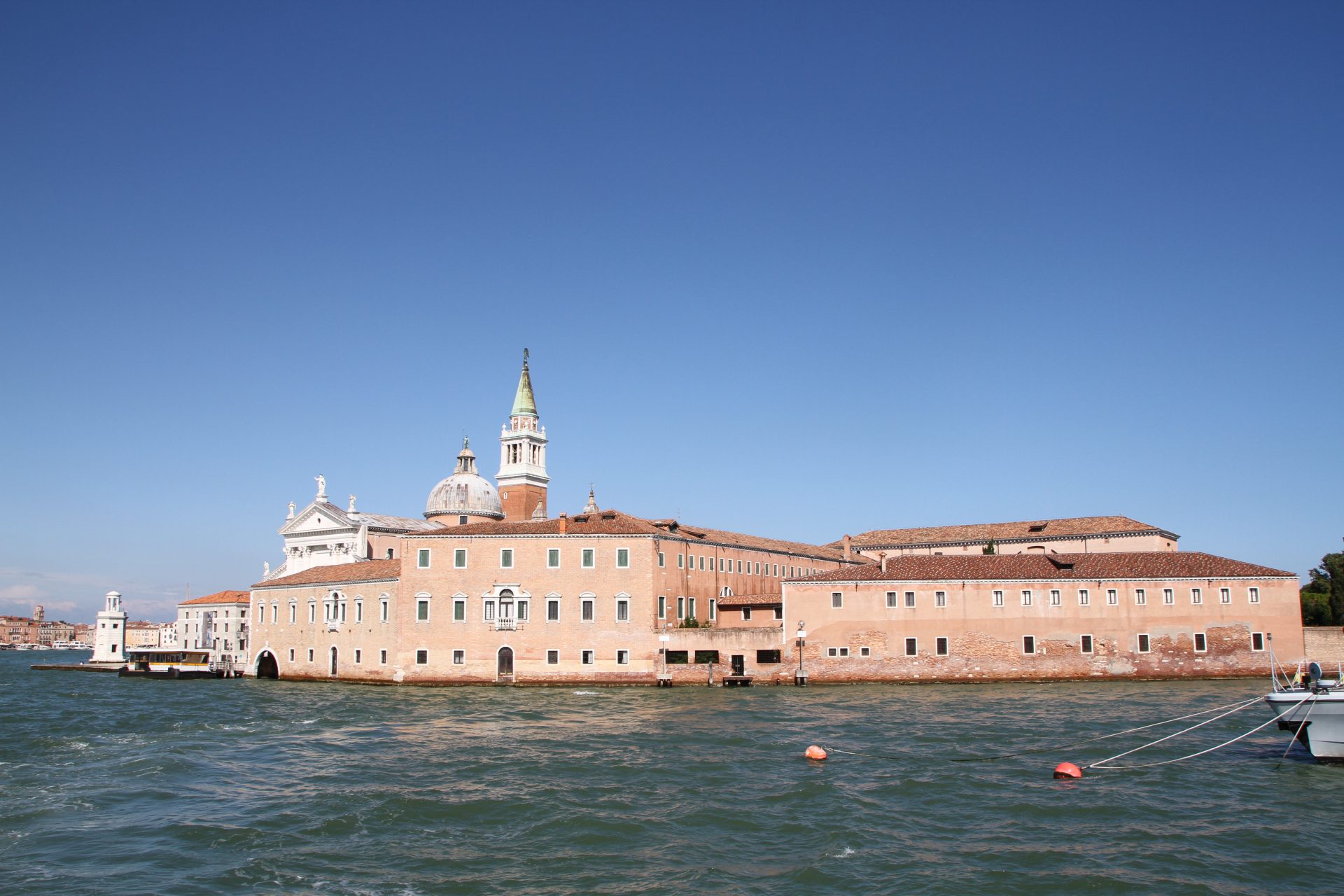
The collections have been transferred from the UNESCO office in Venice to the Foundation’s digital center on the island of San Giorgio Maggiore. They document how governments, experts, and private committees have worked together over the decades to preserve the lagoon city. The planned publication is intended for both researchers and a broader audience.
The archive includes records from the international UNESCO campaign from 1966 to 1992. It also contains documents from the joint program between the organization and private committees from 1992 to 2015. The photographic and audiovisual collection spans the years 1970 through 2017. Thus, the collection extends far beyond the immediate aftermath of the flood.
How to Access the UNESCO Archives in Venice
The AtoM archival software—whose name stands for “Access to Memory”—is being used to catalog the written documents. Photographs and audiovisual materials will be made available through UNESCO’s archival platform. The digitization and cataloging of the collections are proceeding in parallel; there are no plans to make all documents available by the anniversary date.
Four young scholarship recipients and students are also working on the project. The Fondazione Cini combines the technical processing of the collections with the training of the next generation of scholars. An initial online inventory was already created in 2024; work on the extensive collections is now set to continue.
The documents provide a clear account of the restoration and conservation efforts that have been carried out through international collaboration. This offers insight into the decisions behind the preservation of the city as we explore Venice’s cultural heritage. For now, however, further cataloging is still needed: The announced volumes refer to the project’s inventory, not a digital collection that is already fully available.