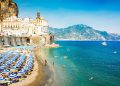
Molise is Italy’s small, almost undiscovered region between the Apennines and the Adriatic Sea—so quiet that the region jokes about itself („Molise doesn’t exist“). For expats seeking authenticity, nature, and the lowest cost of living in Italy, that’s exactly what makes it so appealing. This guide shows you the best places to live and what to look out for.
Why Molise?
Molise offers unspoiled nature, tranquility, and an extremely low cost of living: Mountains, forests, a short, beautiful stretch of the Adriatic coast, and villages steeped in tradition (some of which offer affordable homes). For foreign retirees, the 7% Flat-Rate Tax might be of interest in smaller communities. The downside: a very small job market and limited infrastructure.
Where to Live: Towns and the Countryside
- Campobasso: the capital city with the best infrastructure.
- Isernia: the second city, historic and quiet.
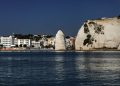
- Termoli: the lively coastal town on the Adriatic Sea with a harbor and ferries to the Tremiti Islands.
- Mountain villages: very affordable, traditional, by car.
Living is very affordable. To learn how lease agreements work, go to Rent an Apartment.

Where to Go in Italy? A Comparison of Regions for Expats
North, Central, or South? A comparison of climate, costs, jobs, and the expat community—here’s how to find the right region to move to in Italy.
Labor and the Economy
The economy thrives on Agriculture, some industry and skilled trades, public administration, and a modest amount of tourism. The job market is very small; most newcomers have remote jobs, are self-employed, or are retirees. You can find out how to search in the guide Find a Job; for those who aren't tied to a specific location, it's worth Remote Worker Guide.
Cost of living
Molise is one of the the most affordable regions in Italy – Some properties are very affordable. The overview of the Cost of living.
Everyday Life: Climate and Transportation
A A car is practically a must, because trains and buses run infrequently. The climate ranges from cool and continental in the mountains until mild on the Adriatic. More at Driving in Italy.
First Steps in Molise
The usual order applies: Codice Fiscale, Residenza at your municipality of residence, registration with the health department, and a bank account. You can find the complete process in the Moving Checklist.
What You Need to Do Next
Determine your income (remote work, self-employment, or pension), plan to buy a car, and—if you’re retired—check the 7% tax in a smaller municipality. Get your Codice Fiscale and—if you’re a non-EU citizen—the appropriate visa, and work through the steps one by one.
FAQ - Frequently Asked Questions About Moving to Molise
Sources
- Molise Region (accessed in June 2026)
- ISTAT – National Institute of Statistics (accessed in June 2026)