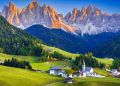
Umbria (Italian Umbria) is the „green heart of Italy“: the only inland region without a coastline, featuring rolling hills, medieval towns, olive groves, and a deep spiritual tradition (Assisi). It’s considered the quieter, more affordable counterpart to Tuscany. This guide shows you where to live and how to find work.
Why Umbria?
Umbria offers Scenery, culture, and quality of life at reasonable prices – Just as beautiful as Tuscany, but less touristy and more affordable. The region is popular with retirees, artists, and those who enjoy the good life. The job market is small and manageable; many people make a living through self-employment, remote work, or retirement benefits.
Where to Live: Cities and the Countryside
- Perugia: the vibrant capital city with a university and an international student scene.
- Assisi, Orvieto, Spoleto, Gubbio, Todi: Medieval jewelry that offers a high quality of life.
- Terni: the more industrialized south, affordable.
- Country Life: Hills, olive groves, and the casale (Country House).
Living is low to moderate. To learn how lease agreements work, go to Rent an Apartment.

Where to Go in Italy? A Comparison of Regions for Expats
North, Central, or South? A comparison of climate, costs, jobs, and the expat community—here’s how to find the right region to move to in Italy.
Labor and the Economy
Strong are Tourism, Agriculture (olive oil, wine, Castelluccio lentils, truffles), Craft (ceramics from Deruta, textiles) as well as some manufacturing (steel in Terni). The job market is small; many newcomers make a living through remote work, self-employment, or retirement. You can find out how to search in the guide Find a Job.
Cost of living
Umbria is cheaper than Tuscany – for rent, real estate, and everyday life. The overview of the following topics shows what you should expect: Cost of living.
Everyday Life: Climate and Transportation
Umbria is centrally located, but the rail network is sparse—a A car is almost indispensable. Rome and Florence are about 1.5 to 2 hours away. The climate is temperate continental: Warm summers, cool winters. Learn more at Driving in Italy.
First Steps in Umbria
The usual order applies: Codice Fiscale, Residenza at your municipality of residence, registration with the health department, and a bank account. You can find the complete process in the Moving Checklist.
What You Need to Do Next
Decide between city life (Perugia) and country life, figure out your income, and plan on getting a car. Get your Codice Fiscale and—if you’re a non-EU citizen—the appropriate visa, and work through the administrative steps one by one.
FAQ - Frequently Asked Questions About Moving to Umbria
Sources
- Umbria Region (accessed in June 2026)
- ISTAT – National Institute of Statistics (accessed in June 2026)