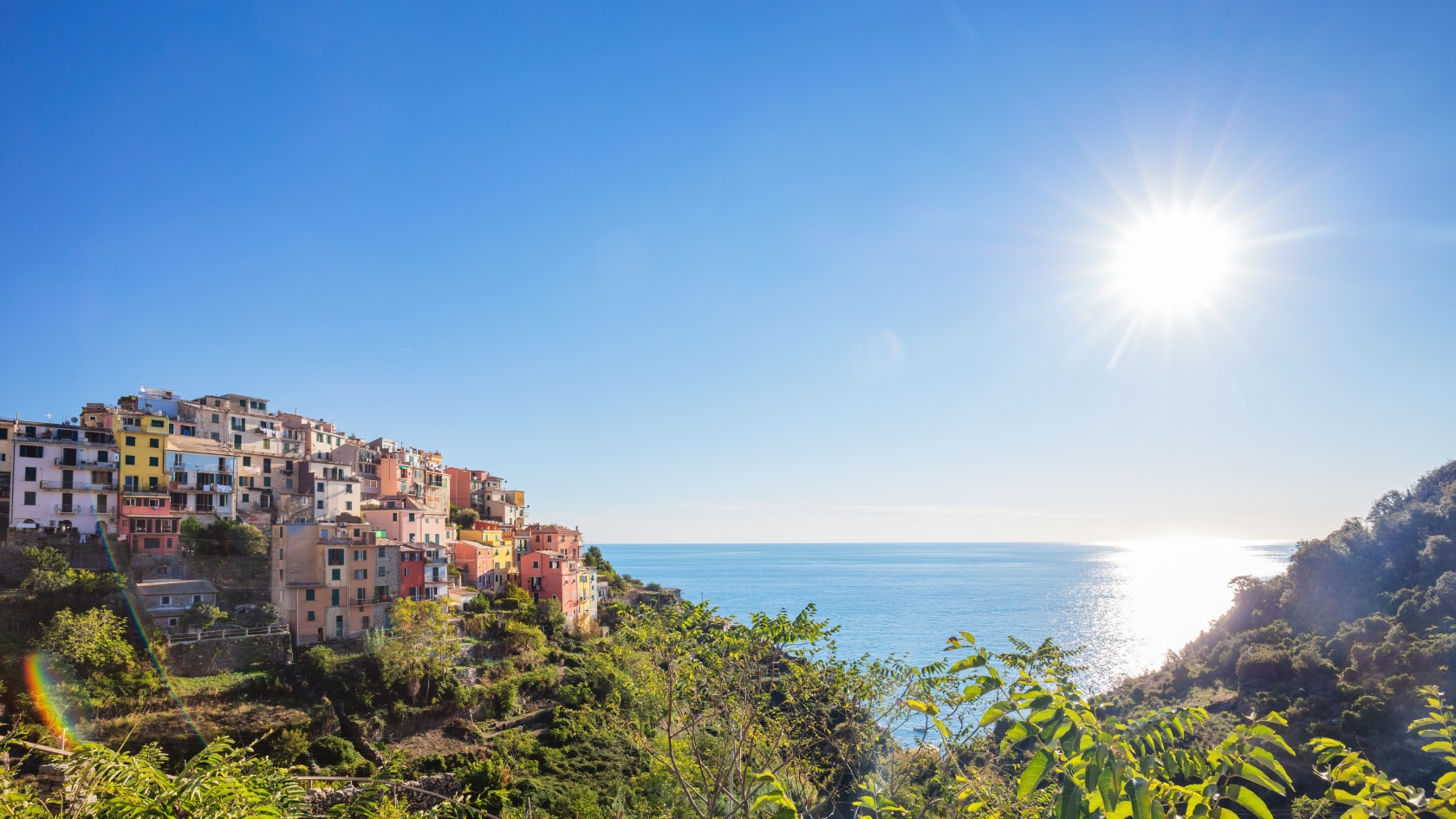
Liguria (Italian Liguria) is the Italian Riviera: a narrow coastal strip between the sea and the mountains, with the colorful charm of fishing villages, a mild climate, and the famous Cinque Terre. This guide shows you the best places to live, what it costs, and how to find work.
Why Liguria?
Liguria offers The sea, a mild climate, and Mediterranean charm in northern Italy—with good connections to Genoa, Milan, and France. The region is popular with retirees and those looking for a second home. It’s expensive in the hotspots (Portofino, Cinque Terre); life is more affordable in larger cities and the countryside.
Where to Live: Towns and Housing
- Genoa: the capital city with a major city's infrastructure (its own Genoa Guide).
- Western Riviera (Sanremo, Alassio, Finale Ligure): mild climate, popular with retirees.
- Levante Riviera (Rapallo, Sestri Levante): elegant, near the Cinque Terre.
- Inland (Inland): more affordable, quiet, by car.
Living right by the sea is expensive; it's cheaper in the inland areas and in the cities. You can read about how rental agreements work at Rent an Apartment.

Where to Go in Italy? A Comparison of Regions for Expats
North, Central, or South? A comparison of climate, costs, jobs, and the expat community—here’s how to find the right region to move to in Italy.
Labor and the Economy
Strong are Ports and the Maritime Economy (Genoa, La Spezia), Tourism, flower and olive cultivation (Ponente), as well as technology and engineering. Outside of Genoa, the job market is Heavily tourist-oriented and seasonal; many make a living through remote work, self-employment, or retirement. You can find out how to search in the guide Find a Job.
Cost of living
Liguria is mixed: The coastal hotspots are expensive, while Genoa and the surrounding countryside are more affordable. The overview of the Cost of living.
Everyday Life: Climate and Transportation
The climate is particularly mild – The mountains protect the coast, and palm trees and citrus fruits thrive. The Coastal Railway It connects the towns along the Riviera well; a car is handy for getting into the steep hinterland. More at Public Transportation.
First Steps in Liguria
The usual order applies: Codice Fiscale, Residenza at your municipality of residence, registration with the health department, and a bank account. You can find the complete process in the Moving Checklist.
What You Need to Do Next
Choose between the coast (expensive, but gorgeous) and the city/hinterland (more affordable), and figure out your income. Get your Codice Fiscale and—if you’re not an EU citizen—the appropriate visa, and work through the administrative steps one by one.
FAQ - Frequently Asked Questions About Moving to Liguria
Sources
- Liguria Region (accessed in June 2026)
- ISTAT – National Institute of Statistics (accessed in June 2026)