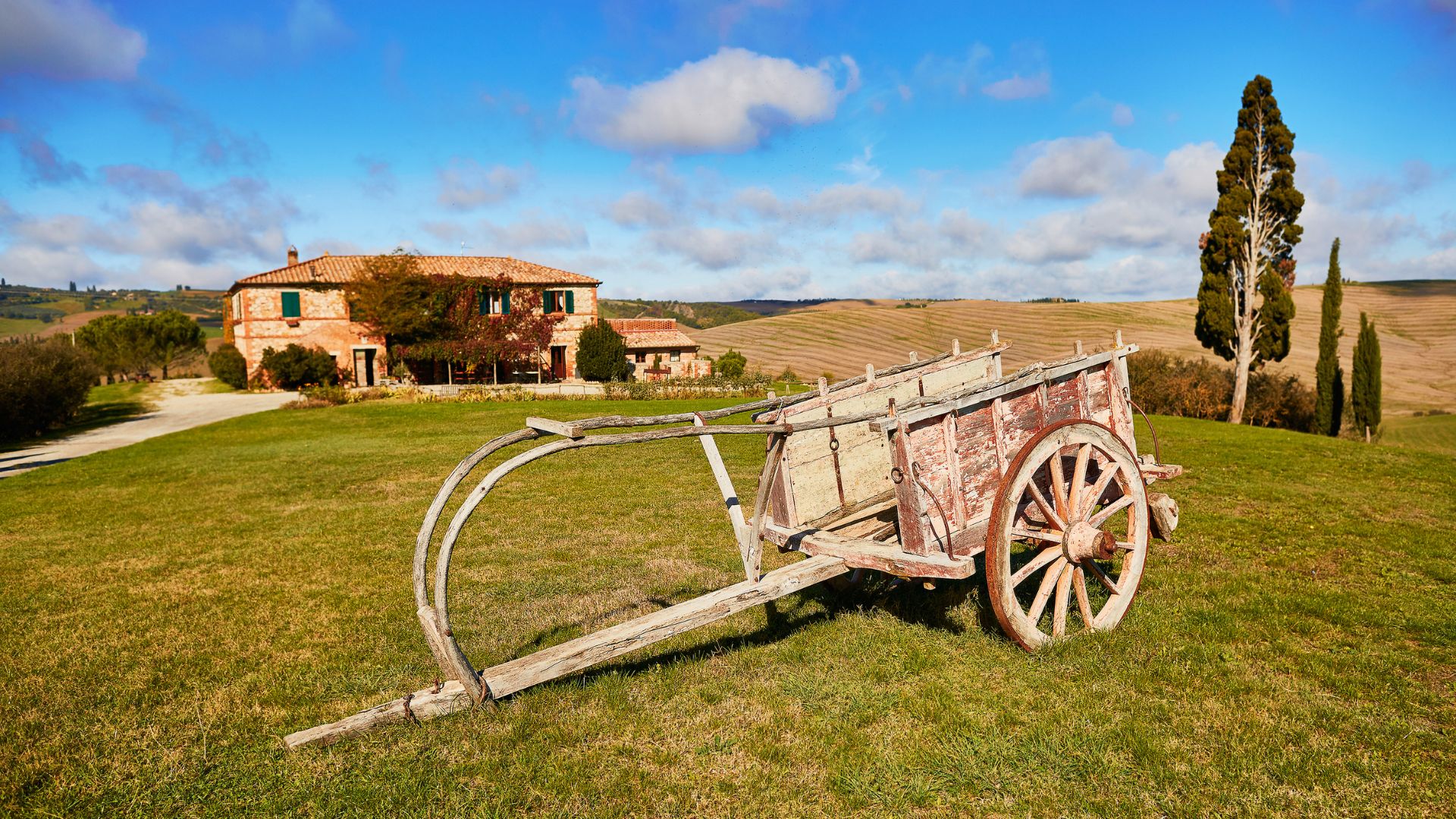
Gentle hills, cypress trees, wine, and Renaissance towns: Tuscany (Italian Toscana) is a dream destination for many German-speaking expats and retirees. This guide shows you the best places to live in the region, what it costs, and how to find work.
Why Tuscany?
Tuscany Brings People Together Culture, Landscape, and Way of Life like almost no other region: world-famous cities, rolling wine country, and a temperate climate. It’s particularly popular among expats from Germany, Austria, and Switzerland, as well as the U.S. and the U.K.—resulting in a correspondingly international community. In the hotspots (Chianti, Val d'Orcia) it's expensive; in the countryside and in the south (Maremma, Lunigiana), the cost of living is significantly lower.
Where to Live: Cities and Country Life
- Florence: Art and jobs, but expensive (own Florence Guide).
- Siena, Lucca, Arezzo, Pisa: smaller cities with a high quality of life.
- Country Life: that casale (Country house) on the hill—romantic, but requires a car and maintenance.
- Maremma and Lunigiana: rural, coastal, or mountainous, and more affordable.
Rents outside of Florence are moderate. You can read about how this works at Rent an Apartment.

Where to Go in Italy? A Comparison of Regions for Expats
North, Central, or South? A comparison of climate, costs, jobs, and the expat community—here’s how to find the right region to move to in Italy.
Labor and the Economy
Strong are Tourism, the wine and olive oil industries, and the arts and crafts sector (leather, restoration, Carrara marble), Fashion (around Florence) and the pharmaceutical industry. Permanent jobs are mainly available in the cities; many newcomers make a living through remote work, self-employment, tourism businesses (agriturismo), or their retirement income. The guide explains how to search for a job. Find a Job.
Cost of living
The costs are moderate – with significant differences: Florence and the popular tourist spots are expensive, while the rural hinterland is affordable. The overview of the Cost of living.
Everyday Life: Climate and Transportation
The climate is moderate: warm to hot summers, mild winters, cooler in the Apennines. Train service between cities is good; in the countryside, there is a A car is practically indispensable. More at Driving in Italy.
First Steps in Tuscany
The usual order applies: Codice Fiscale, Residenza at your municipality of residence, registration with the health department, and a bank account. You can find the complete process in the Moving Checklist.
What You Need to Do Next
Decide between the city and the countryside (transportation, car, budget) and determine your income. If you’re considering a country house, you should carefully assess its condition and ongoing costs. Obtain your Codice Fiscale and—if you’re a non-EU citizen—the appropriate visa, and work through the administrative steps in order.
FAQ - Frequently Asked Questions About Moving to Tuscany
Sources
- Regione Toscana (accessed in June 2026)
- ISTAT – National Institute of Statistics (accessed in June 2026)