


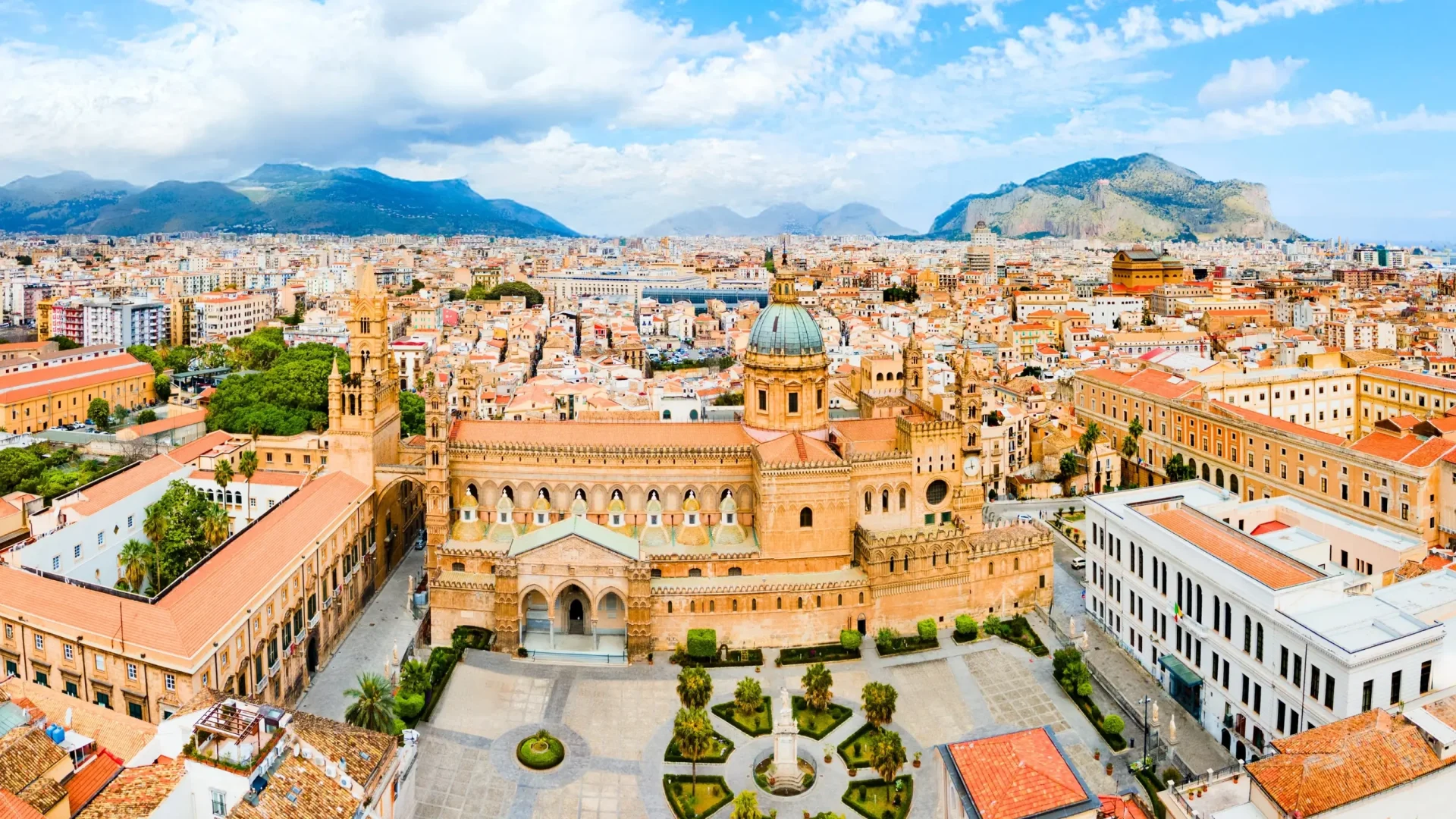
Palermo is the diverse capital Sicily's: a melting pot of Arab, Norman, and Baroque influences, with markets, the sea, and a Mediterranean lifestyle—all at very low cost. This guide will help you figure out if Sicily’s largest city is right for you, where to stay, and what to look out for.
Why Palermo?
Palermo offers A vibrant life, history, and sunshine with the lowest cost among Italy's major cities. The city is authentic, offers outstanding cuisine, and is located by the sea. On the downside: a weaker job market, more bureaucracy, and a need for patience in everyday life—just like everywhere else in the deep south.
Where to Live: Neighborhoods and Rents
- Centro Storico (Kalsa, Vucciria): lively and changing, with some places still very affordable.
- Politeama, Libertà: the elegant, middle-class center.
- Mondello: the city's beach resort, popular and a bit more expensive.
- Surrounding Area: affordable, by car or train.
Rents are among the most affordable in Italy's major cities. To learn how lease agreements work, go to Rent an Apartment.

Where to Go in Italy? A Comparison of Regions for Expats
North, Central, or South? A comparison of climate, costs, jobs, and the expat community—here’s how to find the right region to move to in Italy.
Labor and the Economy
Palermo's economy thrives on Administration, Tourism, and Hospitality, commerce, the port, healthcare, and the university. The job market is weak and strongly informal – Permanent, well-paying jobs are rare. Most newcomers rely on income from remote work, are self-employed, or are retirees. You can find out how to look for a job in the guide. Find a Job; for those who aren't tied to a specific location, it's worth Remote Worker Guide.
Cost of living
Palermo is very affordable – for rent, markets, and everyday life. For retirees, the 7% flat-rate tax is also attractive in smaller towns in Sicily. The overview of the Cost of living.
Everyday Life: Traffic and Climate
The city center is within easy walking distance; buses, a tram, and a commuter train (railway crossing) provide access to the city, but traffic is heavy. The airport connects the city to the mainland and other countries. The climate is mediterranean with long, hot summers and mild winters. Learn more at Public Transportation.
First Steps in Palermo
The usual order applies: Codice Fiscale, Residenza at the Comune di Palermo, registration with the health department, and a bank account. You can find the complete process in the Moving Checklist.
What You Need to Do Next
Determine your income (ideally from remote work, self-employment, or as a retiree), choose a region based on your budget and lifestyle, and be patient with the red tape. Get your Codice Fiscale and—if you’re a non-EU citizen—the appropriate visa, and work through the steps one by one.
FAQ - Frequently Asked Questions About Moving to Palermo
Sources
- Municipality of Palermo (accessed in June 2026)
- ISTAT – National Institute of Statistics (accessed in June 2026)








