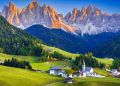
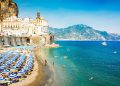
Verona is the city of Romeo and Juliet, the famous Arena, and the opera festival—charming, prosperous, and ideally located between Lake Garda, the Dolomites, and Venice. This guide will help you determine if this city in Veneto is right for you, where to live, and how to find a job.
Why Verona?
Verona Connects high quality of life with a strong economy characterized by small and medium-sized businesses and a Prime Location: Lake Garda is 30 minutes away, the Dolomites and Venice are nearby, and the city lies at the intersection of major transportation routes (the Brenner and the Milan–Venice routes). The old town is compact and a great place to live—it’s also popular with German-speaking newcomers.
Where to Live: Neighborhoods and Rents
- Historic Center (Old City): Around the arena—nice, but expensive.
- Borgo Trento: bourgeois-elegant, north of the Adige River.
- Borgo Roma, San Michele: cozy and more affordable.
- Hills (Valpolicella, Eastern Verona): rural, wine region, by car.
Rents are in the upper mid-range for northern Italy, below the level in Milan. You can read about how lease agreements work at Rent an Apartment.

Where to Go in Italy? A Comparison of Regions for Expats
North, Central, or South? A comparison of climate, costs, jobs, and the expat community—here’s how to find the right region to move to in Italy.
Labor and the Economy
Verona is a Trade Show, Logistics, and Commercial Hub (the trade show, along with the Vinitaly wine fair, is internationally renowned). Other highlights include Food and Wine, mechanical engineering, fashion, and tourism. Its central location makes the city a logistics hub. You can find out how to search in the guide Find a Job.
Cost of living
Verona is cheaper than Milan, but it's not a bargain—its popularity and proximity to tourist areas drive up prices. The overview of the Cost of living.
Everyday Life: Traffic and Climate
The Old Town is compact and easy to explore on foot; buses serve the city, and the train station Verona Porta Nuova is an important hub (Milan and Venice are each about 1–1.5 hours away; the Brenner route to the north). The climate is temperate continental, with a mild climate influenced by Lake Garda. More at Public Transportation.
First Steps in Verona
The usual order applies: Codice Fiscale, Residenza at the Comune di Verona, registration with the health department, and a bank account. You can find the complete process in the Moving Checklist.
What You Need to Do Next
Take advantage of the location (lake, mountains, transportation hubs) and clarify your job and budget early on. Get your Codice Fiscale and—if you’re a non-EU citizen—the appropriate visa, and go through the administrative steps one by one.
FAQ - Frequently Asked Questions About Moving to Verona
Sources
- Municipality of Verona (accessed in June 2026)
- ISTAT – National Institute of Statistics (accessed in June 2026)