Italy is a dream destination for RV travel—from the Alps to the lakes to the coast. But where can you park freely, where can you stay overnight, and what’s the difference between parking and camping? This guide explains the rules, the campsites, and common pitfalls like ZTL zones and higher parking fees.
RV = Car: The Basic Rule
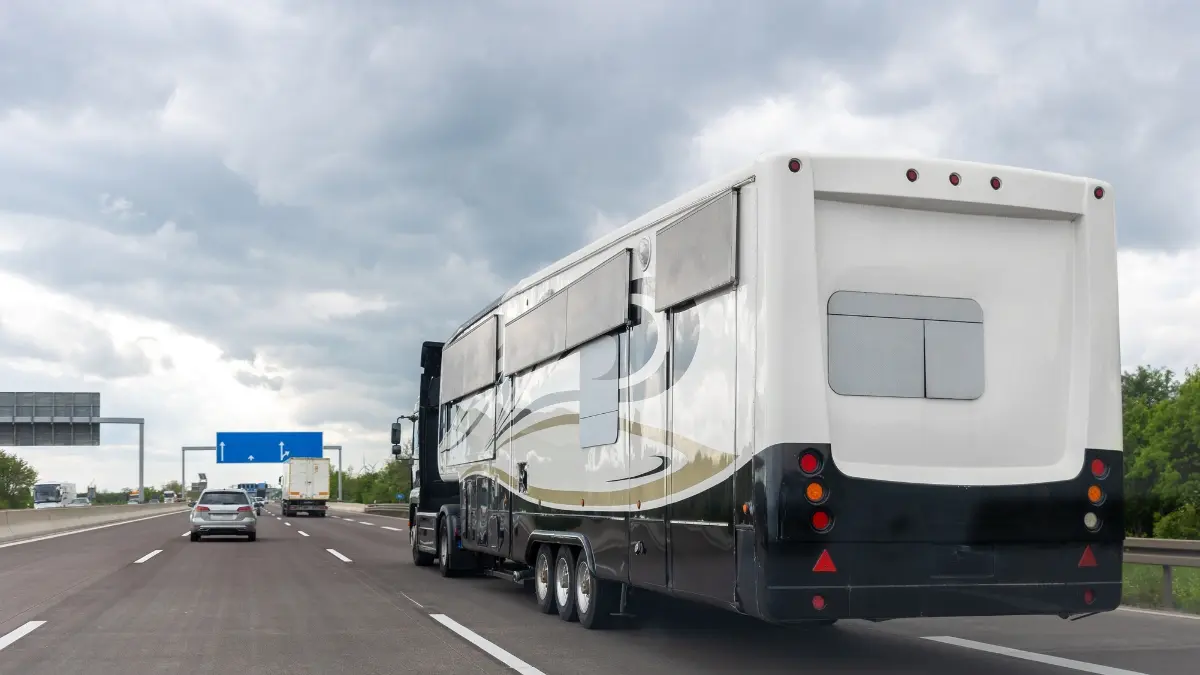
According to the Italian traffic regulations (Highway Code, Article 185) is a motorhome (motorhome or camper) is legally treated the same as a regular passenger car. This means: You may park anywhere a car is allowed to park – and are subject to the same restrictions. There is one exception regarding costs: In paid parking lots, motorhomes may up to 50 % higher fees are required.
Parking (sosta) is not camping (campeggio)
The key difference: Sosta (Parking/Stopping) is permitted, campground (Camping) off-site is not allowed. You are parking in compliance with the rules as long as you:
- on the on their own wheels is standing (no extended supports or wedges on the ground),
- not beyond the vehicle's surface You are occupying the space (no awning, tables, chairs, or canopy),
- no wastewater drains but doesn't discharge anything.
As soon as „camping behavior“ comes into play, you risk a fine. Stopping to rest is allowed—but setting up camp is not.

Driving in Italy: Rules, ZTL, and Tolls
Driving in Italy: Speed limits, blood alcohol limits, restricted traffic zones (ZTL), highway tolls (pedaggio/Telepass), low-emission zones, and how to avoid traffic tickets.
Is it allowed to spend the night in a motorhome?
Yes. The traffic regulations prohibit that. Do not sleep in a properly parked vehicle. As long as the RV is parked in a regular parking spot and not „camping,“ spending the night on board (overnight stay) is permitted. Be sure to pay attention to local signs and restrictions, though.
Camping Sites and RV Services
It's more convenient—and often less of a hassle than dealing with government agencies—to use certified Camping Sites (equipped rest areas). These public or private areas are specifically designed for RVs and usually offer electricity, drinking water, restrooms, and a Camper Service-Station for refilling and disposal (refilling with fresh water, emptying wastewater and the cassette toilet). They are ideal as a base and for maintaining hygiene while on the go.
ZTL, Tolls, and Local Restrictions
Three things that often cost RV travelers money:
- ZTL (Zona a Traffico Limitato, restricted-traffic zone): In many old towns, entry without a permit is prohibited; violations usually result in fines ranging from 80 to 335 euros. In any case, stay outside the old town with your RV.
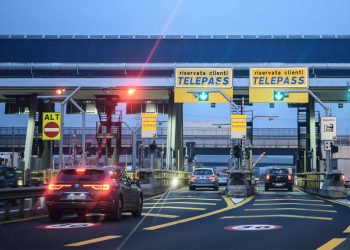
- Toll (toll): On the highways, tolls are calculated based on vehicle class—some larger RVs fall into a higher-priced class.
- Municipal Ordinances (municipal ordinances): Some towns prohibit parking RVs in certain areas. Check the local regulations in advance.
You can read about how ZTL, tolls, and traffic rules in general work in the guide Driving in Italy.
Vehicle, Driver's License, and Insurance
You can drive RVs weighing up to 3.5 metric tons with a standard passenger car driver's license; for heavier vehicles, you'll need the appropriate license class. If you're living in Italy for an extended period, you'll need to re-register your driver's license and vehicle—see below for details Renew Your Driver's License and Re-register Your Car and Buying a Car in Italy. For travel destinations, it's worth taking a look at the Regional Comparison.
What You Need to Do Next
Plan your route using designated campsites instead of wild camping, follow the rule „parking yes, camping no,“ and avoid ZTL zones. Check the local signs before each stop and factor in higher tolls and parking fees.
FAQ - Frequently Asked Questions About Traveling by RV in Italy
Sources
- Normattiva – Highway Code (Art. 185) (accessed in June 2026)
- ACI – Automobile Club d’Italia (accessed in June 2026)