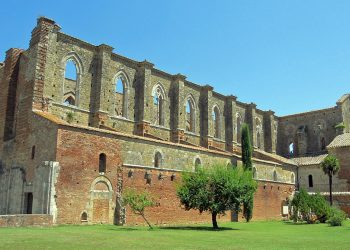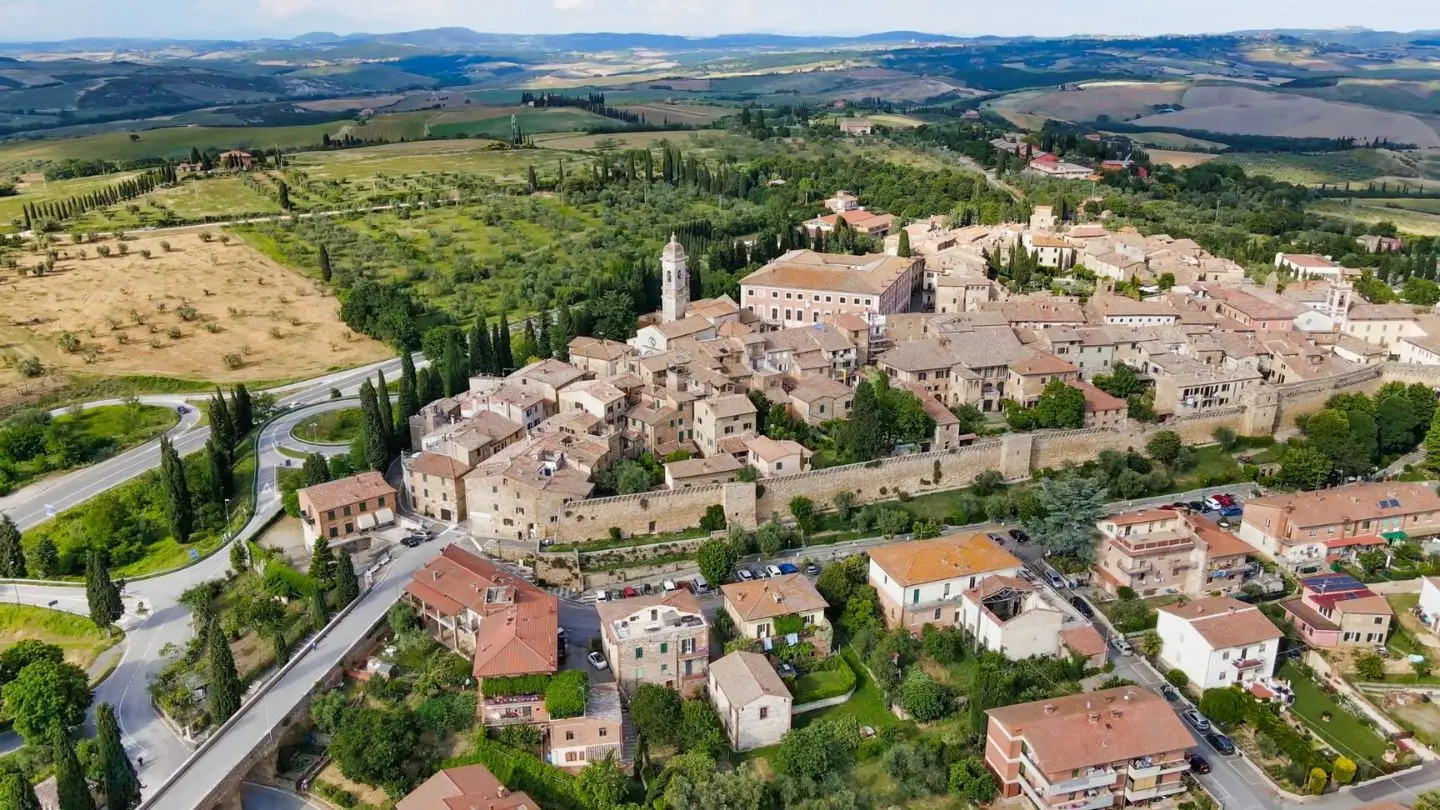

Tuscany often resembles a painting that has come to life. It is world-famous for its rolling hills, which are emerald green or golden yellow depending on the season, its iconic cypress avenues, and its dreamy medieval towns, and it magically attracts travelers. But away from the large tourist crowds of Florence or Siena lies a very special place that captures the essence of this region like no other: San Quirico d'Orcia.
This historic town lies in the heart of the Val d'Orcia. Thanks to its unique cultural landscape, shaped by the Renaissance, the valley has been a UNESCO World Heritage Site since 2004. San Quirico was once one of the most important stops on the Via Francigena, the historic pilgrimage route to Rome. This continues to shape the townscape to this day. From the majestic collegiate church to the symmetrical Renaissance gardens of the Horti Leonini, the town offers a fascinating blend of history and vibrant Italian everyday culture.
In this blog post, you will get to know San Quirico d'Orcia in detail. We delve deep into the eventful history of the Etruscans and pilgrims, explore architectural masterpieces, and reveal where you can find the best culinary highlights of this Tuscan gem.
Geographical location: In the heart of picture-postcard Tuscany
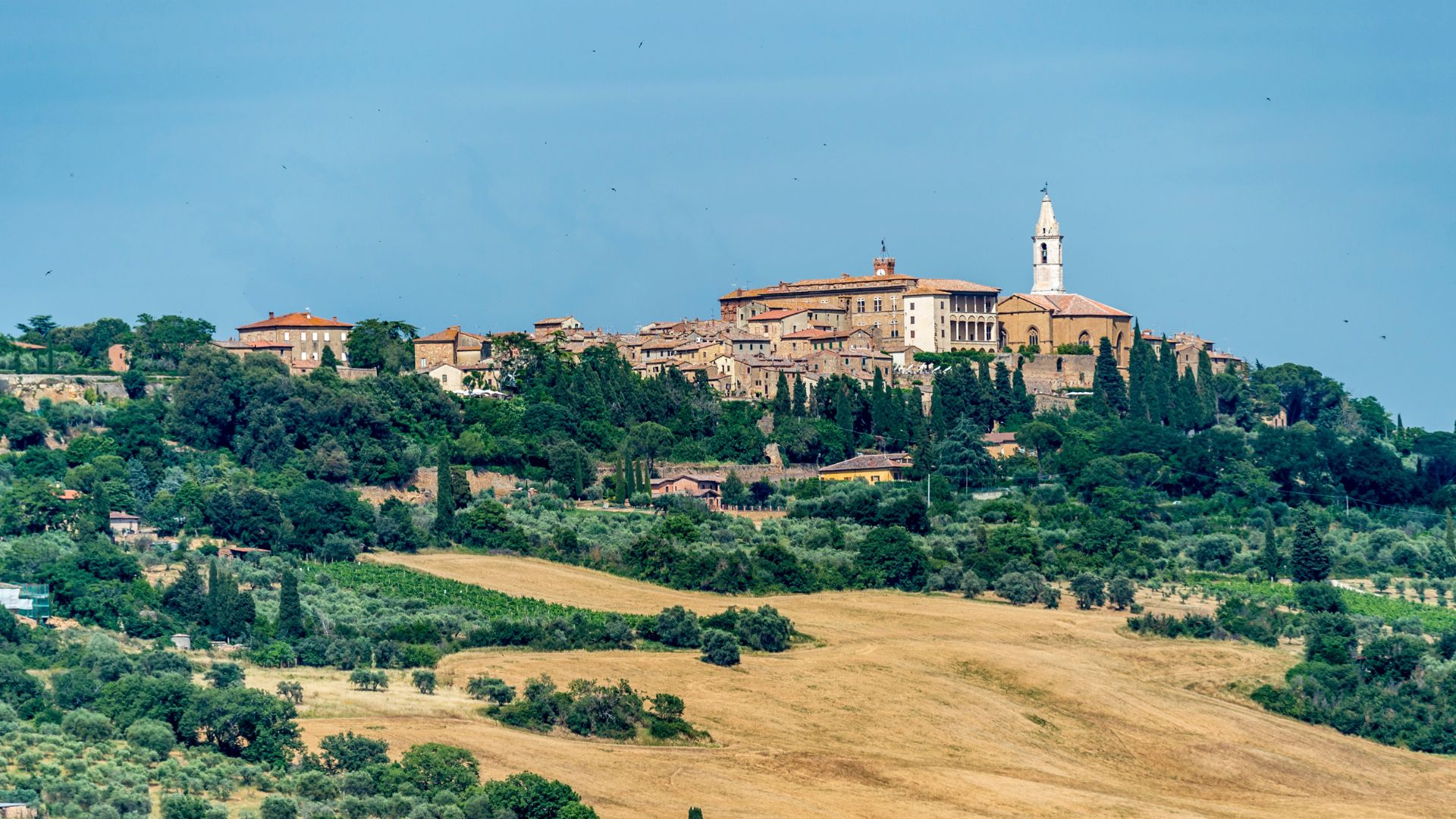
San Quirico d'Orcia is strategically located in the southern part of Tuscany, about 28 miles southeast of Siena and about 75 miles south of Florence. The town is perched on a hill that forms the watershed between the Asso and Orcia rivers.
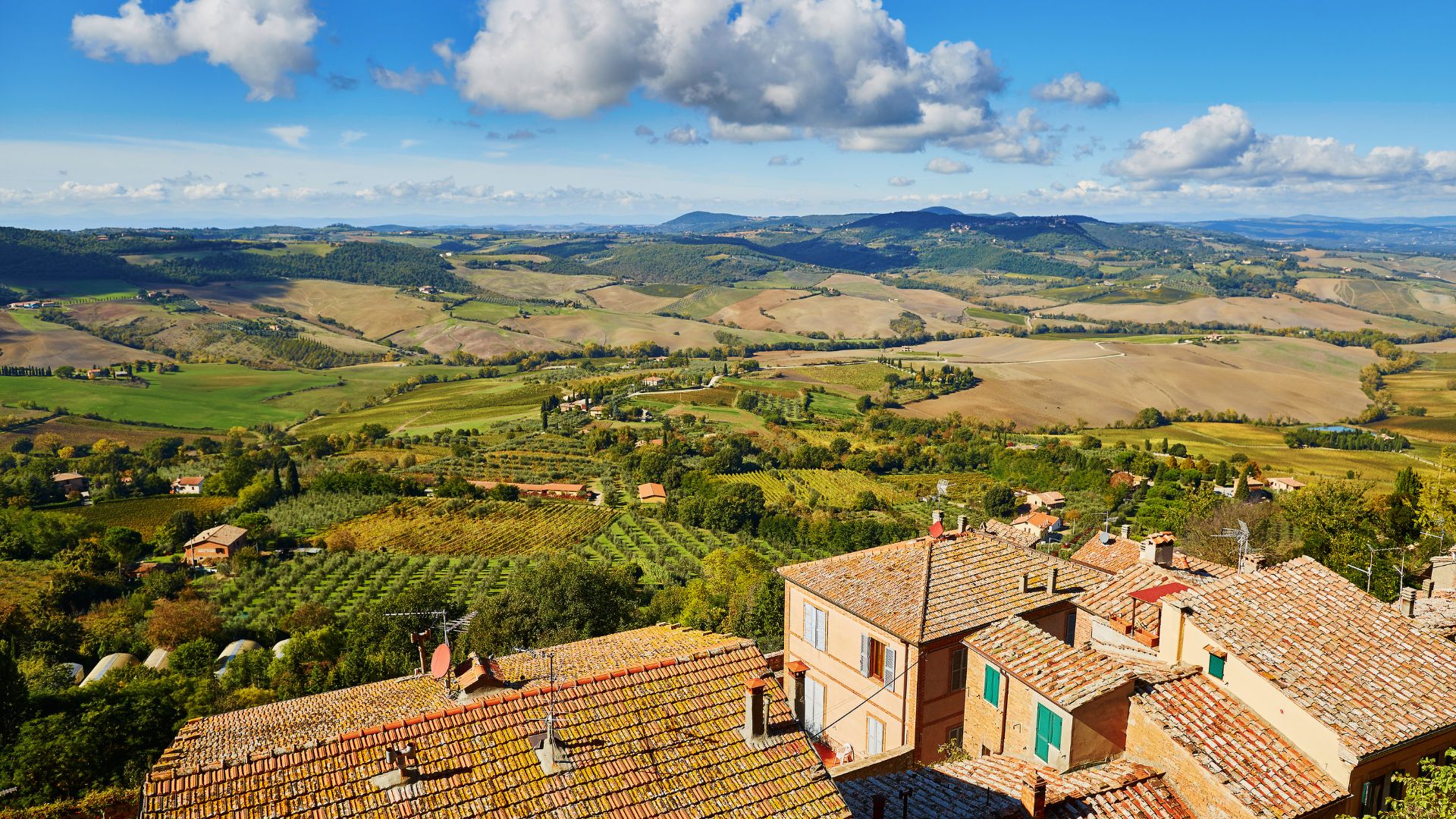
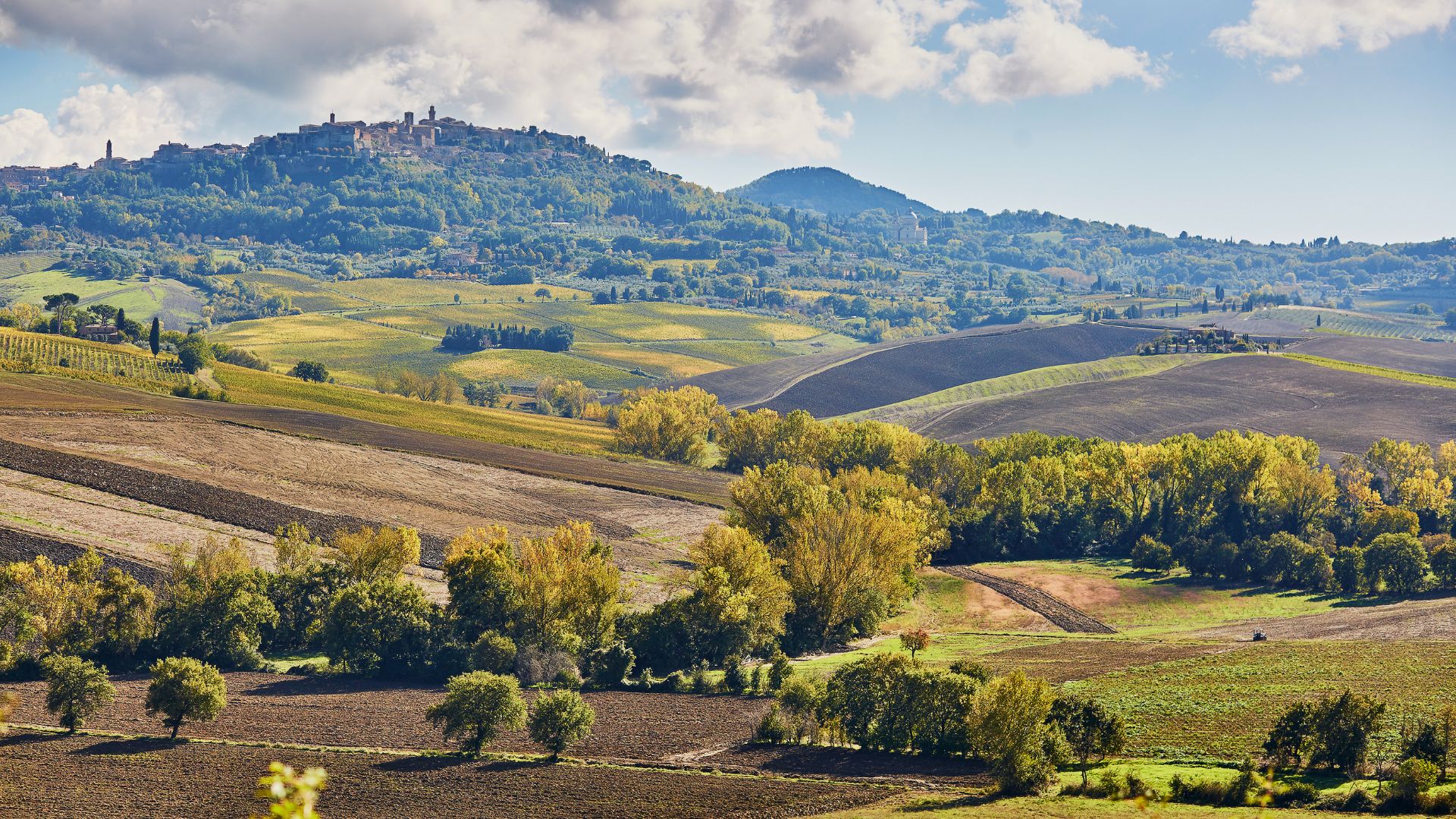
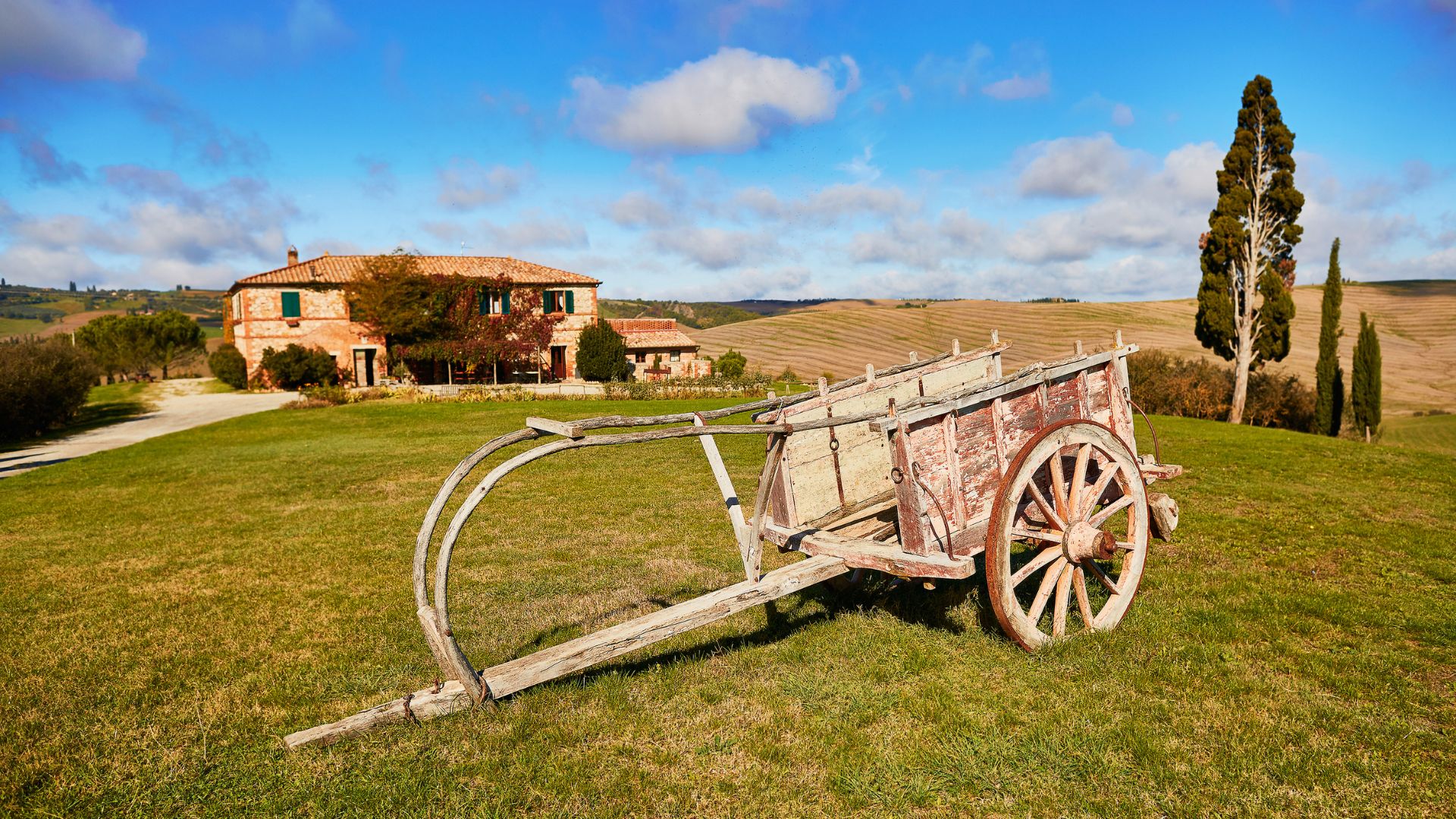
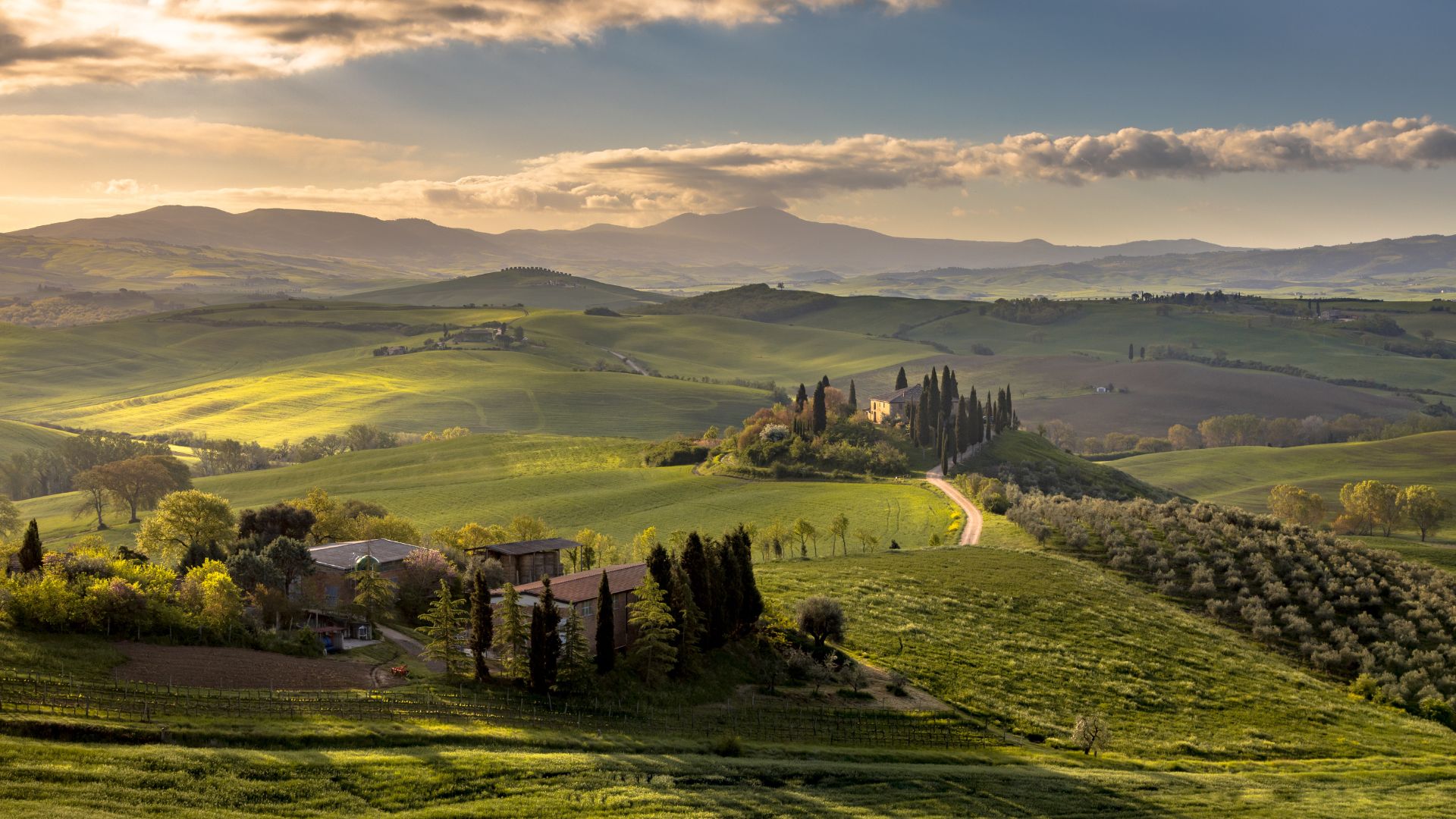
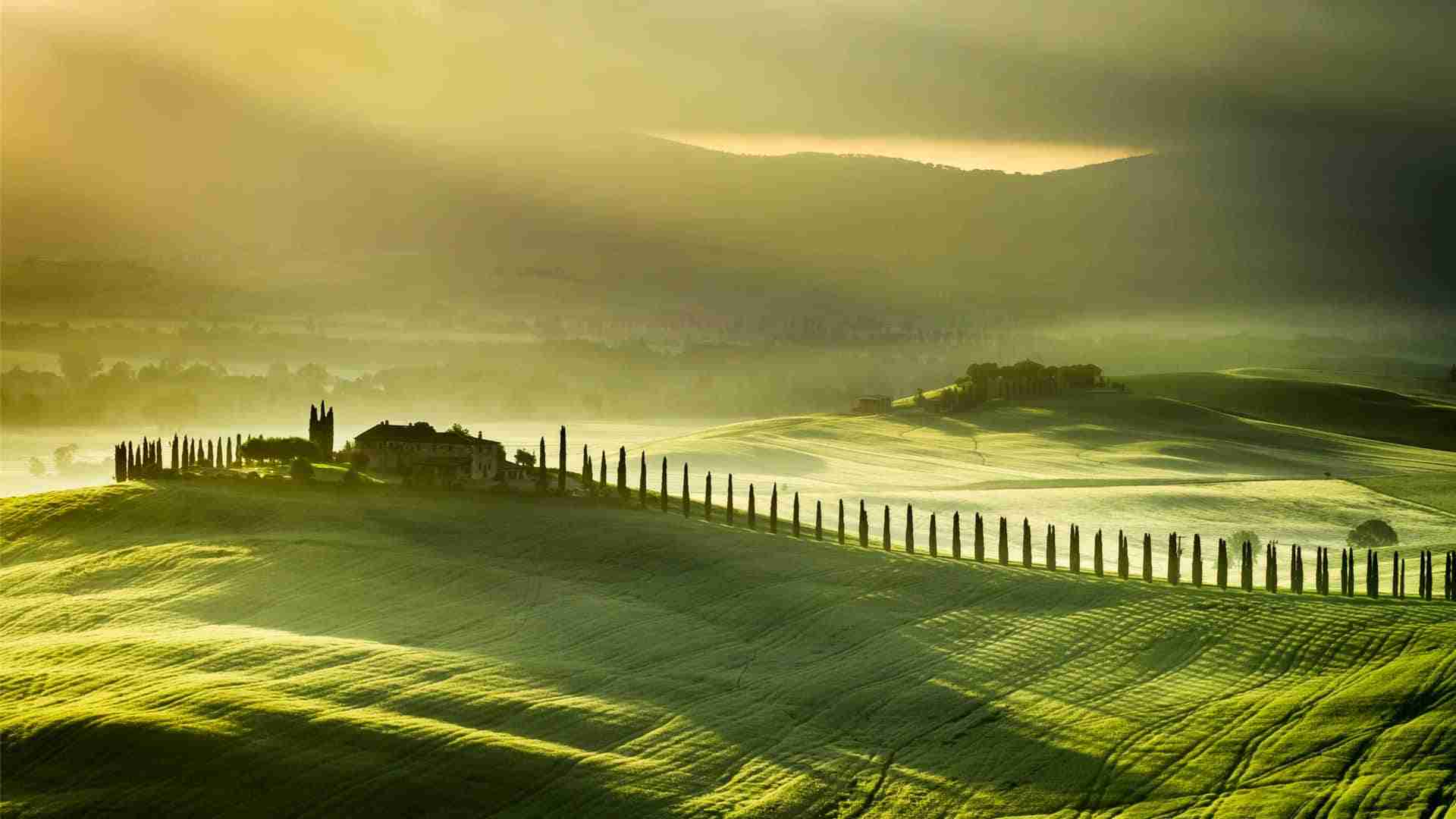
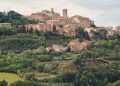
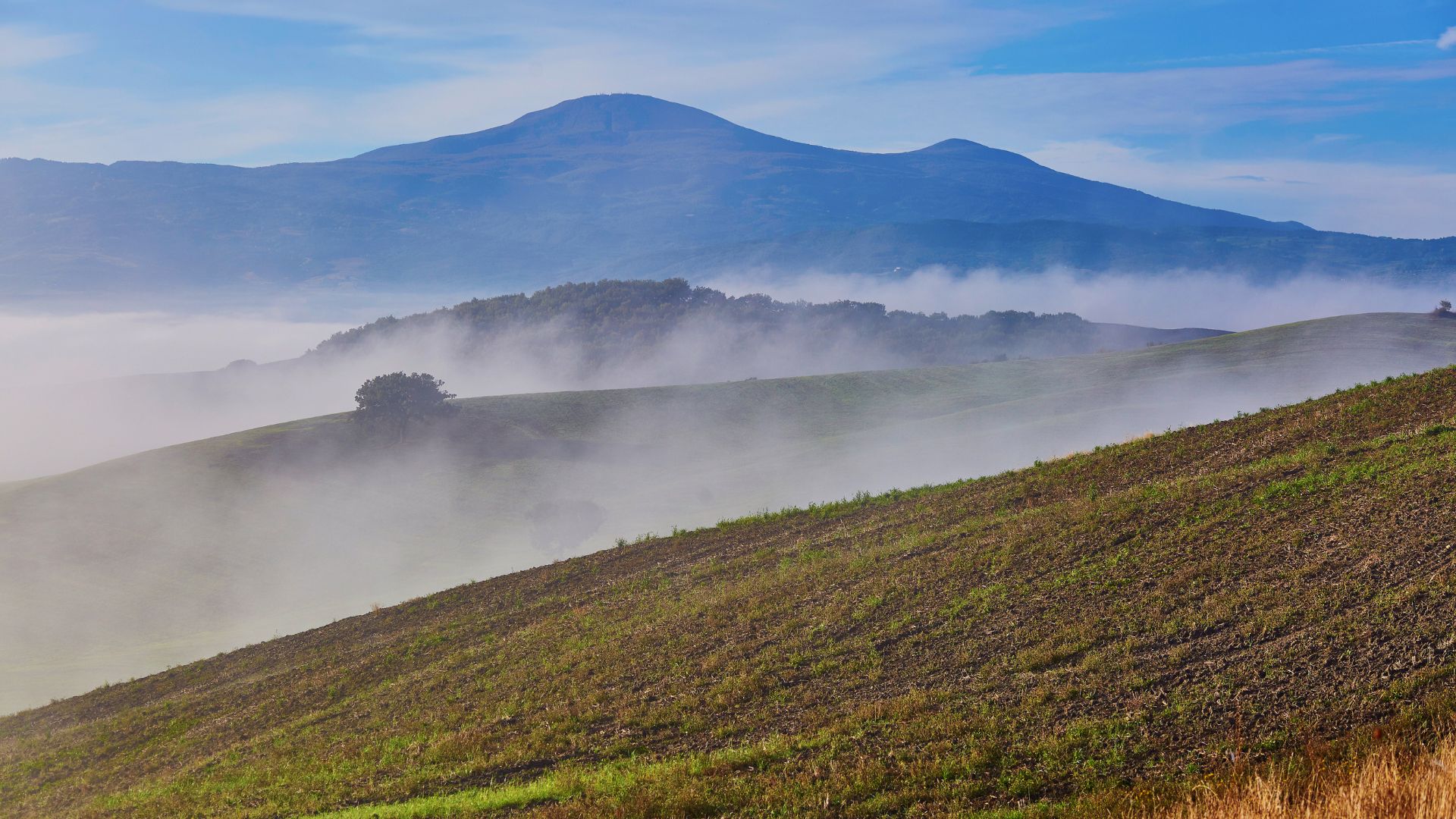
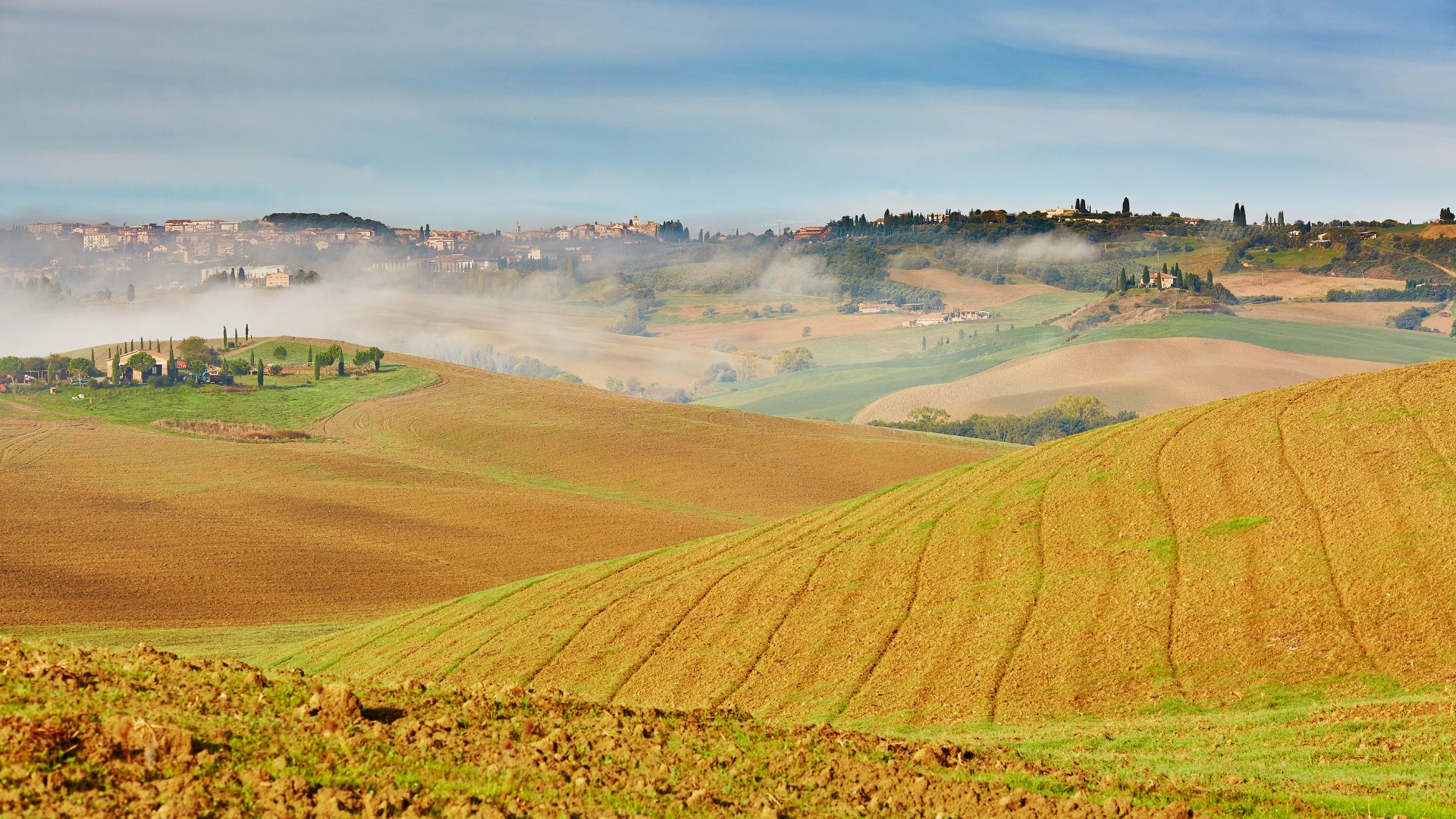
The surroundings could hardly be more picturesque: San Quirico is located in the center of the Val d'Orcia, which differs from the Crete Senesi in the north to the volcanic Mount Amiata stretches to the south. Here you will find exactly the Tuscany you know from postcards: isolated farmhouses on hilltops, avenues of cypress trees that stretch across the landscape like brushstrokes, and vast grain fields that glow bright green in spring and golden yellow in summer. Neighboring towns such as the famous Renaissance city Pienza, the wine village Montalcino or the spa town Bagno Vignoni are only a few minutes away by car, making San Quirico the ideal starting point („base camp“) for discovery tours.
Historical overview
From Etruscan village to medieval stage
The roots of San Quirico d'Orcia go back a long way, probably to the time of the Etruscans. However, the town owes its true rise not to its ancient origins, but to a road: the Via Francigena (Frankenstraße). This main traffic artery of the Middle Ages connected Canterbury with Rome and brought pilgrims, merchants, and kings directly through the town's main street. As early as 990 AD, Archbishop Sigeric of Canterbury mentioned San Quirico as Station XII in his travel journal—a document that today serves as a reference for the course of the historic route.
A place of imperial significance
An event of European significance shows that San Quirico was more than just a place of passage: in the year 1155 received the emperor here Frederick I (Barbarossa) the Pope's envoys to prepare for his coronation in Rome. At that time, San Quirico was a vibrant center with hospices (hospitals for pilgrims) and fortified structures, benefiting from its strategic location, just like its powerful neighbors Montalcino and Montepulciano.
In the shadow of war: Siena versus Florence
For a long time, San Quirico was a loyal bastion of the Republic of Siena. The town walls, which are still well preserved today, bear witness to the need to defend against constant attacks. However, the town's strategic location almost proved to be its undoing: it was often on the front line of the bloody wars between Siena and the expanding Florence. It was only after the final fall of the Republic of Siena (1555/1559) that San Quirico came under the rule of the Medici and became part of the Grand Duchy of Tuscany. Interestingly, one of its most beautiful landmarks, the Renaissance garden Horti Leonini, precisely from this transitional period – created by Diomede Leoni, a confidant of the Medici family, who brought art and nature into harmony.
The stone heritage today
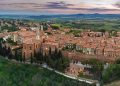
Today, San Quirico has only around 2,500 inhabitants, but traces of its great history are omnipresent. Strolling through the narrow streets, you see not only a pretty village, but also a stone history book: the Romanesque portals of the collegiate church tell of pilgrims, the city walls of Siena's wars, and the elegant gardens of Renaissance aesthetics.
The townscape and sights in San Quirico
- Porta Cappuccini city gate and city walls
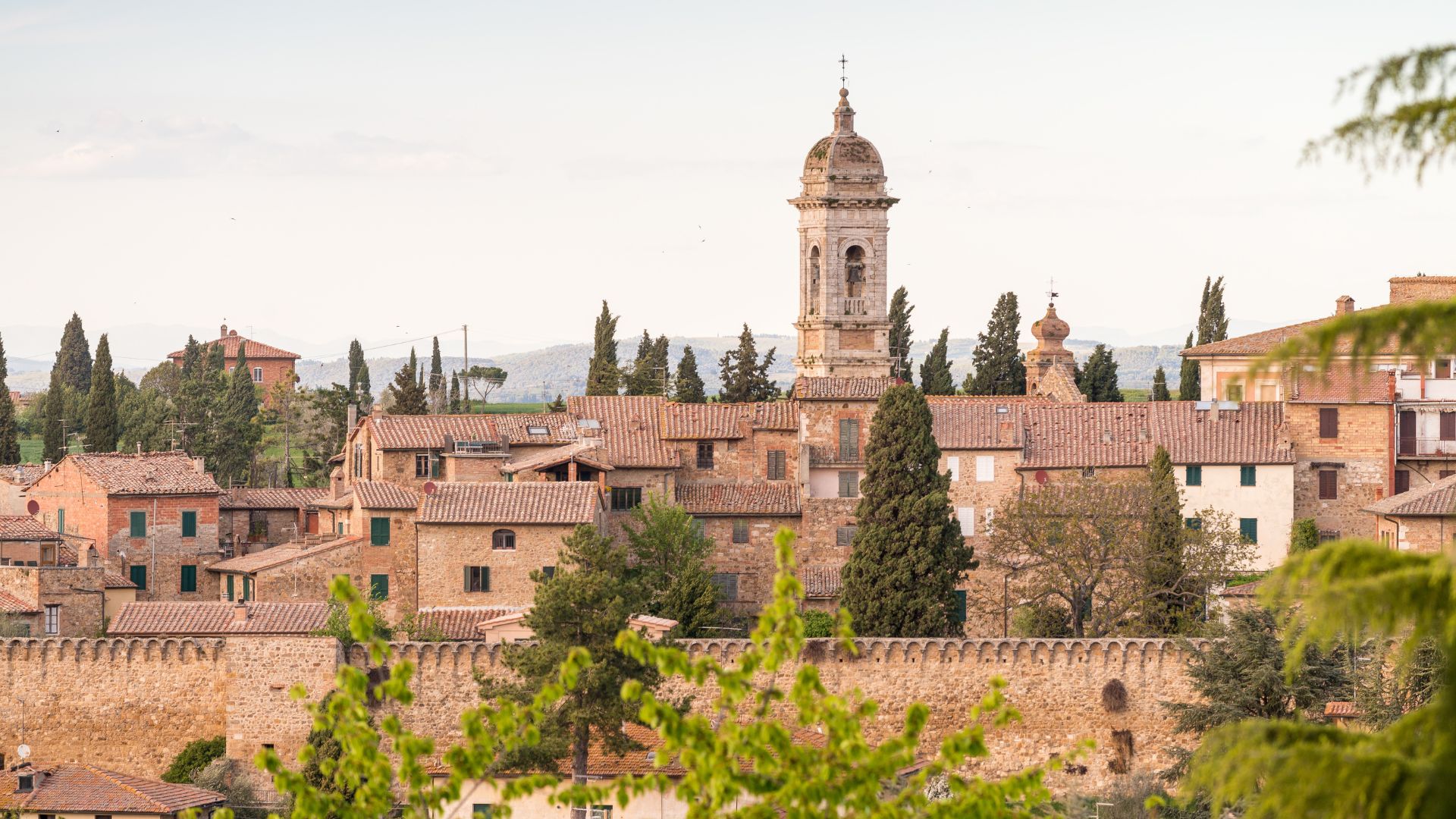
San Quirico d'Orcia still has preserved remains of its mighty city walls and several historic city gates. The Porta Cappuccini is one of the most famous city gates. A walk along the city walls conveys an authentic medieval atmosphere and offers magnificent views of the surrounding countryside.
- Collegiate Church (Collegiata dei Santi Quirico e Giulitta)
The Romanesque-Gothic Collegiata, also known as the „Collegiata dei Santi Quirico e Giulitta,“ is the town's main church and dates back to the 12th century. Its appearance is characterized by various architectural styles, as the church has been rebuilt several times over the years. The portals are particularly impressive. The church has three portals, each reflecting different eras: Romanesque, Gothic, and Baroque. The interior of the church houses valuable works of art, including paintings and sculptures by local artists, as well as works that show the influence of the Sienese school of art.
- Horti Leonini
The Horti Leonini, an Italian Renaissance garden dating back to the 16th century, is a small green paradise in the heart of San Quirico. Here, you can stroll along geometrically laid out paths surrounded by artistically shaped hedges and enjoy the tranquility and elegance of this historic site. The garden is ideal for a relaxing break after a stroll through the old town.
- Palazzo Chigi-Zondadari
Directly opposite the Collegiata is Palazzo Chigi-Zondadari, a 17th-century Baroque palace. This imposing aristocratic residence was built by the influential Chigi family, who had close ties to Siena and Rome. Today, the palazzo is still owned by the Zondadari family, who occasionally open it to the public for cultural events.
- Church of St. Francis
Another historic church not to be missed in San Quirico is the Chiesa di San Francesco. Originally part of a Franciscan monastery, it now houses valuable frescoes and works of art from the Renaissance and Baroque periods. The church embodies the spiritual and religious tradition that has been strong in this area for centuries.

The countryside around San Quirico
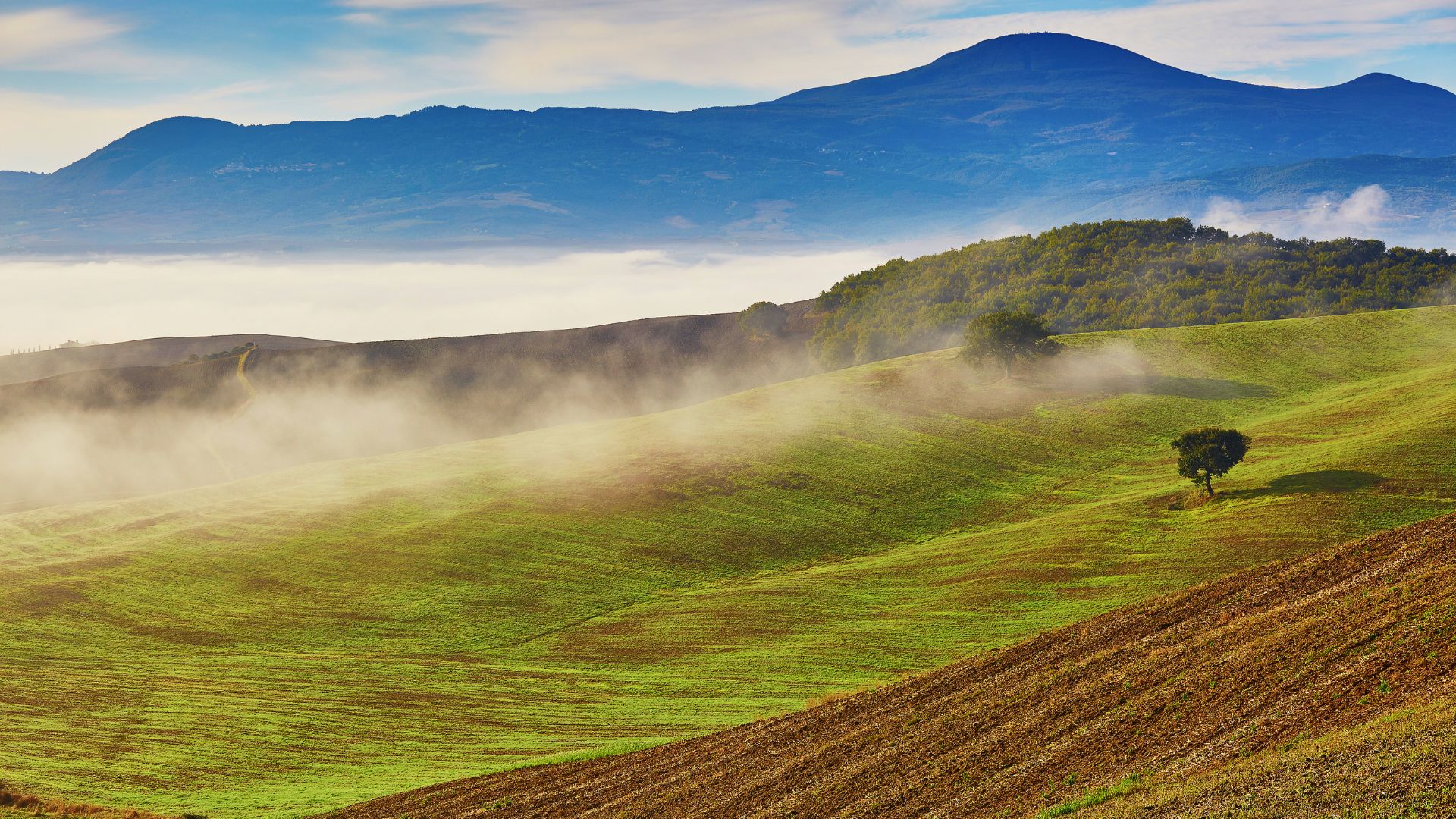
The Val d'Orcia is probably one of the most photographed landscapes in Italy. The typical Tuscan hilly landscape has long been a source of inspiration for Renaissance artists. Today, it is ideal for
- Hiking and cycling: Experience Tuscan nature up close among hills and fields. Well-marked trails lead through vineyards, olive groves, and cypress avenues.
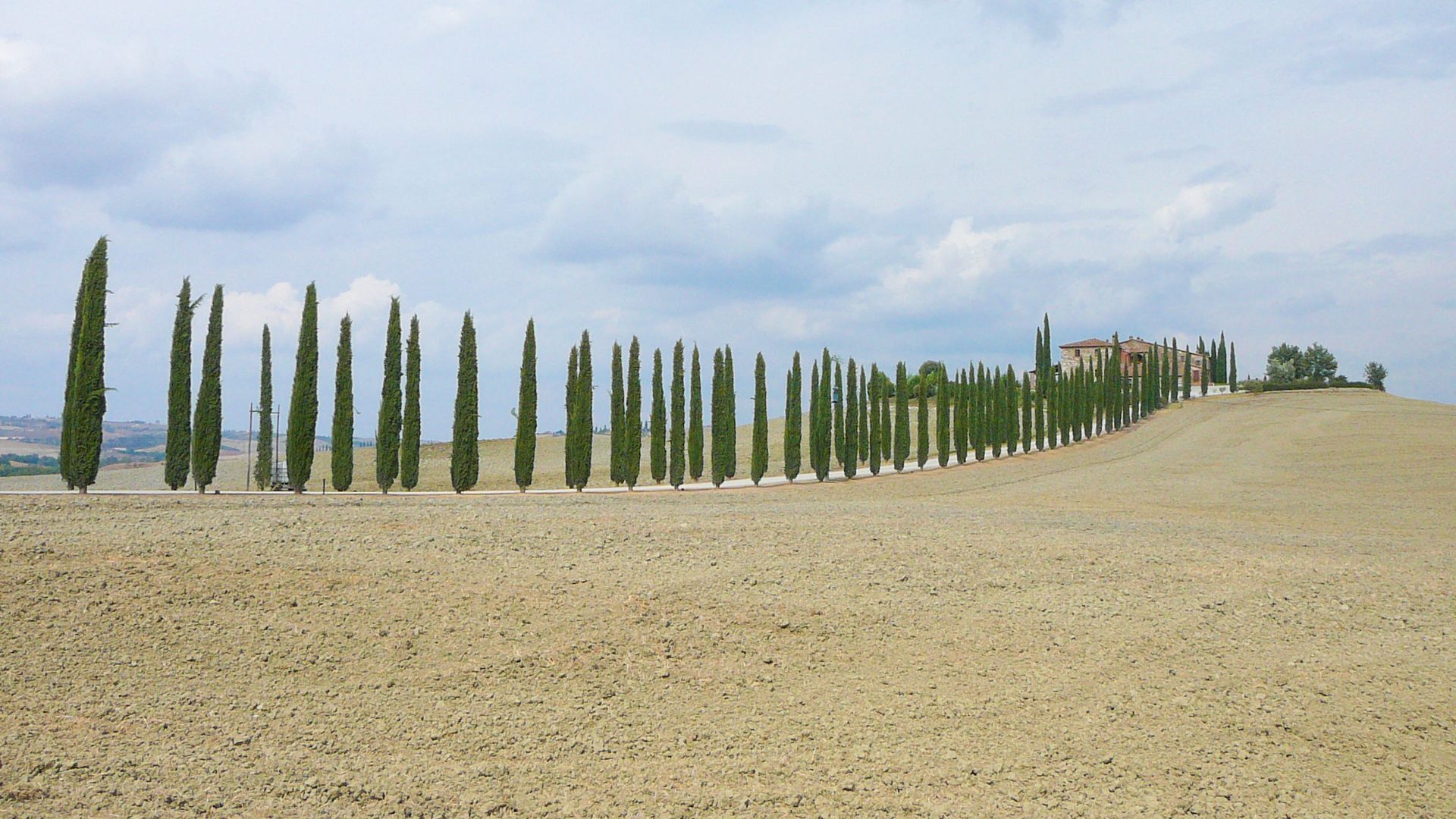
- Photography: Whether you are a professional or amateur photographer, there are plenty of subjects to capture here. San Quirico is an ideal starting point for visiting famous places such as the Cappella di Vitaleta or the picturesque cypress circle.
- Thermal springs: Well-known thermal baths such as Bagno Vignoni with its unique natural thermal springs are located in the immediate vicinity. A detour there is worthwhile not only because of the healing properties of the thermal water, but also because of the charming historic town center.
Culinary highlights
Tuscan cuisine is renowned for its simplicity and high-quality ingredients. San Quirico d'Orcia and the surrounding area offer many gastronomic experiences:
- Brunello di Montalcino and Vino Nobile di Montepulciano.
The Val d'Orcia region is located in close proximity to two of Tuscany's most famous wine-growing areas. Excellent wines are also produced in Val d'Orcia itself. A wine tasting at one of the numerous wineries is almost a must. - Pecorino cheese
The Pecorino from Pienza, just a few kilometers away, is one of the best sheep's milk cheeses in Italy. It is available in various degrees of maturity, from mild cream cheese to spicy, mature pecorino. - Bruschetta and crostini
A classic dish in Tuscan cuisine is toasted bread slices with olive oil—often locally produced. These are accompanied by crostini with various toppings such as chicken liver, mushrooms, or tomatoes. - Pici
The typical Tuscan pasta, thick hand-rolled noodles, is often served with a rich tomato sauce (all'aglione) or wild boar ragout (al cinghiale). A real treat! - Extra Virgin Olive Oil
High-quality olive oil is produced in the olive groves around San Quirico. Its intense aroma and fresh, fruity notes are an important part of the local cuisine.
Events and celebrations
Throughout the year, San Quirico d'Orcia hosts various festivals and cultural events that offer an insight into the Tuscan zest for life and tradition:
- Barbarossa Festival
This historic town festival commemorates Emperor Frederick Barbarossa, who held an important meeting in San Quirico in the 12th century. During the festival, historical costumes are worn, and there are processions, tournaments, and food stalls. The spectacle transports visitors back to the medieval atmosphere of times gone by. - Concerts and exhibitions
During the summer months, open-air concerts and art exhibitions are regularly held in the Horti Leonini. Cultural events are also occasionally held in the Palazzo Chigi-Zondadari, which delight locals and visitors alike.
Accommodation and overnight stays
San Quirico d'Orcia offers a range of different accommodations to suit various needs and budgets:
FarmhousesIf you want to experience authentic country life in Tuscany, the numerous agriturismi in the area are the perfect place for you. Here you can stay on agricultural estates, often in lovingly restored farmhouses, and sample farm-fresh products such as wine, oil, or cheese.
bed and breakfastsThere are many charming guest rooms in the streets of San Quirico itself, often located in historic buildings. This allows you to fully enjoy the atmosphere of the town.
Hotels and vacation rentalsEven those who prefer comfort and service will not be disappointed. There is a good selection ranging from family-run boutique hotels to modern vacation apartments.
Tips for your stay
Time: San Quirico d'Orcia is worth visiting all year round. In spring, the landscape is transformed into a fresh green, while in summer, lavender fields and warm evenings under the open sky beckon. In autumn, the grape harvest and golden light delight visitors, while winter offers a quiet and contemplative time.
Read more about theTopic

Duration of trip: Two to three days are enough to visit the main sights in San Quirico itself and soak up the atmosphere. However, as the Val d'Orcia combines so many attractions within a short distance (Pienza, Montalcino, Montepulciano, Bagno Vignoni), it is worth planning at least a week to explore the entire region at your leisure.
Rental car: To be flexible and explore the region independently, we recommend renting a car. Public transportation is available, but it does not always run at convenient times.
Restaurant recommendation: In San Quirico d'Orcia, you will find several restaurants and trattorias serving local cuisine. Be sure to try the homemade pici pasta or a typical Tuscan wild boar ragout (cinghiale). Ask for the daily specials and recommended wines from the area.

Our conclusion: Why San Quirico d'Orcia will capture your heart
San Quirico d'Orcia is much more than just a photogenic stopover – it is a condensed reflection of what makes Tuscany so desirable. Here, the grand history of the Via Francigena and the architectural elegance of the Renaissance combine with the simple, good life. While the large neighboring cities are often crowded with tourists, here you can still find authentic Italy: if you stay in the Horti Leonini reading a book in the shade of the holm oaks, a glass of the local Orcia DOC red wines Whether you're sipping wine or watching the sun set over the rolling clay hills, you can feel the true magic of Val d'Orcia.
A visit to San Quirico should therefore be at the top of your bucket list. It is the perfect place for slow travel—to slow down, enjoy, and marvel. The interplay of centuries-old culture, authentic cuisine, and the warm golden light of the landscape will not only enchant you, but also remain in your memory as one of the most beautiful travel experiences.
Profile of San Quirico d'Orcia
- Name: San Quirico d'Orcia
- Region: Tuscany (Province of Siena), Italy
- Population: Approximately 2,500
- Location: In the heart of Val d'Orcia, about 25 miles southeast of Siena
- Known for:
- Historic town center with medieval walls
- Renaissance gardens (Horti Leonini)
- Main church Collegiate Church of Saints Quirico and Giulitta
- Proximity to famous wine regions (e.g., Montalcino)
- Culinary specialties:
- Pici (hand-rolled pasta)
- Pecorino cheese from the neighboring town of Pienza
- Fine wines from the region (Brunello di Montalcino, Vino Nobile di Montepulciano)
- Extra virgin olive oil
- Best time to travel:
- Spring (March–May) for lush greenery and mild temperatures
- Fall (September–November) for wine and olive harvests, mild days, and great photo lighting
- Special features:
- UNESCO World Heritage Site of Val d'Orcia
- Located on the historic Via Francigena
- Thermal springs in the surrounding area (e.g., Bagno Vignoni)
- Numerous hiking and biking trails through the picturesque hilly landscape
Map: San Quirico d'Orcia, Tuscany
FAQ: Val d'Orcia, Tuscany
How much time should I plan for a visit to San Quirico d'Orcia?
Half a day is often enough for a relaxed visit to the historic town center itself, during which you can stroll leisurely through the alleys, visit the Collegiata, and linger in the Horti Leonini. However, if you want to explore the famous photo spots in the immediate vicinity, such as the cypress island or the Madonna di Vitaleta chapel, and also enjoy the local cuisine at your leisure, we recommend spending a whole day or even staying overnight to experience the magical atmosphere in the evening.
Where exactly can I find the famous cypress trees of San Quirico d'Orcia?
The world-famous group of cypress trees, often referred to as "I Cipressi di San Quirico," is not located directly in the town center, but slightly outside along Via Cassia (SR2). If you are coming from the south towards San Quirico, you will see the group of trees standing alone on a hill, with a lay-by on the road specially designed for photographers and admirers to safely capture this iconic landscape.
Is San Quirico d'Orcia easily accessible by car and what is the parking situation like?
The village is easily accessible by car via the scenic Via Cassia and is the perfect stop on a road trip through Val d'Orcia. However, be sure to note the "Zona a Traffico Limitato" (ZTL) within the city walls, which tourists are not allowed to enter in order to avoid fines. However, there are several well-signposted parking lots just outside the city walls, from which you can easily reach the historic center in a few minutes on foot.
What is the best time of year to visit San Quirico d'Orcia?
The ideal time to visit San Quirico d'Orcia is in spring (May to June) and autumn (September to October), when temperatures are pleasantly mild and the landscape is ablaze with color. In spring, the green hills of Val d'Orcia are in full bloom, while autumn brings warm light and the grape harvest; midsummer, on the other hand, can be very hot and also attracts the most tourists, which can somewhat detract from the relaxed atmosphere.
Top accommodations in San Quirico d'Orcia, Tuscany
Video: San Quirico d'Orcia, Tuscany
Experiences & sights
Note: Disclaimer - Italien.news is not the owner or organizer of the sights, accommodations and events published here and therefore not responsible for program changes, cancellation of the event and possibly incorrect information. The editorial team of Italien.news always endeavors to provide detailed and accurate information. However, it is possible that events, attractions, etc. may be changed and not updated promptly. Exact details of dates, times and programs can be obtained directly from the owner of the attractions and accommodation.
Please also check the website or social media of the attractions and events for updates before you travel! Our blog articles contain our personal recommendations in the form of affiliate links. If you book or buy something via the links or simply click on them, we receive a small commission. This does not change the price for you at all. Content and texts © Italien.new & KI / Photos © Canva.com / shutterstock.com / Unsplash.com / Pixabay.com / Pexels.com / Others. Please also visit our Italy Shop!