


Genoa: The proud heart of the Italian Riviera
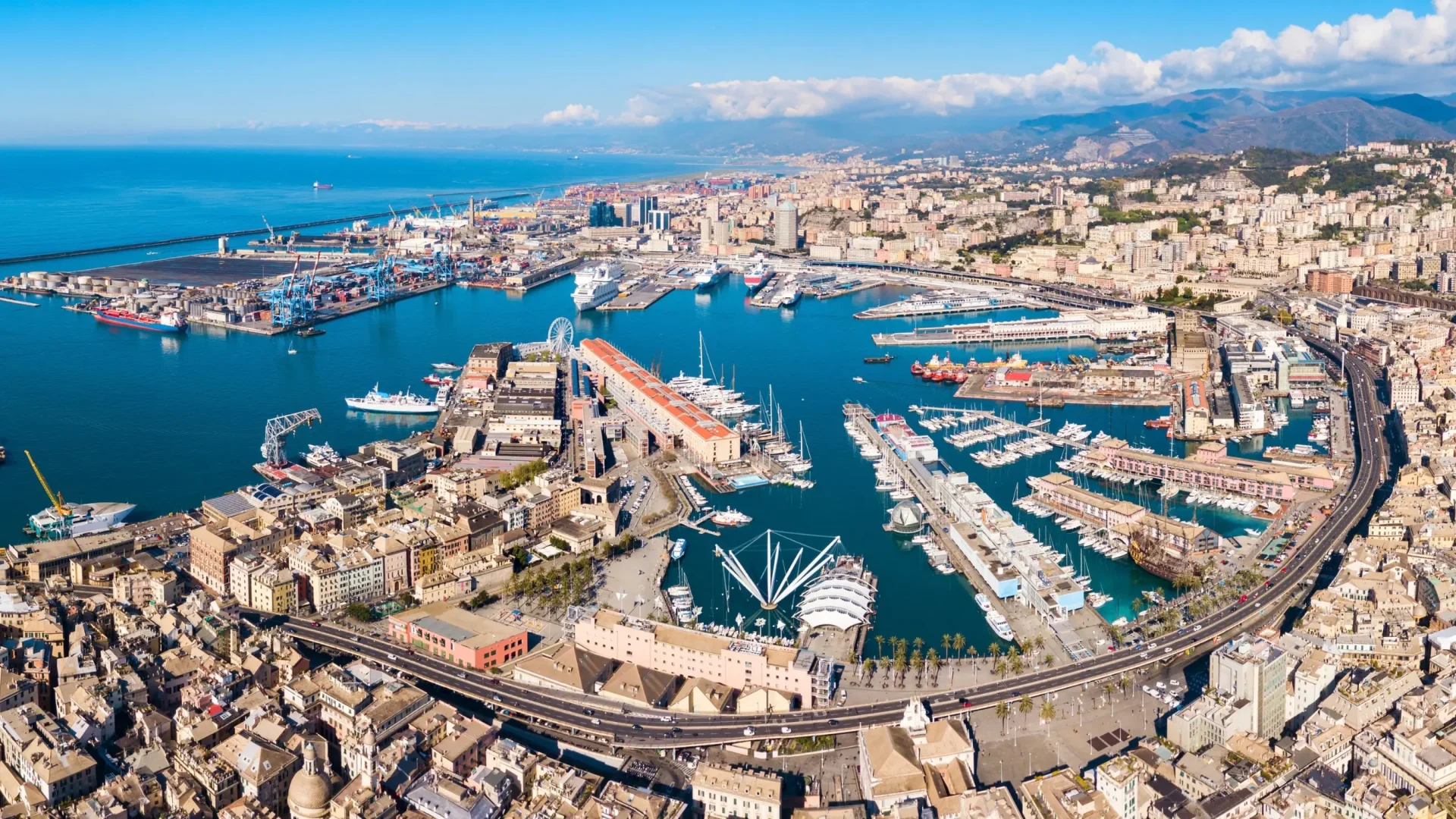
With a population of around 560,000, Genoa, the capital of Liguria, is the vibrant heart of northwestern Italy. Geographically, the city is notable for its prominent location on the Italian Riviera, where it stretches for 35 kilometers along the Ligurian Sea. Just behind the coastline, the foothills of the Alps and the Apennines rise steeply, forming a striking natural basin that shapes the cityscape. The city’s name is thought to derive from the Latin „genua,” meaning “knee” or “bend,” and alludes to the characteristic curve of the coastline at the Gulf of Genoa. This strategic position at the apex of the bay has long made Genoa one of the most important port cities in the Mediterranean. If the big city gets too bustling for you, just to the east you’ll find Bogliasco A quiet fishing village by the sea, perfect for a relaxing getaway.
Villa del Principe in Genoa: 5 reasons to visit the Doria Palace
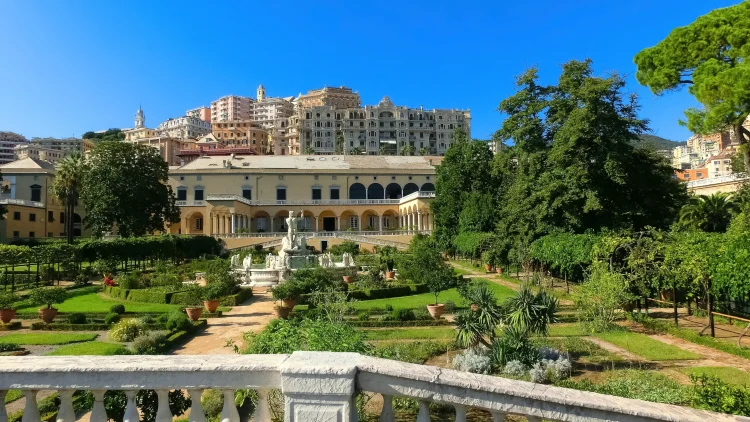
Villa del Principe Genoa: This is how splendidly Genoa's most powerful admiral lived - and why a visit is worthwhile today more than ever Anyone strolling through the lively streets of Genoa, past colorful house facades,...
Read moreDetailsSan Fruttuoso Beach, Liguria: A cove with an abbey by the sea

San Fruttuoso lies hidden among the rocks and pine trees—an abbey, a pebble beach, not a car in sight. The only way to get there is by boat or on foot.
Read moreDetailsPesto alla Genovese: The green gold of Liguria!
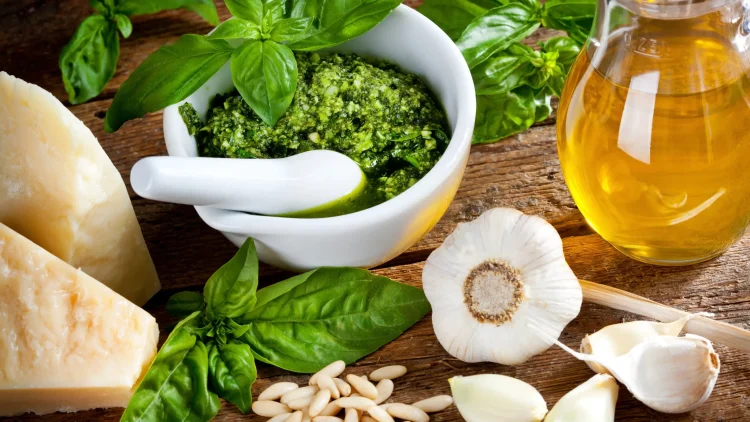
Pesto alla Genovese is much more than a simple pasta sauce; it is the distilled soul of Liguria, captured in an emerald green emulsion of basil, cheese and olive oil. In this article, we dive...
Read moreDetailsBogliasco's Attractions: 7 Hidden Gems on the Ligurian Riviera
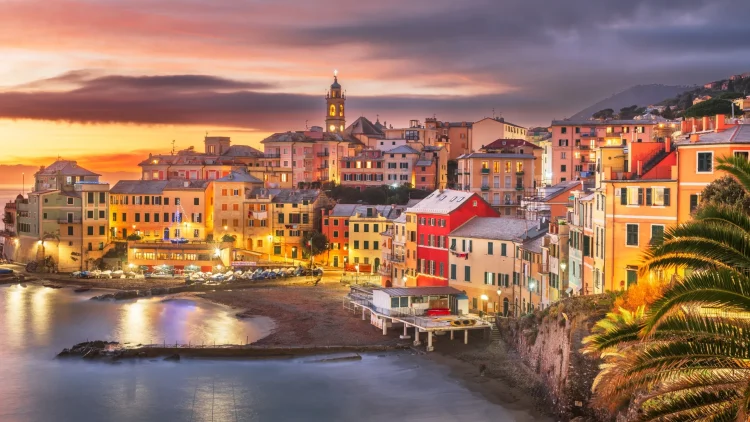
Bogliasco on the Riviera di Levante is Liguria’s quiet hidden gem near Genoa: a medieval bridge, a pebble cove, and the Carmine fireworks—the 7 most beautiful sights, restaurants, and travel tips.
Read moreDetailsPorto Antico: Genoa's old port enchants travelers anew!
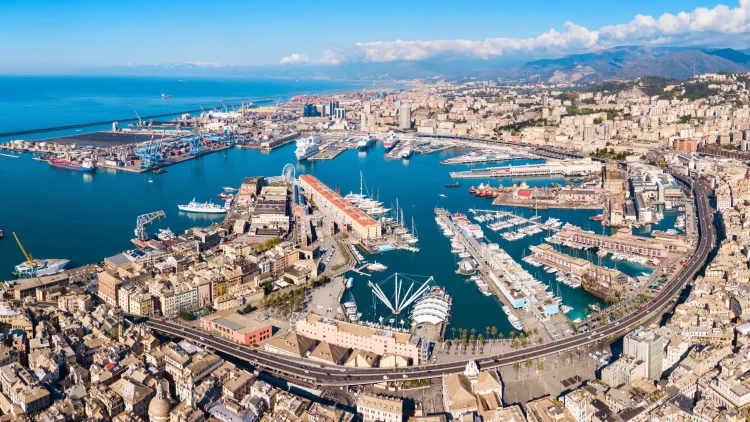
The Porto Antico of Genoa is one of the most fascinating port areas in Italy - and yet it is still an insider tip among travelers. Where once rusty cargo ships lay, visitors today stroll between the second largest harbor in...
Read moreDetailsMattonella Genovese: The sweet secret from Liguria
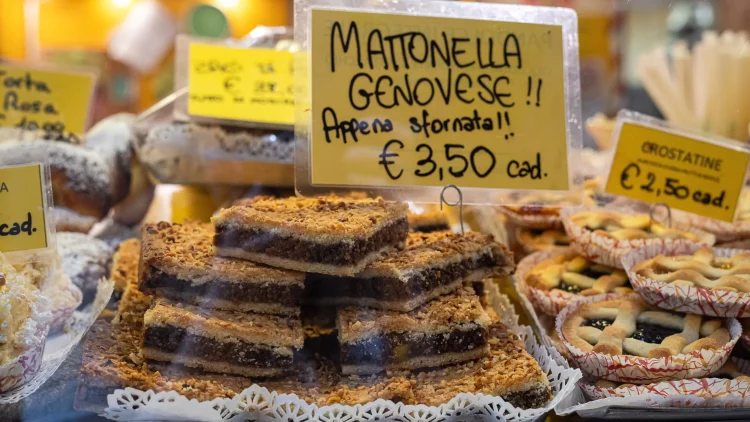
Mattonella Genovese, often referred to as the 'king of Ligurian casseroles', is much more than just a dish - it is a piece of the identity of the port city of Genoa. Discover the rustic...
Read moreDetails
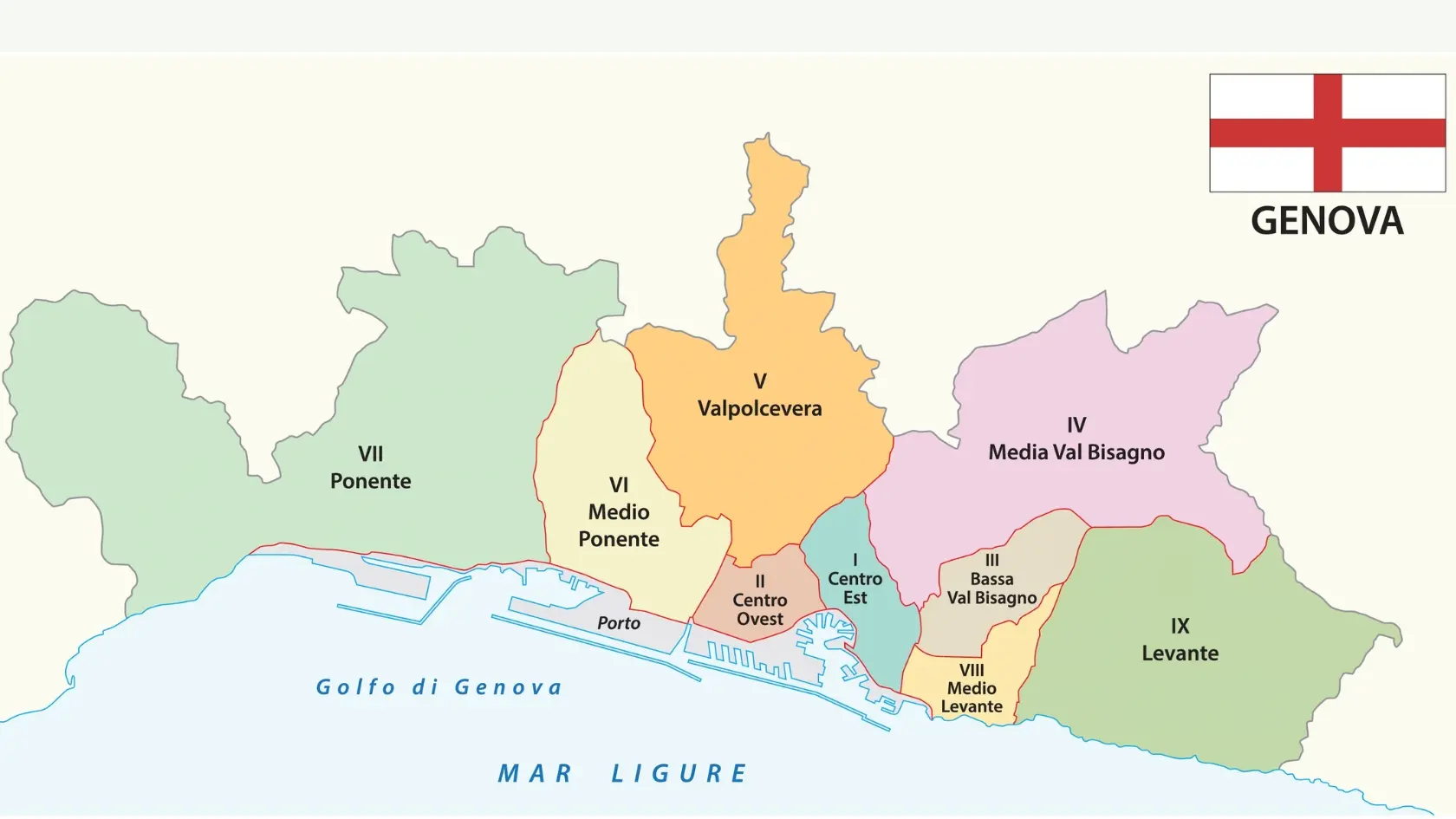
Map: Genoa
The best time to travel to Genoa in Italy
For a city trip to Genoa, spring from April to June and the mild fall in September and October are considered ideal travel times. These months are characterized by pleasant temperatures between 18°C and 24°C, which are perfect for exploring the steep alleyways of the old town without getting exhausted by the intense summer heat. While the height of summer in July and August can often be oppressively humid and many locals leave the city, spring also offers the most lush greenery in the surrounding hills. Those who prefer a quieter time will benefit from a very mild Mediterranean climate in winter, but must expect the typical Ligurian rain showers more often. Ultimately, however, the city captivates visitors all year round with its special light, which makes the pastel-colored facades on the Porto Antico glow, especially in the evening hours.
FAQ: Genoa, Liguria
Which sights in Genoa should not be missed?
An absolute must is an exploration of the historic old town with its winding alleyways, the so-called caruggi, which are a UNESCO World Heritage Site. Particularly impressive are the magnificent Palazzi dei Rolli in Via Garibaldi and the old harbor Porto Antico, which was redesigned by star architect Renzo Piano and is now home to the famous aquarium.
When is the best time to travel to Genoa?
The ideal months to visit are May, June and September, as the climate is pleasantly mild and perfect for long walks through the city. At the height of summer, it can get very hot in the narrow streets, while winters are mild but can often surprise you with rain showers from the sea.
What is the best way to experience Genoa's cuisine?
You should definitely try the authentic Genovese pesto, which is traditionally served here with trofie pasta, potatoes and green beans. A quick snack for in between meals is the golden yellow focaccia, which is often sold warm in local bakeries and is even often dunked in a cappuccino for breakfast in Genoa.
Is Genoa a safe city for individual travelers?
Genoa is generally considered a safe destination, as long as you exercise the usual caution in busy tourist areas and at the main train station to avoid pickpockets. Particularly in the very narrow and winding streets of the old town, you should remain vigilant in the evening and prefer busy streets, even if most districts are now very safe for visitors due to the constant revitalization.
City trip to Genoa in Liguria
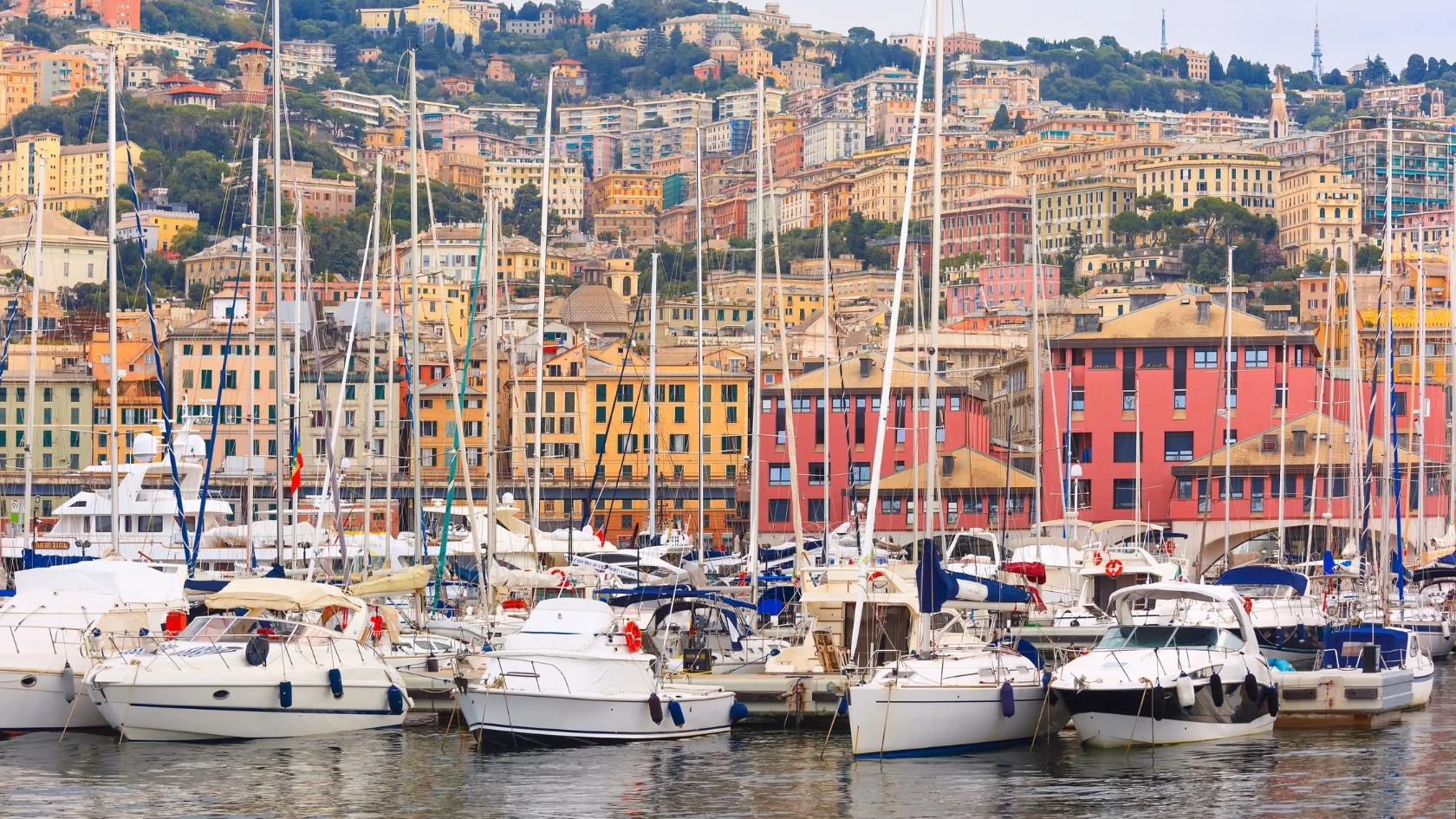
Genoa, the proud capital of Liguria on the Italian Riviera, presents itself as a fascinating field of tension between a rough harbor atmosphere and aristocratic splendor. The city owes its nickname „La Superba” (the Proud) to its glorious past as one of the most powerful maritime republics of the Middle Ages. Geographically, the metropolis is spectacularly squeezed between the foothills of the Ligurian Alps and the deep blue sea. This vertical urban structure means that magnificent palazzi are often just a few steps away from the winding, shady alleyways of the lower town. This gives Genoa an architectural dynamism that can hardly be found in any other Italian city.
Genoa's historical importance is inextricably linked to the sea. While the city served as a Roman base in ancient times, it rose to become a maritime superpower in the Middle Ages, competing with Venice for supremacy in the Mediterranean for centuries. This era of immeasurable wealth is particularly visible in the „Strada Nuova“ (today Via Garibaldi). This is where the famous Palazzi dei Rolli are located: an ensemble of Renaissance and Baroque buildings that were once on a list to accommodate state guests of the nobility. The fact that this district is now a UNESCO World Heritage Site underlines the cultural value of these „palace lists“, which represent a unique system of early urban planning in the world.
However, the heart of the city beats in the „Vecchia Genova“, one of the largest contiguous medieval old towns in Europe. In the so-called „caruggi“, the extremely narrow alleyways, time seems to have stood still while you come across monumental buildings such as the black and white striped Cathedral of San Lorenzo or the imposing Palazzo Ducale. The Lanterna lighthouse, which has been showing sailors the way since the 12th century, watches over everything. As one of the oldest active beacons in the world, it is an unshakeable symbol of Genoese identity and the birthplace of Christopher Columbus.
Even in modern times, Genoa has lost none of its relevance, although the face of the port has changed. Thanks to the vision of star architect Renzo Piano, the „Porto Antico“ into a lively cultural space. Here you will find the Genoa Aquarium is not only a world-class maritime research center, but also a meeting place for art and cuisine. Ligurian cuisine is an essential part of the city experience. The world-famous Pesto Genovese, traditionally prepared in a mortar from local basil, pine nuts and pecorino, finds its perfect accompaniment in the crispy focaccia and the farinata made from chickpea flour.
Today, Genoa is investing heavily in urban regeneration in order to combine its historical heritage with sustainable infrastructure. The result is a city that does not rest on its laurels, but captivates its visitors with a mixture of authentic harbor flair, intellectual depth and the wild beauty of the Ligurian coast. Visitors to Genoa will not experience a polished open-air stage, but a lively metropolis with a strong character that wears its scars as proudly as its crowns.
Video: Genoa, Liguria
Note: Disclaimer - Italien.news is not the owner or organizer of the sights, accommodations and events published here and therefore not responsible for program changes, cancellation of the event and possibly incorrect information. The editorial team of Italien.news always endeavors to provide detailed and accurate information. However, it is possible that events, attractions, etc. may be changed and not updated promptly. Exact details of dates, times and programs can be obtained directly from the owner of the attractions and accommodation.
Please also check the website or social media of the attractions and events for updates before you travel! Our blog articles contain our personal recommendations in the form of affiliate links. If you book or buy something via the links or simply click on them, we receive a small commission. This does not change the price for you at all. Content and texts © Italien.new & KI / Photos © Canva.com / shutterstock.com / Unsplash.com / Pixabay.com / Pexels.com / Others. Please also visit our Italy Shop!


