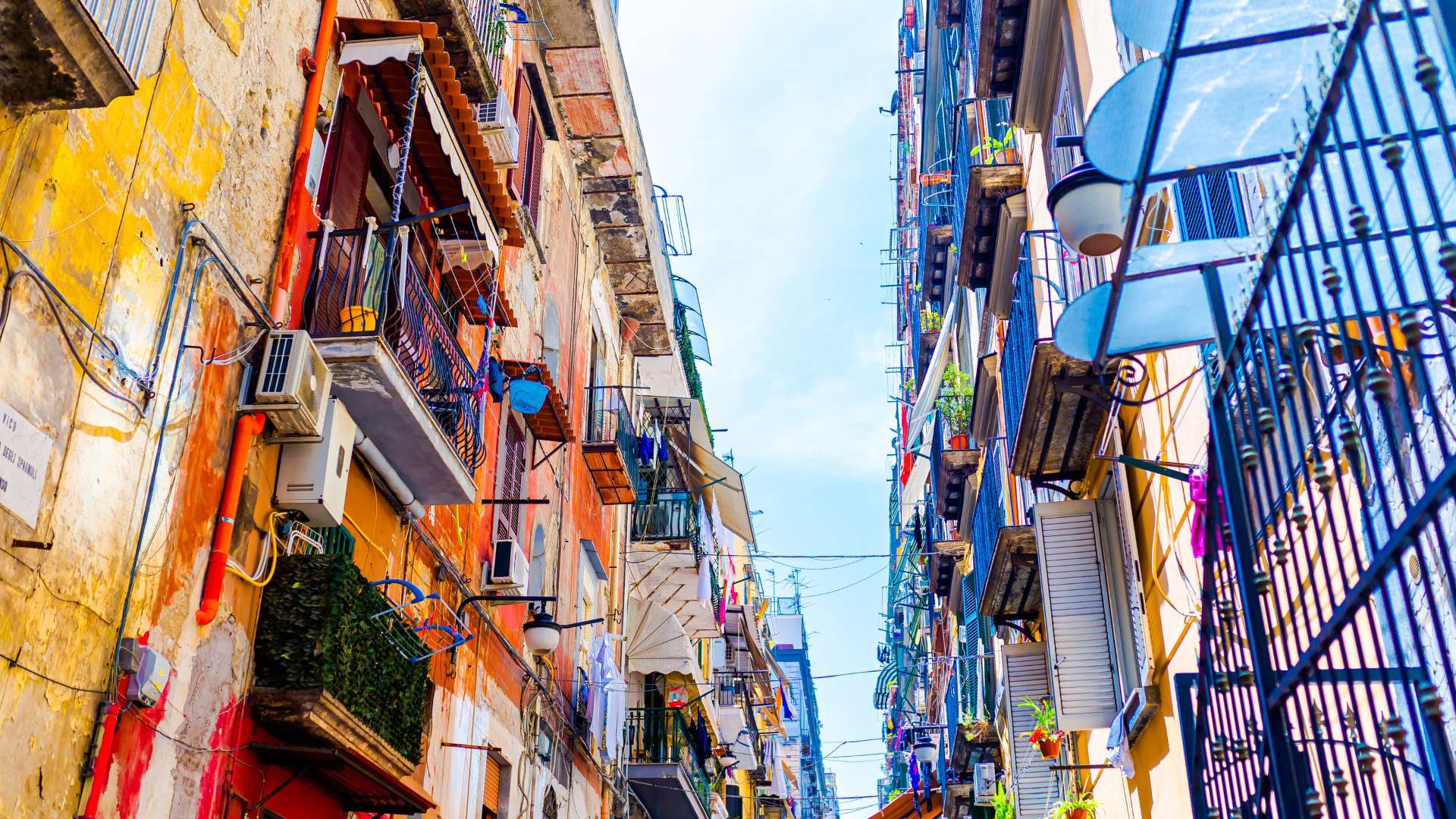

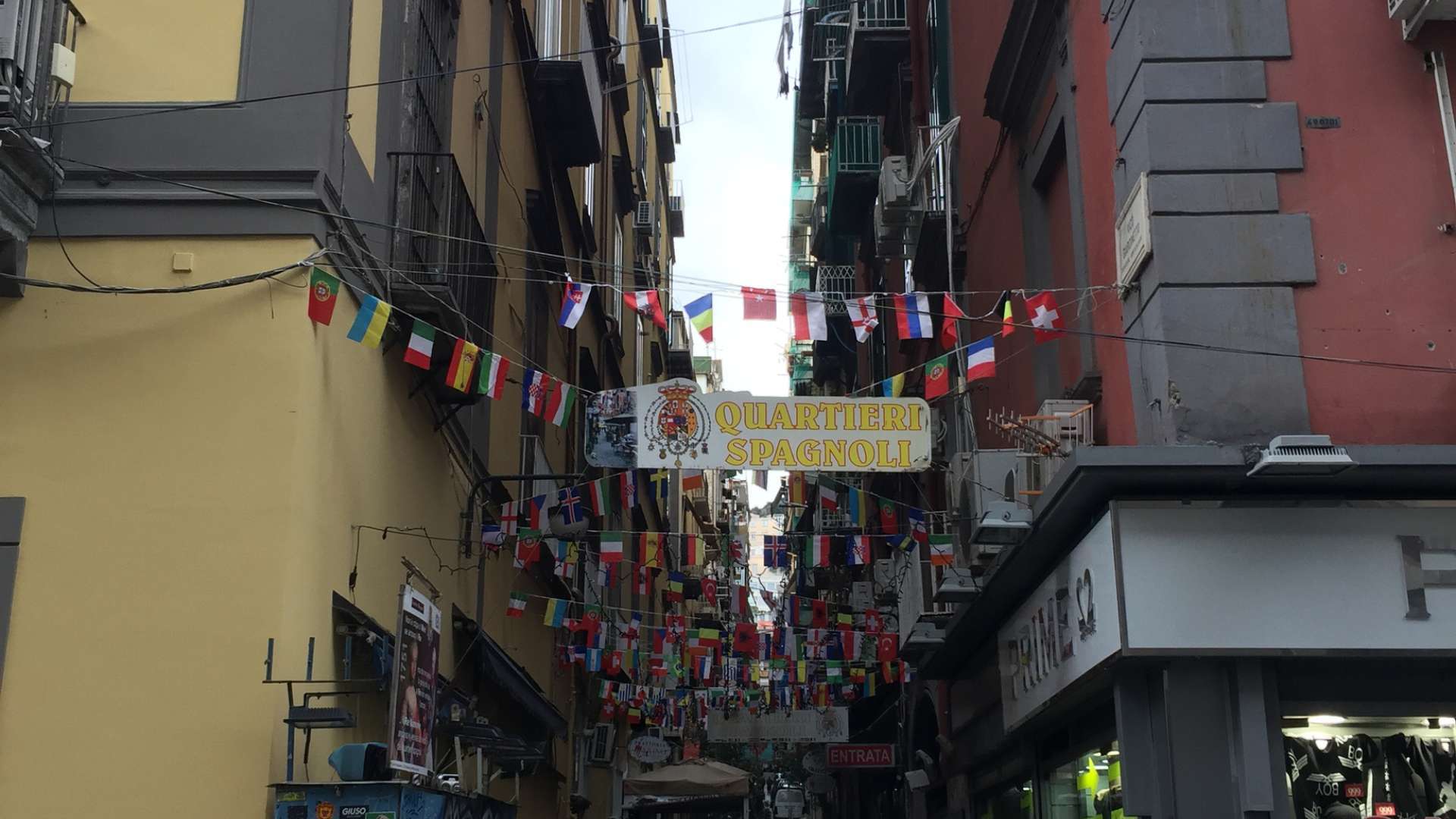
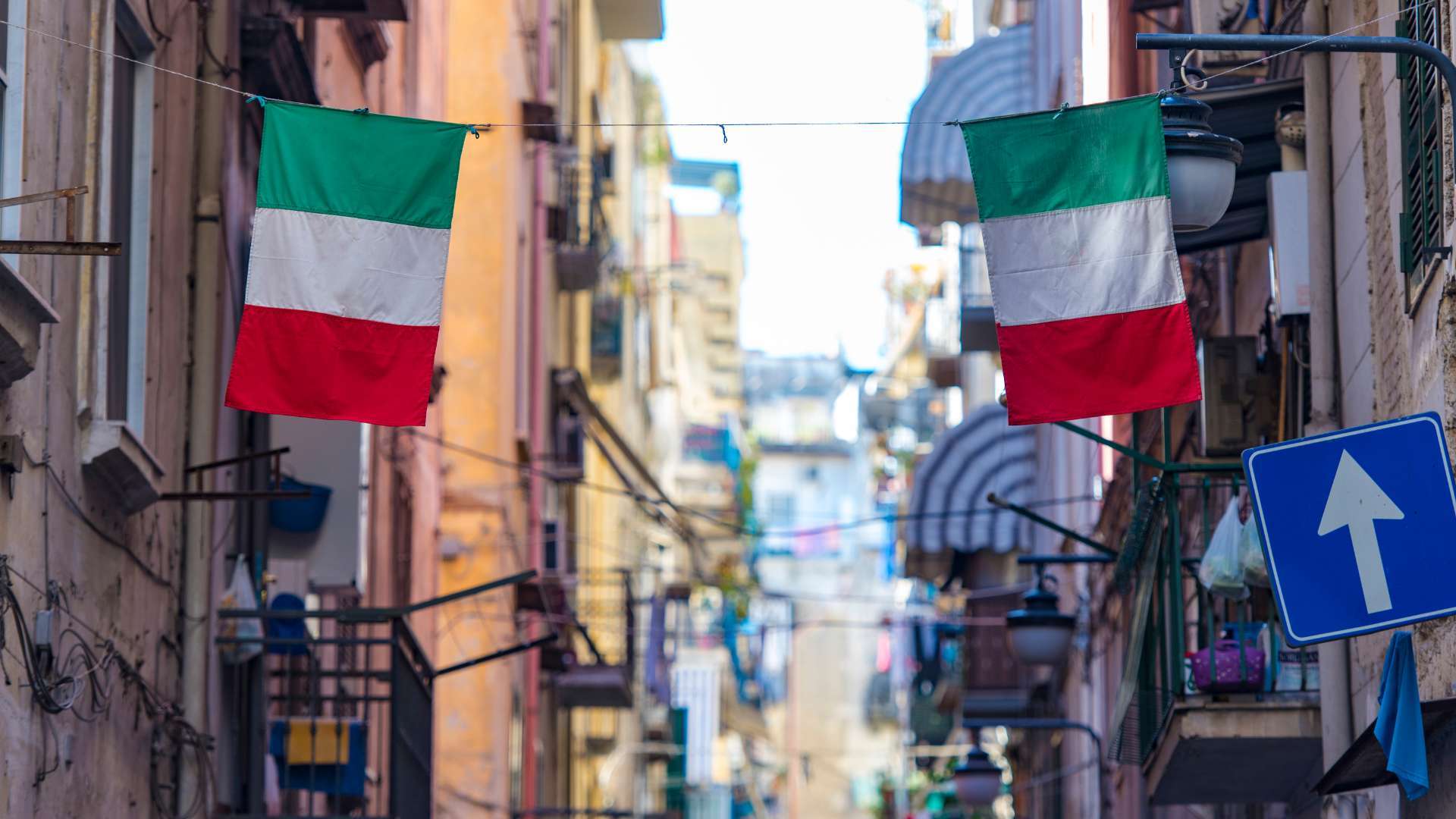
Naples – Laundry hangs over the alleys, the smell of ragù wafts up from the ground floors, and somewhere a scooter honks. The Quartieri Spagnoli, the Spanish Quarter on the hillside above the Via Toledo, are not an open-air museum, but the most densely populated part of the city: In Montecalvario, as the neighborhood is officially called, is home to about 23,000 people living in an area of 0.75 square kilometers. The walking tour itself is free—alleys, churches, and the Largo Maradona are free to visit; you only have to pay for museums, theaters, and the Metro fare.
The Spanish viceroy laid out the grid of narrow cross streets Pedro de Toledo Starting in the 1540s, to house his soldiers. Five centuries later, visitors come for a mural, for the clotheslines, and for the food. This guide shows you the seven spots worth visiting, how much they cost, how to get there—and what you should know beforehand.
The neighborhood covers barely more than half a square kilometer. It stretches from Via Toledo, the main shopping street, to the hillside below the Vomero, on the hill overlooking the city, and can be crossed on foot in a morning. Its most famous attraction, the 1990 Maradona mural, is about a five-minute walk from the subway station Toledo removed.
The Quartieri Spagnoli in Numbers
A 16th-century residential neighborhood—steep, densely built-up, and free to visit. The attractions that charge admission are located on the outskirts of the neighborhood: two museums, a theater, and the mountain stations high up on the hillside.
As of September 2026 · Population and area according to the Comune di Napoli (2011 census), fare information according to ANM, admission prices according to the Museo Nitsch.
- Soccer fans and anyone who wants to see Maradona in a place where he is revered
- Photographers: Clotheslines, Facades, Backlighting
- Street food lovers with a craving for pizza fritta and cuoppo
- Early risers who want to get there a quarter of an hour before the rush
- Repeat visitors to Naples who are already familiar with the city center
- Drivers: The streets are narrow, and the restricted traffic zone (ZTL) starts right next door
- Strollers and wheelchairs: steep alleys, steps, high curbs
- For those who need a quiet night's sleep—people talk late into the night in the alleys
- Museum-goers: Naples' major museums are located elsewhere
How much does it cost to visit the Quartieri Spagnoli?
Nothing, as long as you just walk around. The neighborhood is a public space, as is Largo Maradona, and none of the churches charge an admission fee. You’ll pay for the venues on the outskirts: €10.00 at the Museo Hermann Nitsch, €8.00 at the Galleria d’Italia on Via Toledo, and €6.00 at the Kartause high above the neighborhood. On top of that, there’s the fare for the metro and bus—€1.30 for a single ride, €4.50 for a day pass.
Admission and Tickets for Events in the Quartieri Spagnoli
All prices are for adults; discounted rates are listed next to them. The same ticket is valid for the metro, buses, and funiculars.
| Offer | Price |
|---|---|
| Spanish Quarter: Alleys, churches, Largo Maradona | free of charge |
| Hermann Nitsch Museum, Vico Lungo, Pontecorvo 29/d | 10.00 € · reduced price 5.00 € |
| Gallerie d’Italia, Via Toledo 177 | €8.00 · reduced price €4.00 |
| Certosa and San Martino Museum | 6.00 € · reduced price 2.00 € |
| Castel Sant’Elmo | 5.00 € · reduced price 2.00 € |
| Teatro Galleria Toledo | €18.00 · reduced rate €15.00 · students €10.00 |
| Single-Ride Ticket for the Metro, Bus, and Funicular | 1,30 € |
| One-Day Pass for Naples | 4,50 € |
| Alibus from the airport to downtown | 5,00 € |
| Campania Artecard Naples, 3 Days | €27.00 · Ages 18 to 25: €16.00 |
As of September 2026 · Information provided by Museo Nitsch, Gallerie d’Italia, the Ministry of Culture, ANM, and Campania Artecard.
The following are also free: Santuario Santa Maria Francesca delle Cinque Piaghe, the market La Pignasecca and a stroll down Via Toledo. Admission to the Gallerie d’Italia is free on the first Sunday of every month, and always free for those under 26 and over 65. If you want to visit several museums in Naples, the Campania Artecard is a more affordable option: The three-day pass for the city costs €27.00 and includes local public transportation. You can find more tickets for the city in our overview of the Tickets for Naples' Attractions.

The Maradona murals in the Quartieri Spagnoli in Naples
Myth and Masonry: Maradona's Legacy in the Alleys of the Old City Diego Armando Maradona is far more than just a historic soccer legend to Naples: He is a cultural icon whose influence...
Where the Quartieri Spagnoli Get Their Name
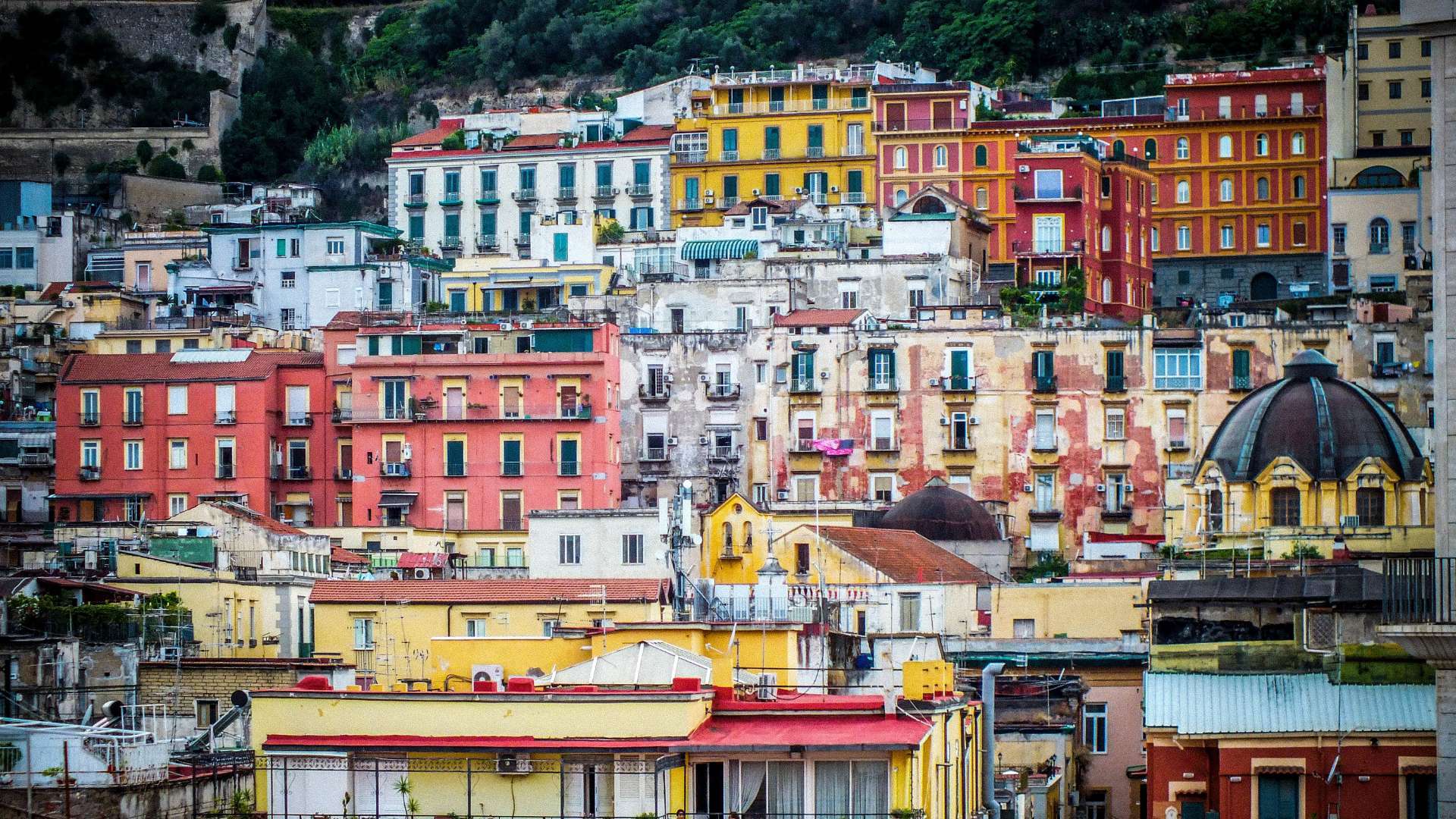
The name comes from the Spanish troops who were stationed here. When Pedro de Toledo, viceroy of Spanish-ruled Naples from 1532 to 1553, rebuilt the city, he had new walls erected beginning in 1543, laid out a broad axis —today’s Via Toledo—and, behind it, a grid of narrow cross streets. The redevelopment is considered the most ambitious urban reform Europe witnessed in the 16th century, and it served a very practical purpose: soldiers were to live close to the city center so they could get there quickly if unrest broke out.
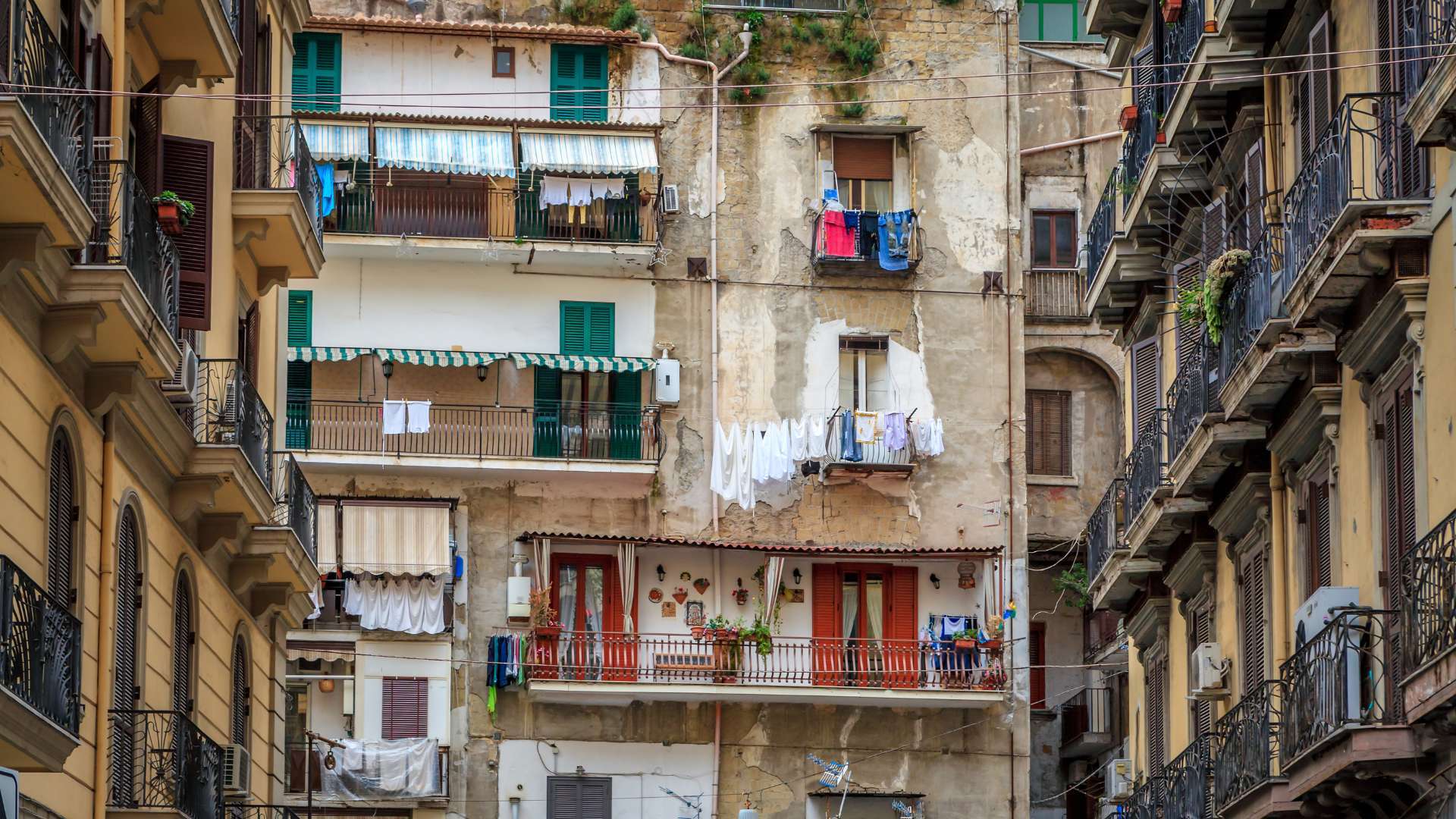
What remains is the layout. The alleys run straight up the hillside, the houses stand close together, and on the ground floor, the bassi – ground-floor apartments that open directly onto the street and have always been associated in the Neapolitan lexicon with the homes of ordinary people. It is precisely there that what visitors take to be folklore actually plays out as everyday life: cooking, chatting, watching TV, hanging up laundry—all with the door wide open.
Which 7 sights in the Quartieri Spagnoli are must-sees?
The neighborhood doesn't have a "museum mile," but rather a handful of spots where the walk itself is the main attraction. These seven are worth visiting, ranging from a pilgrimage for soccer fans to the Caravaggio on Via Toledo.
1. Largo Maradona: The Mural That Changed a Neighborhood
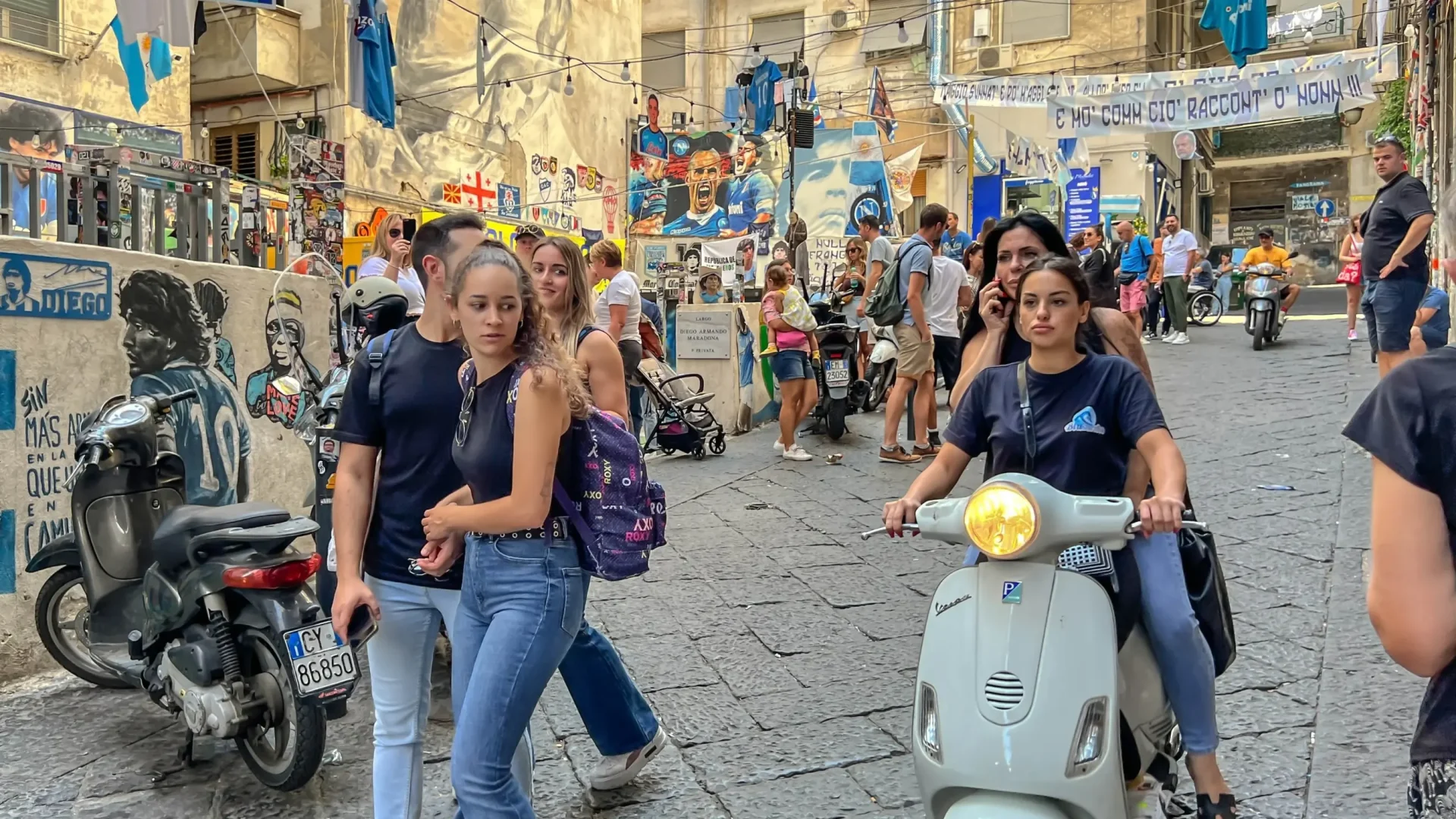
At the corner Via Emanuele De Deo and Vico Concordia is Largo Maradona, a courtyard measuring just under 197 square meters that features the city's most famous mural. It was painted in 1990 by a 23-year-old Neapolitan Mario Filardi, shortly after SSC Napoli won its second league title. It faded from memory for years, until a local resident Salvatore Iodice He initiated the restoration in 2016; the Argentine artist painted the face in 2017 Francisco Bosoletti new.
Today, there are souvenir stands, flags, and candles there, and on good days, more people crowd in than in some churches. In January 2026, the city of Naples approved a project to transform the courtyard into a public space: new lava-stone paving, benches, planters, shaded pergolas, and removable kiosks—all funded and maintained by private entities, yet permanently free and accessible all day long. Until the work is finished, it will remain crowded—if you want to photograph the wall without the crowds, come before nine in the morning. The full story behind the photo can be found in our profile of the Maradona Murals in the Quartieri Spagnoli.

2. Via Toledo and the Toledo Metro Station
Via Toledo is the backbone of the neighborhood: the shopping street that Pedro de Toledo had built and which is now run by the Piazza Dante leading down to the Royal Palace. Side streets branch off from it, and the atmosphere changes at every corner—shop windows on the left, clotheslines on the right.
The Toledo metro station is right in the middle of this area. It’s the most convenient way to get into the neighborhood: just a few steps from the exit and you’re in the alleys, and Line 1 connects you to the Central Station, the Museum, and Vomero. Take the same station for the return trip—walking downhill through the alleys is much more pleasant than walking uphill.
3. Sanctuary of St. Mary Frances of the Five Wounds
In the Vico Tre Re in Toledo At number 13 stands the shrine of Saint Maria Francesca of the Five Wounds, a Neapolitan nun. The site is known for a chair: women who wish to have children sit on the fertility chair, the Chair of Fertility, which is attributed to the saint. According to the Santuario, no reservation is required.
From the outside, you can hardly tell it’s a restaurant—it’s just a door in a row of houses, not a church façade. That’s exactly what makes a visit here so interesting: You won’t find tour groups here, just Neapolitan women quietly waiting for their turn. Anyone who goes inside behaves accordingly.
4. Hermann Nitsch Museum: Viennese Actionism in Montecalvario
In the Vico Lungo, Pontecorvo At 29/d, on the upper edge of the neighborhood, the Museo Hermann Nitsch showcases the work of the Austrian action artist—pour-over paintings, relics from his performances, and scores. It’s pretty intense stuff and definitely not for kids, but it’s the only place in the neighborhood that permanently exhibits international art.
Admission is €10.00, €5.00 for seniors, and €13.00 for a combined ticket with Casa Morra. It is open Tuesday through Friday from 10 a.m. to 6:30 p.m. and Saturday from 10 a.m. to 2 p.m.; it is closed on Sundays and Mondays, and for the entire month of August. So don’t plan your visit for a Sunday afternoon in the middle of summer.
5. Teatro Galleria Toledo
The Via Concezione in Montecalvario 34 looks like any other address in the neighborhood, but behind the door lies one of Naples’ most important independent theaters. The Galleria Toledo presents contemporary theater—often in Italian with brief English introductions—as well as film and music nights.
Tickets cost €18.00, €15.00 for those eligible for a discount, and €10.00 for students. Even if you don’t understand the language, an evening here is the easiest way to experience the neighborhood after the shops have closed, when the souvenir stands have been taken down and the alleyways belong to the locals.
6. La Pignasecca: the market on the western edge
At the Via Pignasecca, just a few steps below the neighborhood, lies the city’s oldest market. Fish crates, vegetable stands, cheese, baked goods—and in between, bars where people drink their espresso standing up at 8:30 in the morning. If you want to know what’s going on in the bassi If you're cooking, take a look at the displays here.
Two from the Verace Pizza Napoletana Association Certified pizzerias are located directly across from each other on Via Pignasecca, at numbers 17 and 22. The market opens early and closes early—by late afternoon, you’ll mostly find shuttered storefronts here.

7. Galleria d’Italia in the Palazzo Zevallos
Via Toledo 177: Behind the facade of the Palazzo Zevallos Stigliano The Galleria d’Italia is exhibiting Neapolitan paintings—and as its centerpiece The Martyrdom of Saint Ursula, *The Martyrdom of Saint Ursula*, which Caravaggio painted in Naples in 1610. It is one of his last works and is worth the price of admission all on its own.
Admission is €8.00, €4.00 for seniors, free for those under 26 and over 65, and admission is free for everyone on the first Sunday of every month. It’s open Tuesday through Friday from 10 a.m. to 7 p.m., Saturday and Sunday until 8 p.m., and closed on Mondays. Plan on spending just under an hour there—the building is small, which is exactly why it offers such a nice contrast to the narrow streets outside.

Naples Attractions: 7 Highlights You Can't Miss
From the Veiled Christ to 40 meters beneath the city: Naples’ highlights, including prices, hours, and honest recommendations—plus the best neighborhoods to stay in and the pizza that’s worth every...
Here's how to get to the Quartieri Spagnoli
By metro. Line 1 stops at the Toledo station right on the edge of the neighborhood; a single-ride ticket costs €1.30, a day pass costs €4.50, and a weekly pass costs €12.50. From the main train station Napoli Centrale It's just a few stops away, about a quarter of an hour's walk from the harbor.
From the airport Naples-Capodichino will take you to the Alibus, the airport line operated by ANM, takes you to the main train station in fifteen minutes and to the port in thirty-five minutes for €5.00. It runs daily from 5:30 a.m. to midnight, at least every fifteen minutes; tickets are available from the ticket machine in the arrivals hall, via the app, or from the driver. Taxis have a flat rate: €24.00 from the airport to the main train station or the port, and €28.50 down to the Via Partenope. The fixed price applies per vehicle, including luggage and surcharges—but you must specifically request it when you get in.
The traffic restriction is located right next to the neighborhood ZTL Tarsia-Pignasecca-Dante: At the entrance Piazza Gesù e Maria It is valid daily from 9 a.m. to 6 p.m., during which Via Domenico Soriano It's a pedestrian zone 24/7. It's best not to drive into the alleys of the Quartieri Spagnoli anyway—they're narrow, steep, and packed with parked cars. Park your car in a parking garage and walk the last few meters.
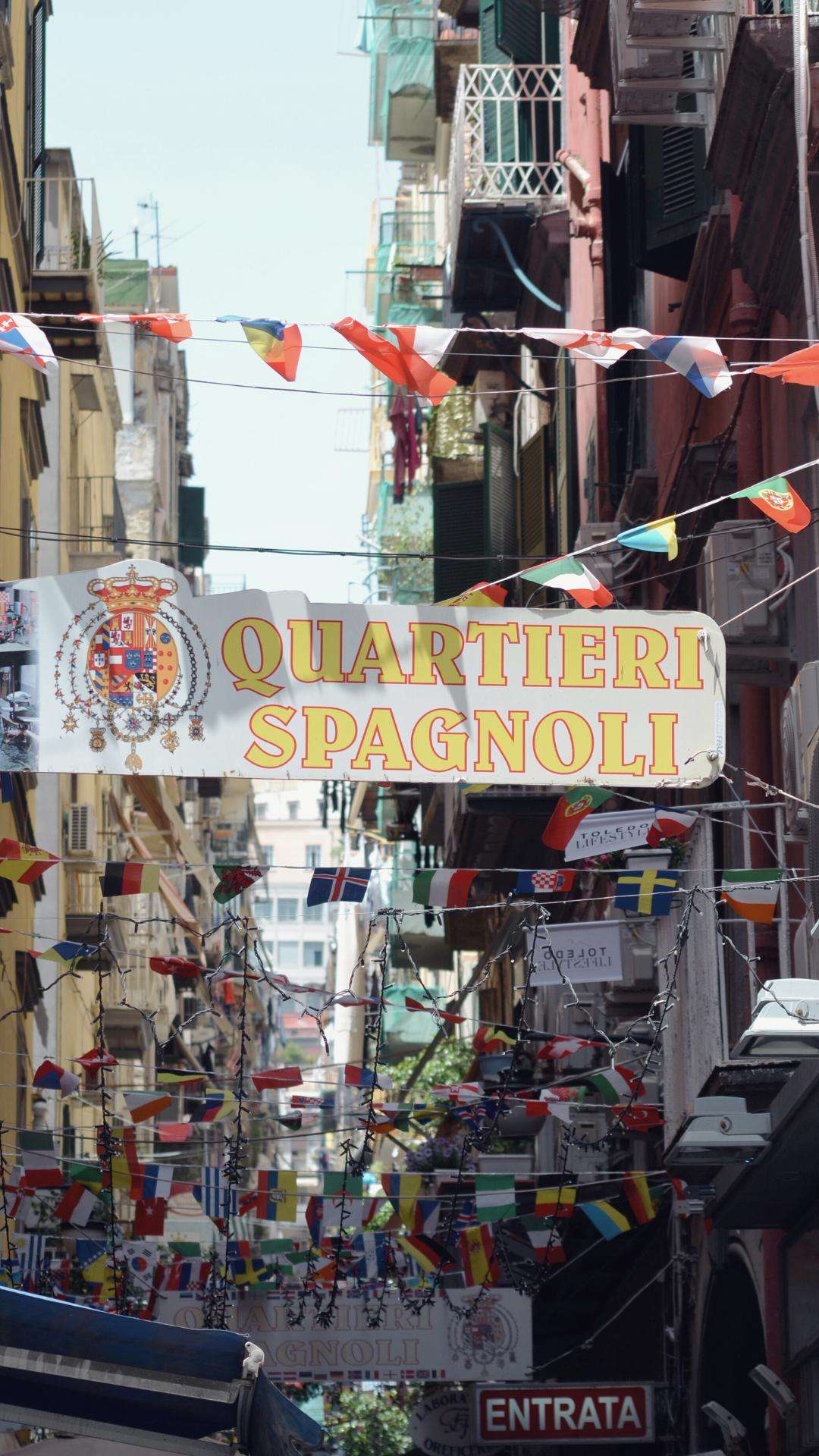
What should you definitely try in the Quartieri Spagnoli?
You eat most of it standing up. The fried pizza, a deep-fried dumpling filled with ricotta, provola, and tomato, is the neighborhood's signature street food and is still sold through window hatches today. Served with the cuoppo, a paper bag full of fried food – di mare with small fish and calamari, di terra with vegetables, croquettes, and frittatine.
Things are slowing down at the table. The Neapolitan ragù simmered for hours, and the meat is served separately as a second course; the Genovese, despite its name, a Neapolitan dish consisting of beef and a mountain of onions that break down into a sauce. For something sweet, try the sfogliatella next, the shell-shaped puff pastry with a semolina filling, which is also available as a soft frolla exists, and with the babà, the rum-soaked yeast cake.
That leaves coffee: short, dark, drunk standing at the bar. If you go to the register and caffè sospeso If you help pay for it, it will be available for the next guest who can't afford it. This custom originates from exactly such neighborhoods.
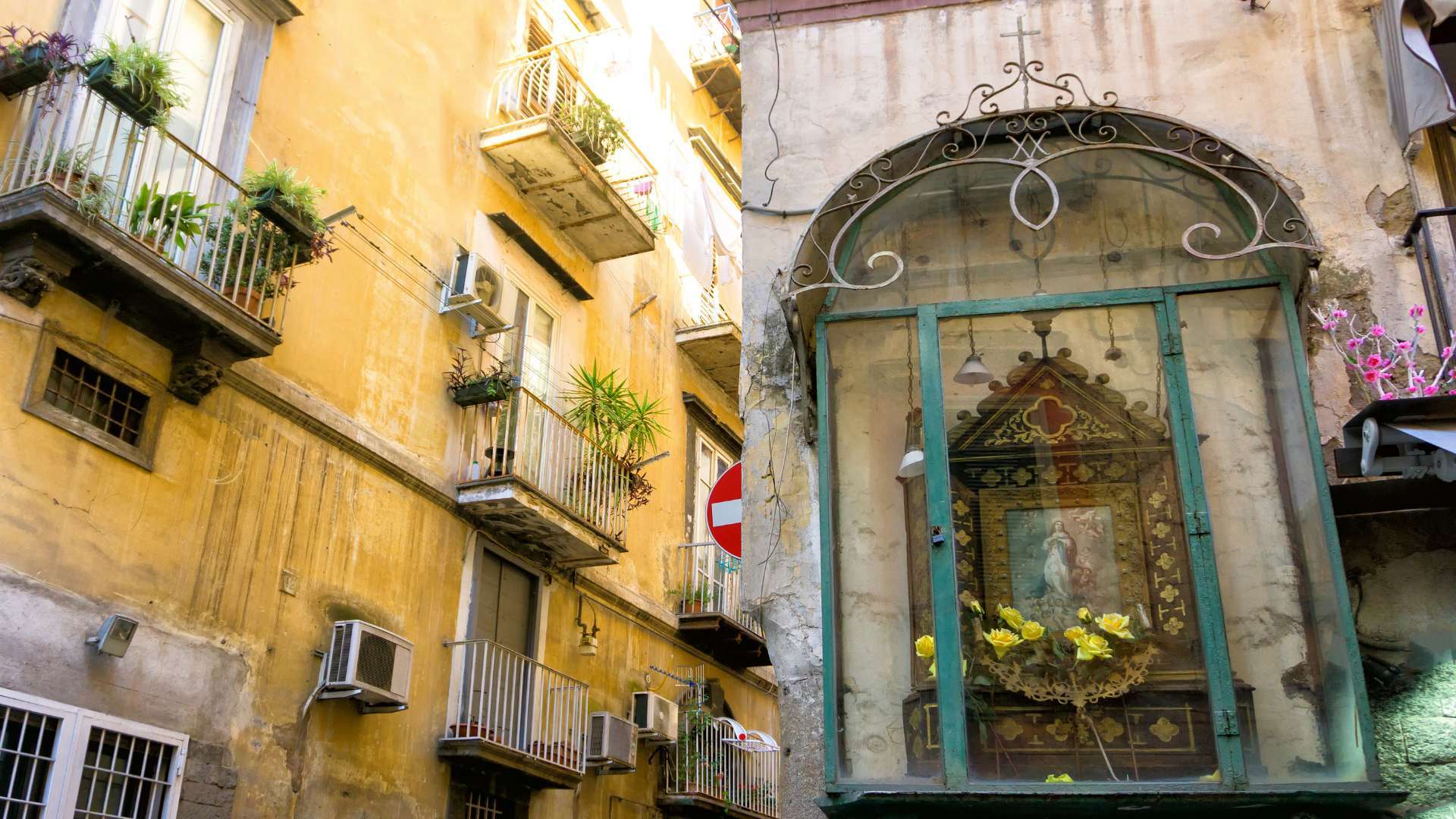
Where's the best place to eat in the Quartieri Spagnoli?
You’ll find good food on the outskirts. In the heart of the neighborhood, there are many restaurants that rely on walk-in customers; the most reliable spots are on Pignasecca and in Piazza Carità, just a few steps away. Three of them are certified by the Associazione Verace Pizza Napoletana, the association that oversees authentic Neapolitan pizza.
| Restaurant | Here's what you can expect |
|---|---|
| Pizzeria al 22 22 Via Pignasecca | Certified Neapolitan pizza right in the heart of the bustling market, just a few steps from the western edge of the neighborhood. |
| Da Attilio Pizzeria 17 Via Pignasecca | The second certified spot, diagonally across the street. Small, noisy, and packed at lunchtime—but the service is fast. |
| Mattozzi in Piazza Carità 2 Piazza Carità | One of the oldest members of the Pizza Association, certified since 1984. A restaurant and pizzeria on the north corner of Via Toledo. |
| Osteria della Mattonella 13 Via Giovanni Nicotera | It grew out of an old wine and oil shop. The menu features pasta alla Genovese, salsicce con friarielli, and polpi alla luciana. |
Make a reservation in the evening if you can: The restaurants are small, and by 8:00 p.m., half the street is lined up outside. At lunchtime, you can usually get a table almost anywhere.
Where are you staying in the Quartieri Spagnoli?
In the neighborhood itself, you'll find affordable, central, and lively places to live. Below are four houses with their own addresses in or right on the edge of the neighborhood; all are just a few minutes' walk from the Toledo Metro station, and all are accessible via the alleys, not through a driveway.
| Accommodations | Here's what you can expect |
|---|---|
| Hotel Il Convento 137/a Via Speranzella | A three-star hotel in the heart of the neighborhood, with seven standard rooms featuring a small balcony, three single rooms, and a double room with its own terrace. |
| Hotel Toledo 15 Via Montecalvario | A three-star hotel with a rooftop garden for breakfast and its own restaurant, located two streets away from Via Toledo. |
| Terrazza Partenopea 97 Via Portacarrese a Montecalvario | B&B with a panoramic terrace overlooking Castel Sant’Elmo, rooms with air conditioning and private bathrooms, about a two-minute walk to the metro. |
| Via Toledo 156, Naples: Cozy Rooms 156 Via Toledo | Guest rooms located right on the shopping street, about 100 meters from the Toledo metro station and 500 meters from the Teatro San Carlo. |
A room facing the street is cheaper and livelier; a room facing the courtyard is quieter. If you’re a light sleeper, be sure to specifically ask for a room at the back when booking.
Top accommodations in Naples, Italy
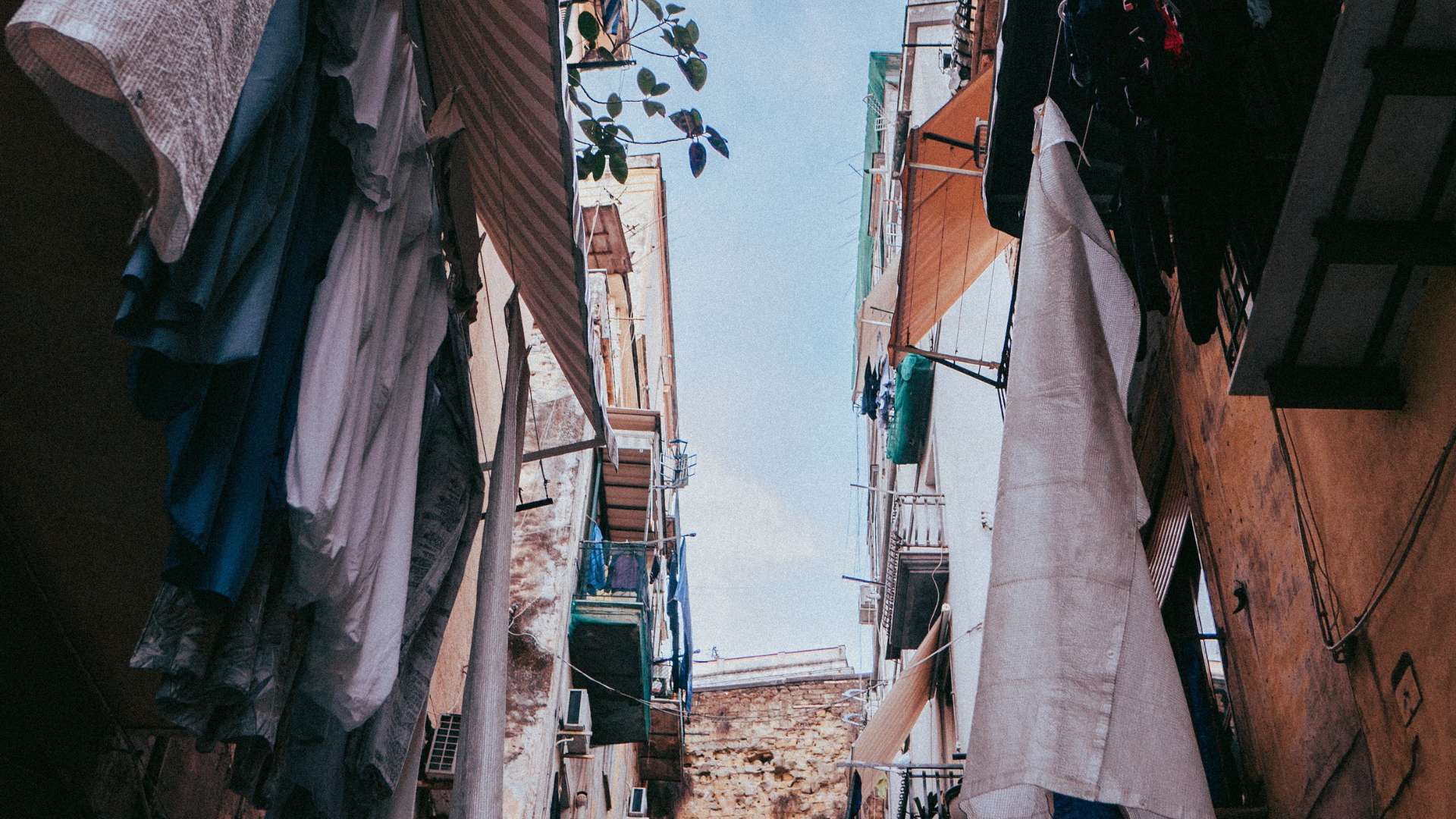
When is the best time to visit the Quartieri Spagnoli?
April through June and September through October. That’s when it’s warm enough to spend the evening outdoors and cool enough for the climb through the narrow streets. In July and August, the heat lingers between the buildings, many family-run businesses close for two to three weeks, and the Museo Nitsch remains closed throughout August.
Winter has its own appeal: During Advent, lights hang over the alleys, nativity scene workshops are at work in the Old Town next door, and rooms are usually cheaper than in the spring. Rain is part of the experience—if in doubt, it’s worth checking the Weather in Naples.
Time of day trumps time of year: Largo Maradona is at its busiest between 11 a.m. and 4 p.m.; before 9 a.m. and after 8 p.m., you’ll have the alleys almost all to yourself.
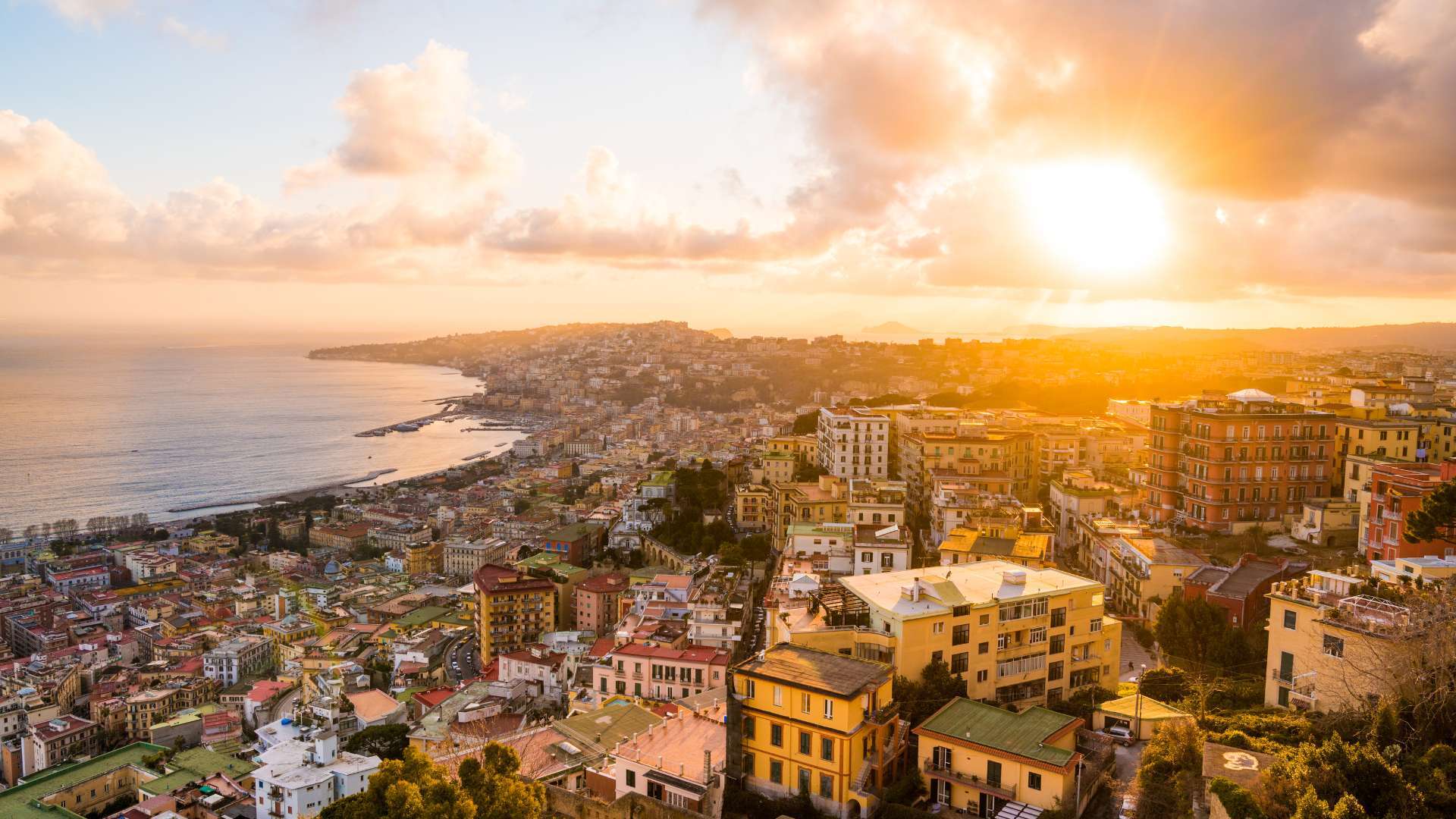
What dates should you schedule?
Naples' festival calendar runs from June through October. The city hosts a variety of processions, masses, and concerts during the Patron Saint Festivals, the patron saint festivals, which will take place for the fourth time in 2026 from June 1 to October 17—all events are free of charge.
The most important date is Saint Januarius, the feast of the city’s patron saint: On Saturday, September 19, 2026, a solemn Mass will be celebrated in the cathedral, during which the saint’s blood is said to liquefy. Anyone who is in Naples on that day should arrive early on the Naples Cathedral be. The previous summer, the Campania Theater Festival, the region's major theater festival, will take place from June 12 to July 12, 2026.
What You Should Know About the Quartieri Spagnoli
Five things you rarely see in travel brochures that will make your trip even better.
1. It is a residential neighborhood, not a setting. Behind every open door, someone lives, and in the bassi As you walk by, you’ll find yourself looking right into the living room. Ask before you take a picture—and you’ll get a “yes” more often than you think, usually along with a story.
2. Largo Maradona is crowded. At noon, tour groups, booths, and lines of people waiting to take selfies are packed tightly together. The city regularly clears the area: In October 2025, the city police impounded five beverage carts that had been parked there illegally. Come early, and you’ll have the wall and the light all to yourself.
3. The alleys are steep, and the scooters are fast. There are hardly any sidewalks—just cobblestones and steps. Sturdy shoes help, as does looking over your shoulder. If you have trouble walking, take the metro to Toledo and stay in the flat area below Via Speranzella.
4. The neighborhood is changing rapidly. According to research by Il Post, there are over 10,000 short-term rentals in Naples—800 percent more than nine years ago—90 percent of which are located in the historic center, particularly in this area. The city adopted a set of regulations in 2025 and plans to cap the proportion of tourist accommodations in the center. For you, this means: Book early, and check to see if your room is part of a home that’s actually located there.
5. You won't win anything by driving. Between the ZTL, one-way streets, and parked scooters, every meter is a challenge. Leave your car outside, buy a day pass for €4.50, and take the metro and funiculars—that way, you can get up to Vomero instead of walking all the way up the hill.

Who would enjoy the Quartieri Spagnoli?
For soccer fans. Nowhere else can you see what an athlete can mean to a city. Plan to spend an hour at Largo Maradona, and then stick around for a coffee.
For photographers. Clotheslines, backlighting, facades in every shade of yellow: The neighborhood is one big scene. The best light falls on the side streets in the early morning.
For diners. Pizza fritta, Cuoppo, the market, and the pizzeria are all within walking distance. Half a day is enough to visit three of them if you order small portions.
For those who've been to Naples before. Who Spaccanapoli And if you're familiar with the city center, here's the next step: the same city, a few meters higher up, and much less polished.
Combine the Quartieri Spagnoli with Spaccanapoli, the Vomero, and the Gulf of Naples
This neighborhood takes a morning to explore, not a whole day. The easiest way is to combine it with a visit to the Old Town: From the Toledo Metro station, it's a ten-minute walk to the Spaccanapoli, the dead-straight alley that divides the historic center.
Head up to the Vomero, to the Certosa e Museo di San Martino and Castel Sant’Elmo—from there, you’ll see the grid of the Quartieri Spagnoli from above and, beyond it, the entire Gulf of Naples. If you have more time, you can work your way through our Naples City Guide through the rest of the city.

Spaccanapoli: 7 Highlights on Naples' Most Famous Alley & Hidden Gems
Spaccanapoli divides Naples’ historic center as if with a ruler: the Veiled Christ, the Nativity Scene Alley, and street life—the 7 highlights, including prices, how to get there, and honest tips from our editorial team.
Go up at eight in the morning, not at noon
We walked through the neighborhood at different times of day, and the difference is greater than at any other sight we know. At eight in the morning, the souvenir stands are still closed, the bakeries are open, and people are sweeping and chatting in the alleys. The light then falls flat across the side streets onto the facades across the way—exactly the scene that disappears into the shadows at noon.
Here’s how to get there: Take the metro to Toledo, then don’t turn right immediately toward Largo Maradona—instead, walk along Via Speranzella and follow the winding path uphill. You’ll hardly see anyone with a camera along the way; you’ll reach the mural if there’s still space there, and you’ll be back down at Pignasecca in time for breakfast.
Our take: a neighborhood you have to walk to explore
The Quartieri Spagnoli aren’t just a place to check off your list. They’re a residential neighborhood with five hundred years of history, where—ever since the Maradona boom—a lot has been happening all at once: pilgrimages, street food, short-term rentals, and urban planning. If you can handle it, you’ll discover the most authentic Naples, just a ten-minute walk from the Royal Palace.
Sightseeing hardly gets any cheaper than this. The walking tour is free, a day pass for the metro and bus costs €4.50, and even with the Museo Nitsch, the Caravaggio, and a pizza, you’ll still come in under thirty euros per person. It only gets expensive if you come in the middle of summer without a reservation.
The next step: Take Line 1 to Toledo, head there before 9:00 a.m., and plan to spend the afternoon in the Old Town. You can find out what you shouldn't miss there in our overview of the Sights in Naples.
Photo Gallery: Quartieri Spagnoli


Map: Quartieri Spagnoli, Naples
Activities in Campania
FAQ - Frequently Asked Questions About the Quartieri Spagnoli
Experiences & sights
Prices, hours of operation, and schedules are subject to change—check the official websites for the latest information before you travel.
Sources and Further Information
- City of Naples — Largo Maradona, Project Approval (accessed in September 2026)
- City of Naples — Tarsia, Pignasecca, and Dante Restricted Traffic Zones (ZTL) (accessed in September 2026)
- ANM — Tickets and Passes (accessed in September 2026)
- Hermann Nitsch Museum — Visit (accessed in September 2026)
- Galleria d'Italia Napoli — Location and Collections (accessed in September 2026)
- Ministry of Culture — Certosa and Museum of San Martino (accessed in September 2026)