Hidden in the heart of southern Italy, Maratea rightly bears the nickname „Pearl of the Tyrrhenian coast“. As the only place in the Basilicata region that nestles against this glittering sea, the town offers a spectacle that is often compared to the more famous Amalfi Coast - but with a much more unspoiled, authentic soul. Here, dramatic cliffs covered in dense Mediterranean scrub plunge steeply into the cobalt blue water. This breathtaking coastal landscape stretches for 30 kilometers and is dotted with countless hidden coves, sea caves and the characteristic dark volcanic beaches that form a fascinating contrast to the crystal-clear sea.
But Maratea is much more than just a postcard coastline. The medieval old town (Centro Storico) towers high above the sea, a labyrinth of winding alleyways, quiet piazzas and an astonishing number of historic churches - it is not for nothing that Maratea is known as the „town of 44 churches“. Watching over all this, on the dizzying summit of Monte San Biagio, is the majestic, 21-metre-high statue of Cristo Redentore (Christ the Redeemer), which spreads its arms in blessing over the entire region. This blog article is your invitation to delve deep into the rich history, impressive architecture and incomparable nature of this enchanting town and discover why Maratea is one of Italy's best-kept secrets.

Geographical location, beaches and nature
Maratea is located on the western coast of Basilicata and stretches across an impressive landscape of mountains, forests and picturesque bays along the Tyrrhenian Sea. The town is known for its 30 kilometers of coastline with over 20 beaches, from fine sand to rocky coves with crystal clear waters.
Another natural highlight is Monte San Biagio, a 623-metre-high mountain on whose summit is the symbol of Maratea: the impressive statue of Christ (Cristo Redentore di Maratea). The landscape around Maratea is characterized by lush Mediterranean vegetation, caves and spectacular cliffs that offer breathtaking views of the sea.
Particularly noteworthy is the Spiaggia Nera di Maratea, a unique black sand beach that gets its characteristic color from volcanic rock. This beach offers a spectacular backdrop, surrounded by green rocks and crystal-clear water. Due to its special composition, the sand heats up quickly, making it a fascinating place for sun worshippers. At the same time, the clear, turquoise water is perfect for a refreshing swim or snorkeling excursions to explore the diverse underwater world.


The Spiaggia Illicini is one of the most enchanting and unspoiled bays in Maratea, located in a protected natural area. It is located south of the main town, nestled in a breathtaking landscape of dense forests, rocks and crystal-clear water. The beach owes its name to the „Illicini“, a regional term for holm oaks, which surround this stretch of coast and give it a particularly wild and natural atmosphere.
The beach consists of small, dark pebbles and is framed by several rocky coves, making it the perfect place for nature lovers and those seeking peace and quiet. The water here is particularly clean and boasts a palette of colors ranging from deep blue to emerald green. Thanks to its sheltered location and rich marine life, Spiaggia Illicini is an excellent spot for snorkeling and diving. In the surrounding underwater caves and between the rocks, visitors can discover a fascinating variety of marine life.
Spiaggia Illicini is part of the Parco Naturale di Illicini, a small nature reserve that is ideal for walks and easy hikes. The lush Mediterranean vegetation that surrounds the bay creates a pleasant, shady atmosphere, making the beach an ideal place for a relaxing day out.
Compared to other beaches in Maratea, Spiaggia Illicini is less crowded, which makes it a real insider tip. However, visitors should note that there are no major tourist facilities here - the focus is on unspoiled nature. If you want to visit this hidden stretch of coast, you should therefore bring your own food and be prepared for an authentic nature experience.

A heritage of stone and faith: history and culture
Maratea's history is as dramatic and complex as its steep cliffs. Traces of human settlement date back to ancient times, when this stretch of coast was part of the Magna Graecia (Greater Greece). Later, the Romans recognized the strategic importance of the bay and turned the region into an important trading location, particularly known for the production of Garum, a precious and coveted fish sauce that was traded throughout the Roman Empire.
However, the real character of Maratea was formed in the Middle Ages, a time characterized by great insecurity. The constant threat of Saracen pirates raiding from the sea forced the population to make a vital decision: they left their unprotected settlements on the coast. High up on the slopes of Monte San Biagio, hidden from the eyes of the pirates, they founded the fortified heart of the city. Over the centuries, this upper center developed into an important religious center, earning Maratea the famous nickname „City of 44 Churches“. This astonishing density of places of worship testifies to the city's deep piety and historical importance as a spiritual refuge.
The real jewel is the old town, the Centro Storico, often called „Maratea Superiore“ to distinguish it from the lower-lying harbor (Porto). A walk here is like a journey through time. You are immersed in a labyrinth of cobbled alleyways, pass through ancient archways and suddenly find yourself in charming little squares (piazzette) that invite you to linger. The facades of historic palazzi and the entrances to countless chapels can be seen everywhere.
While the Chiesa Madre (Santa Maria Maggiore) dominates the center of the old town, the spiritual anchor point is even higher up: the Basilica di San Biagio. It is enthroned on the top of the hill, directly beneath the feet of the statue of Christ, and is dedicated to the patron saint of the city. It is the focal point of the famous Festa di San Biagio, which takes place every year in May. During this deeply moving festival, the silver statue of the saint is carried in a solemn procession from the basilica on the summit down to the old town, where it remains for a week before returning to the mountain in an equally impressive ceremony.

Cristo Redentore di Maratea
The Cristo Redentore di Maratea is one of the most famous landmarks in southern Italy and one of the most imposing statues of Christ in Europe. It sits majestically on the summit of Monte San Biagio, 623 meters above sea level, and offers a spectacular view of the Tyrrhenian coast and Maratea below.
The imposing statue was created between 1963 and 1965 by the Italian sculptor Bruno Innocenti from Carrara marble and measures a proud 21 meters in height with an arm span of 19 meters. Its unique design is particularly fascinating and differs significantly from the world-famous statue of Christ in Rio de Janeiro: While other Christ figures are usually depicted with their arms raised forwards, the arms of the Maratea statue are slightly bent backwards, giving it a dynamic, almost floating appearance.
The location of the statue is of historical and religious significance, as it is also the site of the Chiesa di San Biagio, a medieval church dedicated to the town's patron saint. The ascent to the Cristo Redentore can be made by car or via picturesque hiking trails - no matter how you reach the summit, the panoramic view of the azure blue sea, the green hills and the coastal landscape is breathtaking and makes the visit an unforgettable experience.


The most important sights in Maratea
In addition to the old town and the statue of Christ, there are numerous other sights in Maratea:
Read more about theTopic



- The Grotta delle MeraviglieThis impressive stalactite cave, also known as the „Cave of Wonders“, is a natural geological wonder. It fascinates visitors with its bizarre stalactites and stalagmites, which have been formed over thousands of years by calcareous water. A guided tour through the cave provides exciting insights into the history of its formation and the rare rock formations found there.
- The Grotta della SciabellaOne of the most mysterious caves in Maratea, shrouded in numerous legends. Its name derives from a tragic love story that, according to legend, took place here. The cave captivates visitors with its impressive rock formations and mystical atmosphere, making it a popular destination for adventure seekers and nature lovers.
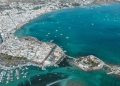
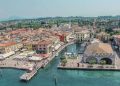
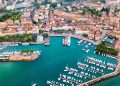
- The port of MarateaThe charming harbour is the vibrant center of maritime life in Maratea. With its elegant yachts, colorful fishing boats and a variety of restaurants and cafés, it invites you to stroll and linger. A magical atmosphere is created here, especially in the evening, when the lights reflect on the water and the sea breeze creates a unique ambience.


- Castello di MarateaThe ruins of this medieval fortress are located on a hill above the town and offer an incomparable view of the azure blue sea and the surrounding landscape. The castle was built in the 9th century and once served as a defense against pirate attacks. Today, only parts of the walls remain, but the historical significance and breathtaking panoramic views make this place a popular destination for history buffs and photographers.
- The churches of MarateaMaratea is also known as the „city of 44 churches“. These religious buildings bear witness to the city's deep spiritual and cultural history. Particularly noteworthy are the Chiesa dell'Annunziata with its striking bell tower and the Chiesa di Santa Maria Maggiore, which is decorated with impressive frescoes and valuable works of art. Each of these churches tells its own story and makes a walk through the city a true journey through time.

Activities and excursions
Maratea offers numerous opportunities for outdoor activities and is a paradise for nature lovers and adventurers alike. Thanks to its varied landscape with mountains, coasts and the clear Tyrrhenian Sea, there are many opportunities for visitors to engage in sporting activities or enjoy nature.
- HikingThe region around Maratea is ideal for hiking enthusiasts. There are numerous hiking trails that offer breathtaking views. Particularly popular is the ascent to Monte San Biagio, which is not only a physical challenge but also rewards you with an impressive panoramic view of the coast and the surrounding hills. In addition to this well-known trail, there are many other routes that lead through dense forests, over picturesque ridges and along steep cliffs.
- Diving and snorkelingThe crystal-clear waters around Maratea are a dream for divers and snorkelers. The underwater world is characterized by a rich variety of species, colourful corals, mysterious caves and impressive rock formations. The coast around the Maratea caves in particular offers excellent conditions for underwater exploration. There are also diving schools near the harbor that offer guided tours and courses for beginners and advanced divers.

- Boat tripsOne of the best ways to explore Maratea and its coastal landscape is on a boat tour. There are numerous hidden bays along the coast that are only accessible from the water. Visitors can hire small boats or yachts and embark on an unforgettable exploration tour. You can discover untouched beaches, mysterious grottos and impressive rock formations. The sunset tours along the coast are a particularly romantic experience.
- Kayaking and stand-up paddling (SUP)If you want to get active, you can explore the bays and coasts of Maratea by kayak or stand-up paddleboard. The calm morning hours are ideal for a relaxed tour along the picturesque rocky coast, while experienced kayakers can venture into the more challenging sections with rocky passages.
- Visits to neighboring regions: Maratea is strategically located for day trips in the surrounding area. A short distance away is the charming little town of Sapri in Campania, which boasts beautiful beaches and a relaxed atmosphere. For nature lovers, a visit to Pollino National Park is highly recommended, where you can discover an impressive mountain landscape and a diverse array of wildlife on long hikes. In addition, there are numerous historic villages in the area that, with their narrow streets and traditional stone houses, offer an authentic glimpse into life in southern Italy. For a longer excursion to the northern part of the region, it’s worth visiting the Melfi Castle, a Norman castle overlooking the old town at the foot of Mount Vulture.
Whether relaxation or adventure - Maratea offers an impressive variety of activities for every taste and provides unforgettable experiences with its unspoiled nature.

Culinary delights in Maratea - a feast for the senses
The cuisine of Maratea is a reflection of the authentic, down-to-earth yet refined gastronomy of the Basilicata region. It combines traditional Lucanian specialties with the rich treasures of the sea, which come directly from the clear waters of the Tyrrhenian Sea. Here, the rustic flavors of the mountains meet the fresh, Mediterranean notes of the coast, resulting in a culinary diversity that will delight both lovers of hearty country cuisine and fans of fresh seafood.
Typical specialties and ingredients
Marateot cuisine is based on fresh, seasonal ingredients that are often sourced locally. These include
- Freshly caught fish and seafoodParticularly popular are swordfish (pesce spada), squid (calamari), red prawns from Maratea and mussels, which are usually grilled or served with homemade pasta.
- High-quality olive oilThe region produces excellent extra virgin olive oil, which is used in almost all dishes.
- Bread and pastaAs in the whole of Basilicata, handmade pasta varieties such as „strascinati“ or „orecchiette“ play a major role. They are often served with a sauce made from fresh tomatoes, garlic and aromatic herbs.
- Lucanian sausagesThe „Salsiccia Lucana“, a spicy pork sausage flavored with fennel and peperoncino, is particularly famous.
- Pepperoni cruschiA real delicacy from Basilicata are the dried and deep-fried red peppers, which are served as a crispy side dish with meat or fish dishes.
Typical dishes from Maratea
- Lagane e Ceci - A traditional pasta with chickpeas, olive oil and garlic, which has its origins in the rural cuisine of the region.
- Zuppa di Pesce alla Marateota - A hearty fish soup with various seafood, tomatoes, herbs and white wine, which is served especially in the fish restaurants along the coast.
- Polpo alla Luciana - Squid, slowly braised in a spicy tomato sauce with capers and olives, a classic of the coastal region.
- Baccalà alla Marateota - Dried cod prepared with potatoes, tomatoes and olives, a traditional dish with deep roots in the region.
Sweet temptations and wine from Basilicata
Lovers of desserts will also get their money's worth in Maratea. Particularly popular are:
- „Torta di Ricotta“ - A creamy ricotta tart refined with honey and citrus fruits.
- „Calzoncelli“ - Deep-fried dumplings filled with chestnut puree, cocoa and cinnamon, a traditional dessert of Basilicata.
- „Bocconotti“ - Small shortcrust pastry cakes filled with chocolate, almonds and jam.
A glass of Aglianico del Vulture, a strong red wine from Basilicata, goes perfectly with the spicy meat dishes and hearty pasta varieties.
Culinary experiences in Maratea
A visit to Maratea is not just a journey for the eyes, but also for the palate. In addition to the excellent restaurants, which offer both simple and sophisticated cuisine, there are numerous markets and small food stores where visitors can sample regional specialties and take them home as souvenirs. If you want to experience the real, genuine Italy, you should also visit one of the traditional trattorias or osterias, where food is cooked according to old family recipes.
In Maratea, food is much more than just nourishment - it is an expression of culture, tradition and hospitality. Every bite tells a story, every taste evokes memories and every dish is an invitation to experience Basilicata in its purest form.

Conclusion: Maratea - a jewel waiting to be discovered
Maratea is far more than just a stopover; it is a destination that touches the soul and proves that there are still undiscovered gems in Italy. The town uniquely combines a dramatic, almost wild coastal landscape with a deep, spiritual tranquillity. From the majestic view of the Cristo Redentore, silently towering over the Gulf of Policastro, to the labyrinth of the old town, where around every corner one of the 44 churches tells of a rich, centuries-old history, Maratea offers a rare density of impressions.
Unlike many overcrowded Italian dream destinations, Maratea has retained a refreshing authenticity. It is a place to be discovered - be it climbing the steep steps to the summit of Monte San Biagio, searching for the perfect hidden cove with its characteristic dark sand or enjoying an aperitivo in the tranquillity of an almost forgotten piazza in the Centro Storico.
Our conclusion is therefore clear: Maratea is an absolute must for travelers looking for the real, unadulterated south of Italy. It is a place for connoisseurs, for explorers and for all those who understand that true beauty often lies in silence. Those who visit the „Pearl of the Tyrrhenian Coast“ not only take home photos of breathtaking scenery, but also the feeling that they have found one of Basilicata's best-kept treasures.


Map: Maratea, Basilicata
FAQ - Maratea, Basilicata
What are the absolute must-sees in Maratea that you shouldn't miss?
The undisputed landmark of Maratea is the impressive 21-metre-high statue of Christ, the Cristo Redentore, which sits enthroned on the summit of Monte San Biagio and is reminiscent of Rio de Janeiro. The panoramic view from up there over the coast is breathtaking and a visit to the Basilica di San Biagio below is also worthwhile. You should definitely also explore the charming old town (Centro Storico), a labyrinth of narrow alleyways, small squares and countless churches - Maratea is not called the "city of 44 churches" for nothing. The picturesque harbor (Porto di Maratea) with its elegant yachts and excellent fish restaurants is also well worth a visit.
What are the beaches in Maratea like and which is the most beautiful?
The coastline of Maratea is dramatic and rocky, which is why you won't find miles of sandy beaches here, but a multitude of small, intimate coves (cale). Many of these beaches consist of gravel or dark volcanic sand, such as the famous "Black Beach" (Spiaggia Nera) at Cala Jannara, which forms a fascinating contrast to the turquoise waters. Fiumicello is one of the better known and more accessible beaches, ideal for families. For adventurers, it is often worth descending to more hidden bays such as Cala Trecoste, which can often only be reached via steep paths or by boat, but reward you with incredible peace and clarity.
When is the best time to go on vacation to Maratea?
The ideal time to visit Maratea is the low season, especially the months of May, June and September. During this time, the temperatures are already pleasantly warm and perfect for swimming, hiking and exploring the old town, but you can avoid the crowds. In high summer, especially in July and August during "Ferragosto", it gets extremely crowded, as Maratea is a popular destination for Italian vacationers. Prices then rise sharply and the beaches are overcrowded. Spring and early fall offer the best balance of good weather and a relaxed atmosphere.
What is the best way to get to Maratea and do I need a car on site?
Maratea is somewhat remote, which is part of its charm, but getting there requires some planning. The nearest airports are Naples (NAP) and Lamezia Terme (SUF), both about two and a half hours away by car. Maratea does have a train station, which is served by intercity trains, but a rental car is almost essential. The various districts (frazioni) such as the old town, the harbor and the beaches are scattered over the steep slopes. Without your own vehicle, you are severely restricted, as public bus connections are limited and it is otherwise almost impossible to explore the many hidden bays and mountain villages.

Video: Maratea, Basilicata
Experiences & sights
Note: Disclaimer - Italien.news is not the owner or organizer of the sights, accommodations and events published here and therefore not responsible for program changes, cancellation of the event and possibly incorrect information. The editorial team of Italien.news always endeavors to provide detailed and accurate information. However, it is possible that events, attractions, etc. may be changed and not updated promptly. Exact details of dates, times and programs can be obtained directly from the owner of the attractions and accommodation.
Please also check the website or social media of the attractions and events for updates before you travel! Our blog articles contain our personal recommendations in the form of affiliate links. If you book or buy something via the links or simply click on them, we receive a small commission. This does not change the price for you at all. Content and texts © Italien.new & KI / Photos © Canva.com / shutterstock.com / Unsplash.com / Pixabay.com / Pexels.com / Others. Please also visit our Italy Shop!