
Foggia: discover the authentic heart of Puglia
Welcome to Foggia, a city that forms the vibrant center of the northern Apulian lowlands and is often unjustly overshadowed by the coastal tourist centers. In the heart of the so-called Tavoliere delle Puglie, the breadbasket of Italy, a destination that impresses above all with its honesty and deep roots in history awaits you. While other cities focus on polished limestone, Foggia has a strong character with magnificent neoclassical buildings such as the famous Teatro Umberto Giordano. A stroll through the winding alleyways takes you straight into the lively hustle and bustle of the locals, where you can enjoy the Authentic Puglia without the usual tourist crowds. The town also serves as the perfect starting point for exploring the untouched nature of the surrounding area. From here, you can quickly reach the mystical forests and steep cliffs in the Gargano National Park or the gentle, green hills of the Monti Dauni, which, with their medieval mountain villages, offer a charming contrast to the bustling city life.
In addition to its architectural treasures and strategic location, it is above all the culinary soul of the region that makes a visit to Foggia unforgettable. The local cuisine celebrates the produce of the fertile surrounding countryside and transforms simple ingredients into refined dishes. local specialties, that you have to try in the quaint trattorias in the old town. From handmade orecchiette to the intense aromas of the local olive oil, the city offers a variety of flavors that connoisseurs around the world appreciate. The warm Apulian hospitality ensures that you don't feel like a stranger, but like a guest at a friend's house, while you enjoy a regional wine in the lively squares. In this article, you can find out our five exclusive culinary insider tips, that will enrich your trip, and we will provide you with practical tips for your planning. Let yourself be carried away by the special atmosphere and discover why the versatile Destination Foggia is much more than just a transportation hub in the south of Italy.
Historical roots and the turbulent history of Foggia
Although the region was already inhabited in the Neolithic period and the ancient city of Arpi was enthroned nearby as a glorious forerunner, the real rise of Foggia only began in the Middle Ages. The town developed from a marshy plain after, according to legend, a sacred image was found there in three flames, and rose to prominence under the Hohenstaufen Emperor Frederick II. to true splendor. He loved this region so much that he declared Foggia his residence and the „seat of the empire“, which definitively established the city as the administrative and cultural center in the Tavoliere delle Puglie was established. This era also consolidated the city's reputation as the undisputed The granary of Italy, as the vast plain still forms the basis for the agricultural power of northern Apulia.
Today, the city's architecture tells an impressive story of resilience and constant change. Foggia has had to reinvent itself several times, especially after the devastating Earthquake of 1731, which destroyed large parts of the medieval building fabric and paved the way for the elegant baroque and neoclassical façades visible today. A particular jewel of this era is the Cathedral of Santa Maria Icona Vetere, in which the mysterious Madonna dei Sette Veli (Madonna of the Seven Veils) - a symbol of the deep faith of the Foggiani. Despite the massive destruction in the Second World War, When the city was one of the most bombed targets in Italy due to its strategic railroad stations, it retained its pride. Today, Foggia invites you to unravel these layers of time, ranging from imperial splendor to the tireless will to rebuild a very special region.
Fact check: Foggia
- Region: Apulia
- Province: Foggia
- Population: approx. 151,000
- Area: 509 km²
- Height: 76 m
- Languages: Italian, Apulian
- Telephone area code: +39 0881
- Zip code: 71100
- License plate number: FG
- Important events: Festa Patronale Madonna dei Sette Veli, Foggia Musica Festival
- Important sights: Cathedral of Santa Maria Icona Vetere, Piazza Cavour, Parco Urbano Karol Wojtyla, Museum of Contemporary Art
- Climate: Mediterranean climate, hot summers, mild winters
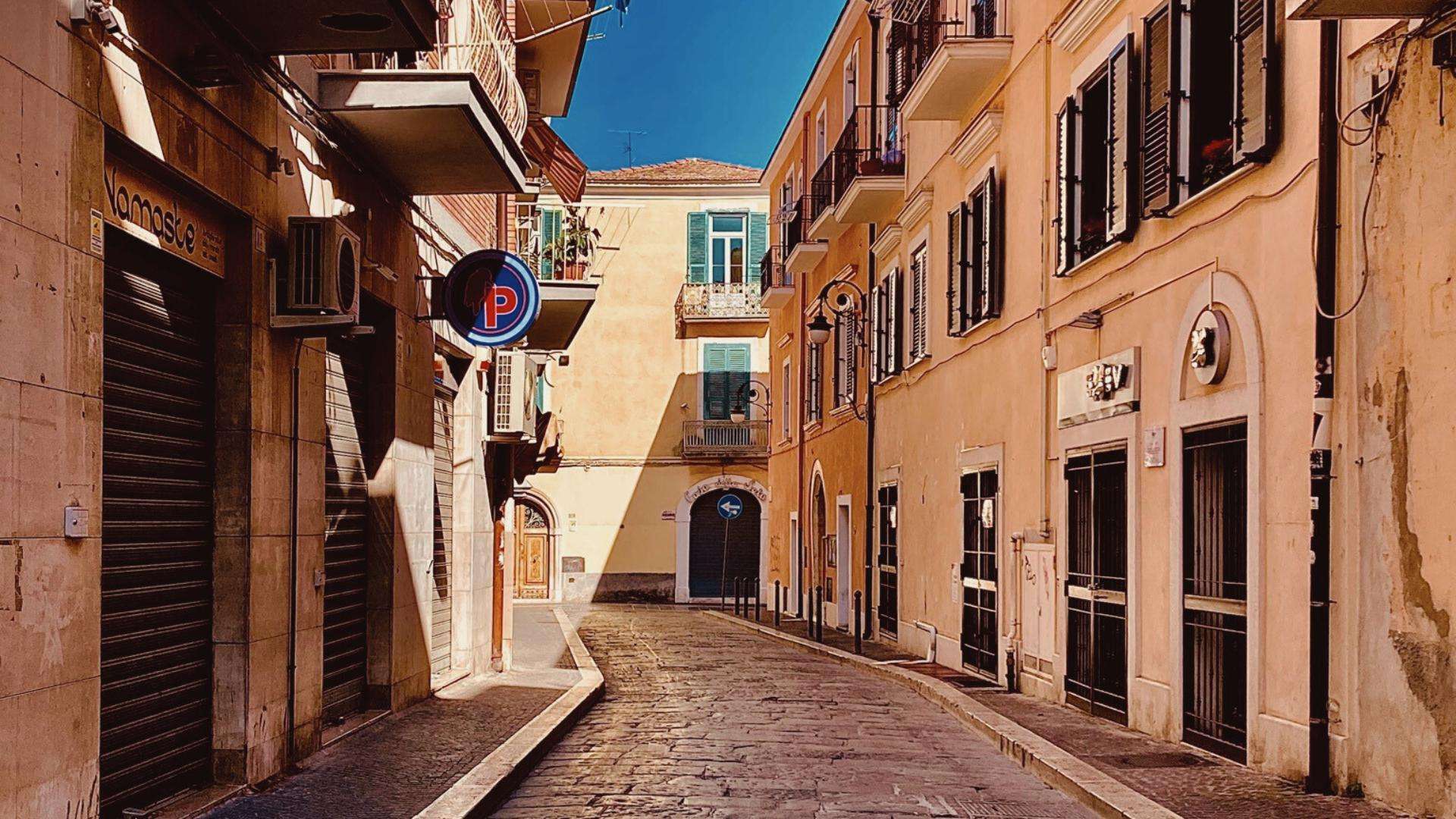
Foggia in the heart of Apulia - a city portrait
As the proud capital of the province of the same name, Foggia occupies a special position among the Apulian metropolises. With around 150,000 inhabitants, it is not a sleepy nest, but the pulsating power center in the North Apulia, which strikes a fascinating balance between urban dynamism and deep-rooted serenity. If you stroll through the streets, you will quickly realize that the city has a turbulent soul: severe earthquakes and the destruction of the Second World War have left their mark on the cityscape, but Foggia has reinvented itself with impressive resilience. A charming mix of narrow alleyways and spacious squares awaits you in the old town, which have not been polished for photo opportunities, but rather to reflect the Authentic Apulian everyday culture in its most honest form. It is precisely this authenticity that makes Foggia so appealing - you are not just one of many tourists here, but a guest in a living organism.
Geographically and economically, the city is enthroned in the middle of the Tavoliere delle Puglie, the second largest plain in Italy, which earned it the nickname „Città del Grano“ (City of Wheat). This agricultural supremacy is not a relic of the past, but still shapes the culinary identity of the region today with first-class olive oil and strong wines. Social life reaches its climax on the majestic Piazza Cavour, whose striking fountain and surrounding cafés form the heart of the city. This is where people meet for the classic stroll, observes the hustle and bustle and senses that Foggia is a real Insider tip in southern Italy is. It is the ideal place for travelers who want to breathe in culture and history without having to push their way through the crowds and instead seek the real, unvarnished Italy.
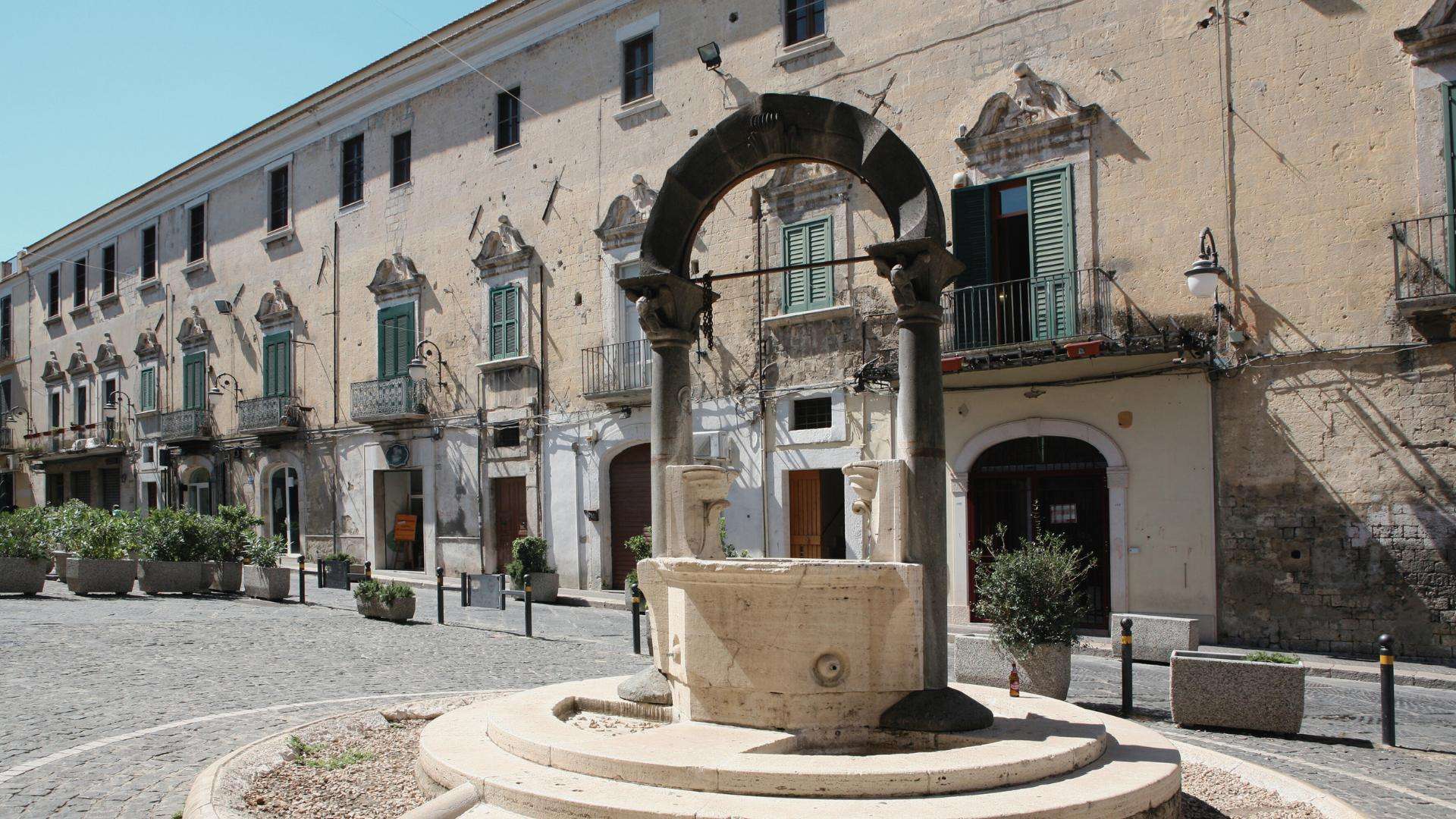
Foggia's top sights: Between baroque and dolce vita
Anyone strolling through the streets of Foggia soon realizes that the beauty of the city only reveals itself at second glance - but then with a force that is often underestimated in the often underrated North Apulia would hardly have expected. The city is not a classic open-air museum, but a living organism in which the magnificent Piazza Cavour acts as a meeting place for generations. It is a fascinating interplay of monumental architecture and the relaxed rhythm of the south that makes this place so unmistakable. While the wide boulevards exude an almost metropolitan elegance, here the stone witnesses of the past merge with the richly detailed architecture. apulian baroque architecture, to show you the most important Places of interest in Foggia in a completely new light.
A walk through the historic center is like a journey of discovery through different eras, where every corner tells a new story about imperial residences and the pride of the local peasantry. It is this special feeling of Italian dolce vita, but here it is far more down-to-earth, honest and cordial than in the overcrowded tourist centers further south. In the middle of Heart of the Tavoliere the city invites you to pause, look up at the ornate balconies and delve deep into the multi-layered City history to immerse yourself. Foggia is a real Insider tip in Italy, waiting for you to explore beyond the known paths - and these five places mark the perfect start to your journey.
The Cathedral of Santa Maria Icona Vetere
An absolute must for anyone interested in culture is the Cathedral of Foggia, which had its beginnings in the 12th century. After the devastating earthquake of 1731, it was masterfully restored, which is why today you can enjoy a fascinating architectural symbiosis of the original Apulian Romanesque and magnificent baroque elements. The interior, where the sacred image of the „Madonna of the Seven Veils“ is kept, is particularly worth seeing. This spiritual site forms the religious foundation of the city and radiates a sublime calm that forms a stark contrast to the hustle and bustle of the surrounding alleyways.
Piazza Cavour and the Fontana del Sele
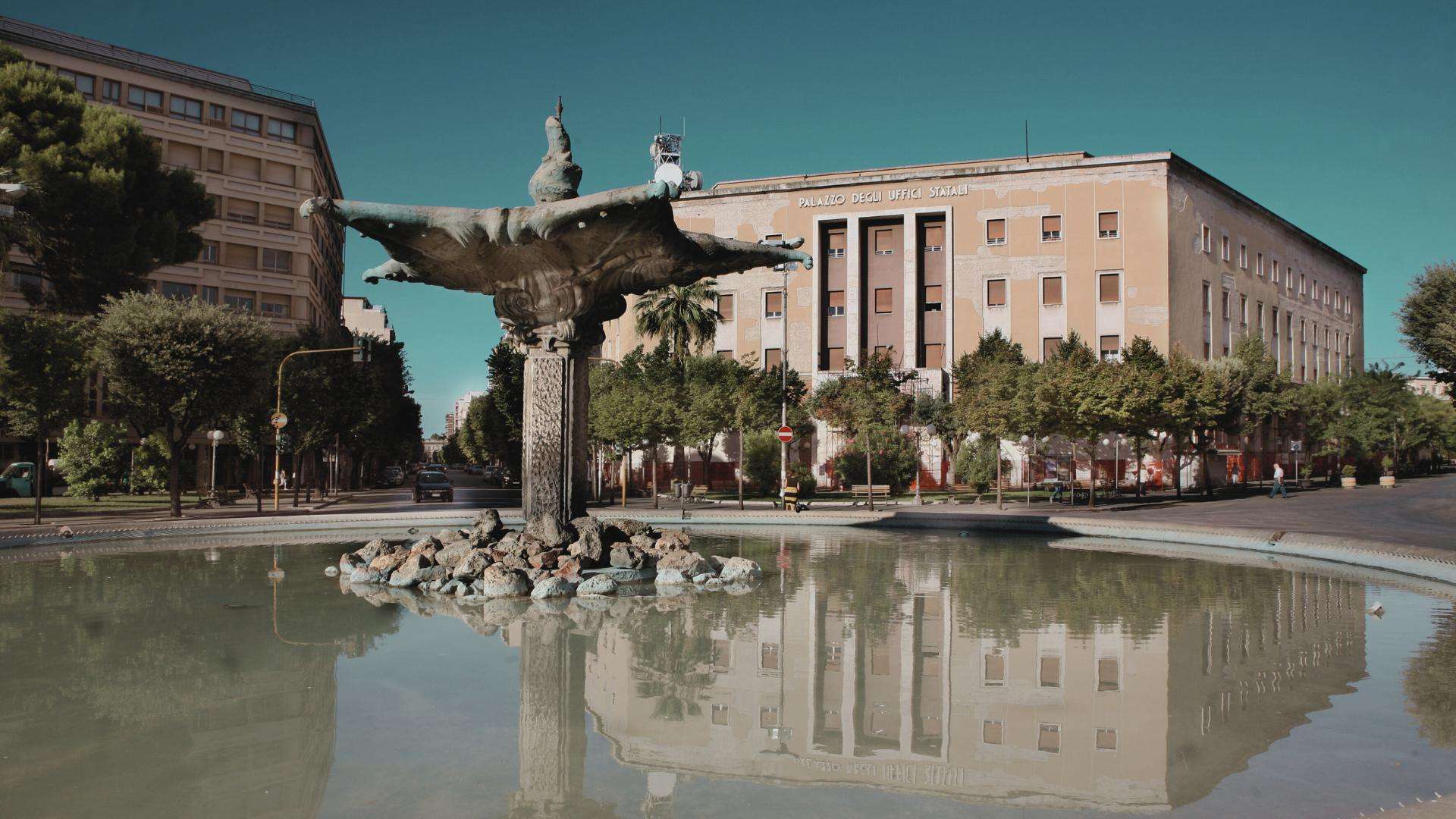
If you want to feel the pulsating heart of the city, there is no way around the majestic Piazza Cavour past. This central square is the meeting place par excellence for the locals and impresses with its striking, star-shaped layout, from which the main boulevards branch off. The famous Fontana del Sele, a fountain that was inaugurated in 1924 to celebrate the arrival of drinking water - a milestone for the arid plain of the Tavoliere. Here you can sit down in one of the cafés, enjoy an espresso and watch Italian life unfold before you in all its light-heartedness.
The green lung: Villa Comunale (Parco Karol Wojtyla)
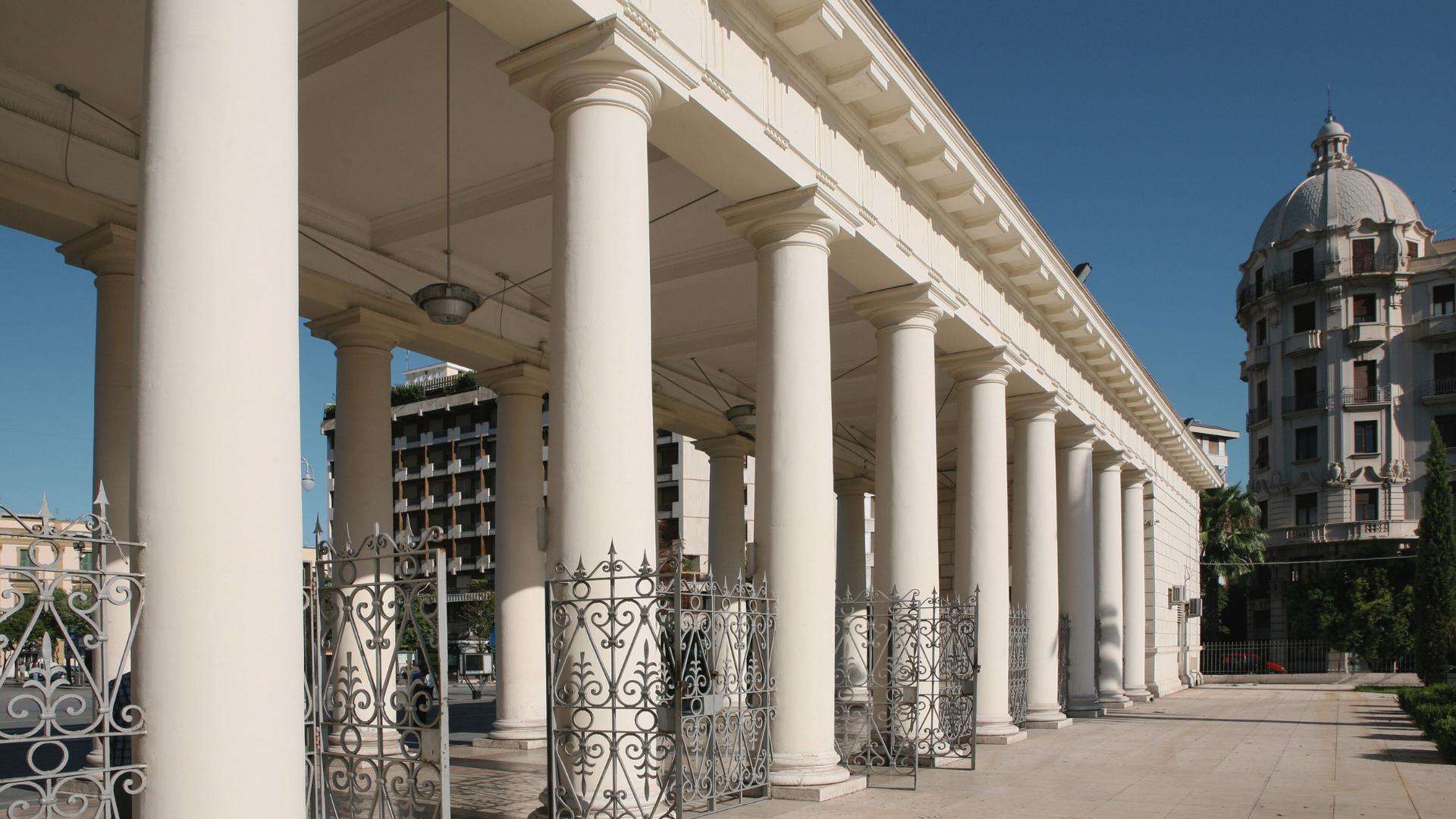
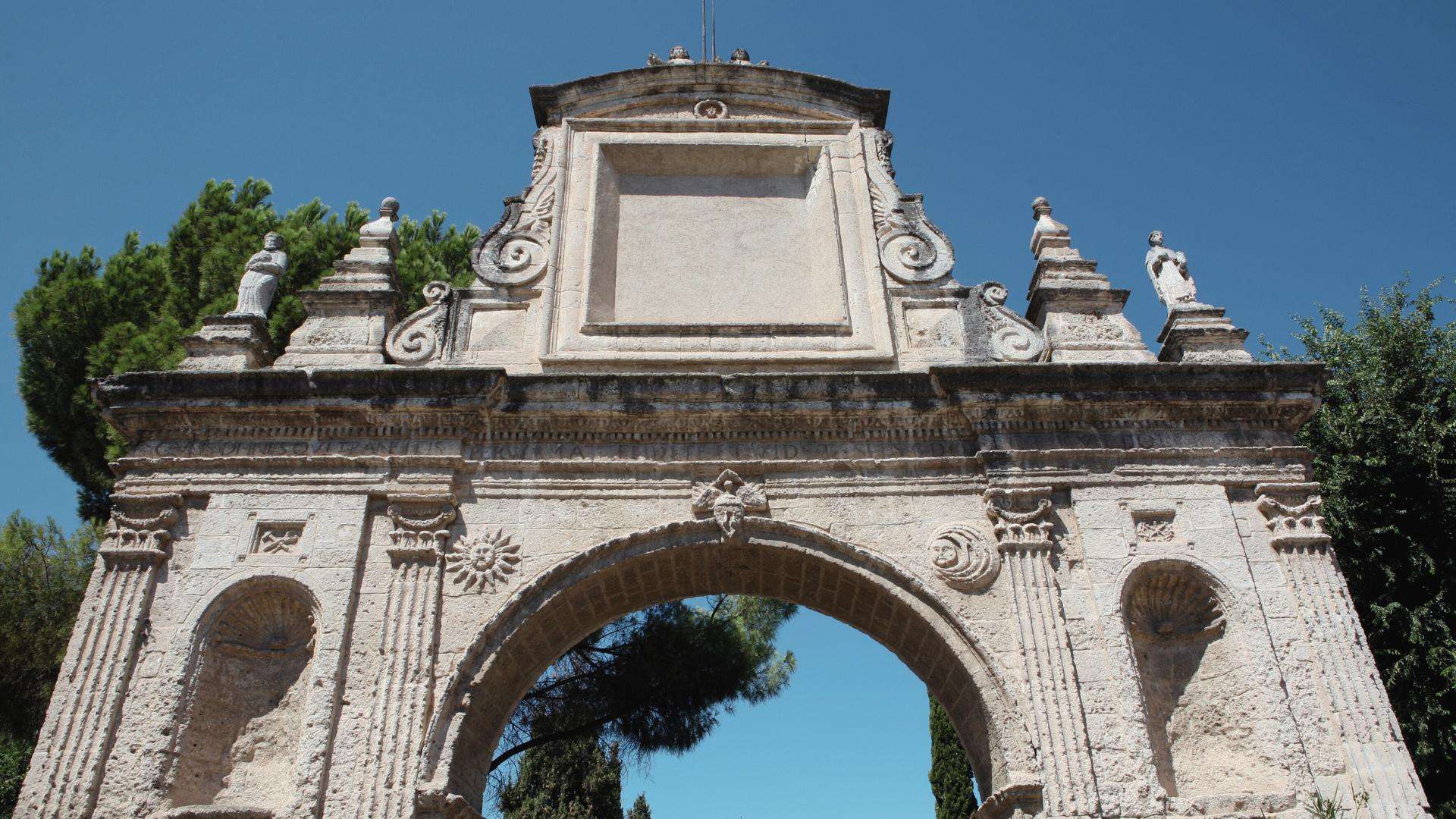
Directly at Piazza Cavour begins the Villa Comunale, as the Karol Wojtyla city park is affectionately known by the locals. With its imposing portico at the entrance, this is one of the largest and most beautiful city parks in the whole of southern Italy. It is much more than just a place for a stroll; the park is a botanical oasis, where you can take a deep breath between ancient statues, shady avenues and babbling fountains. Whether for a picnic or a short break from sightseeing - the extensive grounds offer you the necessary relaxation in the greenery that you often look for in vain in a big Italian city.
Palazzo Dogana: the legacy of sheep farming
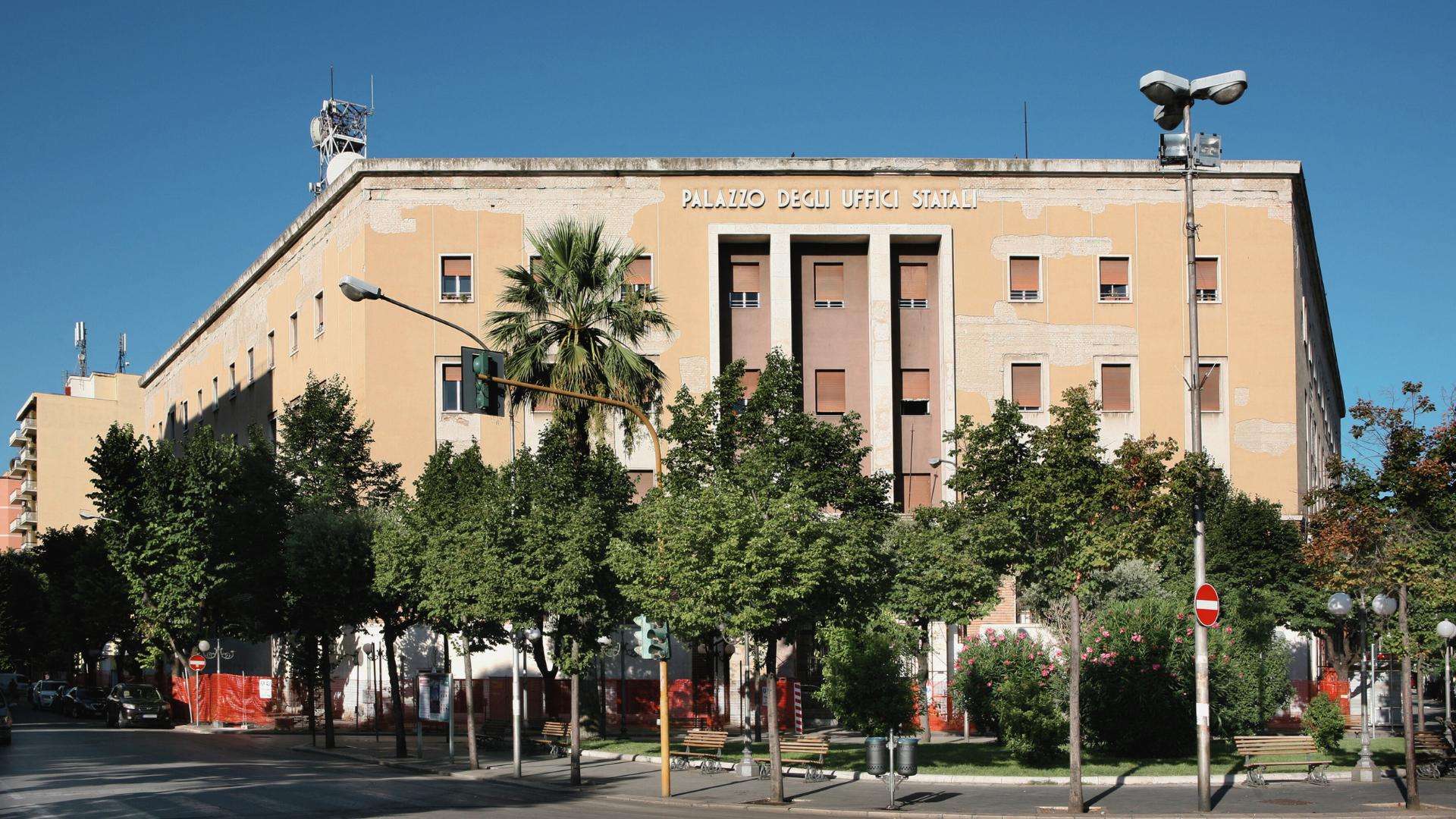
A historical jewel that is often underestimated is the Palazzo Dogana, a building of immense regional importance. Originally, this building was the seat of the „Dogana delle Pecore“, the customs office for sheep drives, which for centuries made Foggia the economic hub for the Transumanza (the traditional sheep procession). Today, the palace not only houses the provincial administration, but also serves as a cultural space for exhibitions and events. The architecture reflects the golden era of trade and tells the story of a city that owes its wealth to the connection between man, animal and land.
Museo Civico in Palazzo Arpi
To round off your discovery tour, you should visit the Museo Civico which is housed in the historic Palazzo Arpi. Here you can immerse yourself in the region's archaeological past and admire finds dating back to the Neolithic period and the ancient city of Arpi. Particularly impressive are the reconstructions of imperial residences, which remind us that Foggia was once the favorite city of Frederick II. The museum functions as the cultural memory of Apulia and combines ancient art treasures with contemporary works, making it a perfect place to truly understand the multi-layered identity of this fascinating city.
Nature around Foggia - between the mountains and the coast
Anyone who labels Foggia as a purely industrial city is missing out on the best, as the city is the perfect base camp point for two completely contrasting natural worlds. To the west of the city rise the Monti Dauni, an often overlooked low mountain range which, with Monte Cornacchia, marks the highest point in Apulia. Up here, far away from the hustle and bustle of the beach, you will find a landscape that is more reminiscent of Tuscany: dense forests, gentle pastures and Medieval villages such as Bovino or Troia, which are officially among the most beautiful in Italy. For hikers and mountain bikers, this area is a blessing, as you can still practice real „slow travel“ here while enjoying the untouched nature of the region. Flora and fauna of the sub-Apennine hills and enjoy panoramic views that extend as far as the Adriatic Sea on a clear day.
Towards the north-east, the panorama changes dramatically as the flat plain of the Tavoliere meets the rugged limestone cliffs of the Gargano. The Gargano National Park is far more than just a coastal strip; it is home to the Foresta Umbra a UNESCO World Heritage Site, whose centuries-old beech forests provide a mystical coolness even at the height of summer. While the coastal towns such as Vieste or Peschici with their white cliffs are the classic Adriatic coast the hinterland of the „Spur“ offers a wildness that is unparalleled in Italy. A special highlight for nature lovers is the Lago di Varano, which is actually a huge lagoon; here saltwater ecosystems merge with traditional fishing to create an idyllic setting that radiates an almost magical calm, especially at sunset.

Culinary delights and wine culture in Foggia and the surrounding area
A visit to Foggia would not be complete without delving deep into the Cucina Povera which here is anything but „poor“ in taste. Tavoliere's cuisine is based on the radical freshness of the ingredients that grow in the endless fields just outside the city gates. An absolute specialty of the region is the Grano Arso - the „burnt grain“. Originally, the poor farmers collected the ears of corn left over after burning the fields, but today the dark, nutty flour obtained from it is considered an exclusive delicacy for handmade orecchiette or cavatelli. While the famous bread from Altamura is appreciated throughout Puglia, in Foggia you should specifically look for the rustic bread from the nearby Daunian Alps or from Gargano, which is characterized by its golden-yellow local olive oil becomes the perfect base for any meal.
Read more about theTopic




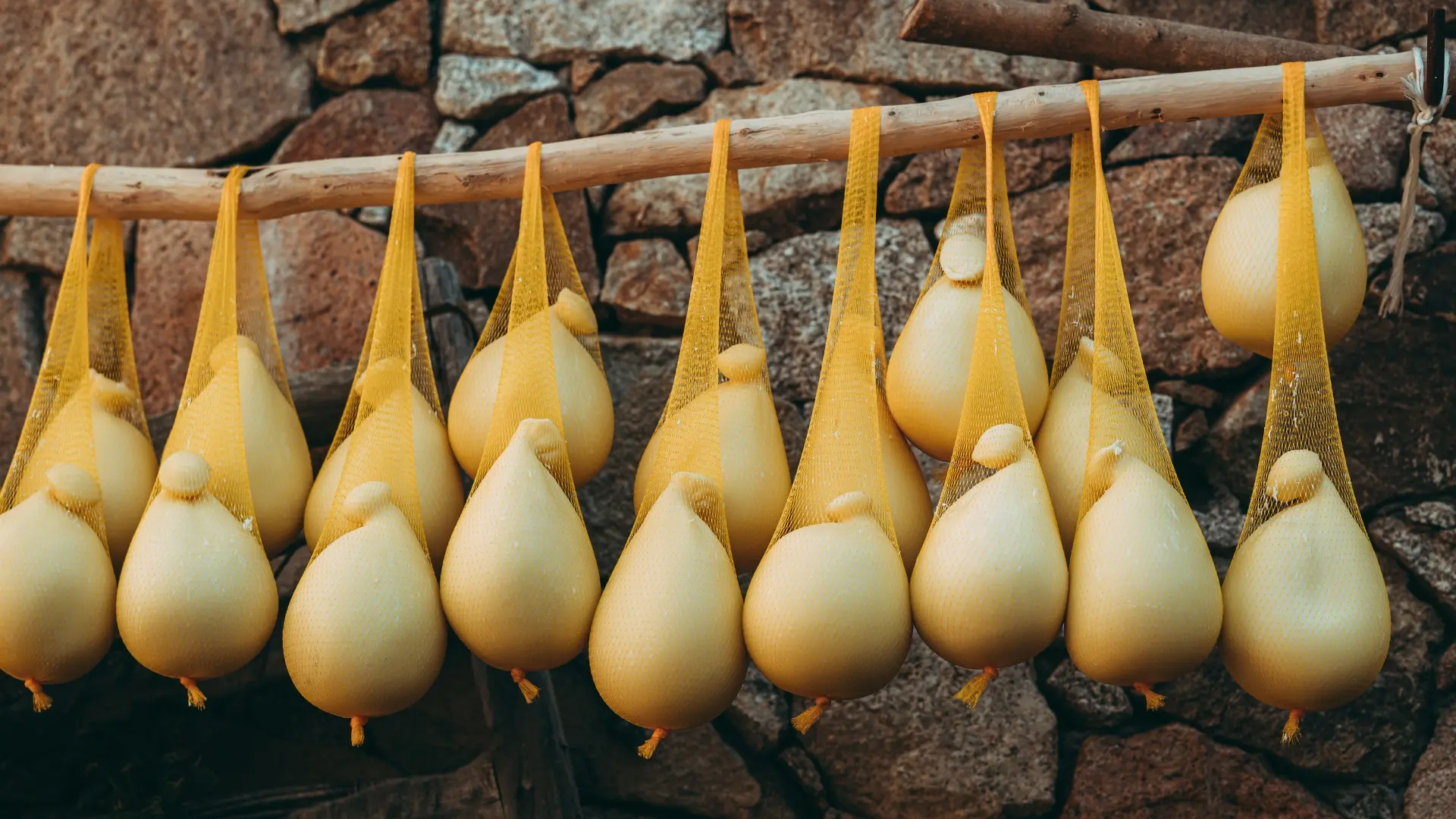
The wine culture of the province of Foggia has no need to hide behind the better-known wine-growing regions in the south, even if it is often still considered an insider tip. While Primitivo tends to dominate Salento, the true king of the north is the Nero di Troia, a grape variety with a strong character that produces dark, elegant wines with fine spicy notes. These powerful wines are the ideal accompaniment to hearty meat dishes and the legendary Caciocavallo Podolico. This fine cheese is made from the milk of the rare Podolica cattle that graze freely in the forests of the Gargano. Its intense, almost pungent flavor captures the wild herbs and pure nature of northern Apulia so perfectly that it is often described as one of the most valuable pieces of culinary heritage in all of Italy.
Excursion destinations around Foggia - highlights in the surrounding area
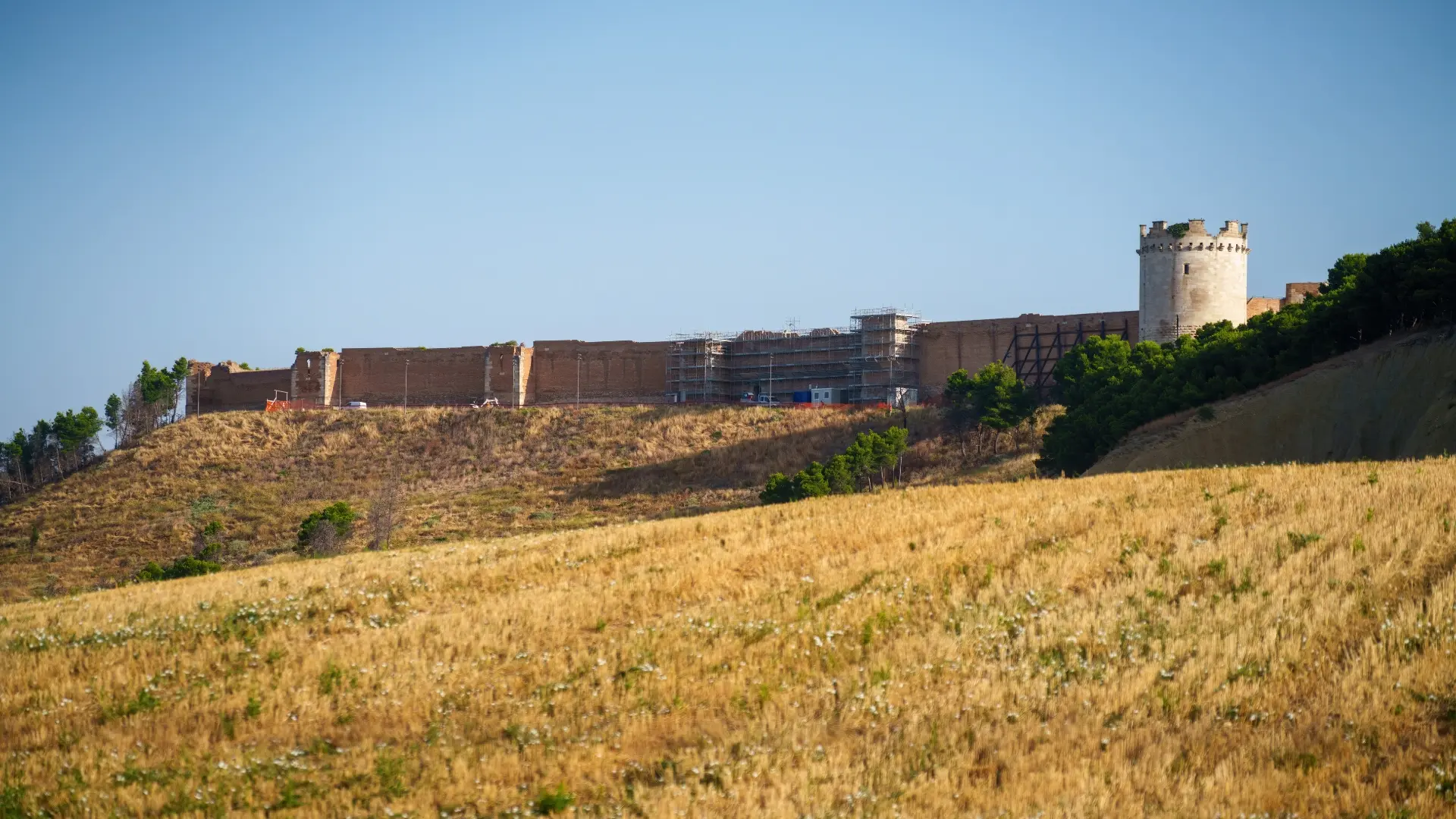
Foggia is the ultimate strategic hub to uncover the often underrated treasures of Northern Apulia, as the city is the gateway to completely contrasting worlds. Just a short drive away is San Giovanni Rotondo, a place that radiates an almost tangible energy thanks to the spiritual legacy of Padre Pio and is considered one of the most important pilgrimage centers in the world far beyond the country's borders. Those who prefer a less religious and more historically impressive experience should definitely visit the nearby Lucera head for. The small town surprises with one of the best preserved Roman amphitheater southern Italy and a gigantic fortress that towers majestically over the vast Tavoliere level and offers a fantastic view.
If you have a longing for the sea and untouched nature, there is no way around it. Gargano National Park the striking „spur“ of the Italian boot. The journey there is an experience in itself and takes you to the gleaming white coastal pearls Vieste and Peschici, which hang like eagles' nests on the steep limestone cliffs above the Adriatic Sea. Here you can expect a dramatic backdrop of rugged cliffs, fragrant pine forests and the famous crystal clear water, which invites you to linger in hidden bays. It's worth spending a day strolling along the coastal road or taking a boat trip to the mysterious sea caves to discover the wild side of Puglia away from the classic postcard idyll.

Vieste, coastal pearl of the south on the Gargano
Vieste Insider: beaches, grottos and pure dolce vita On the easternmost tip of the Gargano promontory, that striking „spur“ of the Italian boot, the gleaming white town of Vieste towers above the azure Adriatic Sea. Far...
Accommodation and arrival - practical tips for Foggia
In Foggia, you will find the right retreat for every budget and travel style, with the city scoring particularly highly for its authenticity. If you want to experience the vibrant life of the region up close, you should opt for one of the owner-run bed and breakfasts in the historic center, where the hosts often offer personal insider tips for the evening. For travelers who place more value on classic comfort and full service, the Center of Foggia a good selection of traditional hotels with excellent connections. If, on the other hand, you are looking for the peace and quiet of the vast Tavoliere plains, the rustic Farmhouses in the surrounding area are a fantastic choice for unwinding with a glass of wine after a long day of exploring.
As far as getting there is concerned, the city is a logistical ace up Puglia's sleeve, as the Foggia Central Station is one of the most important railroad junctions in southern Italy. This is where the fast Frecciarossa connections of the Adriatic coast with the main lines from Rome and Naples, making the city the ideal destination for relaxed rail travel. If you prefer to stay flexible with your own car, you can benefit from the excellent connections to the Freeway A14, which takes you swiftly through the picturesque landscapes of the south. The car is also the means of choice if you plan to explore the hidden mountain villages of the Monti Dauni or the secluded bays of the Gargano on your own.
An important insider tip for your planning: Foggia has its own Gino Lisa Airport, which is now once again regularly connected to major Italian cities such as Milan and Rome and allows you to land in the heart of the province without any stress. If your route takes you via the larger hubs, Bari Airport is the best alternative, from where modern shuttle buses or regional trains will take you to your destination in just over an hour. However, we recommend that you book a rental car to take the maximum freedom between the endless plain of the Tavoliere and the rugged cliffs of the Gargano to enjoy. This makes the road to Foggia the first little adventure of your trip.
Foggia compact: insider knowledge for your planning
Timing is crucial to get the most out of your trip, as the climate in the shallow basin of the Tavoliere follows its own rules. The Best time to travel is undoubtedly in the months of April to June and in September and October, when the temperatures are ideal for long city walks and hikes in the Monti Dauni. While spring bathes the entire region in a lush green and the wheat fields undulate like a sea, autumn beckons with the golden Olive harvest and an almost magical calm after the summer hustle and bustle. Be aware, however, that Foggia is often one of the hottest places in Italy in July and August; those who shy away from the heat prefer to use the city as a cool springboard for the refreshing breezes on the nearby Gargano during this time.
Getting around in and around Foggia is easier than many travelers might think thanks to the city's central location. While the city center can be wonderfully explored on foot or by bike, the network of Ferrovie del Gargano an absolute insider tip, as these local trains take you right into the heart of the national park. Even though Foggia itself is largely spared from mass tourism, accommodation is quickly booked up during local festivals or in the high season on the nearby coast - booking in good time will ensure you get the best places. A charming spark of reality: in Foggia you will encounter the authentic Italy, which means that English is not the order of the day everywhere. However, a few words of Italian or a loaded translation app will not only open doors for you here, but often also the hearts of the hospitable locals.
Experience Foggia - Authentic, honest, unforgettable
A visit to Foggia is far more than just a stopover on the way south; it is an invitation to enter a Authentic Puglia which has retained its rugged yet warm character. While other regions often look like polished postcards, here you will encounter the honest Italy that draws its strength from the vast plain of the Tavoliere delle Puglie creates. The city functions as the proud cultural center of North Apulia and proves impressively that a place does not have to be overcrowded to exert a deep fascination. For travelers who are looking for a real Insider tip Foggia offers the rare opportunity to experience history and everyday culture in a symbiosis that is often sought in vain in the tourist hotspots.
The real experience takes place between the majestic pillars of the Piazza Cavour and the winding alleyways, where the scent of fresh pastries and local olive oil fills the air. It is the unagitated Italian hospitality, that welcomes you here, whether you're talking shop with market traders or gazing in awe at the magnificent Santa Maria Icona Vetere. Foggia is the ideal starting point for exploring the wild beauty of the nearby Gargano National Park and at the same time return in the evening to an urban life that pulsates without being overwhelming. Anyone who gets involved with this city will not only take home photos, but also a real feeling for the soul of southern Italy - an inspiration that lingers long after the return journey.

💡 Tip from the Italy.news Travel editorial team
If you think you've already recognized Foggia by its magnificent facades and wide squares, you should literally go one level deeper to find the true soul of the city. Our absolute insider tip is the Ipogei di Foggia, a fascinating network of underground passages and medieval vaults that stretch directly beneath the historic center. For centuries, these hidden rooms served as granaries, refuges or even secret workshops and today offer a cool, almost mystical contrast to the sun-drenched surface. A descent into this underground labyrinth reveals the layers of a city that knows how to guard its deepest secrets and gives you a completely new perspective on the city. medieval history North Apulia.
To round off this experience perfectly, we recommend combining your visit to the Ipogei with a taste of the local specialty „Grano Arso“, which is served in the small trattorias around Piazza Purgatorio. It is this combination of archaeological depth and the smoky flavors of traditional cuisine that will make your trip to the Puglia settentrionale really makes the experience complete. The guided tours through the underworld are often led by passionate local archaeologists, whose stories go far beyond what you will find in any standard travel guide. Take the time for this „deep dive“, because if you haven't seen Foggia from below, you haven't really felt the pulse of this indomitable city.

Map: Foggia
Tickets: Highlights Puglia
FAQ: Foggia
When is the best time to visit Foggia and the surrounding region?
The ideal months for exploring Foggia are spring from April to June and early fall in September and October, when the temperatures are pleasantly mild for city walks. At the height of summer, temperatures in the Tavoliere plain often rise above 34 degrees, making the midday hours very hot, while winter is cooler but often wonderfully quiet and authentic.
Which historical sights should not be missed in the center of Foggia?
An absolute must-see is the 12th century cathedral of Foggia, which impresses with its mixture of Romanesque and Baroque style elements and forms the religious heart of the city. Equally impressive are the striking Chiesa delle Croci with its five small chapels and the Palazzo della Dogana, which was once an important center of the wool trade and is now a UNESCO World Heritage Site of the Culture of Peace.
What is the best way to use Foggia as a base for nature experiences and beach days?
Foggia serves as the perfect gateway to the Gargano National Park, where you can reach dramatic stretches of coastline, the dense forests of the Foresta Umbra or crystal-clear bays near Vieste and Manfredonia in around an hour's drive. The Monti Dauni in the west, with their medieval mountain villages such as Bovino, also offer wonderful opportunities for hikes and culinary journeys of discovery into the rural traditions of Apulia.
What culinary specialties are typical of Foggia and where can you experience them?
In Foggia, you should definitely try the handmade orecchiette pasta with cime di rapa or the typical "muscitaglia", while stopping off at local trattorias in Piazza Cavour or along Corso Vittorio Emanuele. The city is famous for its high-quality olive oils and strong red wines from the Daunia region, which go perfectly with the local cheeses and freshly baked bread from the province.
Top accommodations in Foggia
Guided tours & experiences in Puglia

The relics of St. Nicholas: All about the Basilica di San Nicola in Bari
Amid the winding alleys of Bari Vecchia, the old town of Bari, where life pulsates amid clotheslines, the scent of olives, and centuries-old walls, stands a structure of extraordinary spiritual and historical significance:...
Video: Foggia
Experiences & activities
Note: Disclaimer - Italien.news is not the owner or organizer of the sights, accommodations and events published here and therefore not responsible for program changes, cancellation of the event and possibly incorrect information. The editorial team of Italien.news always endeavors to provide detailed and accurate information. However, it is possible that events, attractions, etc. may be changed and not updated promptly. Exact details of dates, times and programs can be obtained directly from the owner of the attractions and accommodation.
Please also check the website or social media of the attractions and events for updates before you travel! Our blog articles contain our personal recommendations in the form of affiliate links. If you book or buy something via the links or simply click on them, we receive a small commission. This does not change the price for you at all. Content and texts © Italien.new & KI / Photos © Canva.com / shutterstock.com / Unsplash.com / Pixabay.com / Pexels.com / Others. Please also visit our Italy Shop!