
Udine: The Venetian heart in the north-east of Italy
Udine, the often underestimated jewel in the heart of the Friuli Venezia Giulia region, embodies the discreet elegance of northern Italy in its purest form. Geographically perfectly situated between the rugged foothills of the Carnic Alps and the gentle breeze of the upper Adriatic, the town looks back on an eventful history that is inextricably linked to the rule of the Republic of Venice. This influence is particularly evident in the architecture of Piazza della Libertà, which is considered one of the most beautiful squares on the Italian mainland. As the historical and economic center of the region, Udine is much more than just a transit point; it serves as a cultural anchor point from which the unspoiled landscapes and renowned wine-growing areas of Friuli can be ideally explored.
The city impresses with an authentic flair that lacks the mass tourism of other Italian metropolises and instead focuses on genuine hospitality. In the winding alleyways of the old town, medieval heritage meets Renaissance splendor, while the works of the painter Giovanni Battista Tiepolo, whose most important frescoes are located here, attract art lovers from all over the world. In the inviting cafés and traditional osterias, the locals cultivate the ritual of the „tajut“, a convivial glass of wine at a late hour, which illustrates the deep roots of the culinary traditions. Whether walking in the footsteps of the past, admiring the architectural symmetry or being seduced by the first-class regional cuisine, Udine reveals itself as a city that impresses with its quiet tones and captivates every visitor with its timeless tranquillity.
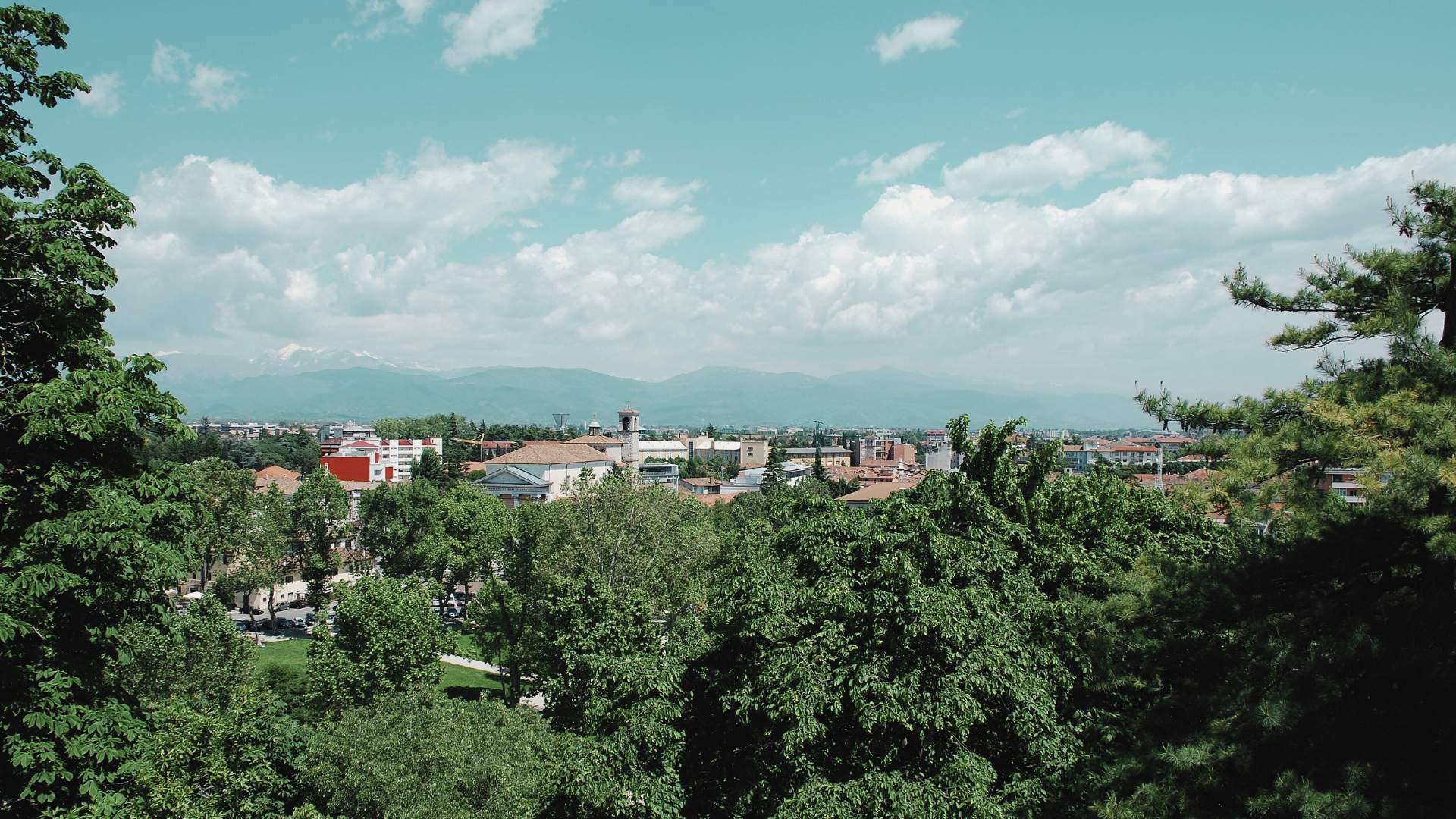
Of patriarchs and doges: Udine's path through the centuries
Although archaeological finds prove that the hill area around today's castle was already inhabited in the Neolithic period and later by the Romans, Udine only entered history in 983 under the name „Utinum”. Emperor Otto II donated the castle to the Patriarchs of Aquileia. Under their rule, the settlement developed into one of the most important urban centers in north-eastern Italy in the High Middle Ages. In 1238, the patriarchs even moved their official seat from Aquileia to Udine, triggering an unprecedented building boom and making the city the religious and political heart of Friuli. The foundations of many sacred buildings date back to this era, which still characterize the cityscape today and bear witness to the supremacy of the church at this time.
In 1420, Udine entered an era that lasted almost four centuries under the Lion of St. Mark, when the Republic of Venice took over. This period marked the most glorious phase in the city's history, during which Udine became Venice's most important terrestrial bastion in the north-east. The Venetian architects transformed the city into a „Venice on the mainland“. This is reflected in particular in the magnificent Loggia del Lionello and the numerous aristocratic palaces, which were decorated with the Gothic windows typical of the lagoon city. This architectural symbiosis of Friulian down-to-earthness and Venetian elegance gives the old town its unmistakable, almost stage-like character to this day.
The end of the Venetian era was sealed by the Peace of Campoformido in 1797. As a result, Udine became a pawn in the hands of the major European powers. After a brief Napoleonic interlude, the city fell under the administration of the Habsburg Empire, which paradoxically brought Udine a phase of structural modernization. The Austrians promoted the expansion of the railroad lines and industrialization. As a result, the city expanded beyond its medieval walls and became a strategic transportation hub between Vienna and the Adriatic. This administrative rigor and the economic focus of the Habsburgs laid the foundations for Udine's current role as a flourishing commercial center. Finally, the city became part of the young Kingdom of Italy in 1866 as part of the Italian unification movement.
In recent history, Udine has recovered from the scars of the world wars and the severe earthquake of 1976 and transformed itself into a modern, liveable metropolis. The city preserves its rich heritage in numerous museums and galleries without losing touch with the future. Home to a renowned university and host to international cultural festivals, Udine today presents itself as a dynamic center that uses its historical depth as a foundation for a lively, contemporary identity.
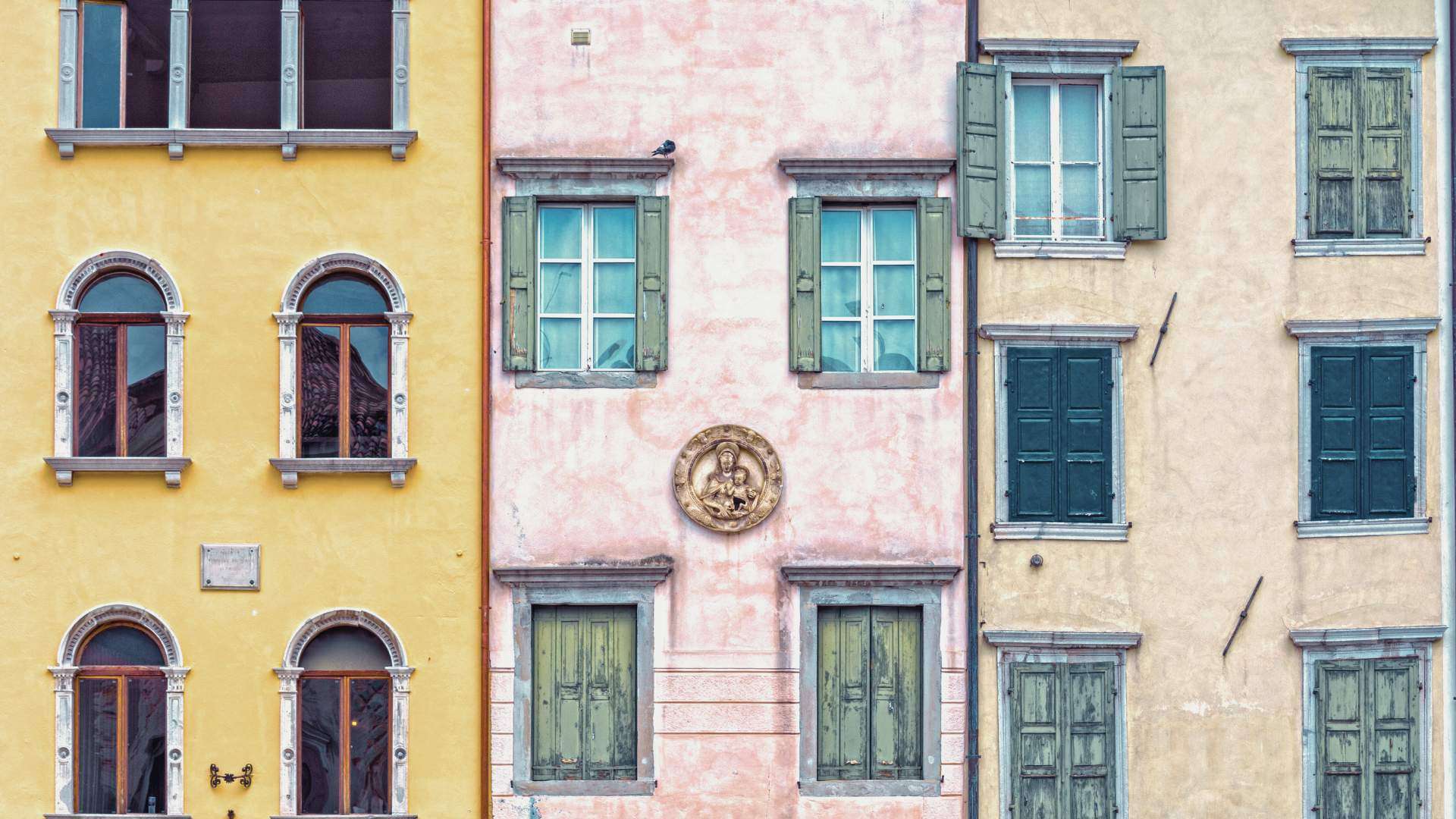
Between loggias and screens: The highlights of the city
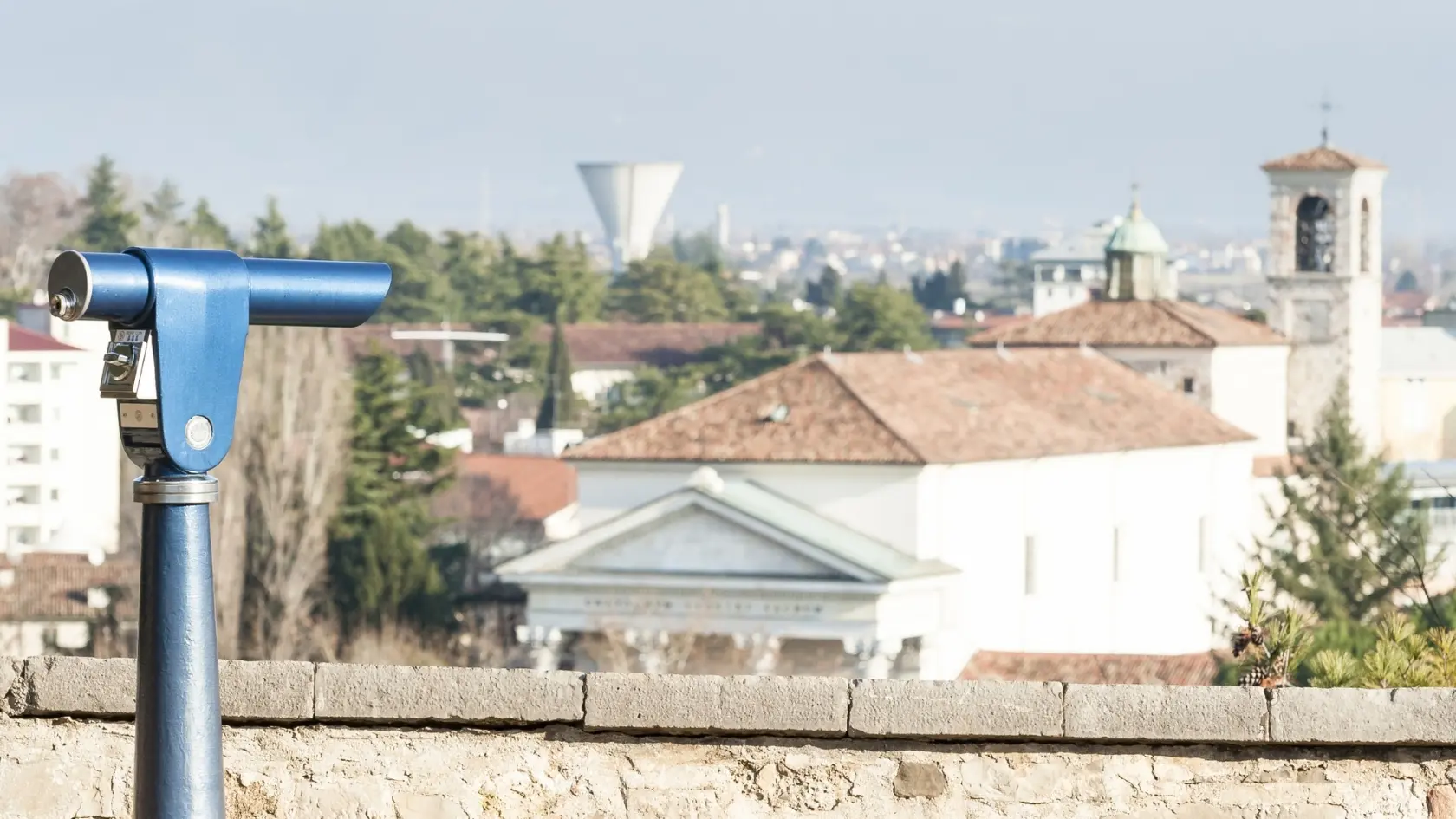
Anyone who steps through the gates of Udine embarks on a visual journey through time, ranging from austere Romanesque to playful Baroque. The undisputed centerpiece and probably the most photogenic place in the city is Piazza della Libertà, which is often described as the most beautiful Venetian square on the mainland. Here, the Loggia del Lionello with its characteristic white and pink marble and the clock tower opposite, which is modeled on St. Mark's Square in Venice, attract everyone's attention. Just a few steps away, a gentle climb under the arcades of the Lippomano portico leads up to the Castello di Udine. This majestic fortress is enthroned on a man-made hill and now houses the city's museums, while the panoramic terrace offers a sweeping view that on a clear day stretches from the snow-capped peaks of the Alps to the shimmering Adriatic Sea.
Another cultural gem is hidden inside the Duomo di Santa Maria Annunziata and the adjacent Oratorio della Purità. Udine is inextricably linked with the name of Giovanni Battista Tiepolo, the last great master of Venetian Baroque, whose light-flooded frescoes adorn the ceilings and walls of the local churches and the archiepiscopal palace. In addition to these sacred art treasures, the city also offers space for modern impulses, for example in Casa Cavazzini, the Museum of Modern and Contemporary Art, which is housed in a masterfully restored palace. In the hidden corners of the old town, where small canals - the so-called Rogge - emerge from under the pavement, the city reveals its most intimate side and invites you to discover the architectural diversity and art-historical heritage of Friuli at your leisure, off the beaten track.
Piazza XX Settembre: where Udine's everyday life meets architecture
Piazza XX Settembre is the lively, urban counterpart to the stately Piazza della Libertà and has always been a central hub of urban life in Udine. While other squares in the city are characterized by Venetian Gothic architecture, this spacious place presents itself with a clear, almost austere elegance, which is mainly characterized by the neoclassical facades of the 19th century. The square is best known for its colorful market, which bridges the gap between tradition and modernity. Here, the aromas of fresh regional products from Friuli mingle with the hustle and bustle of locals meeting in the surrounding cafés and restaurants for a morning espresso or aperitif. This mixture of hustle and bustle and Italian serenity makes the piazza one of the most authentic places in the city, where you can feel the true Udinesi way of life at first hand.
Architecturally, the ensemble of Piazza XX Settembre is framed by several important monuments that tell the administrative and social history of Udine. One eye-catcher is the Palazzo della Posta, whose monumental façade was built in the early 20th century and still reflects the prestige of the era. In the immediate vicinity, the Palazzo del Monte di Pietà bears witness to the city's economic development; originally designed as a pawnbroker's house, the building now impresses with its Renaissance elements and serves as an elegant setting for changing cultural exhibitions. Although the renowned Teatro Nuovo Giovanni da Udine is only a few minutes' walk away and enhances the cultural appeal of the district, the piazza itself remains the city's real open-air theater, where the spectacle of everyday life in northern Italy unfolds daily against a historical backdrop.

The heart of Udine: Piazza della Libertà
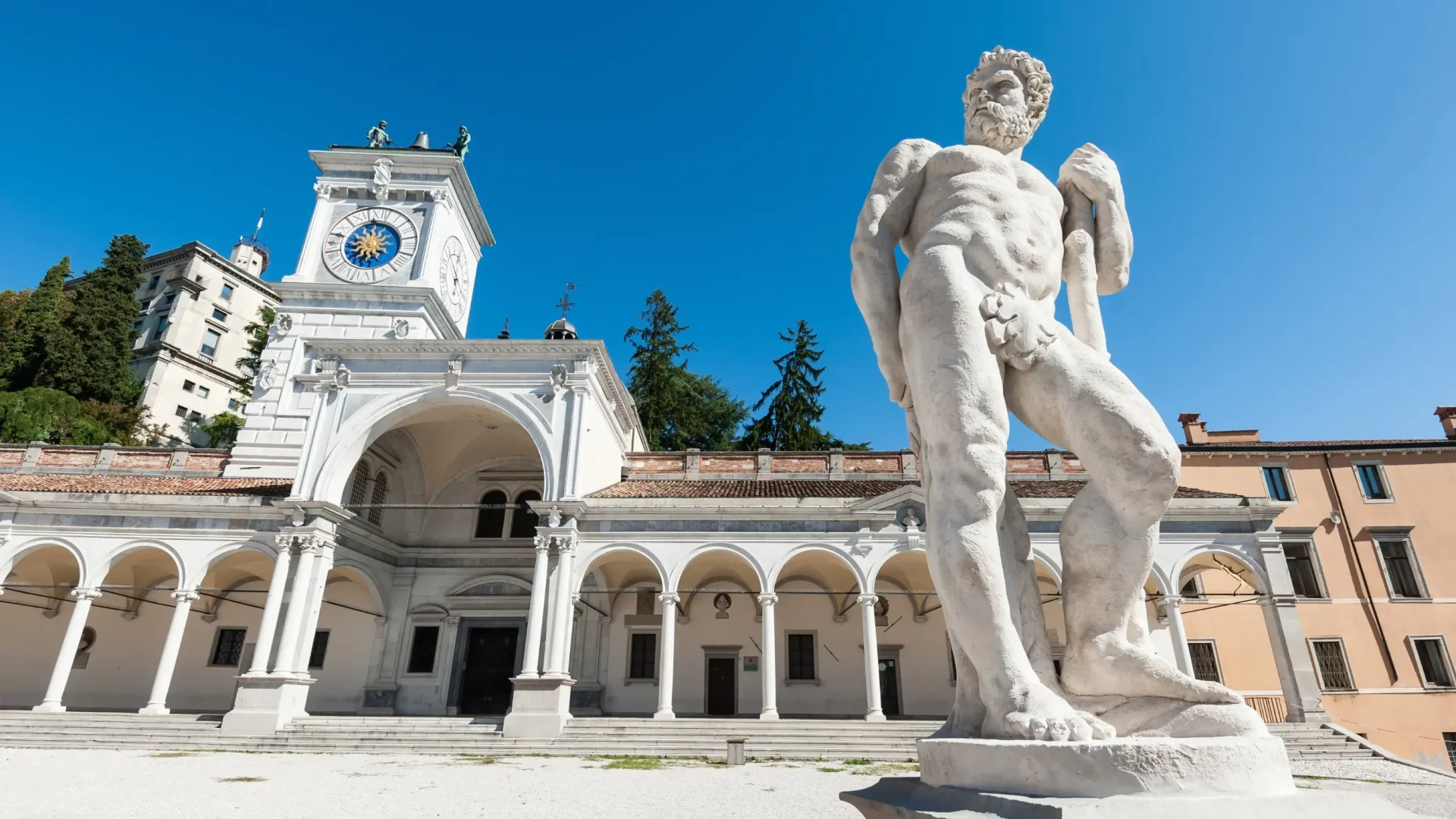
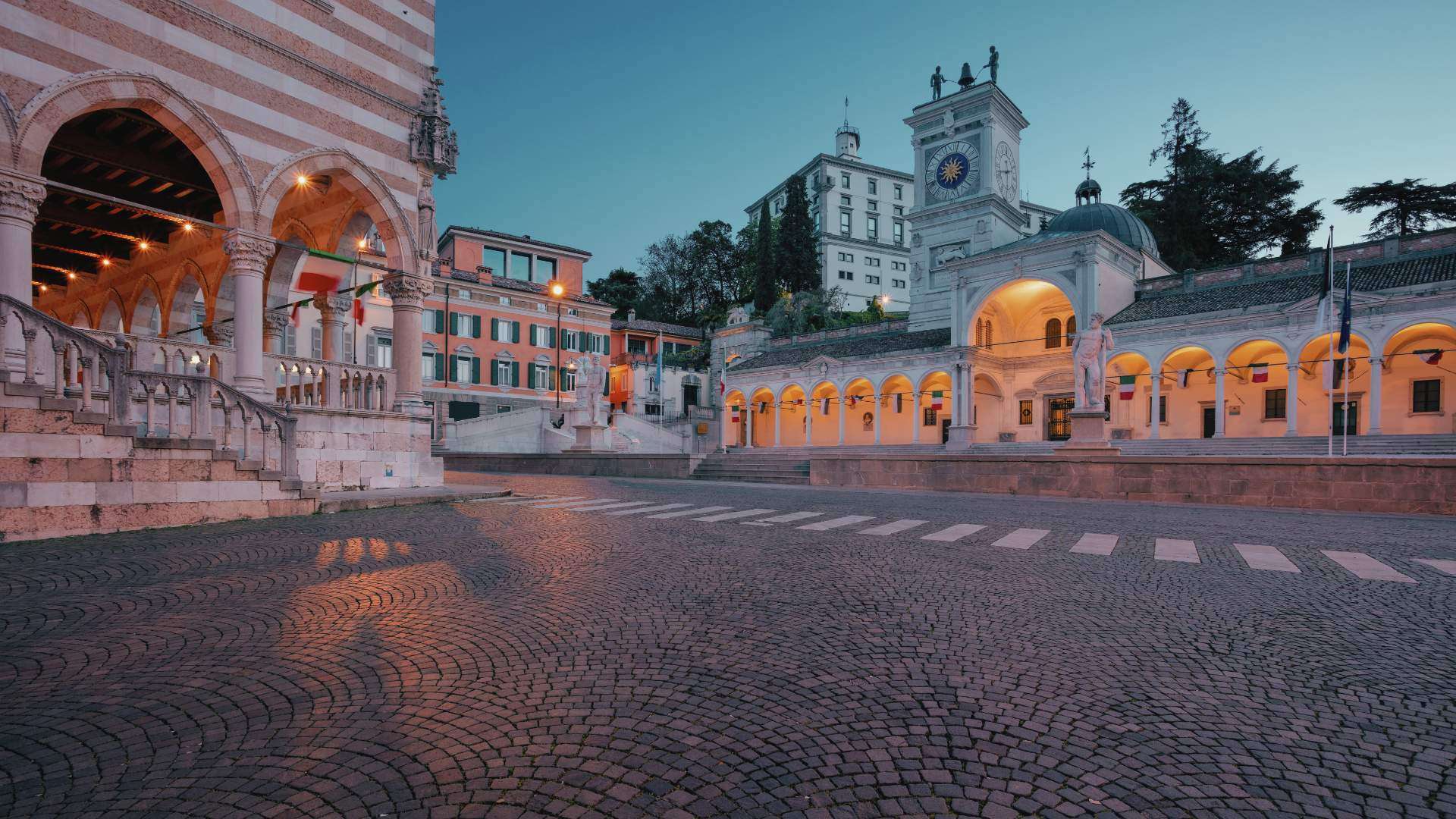
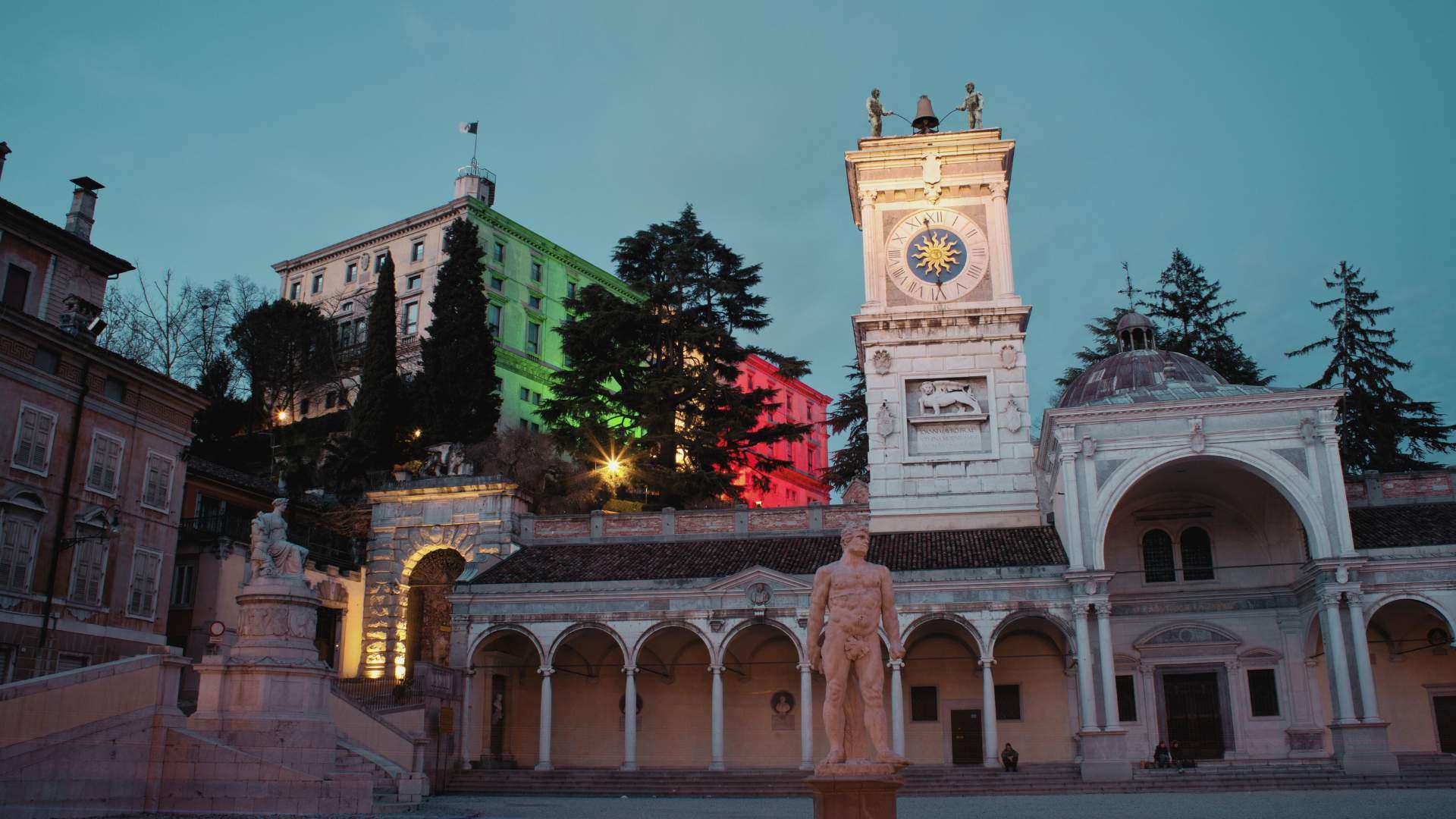
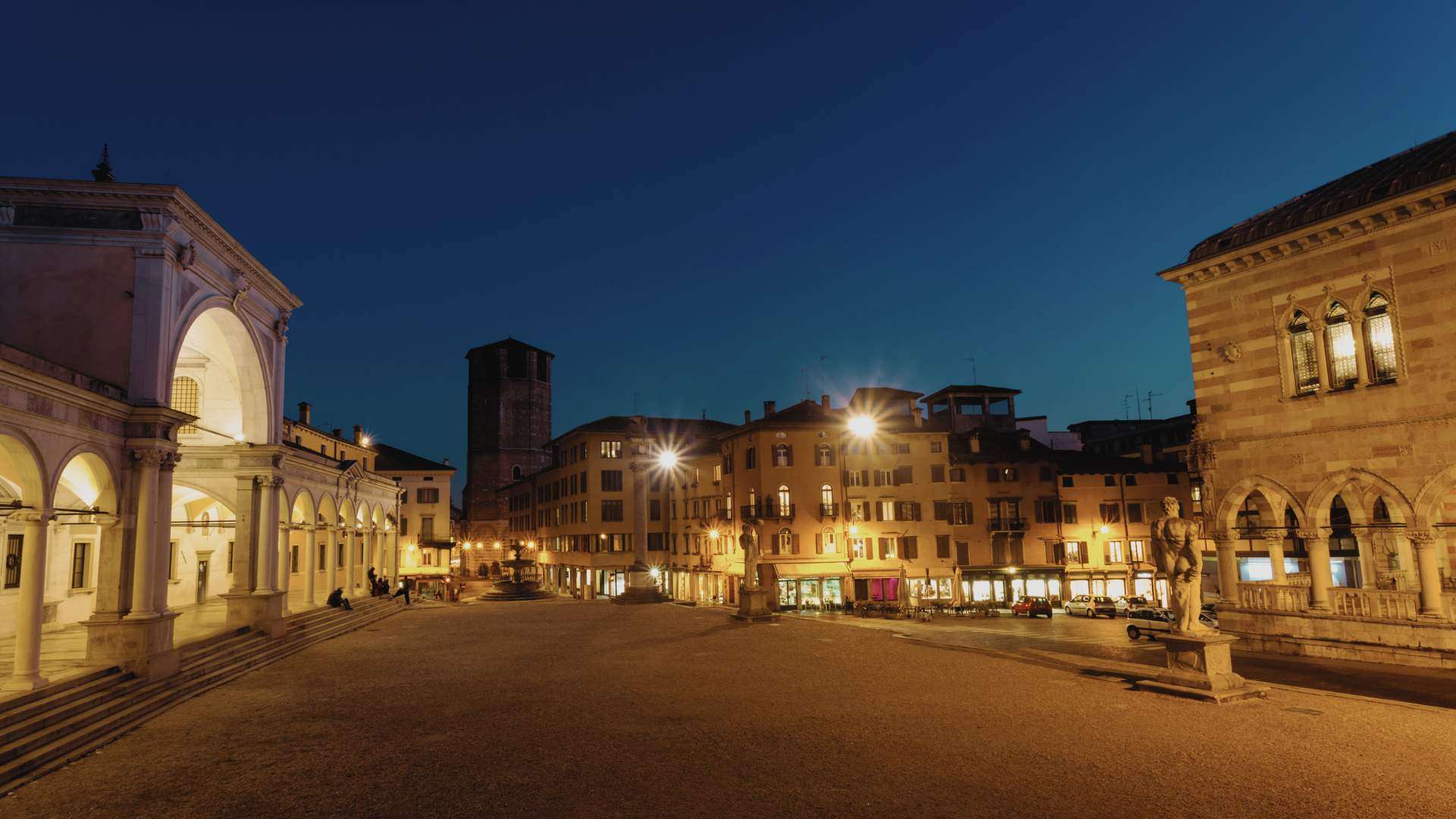
Piazza della Libertà is undisputedly the architectural jewel of Udine and is often reverently described as the most beautiful Venetian square on the Italian mainland. Anyone entering the square feels instantly transported back to the heyday of the Serenissima, as every element of the design breathes the spirit of the lagoon city. The dominant building is the Loggia del Lionello, a masterpiece of Venetian Gothic architecture from the 15th century. With its striking façade of alternating white and pink marble and filigree pointed arch arcades, it embodies an elegance that you would otherwise only expect to find in the alleyways around the Doge's Palace. Directly opposite, this ensemble continues in the Loggia di San Giovanni, which dominates the cityscape with its imposing clock tower, the Torre dell'Orologio. The two bronze „Moors“ that strike the hours at the top of the tower are a direct and deliberate homage to St. Mark's Square in Venice and symbolize the deep historical connection between the two cities to this day.
But the piazza is far more than a mere collection of magnificent facades; it is a harmoniously composed open-air museum in which every statue tells a story. Proud columns supporting the Lion of St. Mark and the statue of Justice rise up between the loggias, while the monumental statues of Hercules and Cacus - affectionately called „Grisi and Presi“ by the locals - mark the transition to the ascent of the castle hill. The wide, paved areas and shady arcades create a stage for social life, where the hustle and bustle of the morning is seamlessly transformed into the relaxed atmosphere of the afternoon. In the surrounding traditional cafés, you can sip an espresso and watch the sunlight move across the polished marble, bathing the piazza in a golden light that underlines the timeless beauty of this place.
A view of the Renaissance town hall: the Loggia del Lionello
The Loggia del Lionello is Udine's undisputed architectural flagship and much more than just a historic administrative building. It was built in the middle of the 15th century and embodies the Venetian influence in its most elegant form, the so-called „Gotico Veneziano“. It was designed by Nicolò Lionello, a goldsmith and architect, whose keen eye for detail is reflected in the filigree workmanship of the façade. Probably the most striking feature is the harmonious interplay of white and pink marble, which lends the massive building a floating lightness. The pointed arches of the first floor open wide towards the square and create a flowing transition between public space and monumental architecture. This emphasizes the democratic spirit of the former town hall.
Behind the magnificent walls lies an eventful history: a devastating fire destroyed large parts of the building in 1876. It was faithfully reconstructed in strict accordance with the original plans. Today, the open arcade on the first floor serves as the city's „living room“, where past and present meet in a charming way. While the upper floor still houses the representative rooms of the city administration, locals use the cool shade of the arcades for brief encounters or to observe the hustle and bustle on Piazza Libertà from a sheltered perspective. With its ornate decorations and symmetrical perfection, the Loggia is a must-see for any architecture enthusiast and a symbol of the constancy and aesthetic pride of the Friuli region.

The city's clock: the Torre dell'Orologio
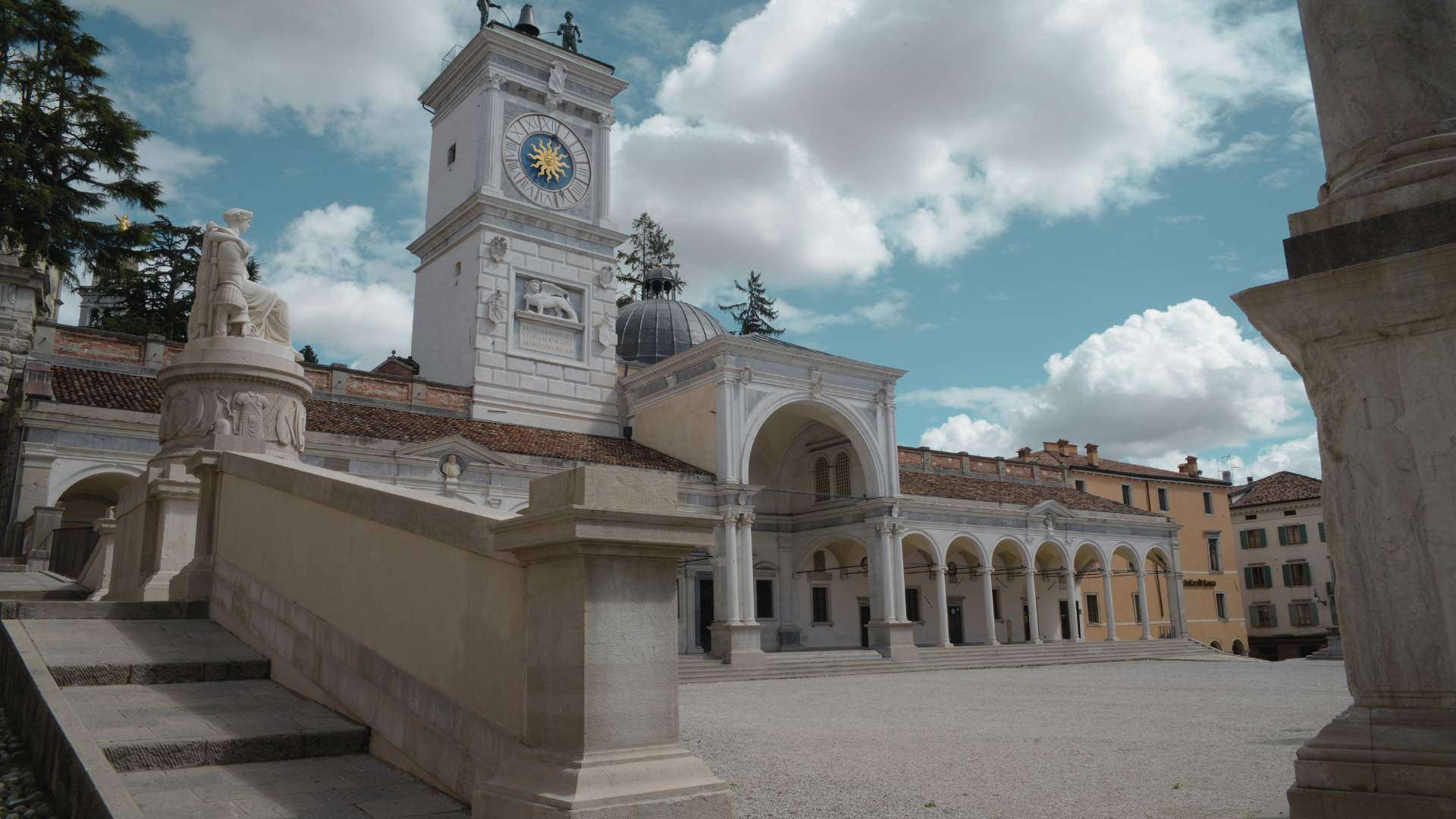
If you let your gaze wander over Piazza Libertà, you cannot miss the Torre dell'Orologio. The clock tower is Udine's vertical landmark and bears witness to the city's close ties to the Republic of Venice. The imposing clock tower was built in 1527 according to the designs of Giovanni da Udine, a pupil of Raphael. He masterfully brought the aesthetics of the Renaissance to the square. The architectural model is unmistakably the clock tower on St. Mark's Square in Venice, which is why Udine is also known as „little Venice on the mainland“. The crowning feature of the tower is particularly fascinating: two massive bronze figures, affectionately known as „I Mori“ (the Moors) due to their dark patina, tirelessly strike the bell with their hammers every hour on the hour. This mechanical spectacle has been the acoustic heartbeat of the city for centuries and regularly captivates passers-by.
The dial itself is a technical and artistic masterpiece of the time. It is decorated with a radiant golden sun in the center, framed by the blue fields of the astronomical displays. Below the clock is the Lion of St. Mark, the stone seal of Venetian supremacy, which watches over the hustle and bustle of the square. However, the tower is not just an isolated monument; together with the adjacent Loggia di San Giovanni, it forms a harmonious ensemble that flanks the staircase to the castle hill. For photographers, the Torre dell'Orologio offers a spectacular motif, especially at dusk, when the warm rays of the setting sun make the stone glow and the bronze statues stand out sharply against the Friulian sky.

The Loggia di San Giovanni: a temple for freedom
Adjacent to the imposing clock tower, the Loggia di San Giovanni forms the northern end of Piazza Libertà and gives the square its unique, stage-like symmetry. Completed in 1533 to designs by Bernardino da Bissone, the building rests on the foundations of a much older church dedicated to St. John. This sacred origin can still be felt in the architecture today: the loggia presents itself with a series of classical round arch arcades, which radiate a solemn calm and form a deliberate contrast to the playful Gothic style of the Loggia del Lionello opposite. The central portal, which once marked the entrance to the church and today impressively frames the ascent to the Castello, is particularly noteworthy.
Read more about theTopic




After the end of Venetian rule and in the course of the Napoleonic era, the building lost its purely religious function and was transformed into a place of civic commemoration. Today, the interior of the loggia houses the „Pantheon of the Fallen“ (Pantheon dei Caduti), a memorial to the victims of the world wars. This gives the place a dignified and almost reverent atmosphere. The combination of the bright Renaissance stone carvings and the shady corridors makes the Loggia di San Giovanni a popular place for a moment of contemplation amidst the hustle and bustle of the city. Its steps also offer perhaps the most beautiful view of the entire square ensemble. The loggia itself acts as an elegant link between the flat piazza and the steep ascent to the castle hill.
The arcade to the castle: the Loggia del Lippomano
The Loggia del Lippomano, which rises elegantly up the slope of the castle hill, is an architectural jewel of a very special kind. Built in 1487 at the behest of the Venetian governor Tommaso Lippomano, this building differs fundamentally from the classic square loggias of the city. It is an elongated, covered arcade that flanks the steep ascent from Piazza Libertà up to the Castello in harmonious steps. Originally, this magnificent arcade was created to provide the city's dignitaries and citizens with a weather-protected and prestigious entrance to the castle. The intricate stonework and the rhythmic sequence of pointed arches in Venetian-Gothic style make the climb an aesthetic experience and almost make you forget the exertion of the slope.
The loggia acts as a stone link between the power in the valley and the fortress on the hill. As you walk up through the shady arcades, new, picturesque views of the roofs of the old town and the surrounding towers open up between the columns. Once at the top, the walkway finally merges with the extensive grounds of the Castello di Udine. This monumental castle, which was rebuilt in the 16th century after a devastating earthquake, towers majestically over the plain and was once the seat of the patriarchs and later the Venetian governors. Today, the castle houses important collections of art and archaeology, but just getting there - through the timeless elegance of the Loggia del Lippomano - is one of the most impressive sights Udine has to offer.

The Castello di Udine: a stone guardian over Friuli
Majestic and unmissable, the Castello di Udine is enthroned on a prominent hill in the city center. Legends have surrounded this place for centuries. The most famous one says that Attila's Huns piled up the hill with their helmets so that they could watch the burning Aquileia from there. In fact, the current shape of the castle is the result of a monumental reconstruction in the 16th century. A severe earthquake had previously destroyed the medieval fortress. As the former seat of the Patriarchs of Aquileia and later the Venetian governors, the castle embodies the political power and historical pride of the entire Friuli region. Its simple yet powerful Renaissance façade conceals an interior of splendor that bears comparison with the great palaces of Venice.
The heart of the palace is the splendid „Salone del Parlamento”, which once served as a meeting place for the oldest parliaments in Europe and today impresses with its magnificent wall and ceiling paintings. Art lovers will get their money's worth here, as the palace's museums house treasures of inestimable value. Masterpieces by Giovanni Battista Tiepolo and Caravaggio can be found in the municipal museums and the art gallery, while the Archaeological Museum delves deep into the ancient history of Friuli. However, a stroll through the castle grounds has even more to offer than art history: from the spacious terrace in front of the castle church of Santa Maria di Castello, a breathtaking 360-degree panoramic view opens up. From here, the view sweeps over the red-tiled roofs of the old town to the snow-capped peaks of the Alps in the north and the sun-drenched plains in the south in the distance.

The golden guardian: The angel of Santa Maria di Castello
High above the rooftops of Udine, at the top of the bell tower of Santa Maria di Castello, a shimmering landmark watches over the city: the Angelo del Castello. This gilded archangel is far more than just a religious statue; he is the faithful companion in the everyday life of the Udinesi. A special feature that many visitors only notice at second glance is the figure's mobility. The angel is constructed in such a way that it turns with the wind and its outstretched arm always points in the direction of the breeze blowing across the Friulian plain. When the first morning light or the warm evening sun hits its gilded wings, the „Anzul“ - as it is affectionately called in the local dialect - shines with an almost unearthly radiance that can be seen far into the surrounding countryside.
The location of the angel could not be more steeped in history, as the campanile belongs to the oldest church in the city, whose roots date back to the Lombard period of the 8th century. While the interior of the church with its archaic frescoes radiates a reverent silence, the angel on the spire is a symbol of pride and constancy that can be seen from afar. The current figure is a faithful replica of an older model from the 18th century, which was damaged in a storm, but its symbolic power remains unbroken. With a trumpet in his hand, he not only embodies the patron saint, but also acts as a silent herald, carrying the rich history of the town into the sky above Friuli. For anyone who climbs the castle hill, the view up to this golden herald in the sky is one of those moments that perfectly captures the special flair of Udine.

Tiepolo's legacy: Udine Cathedral and the Oratorio della Purità
Udine Cathedral, the Cathedral of Santa Maria Annunziata, presents itself to visitors as a fascinating architectural paradox. While the brick façade and the rather stocky bell tower still clearly bear the hallmarks of 13th century Friulian Gothic architecture, the interior reveals a completely different world. Passing through the main portal, you enter a light-flooded, magnificent Baroque jewel that was completely redesigned in the 18th century. The heart of this spiritual center is inextricably linked to the genius of Giovanni Battista Tiepolo. His masterful frescoes, especially in the Chapel of the Blessed Sacrament, lend the space an almost ethereal lightness and make the cathedral one of the most important stops for art connoisseurs throughout Italy. The mighty organ and the numerous side altars, which were created by renowned sculptors, underline the historical importance of the cathedral as the region's spiritual center of power.
Just a stone's throw from the cathedral is the Oratorio della Purità, another world-class work of art. This inconspicuous chapel was built in the 18th century on the site of a former theater to offer the city's youth a place of contemplation. Inside, visitors are greeted by a stunning ceiling fresco by Tiepolo depicting the Assumption of Mary, which captivates with its vibrant colors and depth of perspective. It is considered one of his most mature works and, together with the wall frescoes by his son Giandomenico, forms a harmonious overall work of art. This concentration of top-class art continues in the adjoining Diocesan Museum, which is located in the archbishop's palace. Here, guests can not only admire sacred goldsmith art, but also visit the famous Tiepolo Gallery. With the frescoes on the ceiling and walls of the Sala, it reveals the entire narrative spectrum of the Venetian master.

Pure nature in the city: a stroll through the Orto Botanico
The Orto Botanico Friulano is much more than just a green space: it is the living memory of Friuli's natural landscape and a peaceful oasis that lets you forget the hustle and bustle of the city for a moment. In the middle of the urban fabric of Udine, this carefully tended area forms an impressive botanical bridge between the Alps and the Adriatic. Visitors wander through themed zones that reflect the entire ecological diversity of the region - from the robust plants of the mountains to the delicate flora of the lagoon coast. Particularly noteworthy is the collection of rare and endangered wild plants, which are not only protected here but also made accessible to the general public in order to raise awareness of the fragility of our native ecosystems.
However, the garden's significance extends far beyond its aesthetic beauty, as it serves as an active center for scientific research and environmental education. In the educational gardens and greenhouses, the close connection between man and nature becomes tangible, while the winding paths invite you to explore the botanical diversity in almost meditative silence. Whether you are interested in the healing powers of ancient herbs, admiring the architecture of rare giant trees or simply looking for a shady retreat to read, the Orto Botanico offers the right space for every need. Regular workshops and themed guided tours also transform the garden into a green classroom that connects generations and underlines Udine's reputation as a city of science and quality of life in the most beautiful way.

Where Udine is at its liveliest: the charm of Piazza San Giacomo
Piazza Giacomo Matteotti, usually called Piazza San Giacomo by the locals, is the heart of Udine and the most authentic place to immerse yourself in the local way of life. While Piazza Libertà impresses with its monumental splendor, this square has an intimate, almost village-like feel. It is completely lined with colorful house facades and inviting arcades, under which social life has been taking place for centuries. In the middle of the square sits the Fontana di Giovanni da Udine, an elegant Renaissance fountain that serves as a meeting place for people of all ages. Surrounded by the tables of the surrounding osterias and cafés, the piazza provides the perfect backdrop for the daily ritual of „tajut“: over a glass of wine, people exchange the news of the day and observe the hustle and bustle.
The architectural showpiece and namesake of the square is the church of San Giacomo, whose origins date back to the 14th century. A unique feature is the façade added in the 16th century with an outdoor pulpit - a rare detail that was once used for open-air sermons when the crowds in the square were too large for the church interior. However, Piazza San Giacomo is not only a place of peace and quiet, but also a lively stage for the traditional herb market and festive events that fill the historic paving with color and sound. In the evening hours, when the lighting gently highlights the Venetian window frames of the palaces, the square takes on a magical atmosphere. It gives visitors the feeling of being part of a centuries-old community.

Strolling in Venetian footsteps: Via Vittorio Veneto
Via Vittorio Veneto is much more than just a thoroughfare; it is Udine's elegant calling card and connects the most important historical points of the city as a magnificent axis. Anyone strolling along this street will experience urban life in its most elegant form. Lined with stately palazzi, whose architecture is often reminiscent of the glamorous Venetian era, it offers an impressive backdrop for long walks. Today, the first floors of these historic buildings are home to exclusive boutiques and traditional specialist stores that present Italian fashion and craftsmanship at the highest level. Between the shop windows, small, owner-managed cafés invite you to take a short break and watch the elegant hustle and bustle on the wide sidewalks while the aroma of fresh espresso fills the air.
Historically, Via Vittorio Veneto is the lifeline that connects Piazza del Duomo with the expanse of Piazza Primo Maggio. This strategic location makes it the ideal starting point for any exploration of the city, as the most important art treasures and monuments can be reached from here in just a few steps. Especially in the early evening hours, at the time of the classic „passeggiata“, the street unfolds its very special charm. When the low sun bathes the façades in a warm, golden light and the shop windows are festively illuminated, it becomes clear why this street has been the preferred place to see and be seen for generations. Whether you are looking for culinary delights in one of the hidden osterias or simply want to take in the architectural harmony of the city, Via Vittorio Veneto embodies the sophisticated yet relaxed heart of Udine.
A feast for the senses: a culinary journey of discovery through Udine
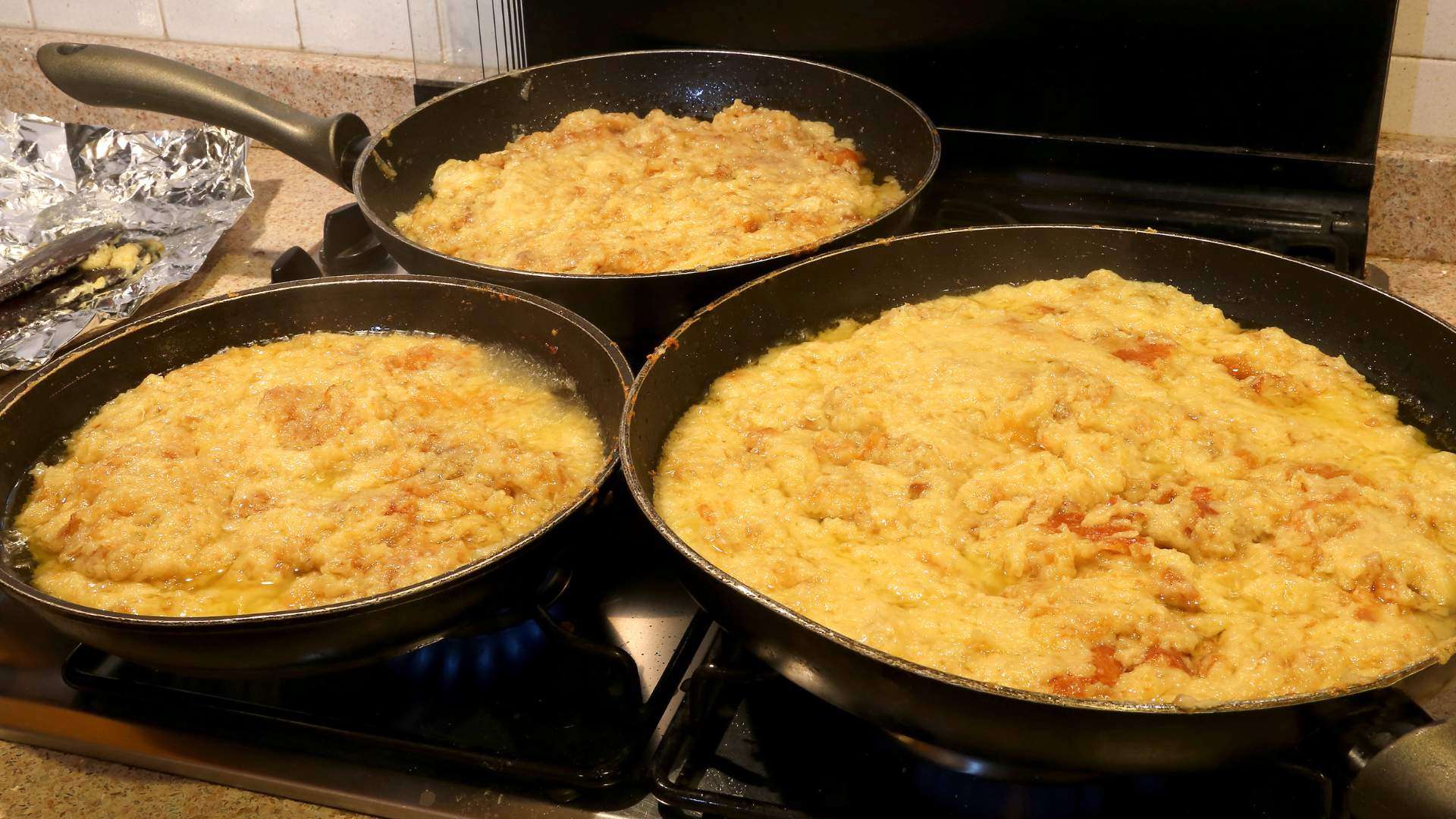
The cuisine of Udine and the surrounding Friuli region is an honest declaration of love for the land and its traditions. It is characterized by a fascinating combination of Alpine down-to-earthness and Mediterranean lightness, whereby the quality of the regional products is always in the foreground. Probably the most iconic dish of the region is the Frico - a hearty specialty made from melted Montasio cheese and potatoes, which is fried in a pan until golden brown and crispy. Often served with creamy or roasted polenta, frico embodies the soul of Friulian home cooking. For those who like it more refined, the Cjarsons cannot be missed. These handmade dumplings, originally from the mountains of the Carnic Alps, surprise the palate with a complex filling that often combines sweet nuances such as cinnamon, raisins or cocoa with savory herbs, reflecting the culinary creativity of the region.
However, no visit to Udine would be complete without celebrating the ritual of „Tajut“ - a brief pause over a glass of wine in one of the many historic osterias. Friuli is considered one of the world's best addresses for white wines. The eponymous Friulano captivates with its almondy note and structure, while elegant Sauvignons and strong character Pinot Grigios perfectly capture the terroir of the nearby Collio and Colli Orientali hills. The crowning glory of a meal is the Gubana should not be missing. This spiral-shaped yeast pastry, filled with a rich mixture of nuts, dried fruit and often a shot of grappa or slivovitz, tells of the cultural influences of the Slavic neighbors and harmoniously rounds off the gastronomic experience.
These treasures can be found on every corner in the streets of Udine: from rustic, wood-panelled trattorias where time seems to stand still, to modern gourmet temples that reinterpret traditional recipes. The city knows better than almost any other how not only to feed its guests, but also to let them look straight through their stomachs into the heart of Friuli.
Stay overnight in style: The best addresses for your stay in Udine
The search for the perfect accommodation in Udine is as varied as the city itself and offers the perfect retreat for every type of traveler. If you opt for one of the traditional hotels in the historic center, you will be immersed in the elegant atmosphere of the city. These hotels, which are often housed in carefully restored palazzi, combine the splendor of bygone eras with modern luxury and first-class service. Travelers looking for relaxation in particular will find spacious wellness areas that invite them to regenerate after a day of exploring the alleyways of the old town. The central location also makes it possible to enjoy the evening atmosphere on the illuminated squares without having to walk long distances.
Away from the large hotels, Udine reveals a particularly charming side with owner-run bed & breakfasts and bed and breakfasts. These accommodations are often located in characterful homes and offer a personal touch that makes a stay in Friuli so unique. The focus here is on contact with the hosts and the proverbial Friulian hospitality. It is not uncommon for guests to receive valuable insider tips for excursions in the surrounding area at breakfast, which are not included in any travel guide. For all those who value independence and space, the city also offers a growing number of stylish vacation apartments. These are often housed in historic buildings with high ceilings and exposed wooden beams. They allow you to experience local life like a local - including shopping at the market in the morning and then cooking with fresh, regional ingredients in your own kitchen.

Udine for explorers: hidden corners and cultural highlights
Those who venture away from the majestic main squares into the winding alleyways of the old town will discover the Udine of the locals, which often captivates with its quiet beauty. A special gem are the remains of the old canals, the so-called „Rogge“, which still flow openly through the streets in some places and are reminiscent of a time when water powered the city's crafts. Hidden in these neighborhoods are small, unassuming churches, which often preserve surprising artistic treasures inside, and quiet courtyards that offer a glimpse into the discreet elegance of the Friulian way of life. It is these moments of tranquillity between medieval walls and balconies adorned with flowers that make up the true, unadulterated character of the town.
But Udine can also be very different: the city regularly transforms itself into an international stage and proves its cosmopolitanism with top-class events. An absolute rarity in the European cultural landscape is the Far East Film Festival. As the largest festival for Asian cinema in Europe, it transforms the city every spring into a meeting place for cineastes from all over the world and brings a touch of the Far East to the streets of northern Italy. Equally influential is the Udine Jazz Festival, which fills the historic squares with modern rhythms and proves how harmoniously zeitgeist and tradition are combined here. Those who visit the city in September will also witness Friuli Doc, a gigantic culinary festival where the entire region comes together in Udine to celebrate its wines and specialties in an exhilarating folk festival.
To fully soak up the authentic lifestyle, we recommend a visit to the local markets. While the daily market stalls in Piazza Matteotti tend to cater to quick needs, the Mercato del Sabato on Saturday in all its splendor. It is a paradise for gourmets and curious shoppers alike: Here, fragrant mountain cheese from the Alps is layered next to freshly caught fish from the Adriatic and handmade leather goods. The haggling of the traders and the colorful babble of voices turn a visit to the market into a feast for the senses and offer the perfect opportunity to take a piece of genuine Friuli home with you as a souvenir.

Beyond the city limits: discover the treasures of Friuli
Udine's strategic location makes the city the perfect base camp for travelers who want to experience the contrasting beauty of Friuli in all its facets. Just a short drive to the east leads to Cividale del Friuli, a place that immediately captivates its visitors. As a UNESCO World Heritage Site, the city bears witness to the glorious era of the Lombards. The view from the legendary Devil's Bridge (Ponte del Diavolo), which boldly spans the emerald-green Natisone River and marks the entrance to the winding, medieval alleyways of the old town. Those who want to delve deeper into antiquity will find Aquileia another historical heavyweight. Once one of the largest metropolises of the Roman Empire, the city is now home to a basilica whose floor mosaics are among the most important and best-preserved in the Christian world - a fascinating open-air museum that brings the grandeur of past millennia to life.
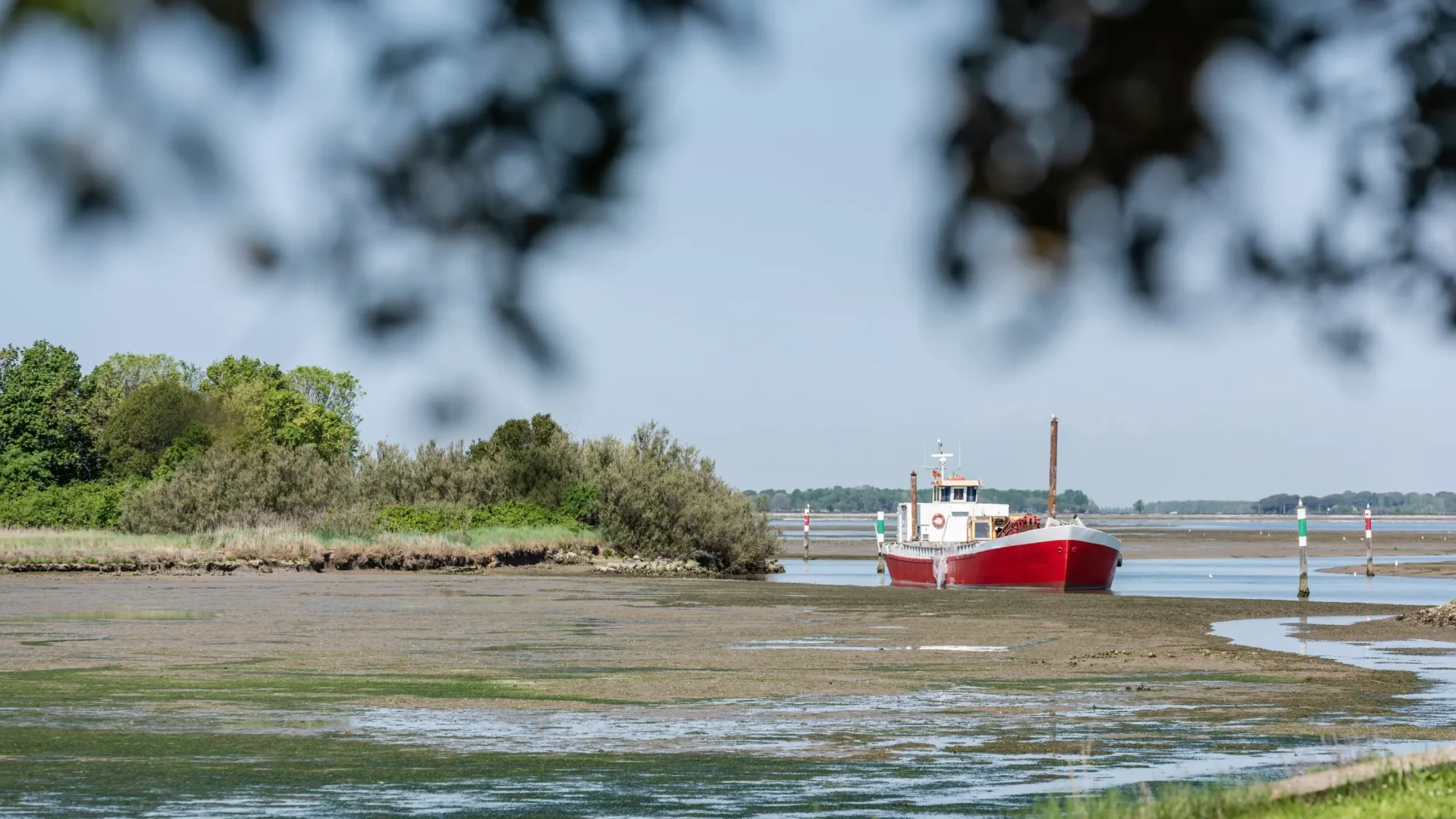
For nature lovers and those seeking peace and quiet, the area around Udine offers two completely different but equally attractive water worlds. In the north, the glistening Lake Cavazzo, the largest natural lake in the region, like a sapphire at the foot of the Alps. Its crystal-clear water and the gentle hiking trails that line the shore make it the ideal destination for an active day in the countryside or a relaxing break with stand-up paddling. Those looking for the maritime flair of the Adriatic, on the other hand, should visit the Marano lagoon head for. This protected ecosystem is a paradise for birdwatchers and romantics. On a boat trip through the canals, past the traditional reed huts of the fishermen, the so-called „casoni“, you can discover an untouched natural landscape that forms a pleasant contrast to urban life in its tranquillity and vastness.
The perfect end to every day of exploring is in the rolling hills of the Collio. This renowned wine region, which stretches along the border with Slovenia, is world-famous for its characterful white wines. A drive along the panoramic roads leads past endless seas of vines to traditional wineries that open their doors for tastings. Here, where the soil and mild climate produce world-class wines, a glass of Friulano and a view over the golden hills is the best way to capture the region's attitude to life. Whether culture, sport or pleasure - the area around Udine proves that Friuli offers a world tour of impressions in the smallest of spaces.
Planning your trip to Udine: how to get there, the best time and insider information
Thanks to the excellent connections in the border triangle between Italy, Austria and Slovenia, getting to Udine is uncomplicated and convenient. If you take the plane, it is best to use the airport, which is only around 40 kilometers away. Trieste Airport (Ronchi dei Legionari) or the international hubs in Venice. From there, there are regular train connections and shuttle buses to the city center. Udine is also an ideal destination for rail travelers, as the train station is located right on the edge of the old town and allows easy access from all parts of Italy as well as by international long-distance trains from the north. Once you arrive, Udine reveals its true quality as a „city of short distances“: the historic center can be easily explored on foot, while a modern and punctual bus network also provides easy access to the outer districts and the surrounding countryside.
The ideal time to soak up the full charm of the city is between late spring and the golden fall. From May to September, the streets are buzzing with life, the temperatures invite you to linger outdoors and the calendar of events is packed with wine festivals and open-air concerts. Those who prefer things a little quieter will find a region in bloom in spring, while the fall brings the grape harvest and a special culinary bounty.
Culturally, visitors can expect warm hospitality that is deeply rooted in the Friulian mentality. Although English and often German are spoken very well, a friendly „Buongiorno” or „Grazie” often opens doors and hearts - the locals really appreciate it when guests make an effort to speak the local language. For a carefree stay, we recommend a first stop at the local tourist office near Piazza Libertà. In addition to detailed city maps, you can also obtain up-to-date information on the opening times of the museums. With the most important emergency numbers in your luggage and an open smile, nothing stands in the way of an unforgettable stay in this northern Italian beauty.

A summary: Why Udine should be your next destination
In summary, Udine is much more than just a charming stopover on the way south: the city impresses with its impressive history, vibrant culture and almost legendary gastronomy. The magnificent palazzi and winding alleyways reflect the proud soul of Friuli, while the warm, down-to-earth nature of the locals ensures that visitors feel welcome from the very first moment. Whether admiring the artistic perfection of a Tiepolo fresco, sampling the region's hearty cuisine or simply enjoying the golden light on the marble of Piazza Libertà, Udine gives every visitor moments to slow down and make genuine, unadulterated discoveries.
Regardless of whether Udine serves as a strategic starting point to explore the hidden treasures between the Alps and the Adriatic, or whether the city itself is the destination of a relaxed city trip: it enchants with its discreet elegance and its many facets, which often only reveal themselves at second glance, but are all the more lasting. A visit to this northern Italian beauty is far more than just a trip, it is an unforgettable experience for all the senses that lingers long after the journey home has begun. Udine is not just an invitation to visit, but to stay, enjoy and come back.
Map: Udine, Friuli, Italy
FAQ: Udine, Friuli, Italy
When is the best time to visit Udine?
The ideal time for a trip to Udine is between May and September, as the mild climate is perfect for long walks through the historic squares and cozy evenings in the outdoor areas of the wine bars. Regional wine festivals and culinary events also attract many visitors to the city, especially in early fall.
Which sights should not be missed in Udine?
An absolute must is Piazza della Libertà, often described as the most beautiful Venetian square on the mainland, and the climb up to Udine Castle for a panoramic view of the city. Art lovers should also visit the cathedral and the Oratorio della Purità to admire the world-famous frescoes by the painter Giambattista Tiepolo.
What is special about the culinary scene in Udine?
The city is famous for its lively aperitivo culture, where you can enjoy a glass of regional wine with small snacks in the traditional "osterie". San Daniele ham and hearty frico dishes made from melted cheese and potatoes are particularly characteristic of the region's authentic cuisine.
Is Udine a suitable destination for a day trip or is a longer stay worthwhile?
While the main highlights of the old town can easily be explored on foot in one day, Udine's central location in Friuli makes it an excellent base for longer explorations of the surrounding vineyards and coastal towns. A stay of two to three days also allows you to experience the relaxed way of life of the locals and the museums without any time pressure.
Top accommodations in Udine, Friuli
Video: Udine, Friuli
Experiences & sights
Note: Disclaimer - Italien.news is not the owner or organizer of the sights, accommodations and events published here and therefore not responsible for program changes, cancellation of the event and possibly incorrect information. The editorial team of Italien.news always endeavors to provide detailed and accurate information. However, it is possible that events, attractions, etc. may be changed and not updated promptly. Exact details of dates, times and programs can be obtained directly from the owner of the attractions and accommodation.
Please also check the website or social media of the attractions and events for updates before you travel! Our blog articles contain our personal recommendations in the form of affiliate links. If you book or buy something via the links or simply click on them, we receive a small commission. This does not change the price for you at all. Content and texts © Italien.new & KI / Photos © Canva.com / shutterstock.com / Unsplash.com / Pixabay.com / Pexels.com / Others. Please also visit our Italy Shop!