
More than just colorful facades: Tradition, lace art and island flair on Burano
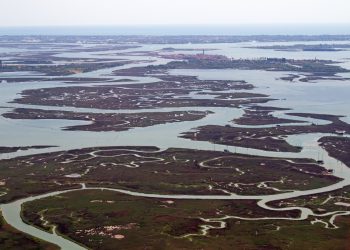
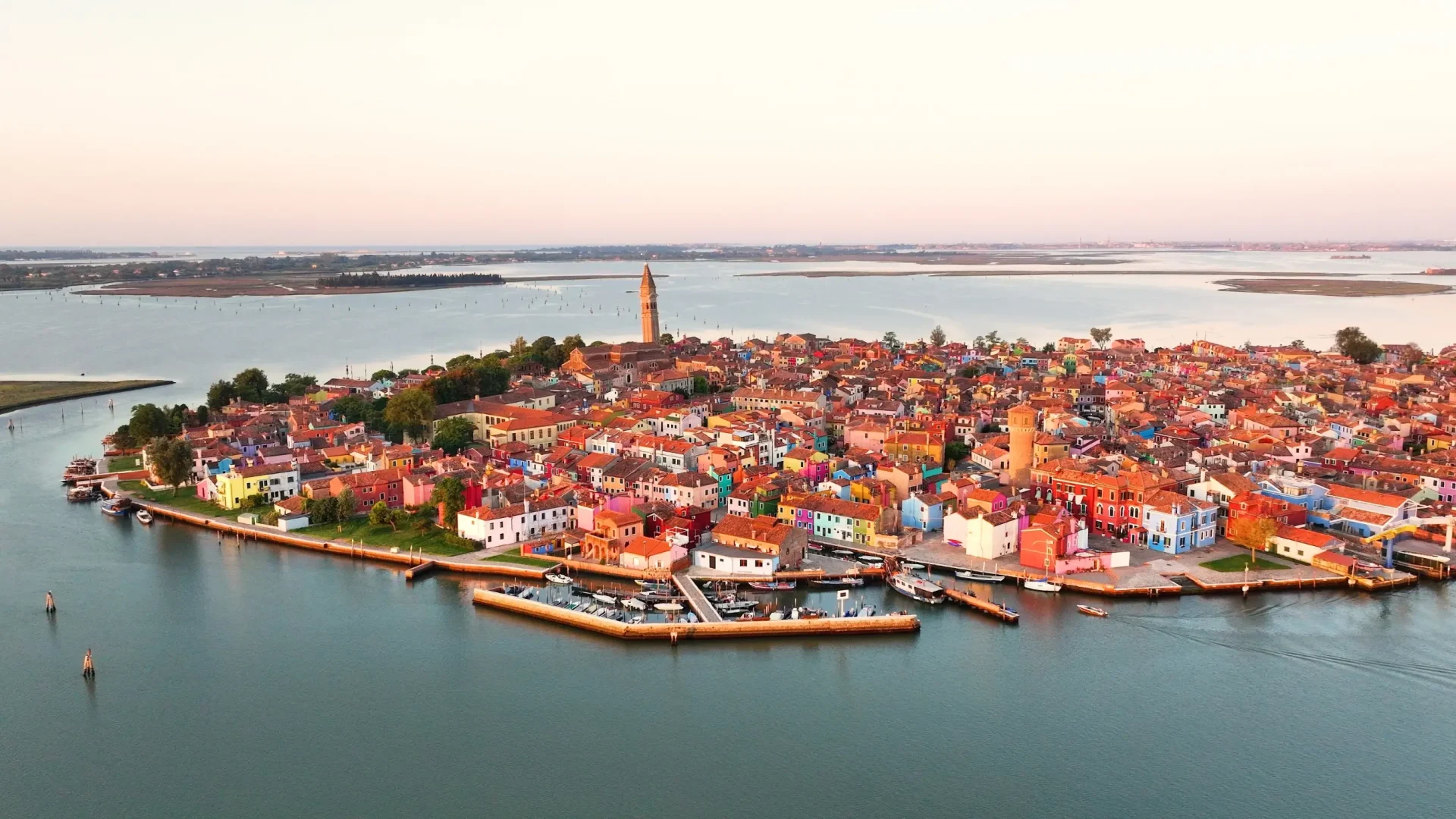
At first glance, Burano looks like a canvas come to life that goes far beyond the image of a mere fairytale backdrop. Located only about seven kilometers northeast of St. Mark's Square, this group of islands in the northern part of the Venetian lagoon an almost surreal contrast to the stony gray of the main island. While Venice impresses with its monumental architecture, Burano enchants its visitors with a Explosion of colors, which follows a strict tradition: According to legend, the fishermen painted their houses in such bright colors in order to keep them safe even in dense rain. Lagoon fog safely find their way back to their home port. Even today, paintwork has to be approved by the municipality, which preserves the unique appearance of the village in its perfection.
Away from the visual splendor, Burano is the global epicenter of the traditional lace embroidery, the so-called Merletto di Burano. If you stroll through the narrow alleyways, you will quickly notice that the atmosphere here slows down pleasantly as soon as you leave the main traffic arteries of the day tourists. Although the island administratively belongs to the municipality of Venice it has retained an independent identity that is strongly characterized by fishing and fine craftsmanship. When you enter Burano, you leave the hustle and bustle of the crowded Rialto Bridge behind you and immerse yourself in a world where every façade tells a story and the Venetian way of life can still be felt in its original, serene form. Every alley and every canal here invites you to forget time for a moment and experience the authentic side of the city. northern Italian islands to discover.


An island with history - from fishing village to cultural pearl
The history of Burano is inextricably linked to the will to survive of the early settlers, whose roots go back to the 6th century go back to ancient times. At that time, the inhabitants of the ancient mainland city of Altinum sought shelter from the devastating invasions of barbarian tribes in the impassable swamps of the northern lagoon. On laboriously driven into the mud Pile dwellings A community emerged that for generations was almost exclusively dependent on the Lagoon fishing and regional trade. This deep, almost symbiotic connection to water still characterizes the Characteristic appearance of the island and is reflected not only in the architecture, but also in the authentic Venetian cuisine in which freshly caught fish from the Adriatic still plays the leading role.
A decisive turning point in the island's history occurred during the Renaissance, when Burano achieved world fame far beyond the borders of Italy for an extraordinary skill: the The fine art of lace making. The filigree works of art, technically known as Merletto di Burano were painstakingly made by hand and were considered a technical marvel of their time due to their complexity. The introduction of the famous „stitch in the air“ (Punto in Aria), the embroideries became a sought-after Luxury good at the royal courts of Europe. Nobles and wealthy merchants paid enormous sums for this precious fabric jewelry, making Burano one of the most economically important enclaves within the Republic of Venice made.
Despite this cultural flourishing and international interest, the island has always retained its impressive down-to-earth attitude. The close-knit family ties and pride in one's own cultural identity have enabled Burano to preserve its authentic essence over the centuries. It is this successful blend of a glorious, artisanal past and a love of living traditions that makes the unique spirit the island to this day and distinguishes it pleasantly from the purely museum-like places in the Veneto region stands out.

Between lagoon fog and a blaze of color: the secret of the colorful facades
Probably the most striking trademark that has brought Burano worldwide fame is the luminous Colorful house facades. Anyone strolling through the alleyways will quickly notice that no two buildings are alike and yet each individual element is part of a perfectly coordinated overall work of art. According to a widespread legend, this tradition has its origins in the pragmatic necessity of seafaring. As the Venetian lagoon often covered by dense, impenetrable vegetation in the winter months. Lagoon fog the returning fishermen painted their houses in bright, contrasting colors. This served as a visual guidance system to help them find their way safely to their home port even when visibility was poor. Originally, each color was assigned to a specific family, which also acted as an identity marker in the tight-knit structures of the island community.
Over the centuries, this former purpose has developed into a strictly regulated system of monument preservation. Today, anyone who wants to renovate a building in the historic old town is not allowed to choose the color arbitrarily. The city administration of Venice meticulously monitors the appearance and prescribes which shade is permitted in which area according to a special color key. The brush may only be applied after official approval has been granted, which ensures the harmonious and photogenic townscape preserved for posterity and tourism. These administrative guidelines ensure that the aesthetic integrity of the island is preserved and that Burano retains its status as one of the most colorful destinations in the world.
Despite these strict regulations, the variety of colors never seems artificial or artificial. Rather, it is a lively expression of a deeply rooted Italian joie de vivre, which is reflected in the everyday lives of the residents. This spectacle is particularly impressive during the „golden hour“ in the late afternoon. When the warm light of the low sun moves across the vibrant reds, blues and yellows of the walls and the façades become crystal clear in the sunlight. Channels of the lagoon an atmosphere of almost magical intensity is created. In these moments, aesthetics and the simple life of the island's fishermen merge into a unity that makes Burano an incomparable jewel within the Veneto region.

Threads of air: the secret of the legendary needlepoint of Burano
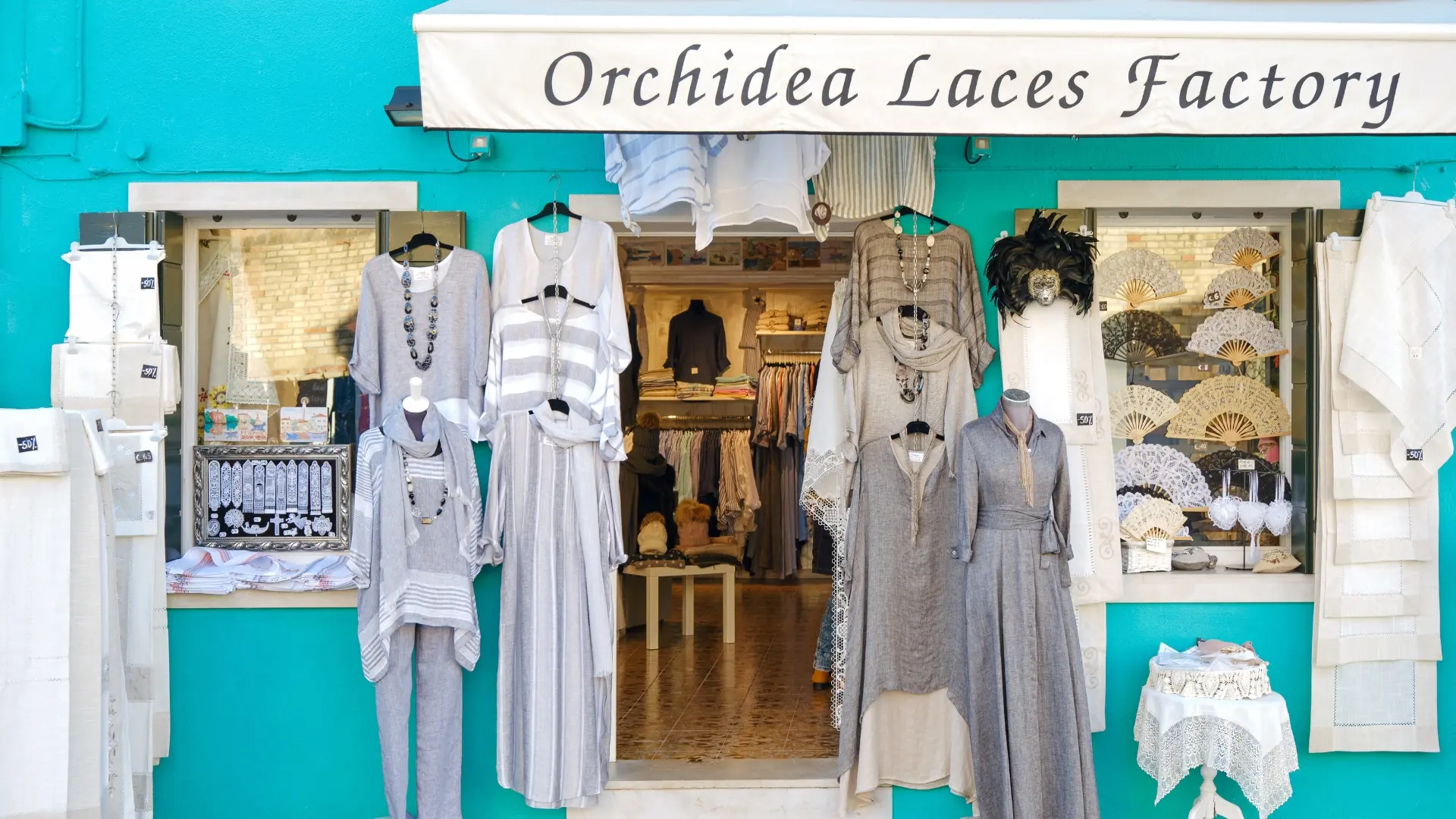
The Lace embroidery forms the undisputed cultural heart of Burano and is far more than just a craft; it is an identity-forming heritage that has made the island world-famous. As early as the 16th century, during the heyday of the Venetian Renaissance, a globally unique technique was developed here: the legendary Punto in Aria - literally translated as „stitch in the air“. An important technical clarification is crucial here: in contrast to the often erroneously used term "bobbin lace", Burano is pure lace-making. Needle point. This highly complex method does not involve working on fabric; instead, the pattern is simply drawn on a parchment backing with threads and then built up stitch by stitch in the open air. Only after completion is the connection to the base loosened, creating a filigree work of art that appears almost weightless in its delicacy and depth of detail.
Thanks to this incomparable precision, Burano rapidly rose to become the epicenter of European textile art. The precious products, known as Merletto di Burano, became one of the most exclusive luxury goods in history. Royal houses from Paris to London and the high European aristocracy flocked to the filigree collars and cuffs, which often required months or even years of meticulous patience to produce. This art has always been exclusively in the hands of women; while the men fished at sea, the embroiderers secured the future with their craftsmanship the prosperity of the island. The knowledge of the complex stitch sequences was passed down from mother to daughter over generations like a precious treasure, purely orally and through practical demonstrations.
Visitors can experience this fascinating history today in the Museo del Merletto up close and personal. The museum is located in the central Piazza Galuppi in the historic Palazzo Podestà, the home of the former lace school founded in 1872. In addition to an impressive collection of historical masterpieces, the exhibition also documents the social aspects and personal fates of the embroiderers who shaped the history of fashion in Europe with their dexterity. Even though large-scale production is now a thing of the past, you can still meet the last masters of their trade in the quieter alleyways of the island. When the elderly ladies sit in front of their colorful houses and guide the needle with unimaginable precision, the history of Burano as a Living tradition tangible for every guest and brings the spirit of the Renaissance into the modern world. Venetian lagoon continue to exist.
Culturally rich Burano: a guide to the most important highlights of the lagoon island
Burano may be small in terms of area, but the archipelago in the north of the Venetian lagoon reveals an astonishing density of fascinating sights that interweave history, sacred art and the authentic everyday life of the islanders. If you wander off the beaten track through the winding alleyways, you will discover a new detail around almost every corner - from architectural features to hidden gems. Art treasures, which give Burano its very own, unmistakable character.
The landmark visible from afar and geographical landmark is the Chiesa di San Martino Vescovo. The building, the core of which dates back to the 16th century, impresses with its simple elegance, but is dominated by its imposing, 53-meter-high Campanile Storto towering over it. This leaning bell tower is a fascinating testimony to the unstable ground conditions in the lagoon; its striking inclination makes it one of the most photographed motifs in the entire region. However, the interior of the church is also home to an art-historical sensation: the impressive „Crucifixion“ by Giambattista Tiepolo. This Venetian Baroque masterpiece underlines the cultural importance Burano once had within the Republic of Venice and offers visitors a place of spiritual tranquillity in the midst of the island's hustle and bustle.
Just a few steps away is the Piazza Baldassare Galuppi the vibrant social heart of the island. Named after the composer who was born on Burano in the 18th century, this is the only real square on the island and is the central meeting point for locals and visitors alike. Around the square and along the adjacent canals are numerous specialist stores for Authentic Burano lace and the famous butter cookies Bussolà Buranello. Another visual highlight that should not be missed is the Casa di Bepi Suà. The house of the late Giuseppe Toselli is probably the most colorful building on the island and is famous for its geometric patterns, which Bepi redesigned again and again over the decades.
For a perfect overview of Burano's waterway network, we recommend a visit to the Tre Ponti. This wooden bridge construction connects three canals and three different parts of the city and offers the most spectacular panoramic view of the colorful rows of houses and the leaning tower. If you want to immerse yourself a little further in the original lagoon landscape, you can cross a long wooden bridge to reach the neighboring island of Mazzorbo reach. There, the historic winery Venissa, where the rare Dorona grape is cultivated, provides a wonderful green contrast to the colorful architecture of Burano and perfectly rounds off the experience of the northern lagoon.

Gò fish and butter pastries: the culinary soul of Burano
Burano's culinary identity is a direct reflection of its geography: purist, honest and deeply rooted in the region. Venetian lagoon fishing rooted. Anyone embarking on a journey of tasteful discovery will come across the legendary Risotto de Gò cannot be missed. This dish is considered the culinary soul of the island and is made from the black goby (Gò) - a small, bone-rich fish native to the shallow waters of the lagoon. Although the preparation of the stock is considered extremely challenging due to the fine bones, the result rewards with an incomparable creaminess and a deep, maritime aroma that captures the essence of the Adriatic in its purest form.
In addition to this typical island classic, other maritime specialties characterize the menus of the local trattorias. The Fritto misto di pesce, a selection of freshly caught seafood, lightly floured and deep-fried to a golden brown. Equally indispensable for an authentic experience are the Baccalà mantecato, a creamy whipped stockfish paste on toasted polenta slices, or tender squid stewed in its own ink. The quality of these dishes is based on the uncompromising freshness of the ingredients, which are often picked at dawn directly from the fishermen of the northern lagoon or the traditional Rialto market in Venice.
A festive meal on the island is traditionally crowned with a glass of sparkling wine. Prosecco DOCG from the nearby hills of Veneto. It is traditionally served with the Bussolà Buranello, a crumbly butter pastry that has become famous far beyond the island's borders. Originally, this nutritious pastry was baked by fishermen's wives for their week-long voyages at sea, as it has an extremely long shelf life. Whether in the classic ring shape or in the S-shaped version, appropriately called „Esse“ - dipped in a strong espresso or a sweet dessert wine, this pastry embodies the sweet side of the Venetian way of life and the residents' unbroken love for their roots.

Jewels of the lagoon: Why Murano the perfect complement to Burano is
Anyone traveling to Burano should take the opportunity to look out over the canals to the neighbouring island of Murano - another treasure of the Venetian lagoon, which, although geographically close, embodies a world of its own in terms of character. While Burano, with its polychrome façades and delicate Needle point conveys a feeling of summery lightness and attention to textile detail, Murano impresses with an atmosphere of archaic power, glowing heat and sparkling elegance. These two islands form a cultural field of tension that perfectly encapsulates the rich diversity of the northern Italian island world.
Murano achieved worldwide fame through a tradition that began in the year 1291 had its official beginning. At that time, the Doge of the Republic of Venice to move all the smelting furnaces from the densely populated city center to the island for fire safety reasons. But there was also a calculation behind this fire police measure: they wanted to protect the closely guarded secrets of the Glass art protect against espionage. The fascinating interplay of breath, fire and precision can still be observed in today's show smelters. When an experienced Master glassblower from a glowing mass with sheer muscle power and the finest dexterity to create fragile sculptures, magnificent chandeliers or the famous Millefioribeads, the centuries-old tradition becomes tangible for the viewer.
The relationship between Burano and Murano is much more than a mere neighborhood; it is the expression of two complementary poles of the same artistic spirit. Burano historically stands for the textile, the soft and the subtly decorative, often perfected in private homework. Murano, on the other hand, embodies the hard, the radiant and that which is born in the glow of the kilns. Glass and lace - two materials that could hardly be more contrasting - find their way into the shared history of the Venetian craftsmanship excellence their symbiosis. Anyone who visits both places will understand the true depth of the lagoon culture: it is the deep-rooted dedication to perfection that has made these islands beacons of aesthetics throughout Europe since the Middle Ages.
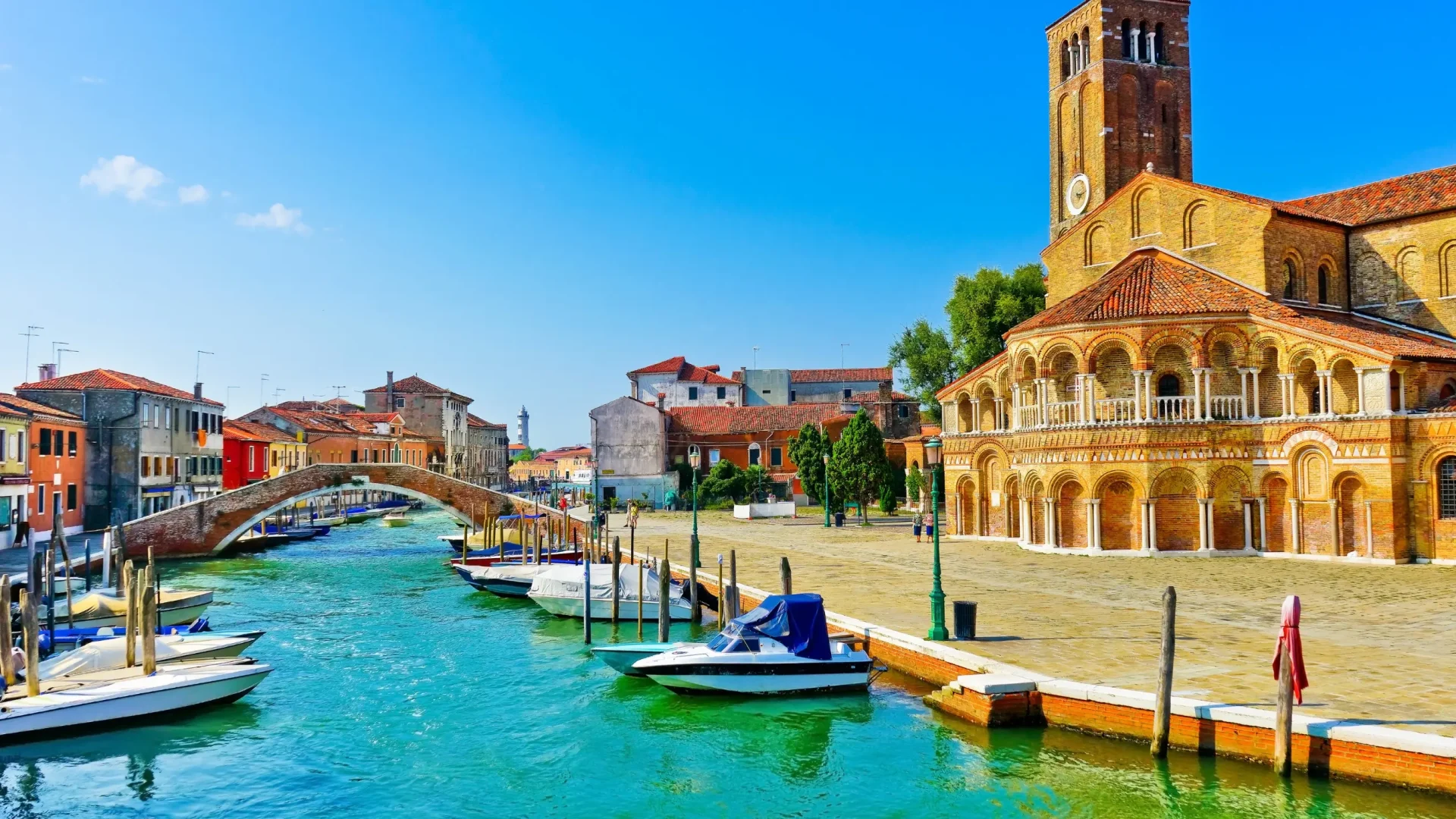

Murano: 7 highlights on the glass island near Venice
Glass dreams in the lagoon: the legacy of the glass masters of Murano Venice - the mere sound of this name takes the imagination on a journey through winding alleyways and across glittering waterways. While...
The way to the sea of colors: practical tips for your trip to Burano
To ensure that the trip to the northern lagoon is as relaxing as the atmosphere on the islands themselves, a little preparation is advisable on arrival. The most important hub for the crossing is the bus stop Fondamente Nove in the north of Venice. From here, the Vaporetto line 12 The boat departs directly for Burano at regular intervals, usually making a stopover on the glass-blowing island of Murano. The journey takes around 45 minutes and offers a spectacular panoramic view of the passing salt marshes and the silhouette of the Venetian Alps in the background, even from the water. As the water buses are very busy, especially at lunchtime, it is advisable to buy tickets digitally in advance via the Venezia Unica App to avoid long waiting times at the ticket booths.
A decisive factor for the perfect experience is choosing the right time to visit. To experience the true magic of Burano without the crowds of tourists, you should either make the most of the early morning hours or stay until late afternoon when the day tourists have already left the island. Especially the so-called Golden Hour Just before sunset, the colorful facades are bathed in an almost glowing light that attracts photographers from all over the world. If you want to experience the island in a quieter phase, choose the low season in spring or fall, when the light of the lagoon is particularly clear. A little insider tip for the return journey: if you want to see the Line 12 back to Venice is often rewarded with an unforgettable view of the illuminated skyline of the lagoon city, while the boat glides gently through the dark waters of the Veneto region glides.

Farewell to the island of color: Why Burano remains deep in the heart
A visit to Burano is far more than just another tourist stop on the map of the Venetian lagoon. It is a journey into an almost forgotten world - a place where time loses its rigid rhythm, there is no room for hectic pace and every step over the small bridges invites you to pause for a moment. Here, the rich past of the Republic of Venice and the vibrant present are so gently intertwined that visitors often lose touch with the modern world. The narrow alleyways, the brightly colored house facades and the gentle lapping of the canals seem like a carefully curated backdrop, and yet it is the real, unadulterated Venetian way of life, which is played out here day after day in its purest form.
Burano does not impress with monumental palaces or overloaded sights; its true strength lies in the poetry of small details. It is the warm smile of an elderly lady who works with incredible precision on her Needle point (Punto in Aria), keeping a centuries-old tradition alive. It is the rhythmic chugging of the fishing boats gliding slowly through the canals, the enticing aroma of freshly baked Bussolà Buranello in the alleyways or the salty wind that blows from the open Adriatic Sea over the Veneto region wafting over. These sensory impressions are more memorable than any photo and create a connection that goes far beyond the moment.
The small island teaches us something that is often lost in the digital age: the valuable art of slowing down. On Burano, life follows a different rhythm - not driven by efficiency, but carried by a deep Authenticity and pride in one's own heritage. Anyone who has ever wandered through these splashes of color in the northern lagoon understands the healing power that can lie in silence and simplicity. The colors of the houses here not only adorn the outside walls, but seem to touch the soul of those who enter this place.
Burano is a place to breathe, to marvel and to truly feel. You may enter the island as a curious tourist, but you leave it as someone who has discovered a precious piece of the world. Venetian soul It carries within it. It’s not a souvenir you pack in your suitcase, but a lasting inner memory of a place that speaks softly yet strikes a deep chord. Anyone who has experienced this colorful gem with all their senses will not forget it anytime soon—because Burano is more than just a stop on a trip. Our guide will show you how to combine this colorful island with the city’s major highlights to create a well-rounded city break: 3-Day Itinerary for Venice. It is a emotional experience, that remains.

Map: Burano, Venice
Tickets: Burano, Venice
FAQ: Burano near Venice
What is the best way to reach Burano from Venice?
The most convenient connection to the island of Burano is the water bus line 12 of the ACTV vaporetto company from the Fondamente Nove stop in Venice. The journey takes around 45 minutes and takes you right across the northern lagoon, often passing the glass-blowing island of Murano.
When is the ideal time to visit the island?
To enjoy the bright colors of the houses without large crowds, you should either arrive early in the morning before 10:00 a.m. or in the late afternoon. The soft light of the low sun also offers the best conditions for impressive vacation photos of the picturesque canals.
Are there any special culinary specialties on Burano?
You should definitely try the traditional Bussolà Buranello, a shortbread pastry in the shape of a circle or S, which is typical of the island. As Burano has a long tradition of fishing, the local osterias also serve excellent dishes with fresh fish straight from the lagoon.
How much time should I plan for visiting the highlights?
A relaxed tour of the seven highlights and a leisurely coffee break usually takes three to four hours. Many travelers combine their visit with a detour to the neighbouring island of Torcello, as it is only a few minutes away by vaporetto.

Cavallino-Treporti: beach, lagoon and Venice
The sunny Cavallino-Treporti peninsula between the Adriatic Sea and the Venice lagoon delights beach lovers, nature enthusiasts and culture vultures alike. Fifteen kilometers of fine sandy beach, picturesque lagoon landscapes and the proximity to the world-famous lagoon city of Venice make this...

Top accommodations in Burano
Video: Burano, Venice
Experiences & sights
Note: Disclaimer - Italien.news is not the owner or organizer of the sights, accommodations and events published here and therefore not responsible for program changes, cancellation of the event and possibly incorrect information. The editorial team of Italien.news always endeavors to provide detailed and accurate information. However, it is possible that events, attractions, etc. may be changed and not updated promptly. Exact details of dates, times and programs can be obtained directly from the owner of the attractions and accommodation.
Please also check the website or social media of the attractions and events for updates before you travel! Our blog articles contain our personal recommendations in the form of affiliate links. If you book or buy something via the links or simply click on them, we receive a small commission. This does not change the price for you at all. Content and texts © Italien.new & KI / Photos © Canva.com / shutterstock.com / Unsplash.com / Pixabay.com / Pexels.com / Others. Please also visit our Italy Shop!